
Review · TAJ MAHAL TOURS
15-Day Private Rajasthan Heritage Tour– Safari, Desert, Taj Mahal
Rajasthan by car, with comfort built in. This 15-day private heritage route stitches together Delhi monuments, Shekhawati havelis, desert dunes, and big-name forts, then lands you at the sunrise Taj Mahal. I like how the pacing mixes headline sights with quieter places like stepwells and lakefront temples, so you do not feel stuck only on the usual photo stops.
My second favorite is the human touch: the driver and guide support matters a lot when you are hopping between cities for 15 days. Reviews also highlight that the driving team, including people like Anil and Neeraj, is patient with luggage and safety, and service staff like Chand helps keep plans flexible. One drawback to plan for is that major sites and the safari are extra, plus you will have early mornings and long road stretches.
Key Takeaways Before You Go
- Private chauffeur plus live guide means less waiting and more context at each stop
- Shekhawati mural havelis in Mandawa are a standout break from the big-fort routine
- Camel ride at Sam Sand Dunes plus cultural performances makes the desert feel special, not just scenic
- Ranthambhore jungle safari is the real nature payoff, but it comes with an early start
- Sunrise Taj Mahal is timed for the best light, and it also follows the Friday closure rule
- Monument and safari fees are not included, so budget around USD 200 per person
Private Rajasthan, Real-World Logistics (AC Car, Timing, and Stress Levels)
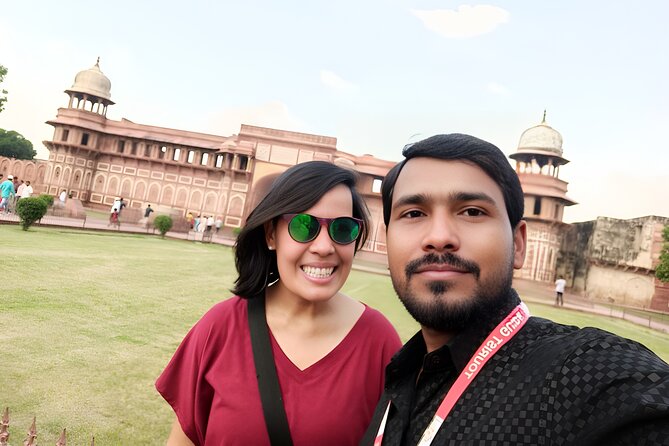
This is the kind of trip where the details matter. You are moving through multiple states and cities, so having a private AC car and a live tour guide at destinations makes the day feel ordered instead of chaotic.
The best value in a tour like this is not just the sights, it is what you do with your time. A private setup helps you get to places early, ask questions while you are standing in front of the real thing, and keep travel days from feeling like constant bus transfers.
From the feedback pattern, drivers such as Anil and Neeraj are singled out for being patient and careful, including help with luggage and safety. That matters more than people think, especially when you are eating, shopping, and switching hotels across desert roads.
One more practical note: shoes come off at temples and sacred sites, and dress modestly. Pack for that from day one, so you are not stuck improvising mid-tour.
You can also read our reviews of more private tours in New Delhi

Delhi First Day: Humayun’s Tomb Gardens and Akshardham’s Modern Scale
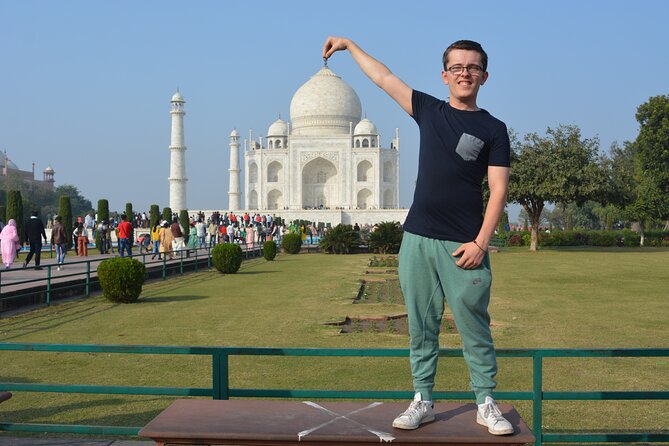
Delhi can feel like a blur, so I like that the first day eases you in with a UNESCO site, then shifts to a big modern complex. Humayun’s Tomb gives you classic Mughal style in a garden setting, a calm starting point before the city noise ramps up.
Then comes Swaminarayan Akshardham. It is not medieval, it is modern, and that is part of the appeal. The carved pillars, marble-and-sandstone look, and the sheer scale make it feel like a different chapter of Indian architectural ambition. Admission is not included here, so factor that into your on-the-ground planning.
After these two stops, you are not totally exhausted, which is key because the next day has more monuments.
Delhi Day 2: Qutub Minar, India Gate, Lotus Temple, and a Chandni Chowk Lunch
Day two hits the big Delhi highlights in a logical loop. Qutub Minar is a signature sight, and it is the kind of place where a guide helps you notice details without you having to memorize dates.
India Gate is a war memorial, designed with the same kind of grand symmetry you see in famous European monuments. It is quick but meaningful, and it works as a breather between temples and forts.
The Lotus Temple is another shape-driven stop. Note the closure rule: Lotus Temple remains closed on Monday, and you would be taken to Iskcon Temple or Shri KalkaJi Temple instead. If you are traveling around that day, do not worry, the tour accounts for it.
Then you get lunch in Chandni Chowk area. I like that the plan includes a proper meal break right when the day could get too snacky. You can expect North Indian staples like naan, curries, and biryani style choices, so you get fuel without derailing the schedule.
Mandawa and Shekhawati: Haveli Walls, Mural Art, and Stepwell Quiet
Mandawa is where this tour starts to feel like a story. This is the Shekhawati region’s “open art gallery” style, where entire mansions turn into murals, and the streets feel like a walk through painted history.
The focus here is on havelis like Tarkeshwar Goenka Haveli, Murmuria Haveli, and Gulab Raj Ladia Haveli. These places are not just beautiful, they also show how trade and outside influences made their way into local life. You see myth scenes mixed with symbols that point to the wider world, including trains and European figures in some murals.
One thing I really like: the tour does not only do fancy façades. You also get Harlalka well, an ancient stepwell near the havelis. Stepwells are such a Rajasthan-specific solution to water and heat, and it is easier to appreciate when you are already walking through desert-town architecture.
A small drawback is that Mandawa sightseeing happens with plenty of walking and indoor looks. Wear comfortable shoes and take breaks when needed, especially if you arrive in strong sun.
Bikaner: Junagarh Fort, Lalgarh Palace, and the Rat Temple Excursion
Bikaner brings you from mural streets into royal walls and museum rooms. Junagarh Fort is the main anchor, and the guide time here helps because you are looking at layered functions, from defense to royal life.
Inside the fort area, Prachina Museum gives you royal costumes, decorative arts, and heirloom-style collections. Then Lalgarh Palace and its museum adds another style shift, mixing Mughal, Rajput, and European influences into one Indo-Saracenic feel.
Lunch is very regional here, which I appreciate. You get dishes like dal bati churma and ker sangri, and that helps you understand why Rajasthan food is not one-note.
Then comes the most unusual side trip: Karni Mata Temple in Deshnoke, famous for its sacred rats. It is a strange sight in the best way, and the tour also stops at Jain Temple Bhandasar, which keeps the spiritual balance strong.
Tip: if you are sensitive to crowds around animals or anything unexpected, go slowly during that temple stop. The experience is worth it, just plan your comfort.
You can also read our reviews of more historical tours in New Delhi



Crossing Toward Jaisalmer: Desert Edges and a Museum Stop That Adds Context
The road day from Bikaner toward Jaisalmer is long enough that it feels like travel, not just transit. The route includes the National Research Centre on Camel and a stop at Ganga State Museum in Bikaner. I like this blend because it prevents the day from being only highway minutes.
The museum stop adds context to coinage, royal weaponry, and archaeological discoveries. It is not the flashiest break, but it makes the next days’ forts and city walls easier to understand.
You also stop for a dhaba-style meal along the route. That is practical because it gives you a real break without forcing you to hunt for food in unfamiliar areas.
Jaisalmer’s Golden City: Fort Views, Haveli Interiors, and Sam Dunes
Jaisalmer’s energy is different. The city is built in yellow sandstone, and everything looks warmer in color, especially around golden hour.
Jaisalmer Fort is the headline. Then the palace museum inside the fort adds detail, showing royal quarters and artifacts of the Bhati rulers. Even if you skip a few photo angles, the view from the fort helps you understand how this city survived and stayed connected in desert terrain.
The havelis are again the star for architecture lovers. Patwon Ki Haveli, Salim Singh-ki Haveli, and Nathmal Ji Ki Haveli each emphasize a different design flavor through jharokhas, carved screens, and symmetrical looks.
Then you get to Gadisar Lake. It is a peaceful reset, surrounded by temples and shrines and built originally to serve as a water source. It also sets up the mood for the desert day.
Sam Sand Dunes is the payoff. You ride camels over dunes at sunset, then catch cultural performances. The plan also includes a Desert Cultural Centre puppet show, which is a smart add-on because it explains desert-life tools and storytelling rather than treating the dunes as just scenery.
There is an optional overnight desert camp experience. It is available in a Swiss tent at Sam Sand Dunes, but tent availability is limited and depends on confirmation. If you want that extra night under desert skies, ask early and plan for it.
Jodhpur: Mehrangarh Fort, Jaswant Thada, and Sunrise at Step Wells
Jodhpur is known as the Blue City, and you feel it as soon as you approach the old areas. Mehrangarh Fort is the big draw, and this tour also uses a slower rhythm by including additional viewpoints and memorials.
Jaswant Thada, often called the Taj Mahal of Marwar, gives you marble-white calm in contrast to the fort’s power. Umaid Bhawan Museum is another interesting stop because it ties architecture to the famine-era story of providing employment, then converts that royal setting into what you see today.
If you like markets, Sardar Market is on the schedule, near the Clock Tower. You can pick up spices, tie-dye fabrics, and handcrafted goods, and it is also a good spot to try local drinks like makhaniya lassi.
Day 8 adds two quieter, more Rajasthan-specific highlights. Rao Jodha Desert Rock Park is timed for sunrise, and it focuses on nature and restoration. Toorji Ka Jhalra, also called Toorji’s step well, gives you symmetry, cool shade, and a look at water engineering that once served the city.
These early-day stops are less famous than the big fort, but they make the tour feel more like you are living in Rajasthan, not just scanning landmarks.
Ranakpur’s Jain Temples and the Shift to Udaipur Lakes
Ranakpur is a change of pace. The drive through the Aravalli hills feels different from desert-town routes, and you stay near forest-side areas. This tour keeps the mood gentle, with time to relax after arrival.
Ranakpur Jain Temple is the main experience, famous for intricate carvings and temple halls. Surya Narayan Temple and several nearby temples at Sadri extend the spiritual and architectural theme, including the much-talked-about MUCHHALA MAHAVIR Jain Temple, known for a moustache icon depiction of Lord Mahavir.
Then you add Ranakpur Dam as a short nature and quiet stop before heading to Udaipur. This is a practical way to transition from temple walking to lake walking.
Udaipur: City Palace, Jagdish Temple, Lake Pichola Boat Time, and Views From Monsoon Palace
Udaipur is the romantic part of Rajasthan, and the itinerary leans into that without making it all slow and sweet. City Palace is the anchor, with courtyards, balconies, and towers. Admission is not included, so again, treat monument fees as part of your real budget.
Jagdish Temple adds a working spiritual center element, and Sahelion Ki Bari is a calm garden break with marble pavilions and fountains. Then Lake Pichola becomes the big showpiece. A boat ride across the lake, especially around sunset, is where your photos turn into postcards.
Jagmandir is included as a boat-accessed island palace stop, and Bagore Ki Haveli Museum helps you understand local culture through artifacts and puppets. The evening is also built into the plan with indoor cultural options like Bagore Ki Haveli performances.
Then you move to Fateh Sagar Lake and Sajjangarh Monsoon Palace. Monsoon Palace sits high in the Aravalli hills and provides panoramic views, which is exactly what you want after days of fort staircases. The Bharatiya Lok Kala Mandal adds another angle by focusing on folk arts, masks, instruments, and traditional puppetry.
One consideration: Udaipur afternoons can get warm, and you will walk in palace and garden zones. Keep water with you and pace yourself.
Chittorgarh Fort: A Big UNESCO Day Then a Drive Into Pushkar’s Temple World
Chittorgarh is one of the emotional heavy days. The fort spans a huge area atop a hill, and UNESCO status fits because it tells the story of Rajput courage and sacrifice through ruins and surviving architecture.
Rana Kumbha Palace, Padmini’s Palace, Vijay Stambh, Kirti Stambh, and the Meera and Kalika Mata temples are all on the schedule. Even if some legends feel complicated, the physical layout helps you understand why these stories mattered to people living here.
The tour also includes Gaumukh Reservoir, fed by a natural spring shaped like a cow’s mouth. It is a small stop, but it gives you that sacred, place-specific feeling.
Then you drive to Pushkar for the next overnight. This transition works because you go from fort stone and memorial towers into a town built around spiritual routines and ghats.
Pushkar to Jaipur: Brahma Temple, Sacred Lake Ghats, and a Desert-City Bridge
Pushkar’s main stops are Brahma Temple and Pushkar Lake. The lake sits surrounded by 52 ghats where pilgrims perform rituals and take holy dips, and the atmosphere is most noticeable in early morning or late day light.
The Savitri Mata Mandir gives you a view from above, with a cable car or short trek option noted in the plan. Varaha Temple and Old Rangji Temple add temple architecture variety, including a mix of Dravidian, Mughal, and Rajput elements at Rangji Temple.
This tour keeps Pushkar vegetarian, with a Pushkar lunch described as traditionally prepared without onion or garlic due to spiritual significance.
Then you head toward Jaipur. The road day is a bridge, including en route views of desert villages and roadside markets. You arrive in Jaipur ready for three major architectural hits.
Jaipur Highlights: Jantar Mantar, Hawa Mahal, and Fort Views Before Ranthambhore
Jaipur’s sightseeing day packs in the icons without ignoring the practical side. City Palace is the first stop, followed by Jantar Mantar, which is a UNESCO World Heritage observatory built in 1734 with stone instruments, including the world’s largest stone sundial.
Hawa Mahal is next, the famous five-story palace with 953 jharokhas. Even if you do not climb anywhere, the façade is the reason you come. Nahargarh Fort and Jaigarh Fort add viewpoints and museum-style stops, with Jaigarh Fort connected to Amber Fort via subterranean passages mentioned in the plan.
Jal Mahal is included for sunset views from outside. The plan specifically notes that entry is not allowed, which is important because it keeps expectations realistic.
Then you drive to Ranthambhore. This shift changes the goal from human-made architecture to living wildlife.
Ranthambhore Safari and Agra’s Mughal Finale: Tiger Chance, Then Taj Sunrise
Day 14 is the wildlife day. You start with an early morning safari through Ranthambhore National Park. It is one of India’s premier tiger reserves, and you might see Royal Bengal Tigers, leopards, and marsh crocodiles, among other wildlife.
Because this is a safari, it is also subject to conditions on the day. I recommend you keep expectations flexible. If you love nature and want your trip to include more than forts, this stop justifies the whole middle section.
Ranthambhore Fort is then included briefly, noted as a UNESCO World Heritage site dating back to the 10th century, sitting inside forest area. It is a nice contrast after the safari drive.
Finally you head to Agra through the Chambal region. It is described as a quieter route with rugged charm and hidden cultural treasures.
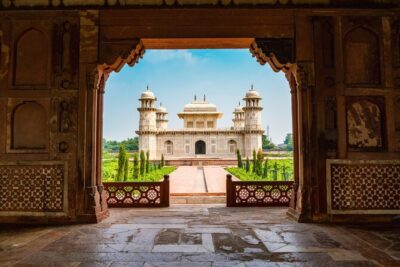
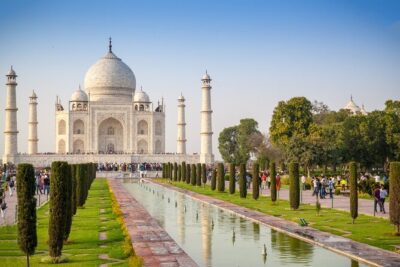
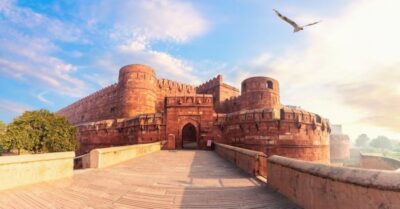
Day 15 is the big payoff: sunrise at the Taj Mahal, then Agra Fort and Itmad-ud-Daula, often called Baby Taj. The Taj Mahal detail matters here because the changing light at sunrise is part of the experience. Also, there is an important closure rule: Taj Mahal remains closed on Friday. If your travel dates hit that, plan on the tour adjusting or you making alternative arrangements.
The tour keeps the ending practical with lunch in Agra and then drive back to Delhi.
Price and Value: What Your USD 1,013 Buys, and What Costs Extra
At about USD 1,013 per person for a 15-day private car tour, you are paying for the parts that usually cost you the most time and energy: private transport, a live tour guide, and the ability to move between cities without messy logistics.
What you get included:
- Private uniformed chauffeur
- Live tour guide with various foreign languages
- Sightseeing by private air-conditioned car
- Hotel accommodation with breakfast if you choose that option
- Pick up and drop at Delhi airport, railway station, or your desired location
- Parking fees, tolls, taxes, allowances, fuel, and interstate taxes
What costs extra:
- Monument and safari fees, roughly USD 200 per person
So the value math is simple. You are not paying only for car and driver, you are also paying for access to guides and reduced friction across a multi-city route. If you are the type of traveler who hates planning, this price is easier to justify. If you like building your own day by day schedule, you may be able to do it cheaper, but it will take work.
Should You Book This 15-Day Rajasthan Heritage Tour?
I would book it if you want a first-timer friendly Rajasthan and your travel style is comfort plus guided context. The strongest reason is the way it balances different types of experiences: Delhi architecture, Mandawa mural art, desert camel moments at Sam, a real wildlife safari in Ranthambhore, and then the Mughal climax in Agra.
I would think twice only if you are very sensitive to long drives and early starts. This plan includes sunrise Taj Mahal and an early safari window, and you are traveling across multiple cities for 15 days.
One last tip: if you want the optional Jaisalmer desert camp, plan early because tent availability is limited and depends on confirmation. And always carry a valid photo ID for monument entry.
FAQ
What is included in the tour package?
The tour includes a private uniformed chauffeur, a live tour guide (with various foreign languages), sightseeing by a private air-conditioned car or tempo traveler, hotel accommodation with breakfast if you choose that option, and pickup and drop in Delhi airport, railway station, or your desired location. It also includes parking fees, tolls, taxes, allowances, fuel, and interstate taxes.
What is not included in the price?
Monument and safari fees are not included, with an approximate additional cost of USD 200 per person. Any other activity not mentioned in the inclusions is also not included.
Do you offer pickup and drop in Delhi?
Yes. Pickup and drop are offered in Delhi at the airport, railway station, or your preferred desired location.
Is the Taj Mahal always open?
No. The Taj Mahal remains closed on Friday.
What if the Lotus Temple is closed on your travel day?
Lotus Temple remains closed on Monday. On those days, you will be taken to Iskcon Temple or Shri KalkaJi Temple instead.
Is there an optional overnight desert camp near Jaisalmer?
Yes. An optional overnight in a Jaisalmer desert camp at Sam Sand Dunes is available in a Swiss tent. Tent availability is limited and subject to confirmation at the time of booking.
What do I need to bring for monument entry?
Bring a valid photo ID to check at the monuments.
More Private Tours in New Delhi


More Tours in New Delhi




More Tour Reviews in New Delhi
Not for you? Here's more nearby things to do in New Delhi we have reviewed







More Taj Mahal Tours to consider.
 ★ 5.0Same Day Taj Mahal, Agra Fort & Baby Taj Tour from Delhi by CarTickets from $624,304 traveller reviews
 ★ 5.0Taj Mahal Day Tour from Delhi by Superfast Train – TOP RATED TOURTickets from $1004,166 traveller reviews
 ★ 5.0Full Day Taj Mahal, Agra Fort & Baby Taj Tour from Delhi by CarTickets from $623,647 traveller reviews
 ★ 4.9From Delhi: Taj Mahal & Agra Private Day Trip with TransfersTickets from $43,181 traveller reviews
 ★ 5.0Taj Mahal Tour from Delhi by Express Train (Viator Award Winner)Tickets from $752,849 traveller reviews
 ★ 5.0All Inclusive Private Taj Mahal Luxury Tour from Delhi by CarTickets from $622,564 traveller reviews
 ★ 4.9Same Day Taj Mahal, Fort & Baby Taj Tour from Delhi by CarTickets from $502,534 traveller reviews
 ★ 4.9From Delhi: Taj Mahal and Agra Fort Private Sunrise TourTickets from $592,270 traveller reviews
More useful Delhi routes