
Review · DELHI CITY TOURS
Moral Slum Tour in Delhi with hotel pickup & drop
Touring Delhi can mean monuments, malls, and big-city blur. This one slows you down and sends you into Sanjay Colony with context from a local guide, not pity. I also like that you get a planned break on the way, the Agrasen ki Baoli stepwell, so the trip feels like more than one emotional stop. The main drawback is that a slum visit can be uncomfortable, and you should be ready for that without turning it into a photo mission.
What makes it work is the structure: private pickup, a focused visit (about two hours), and a simple return to your hotel. Expect respectful guidance, real-life observations, and an itinerary that stays short enough to keep the day manageable.
Key Highlights at a Glance

- Sanjay Colony, Okhla Vihar: Learn how an 18-acre community of about 45,000 residents supports itself.
- Professional guide on site: You get local context for daily life, work, schools, and faith spaces.
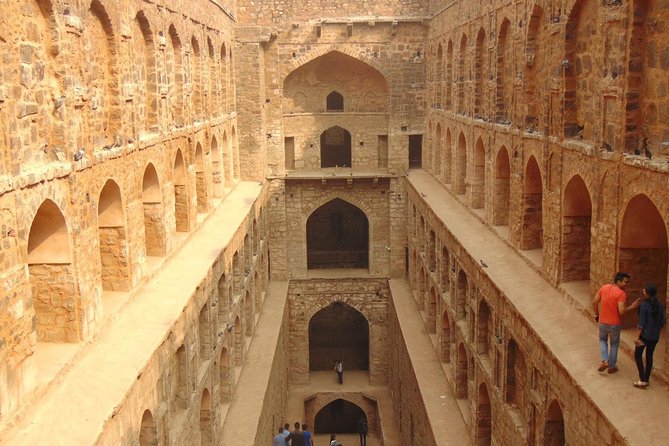
- Historic stop at Agrasen ki Baoli: A chance to see the stepwell’s symmetrical architecture after the slum visit.
- Hotel pickup and drop included: You save time and stress navigating Delhi traffic.
- Private tour format: Your group gets personal attention during the experience.
- Short, doable timeline: About 3 to 4 hours total, with roughly 2 hours at the slum.
A Delhi Slum Tour That Tries to Be Honest, Not Mean
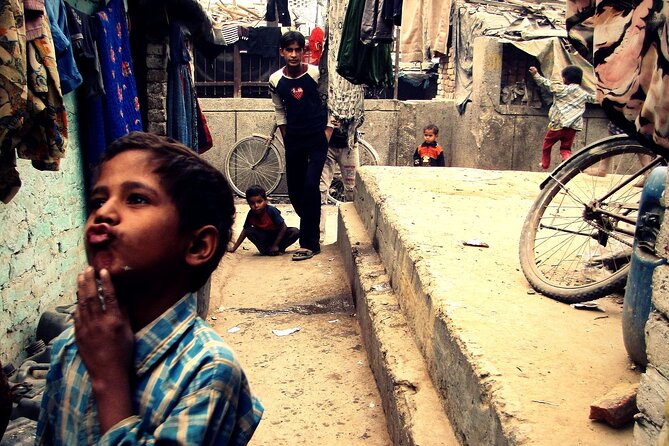
If your idea of travel includes seeing how other people live, this Delhi tour is built for you. The visit takes you to Sanjay Colony, a slum area in the Okhla Vihar area, and it’s framed around real context: how communities organize daily life, how people earn a living, and how faith and services show up in everyday spaces.
I like that it is not sold as shock value. The tour aims to dispel negative stereotypes and push for a more positive, grounded understanding. That goal matters, because the biggest risk with slum tourism is getting the wrong kind of attention: treating people like they are on display. This tour is designed to move in the other direction, through explanation and a guide who is there to interpret what you’re seeing.
The other thing that helps your head and heart is the second stop. Agrasen ki Baoli is the classic counterpoint to heavy subject matter. You get architecture and quiet geometry after a visit that can feel emotionally intense.
You can also read our reviews of more tours and experiences in New Delhi.



Price and Logistics: What You Get for $69
At $69 per person for a 3 to 4 hour private experience, value comes down to what is included and how much your day is simplified.
Here’s the practical math:
- You get round-trip transfers from your Delhi hotel. That is a big deal in a city where time can vanish quickly in traffic.
- You get private transportation and a guide during the slum visit only. So your guide time is concentrated where it matters most.
- You do not need to add another tour or scramble for directions mid-day. That alone can make this feel “easy” even though the subject is serious.
- A mobile ticket is used, so you are not dealing with paper hassles.
Could you find cheaper tours? Sure, but you would be trading away the convenience and the guided structure. For many visitors, paying for a clear itinerary is exactly what makes the experience workable.
One more detail that affects planning: the slum visit includes an admission ticket. You’re not paying extra for that component, and the time is already scheduled into your half-day.
Hotel Pickup and the Private-Tour Advantage

The tour starts with pickup from your Delhi hotel and ends with drop-off back where you began. That matters for two reasons.
First, you can keep your day calm. You do not have to figure out local transit systems right before an emotionally heavy visit. Second, private transportation reduces the chance your schedule gets thrown off by meeting points and late arrivals.
The private setup also helps in a sensitive context. When your group stays smaller and more controlled, your guide can manage pace and questions in a way that feels less chaotic. In the reviews, people praised having a local guide who explained what daily life looks like. That kind of conversation is easier when you are not being herded along with a crowd.
Stop 1: Okhla Vihar and Sanjay Colony, 2 Hours of Everyday Life
Your first stop is in the Okhla Vihar area, specifically the Sanjay Colony slum. This is not Dharavi in Mumbai size, but it is large enough to feel like a full neighborhood.
You are looking at:
- About 18 acres
- Roughly 45,000 residents
- A community that began changing in 1979, when dwellers started coming to the area that had previously been forest
The visit is built around what people do, not just what they lack. You might see cottage-industry style units, including garment-making activity, and small service spaces like a doctor’s office or schools. The tour also points out religious structures, from temples to mosques, which is an important clue that communities are not uniform. They are shaped by faith, family networks, and local routines.
A theme that comes through strongly is enterprise. Even when resources are limited, the people you meet are described as talented and active. That is a big shift from the usual slum-tour narrative. Instead of treating poverty as the headline, the guide focuses on how residents build livelihoods and community infrastructure with what they have.
How the Guide Changes the Whole Experience
The guide is not just a translator. In the reviews, people repeatedly highlighted the value of having someone from the area.
You might meet guides like Victor (also spelled Viktor) or Dolly, depending on the schedule. Each review described a similar pattern: passionate local storytelling, clear explanations of how work functions, and a tone that keeps the visit human.
That local framing is what turns the experience from sightseeing into learning. When a guide explains how daily life works, you notice different things:
- Where people work and how routines fit together
- How religious and educational spaces show up in the same community
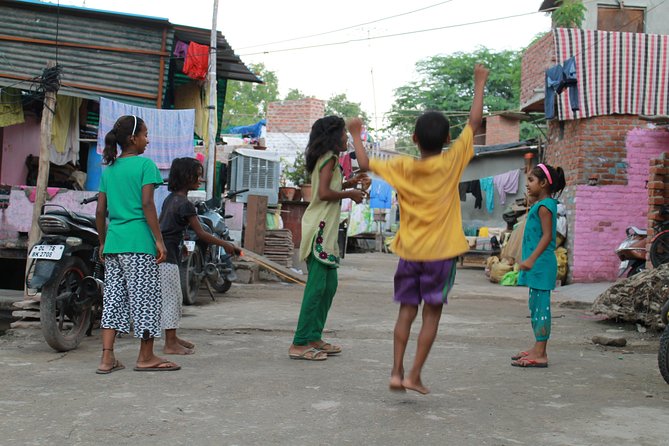
- How children play and move through the neighborhood, which makes it feel like real life, not a single frozen moment
One thing to keep in mind, though, is that slum visits can attract attention. Some people start off feeling uneasy when locals gather or stare. If that happens, do not let it ruin your experience. Your guide’s job is to manage the group and keep the visit respectful and grounded.
A quick practical tip: keep your questions thoughtful and brief. If you want to talk to someone, do it through your guide. It keeps the interaction safe and reduces the chance you are misreading what is appropriate.






Seeing More Than Poverty: Work, Faith, and Community Spaces
This tour’s storyline is essentially about community systems. You’re not just walking past homes. You’re being guided through the small infrastructure that supports life.
Based on the tour description, you may see:
- Garment-making and other cottage-industry styled units
- Religious structures, including temples and mosques
- A small doctor’s office
- Schools
- Everyday neighborhoods where people organize activities as a community
This is where the tour’s mission matters. The intent is to avoid negative stereotypes and promote a more positive understanding of how people live and work. That does not mean everything is rosy, and it does not mean the visit ignores hardship. It means the guide is steering you away from a “tourist pity” mindset and toward a reality-based picture.
For you, that can be a relief. If you go in expecting only hardship and sadness, you will miss the point. If you go in open-minded, the experience can expand how you think about community resilience and local skills.
The Agrasen ki Baoli Stop: A Visual Reset After the Slum Visit
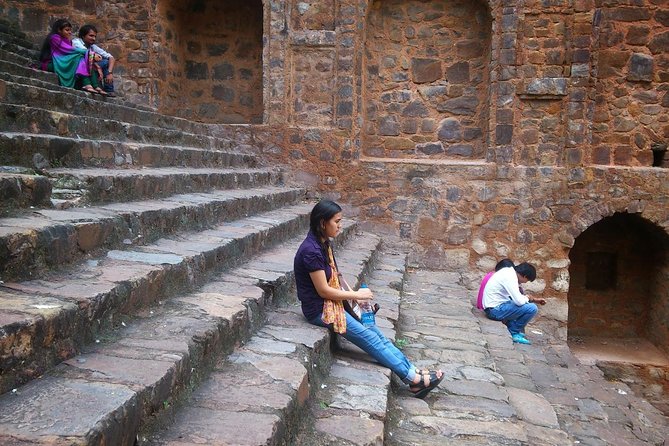
After the Sanjay Colony portion, you head to Agrasen ki Baoli, a historic stepwell known for its symmetrical architecture. It’s a striking contrast.
Why this stop matters:
- It gives your eyes and mind something different to process.
- It shifts you from people-first learning back to place and form.
- It adds variety so the tour does not feel like one long emotional push.
Stepwells in North India are more than pretty staircases. Even if you only spend a short time there, the structure can help you slow down and see Delhi as a city of layers, not just one modern skyline.
This stop is also practical. It breaks up the day. After roughly two hours in the slum, you get a calmer pace and a chance to take in a landmark that is famous for visual balance.
How Long It Takes, and When to Fit It Into Your Delhi Day
The tour runs about 3 to 4 hours total. The Sanjay Colony visit takes about 2 hours, and the rest of your time is travel and the Agrasen ki Baoli stop.
That makes it a great choice for:
- Your first days in Delhi, if you want something beyond monuments
- A cultural-focused afternoon with a clear end time
- Travelers who want an “education plus sight” mix without staying out all day
One planning consideration: the experience requires good weather. If weather is poor, it may be rescheduled or you may receive a full refund. In Delhi, weather shifts can happen fast, so if you are flexible with dates, you might have an easier time locking in the timing you want.
Who This Tour Suits Best (And Who Might Want to Skip)
This is a strong fit if you:
- Want an ethical slant and a guided explanation, not just a drive-by photo tour
- Enjoy learning from local context
- Are comfortable with emotionally serious subject matter
- Like short, structured experiences that do not eat your whole day
It may be less ideal if you:
- Prefer sightseeing that is mostly light and upbeat
- Get overwhelmed easily by poverty-related scenes
- Want a fully accessible, low-stimulation environment (a slum visit can naturally involve close contact with daily life)
The good news is that this tour is private, with a professional guide on hand during the most important part. That structure can help you manage your own comfort level.
Realistic Expectations for Photos, Questions, and Respect
The tour includes a guide and a defined visit route, which helps you stay on track. But it is still a real neighborhood, not a theme set.
So here’s how to keep it respectful:
- Treat the visit as learning, not entertainment.
- Keep your curiosity focused on how life works, what people do, and what the guide explains.
- If you feel uncertain about photography or how to approach people, let your guide lead the way.
The experiences described in the reviews point to friendly interactions and meaningful moments, especially with local guide storytelling. Guides named Victor/Viktor and Dolly were praised for passion and for helping visitors see the area as lived-in, not degraded.
If you enter with patience and respect, the chances of a positive, eye-opening day are strong.
Should You Book This Moral Slum Tour in Delhi?
I think this is worth booking if you want a guided, short slum visit that aims to teach rather than sensationalize. The pairing with Agrasen ki Baoli is smart, because it balances the emotional weight with a beautiful architectural reset. Add in the hotel pickup and drop and the focused 2-hour guided visit, and you get a plan that feels organized even when the topic is hard.
I would pass if you are looking for a light, casual Delhi activity. Also skip it if you want long free time, because most of your schedule is intentionally structured around guide-led context.
If you do book, go in with the mindset that this is about community life and local systems. Your guide will set the tone, and that is what turns a challenging visit into a valuable one.
More Tours in New Delhi
More Tour Reviews in New Delhi
Not for you? Here's more nearby things to do in New Delhi we have reviewed











More Delhi City Tours to consider.
 ★ 5.0Old & New Delhi City Tour – Half or Full Day Options AvailableTickets from $384,811 traveller reviews
 ★ 5.0Same Day Taj Mahal, Agra Fort & Baby Taj Tour from Delhi by CarTickets from $624,304 traveller reviews
 ★ 5.0Taj Mahal Day Tour from Delhi by Superfast Train – TOP RATED TOURTickets from $1004,166 traveller reviews
 ★ 4.9Old and New Delhi Private Full or Half-Day TourTickets from $23,776 traveller reviews
 ★ 5.0Full Day Taj Mahal, Agra Fort & Baby Taj Tour from Delhi by CarTickets from $623,647 traveller reviews
 ★ 4.9From Delhi: Taj Mahal & Agra Private Day Trip with TransfersTickets from $43,181 traveller reviews
 ★ 5.0Taj Mahal Tour from Delhi by Express Train (Viator Award Winner)Tickets from $752,849 traveller reviews
 ★ 5.0All Inclusive Private Taj Mahal Luxury Tour from Delhi by CarTickets from $622,564 traveller reviews