
Review · DELHI CITY TOURS
Delhi: Old and New Delhi One Day Tour
Delhi can feel chaotic on day one, so I like tours that bring structure. This one-day Old and New Delhi circuit mixes UNESCO World Heritage sites with Old Delhi street scenes, plus market time where you can actually see how people shop. It’s a smart way to get your bearings fast without turning your day into a scavenger hunt.
Two things I really like: first, you’re not stuck in one neighborhood. You get a guided sweep through major landmarks like the Red Fort area, Jama Masjid, and New Delhi’s monument belt, then you shift into the shopping quarters for textiles, books, and spices. Second, you ride in an air-conditioned private car with a live English or Hindi guide, so you’re not guessing what you’re looking at. One possible drawback is simple: it’s an 8-hour day that can run long when Delhi traffic stacks up, and some key sights close on certain days.
Quick hits to know before you go
- Old Delhi ride plus markets: cycle rickshaw time through Chandni Chowk if you choose it.
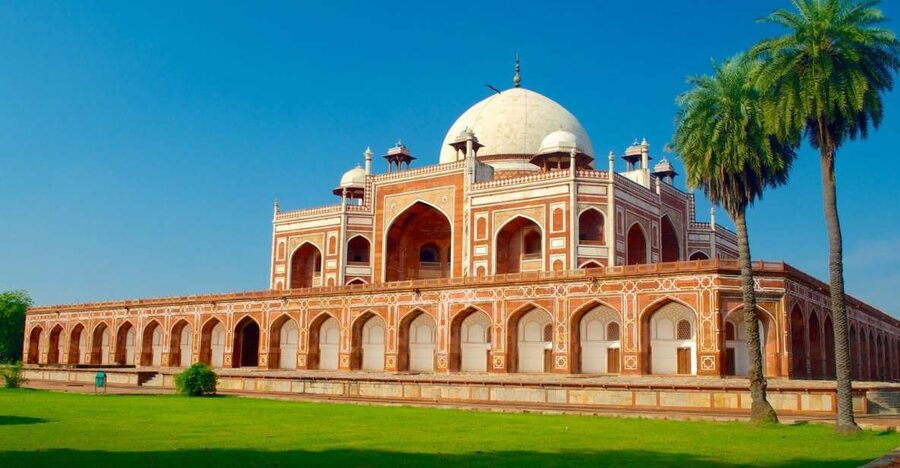
- UNESCO time that feels practical: Red Fort (outside view plus later architectural viewing), Humayun’s Tomb, and Qutub Minar.
- Shopping streets with real variety: wedding-focused Kinnari Bazaar, textiles, Nai Sarak books, and Khari Baoli spice lanes.
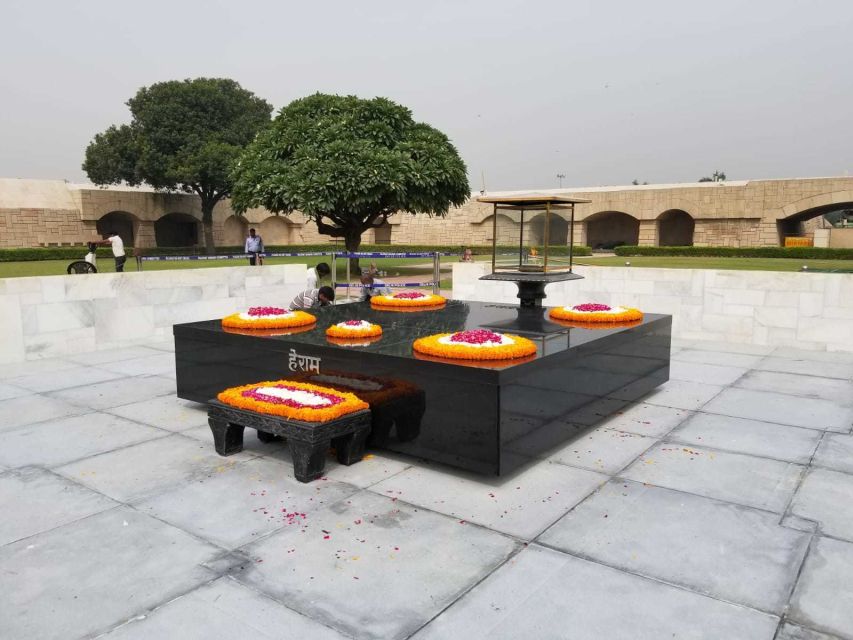
- Religion and memory side by side: Raj Ghat for Gandhi, plus major Delhi temples on the route.
- Private group comfort: air-conditioned private vehicle, mineral water, and a live guide who can adjust pace.
- Skip-the-line benefit where possible: ticket-line savings if you select the entrance-tickets option.
Why this Old and New Delhi route is such good value
For a price point listed around $8 per person, the value comes from packing a lot of Delhi into one organized day. You get a live guide, hotel pickup and drop-off, and a private car with driver, plus mineral water. If you choose the options that include entrance tickets and the rickshaw ride, it also reduces the number of separate decisions you have to make mid-day.
The real win for you is time. Delhi’s distances and traffic can eat your day. This tour keeps the movement logical: start with Old Delhi’s big monuments, move through the market cluster, then head back toward New Delhi for the UNESCO sites and the major government and landmark area. You’ll still walk in places, but it feels like walking where it matters, not walking just to say you walked.
One more practical bonus: it’s designed as a private group. That means you can ask for small changes in the order of stops, take an extra photo break, or slow down when the heat hits. Several past participants specifically mentioned that guides helped customize the plan to stamina and interests, which is exactly what you want on a tight schedule.
More New Delhi tours and experiences for the shortlist



Old Delhi: Red Fort outside, Jama Masjid, and a cycle rickshaw through Chandni Chowk
You start the day by heading to the Red Fort area for an outside view. Even from outside, the scale hits you. It’s the kind of landmark that’s hard to fully appreciate if you only see a few quick angles from a distance. The outside stop works as your warm-up, so once you return later, you have context.
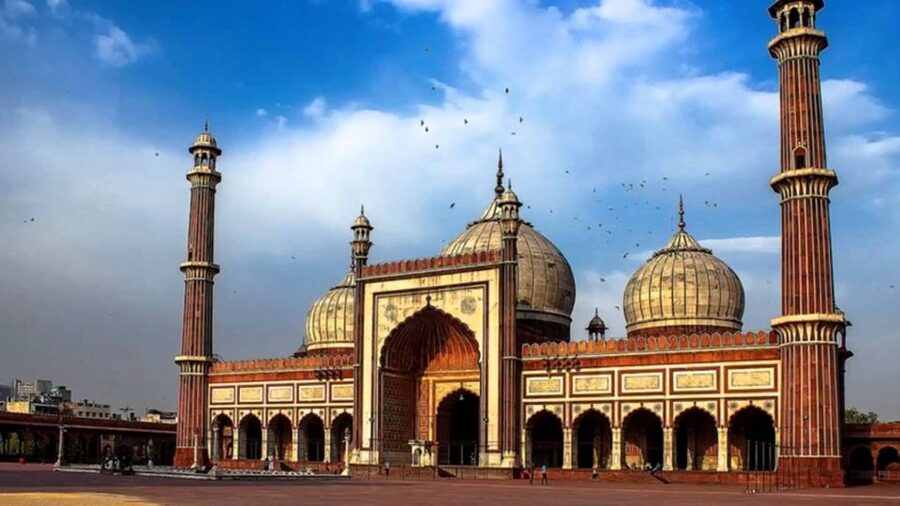
Next comes Jama Masjid, Old Delhi’s main mosque. You’ll get guided context for what you’re seeing, and you’ll also notice how the area functions in everyday life, not just as a photo stop. Dress and behavior matter here. If you’re aiming for quick photos, plan to slow down instead. The guide is there to help you understand what areas are appropriate and where you should take your time.
Then, if you select the option, you hop on a cycle rickshaw for time through the Chandni Chowk market lanes. This is where the day turns from monument viewing into street-level Delhi. The rickshaw ride is short enough to stay fun, but long enough to feel different from standing on a sidewalk. You’ll see the crowds and the rhythm of the market without having to navigate every turn yourself.
A key thing to know for planning: Chandni Chowk closes on Sundays. So if your dates land on Sunday, you’ll want to be flexible about how Old Delhi time will be handled.
The market stops that do more than sell souvenirs
After the big sights, the tour shifts into the shopping grid that many first-time visitors miss because they don’t know where to go. You move through several market zones that each have a clear identity, so the experience feels like learning routes through Delhi, not random shopping.
First up is Kinnari Bazaar, well known for wedding-related goods. Even if you’re not buying anything, it’s a great place to see how textiles and ceremonial items are organized. Think of it as an insight into how major life events get prepared in the city.
Then you’ll pass through textile market areas. In a place like Delhi, textiles can mean more than fabric. The guide’s explanations usually help you understand why certain materials and colors show up in certain contexts, which makes the browsing more meaningful.
Next is Nai Sarak, the book market. This is a different type of browsing, quieter in feel than spice lanes and more focused on pages and publication. If you like local publishing, used books, and niche titles, this is the stop that often surprises people in a good way.
Finally, Khari Baoli for the spice market. The smell is immediate. You’ll likely see piles of spices in bright bins and hear vendors explain what’s what. It’s also the stop where you’ll want to pay attention and not just follow the crowd. If you want to buy, you’ll be glad you have a guide to help you check quality and prices without getting pushed around.
One practical note: markets are crowded and can be tiring. Wear shoes you can stand in for a while, and keep your water handy since food is not included.
Back to the Red Fort for the architecture moment
Later in the day, you head back toward the Red Fort again. This time isn’t just a drive-by. It’s a chance to admire the architecture in a more intentional way. In my opinion, this is a smart tour design because it splits your Red Fort experience: outside at the start for orientation, then a more focused look later once you’ve seen other key sites.
If you’re the type who likes to connect details, this second visit helps. You can compare what you’ve already learned from earlier stops and see patterns in materials, design, and scale. It also helps you avoid the feeling that you sprinted through everything. Delhi can trick you into rushing, and this structure fights that.
Be aware of the schedule issue: Red Fort closes on Mondays. If you’re planning a Monday, treat this as a day where the guide may adjust the exact flow.
UNESCO in New Delhi: Humayun’s Tomb and Qutub Minar
After Old Delhi, the tour moves into New Delhi and hits two major UNESCO sites: Humayun’s Tomb and Qutub Minar.
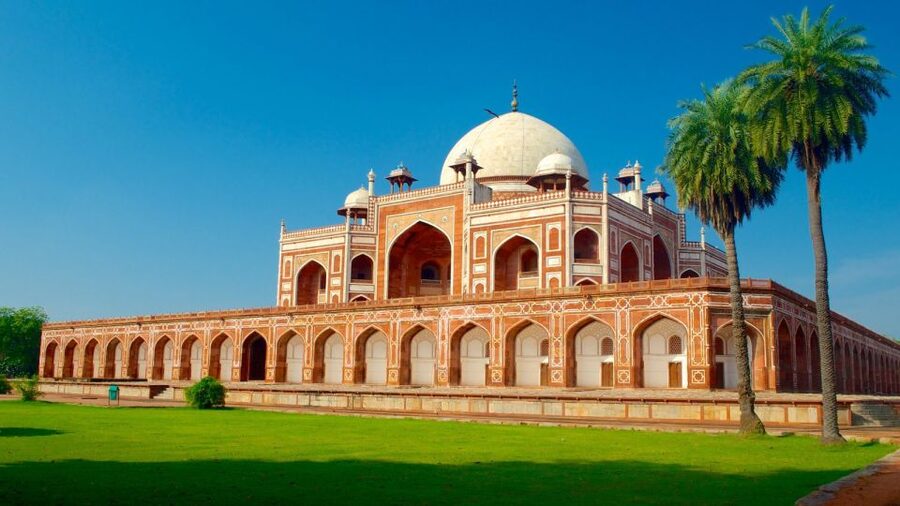
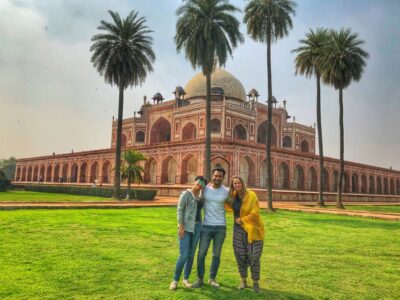
Humayun’s Tomb often lands as a highlight because it’s scenic and thoughtfully laid out. You get architectural context rather than just a quick walk. The guide helps you understand what makes it significant, and you can take photos without the pressure of racing across multiple spots back-to-back.
Then comes Qutub Minar, another UNESCO World Heritage site that’s impossible to ignore. This is monument viewing at its best: you’re standing in the shadow of something that dominated the skyline. The key here is timing and walking pace. Plan for steady walking, and use the guide’s explanations to slow your brain down enough to notice details.
These UNESCO stops are the reason the tour works for first-timers. Many people spend one day in Delhi and only see the obvious. Here, you get the type of landmarks that help you understand why Delhi is layered with centuries of power, faith, and change.





Raj Ghat and the spiritual side of Delhi, minus the awkward guessing
The tour includes Raj Ghat, the memorial to Mahatma Gandhi. It’s a quiet contrast after the noise and crowds. You’ll get context for what the memorial represents, and you can sit or walk at a respectful pace depending on how the site is managing visitors.
After that, you continue with major Delhi landmarks that include major temples. The tour mentions Lotus Temple on the New Delhi side. Just know the schedule rule: Lotus Temple closes on Mondays. That doesn’t mean your day is ruined. It just means you should plan to swap priorities on a Monday, and rely on your guide’s routing.
Also, there’s a mention of Akshardham being closed on Mondays. So if your itinerary date is Monday, expect the route to adjust and possibly shift your temple time into other nearby options.
The practical tip for these religious and memorial stops is this: don’t rush your photos. I’ve found the best understanding comes when you stand still long enough to notice what people are doing around you.
India Gate, Parliament area, and the modern Delhi checkpoint energy
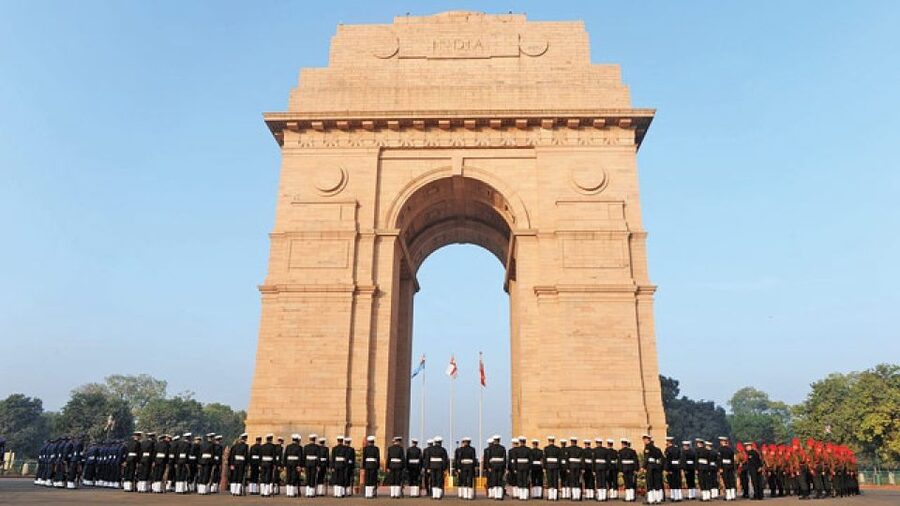
New Delhi’s landmark belt is where Delhi becomes the capital-city version of itself. You’ll pass India Gate and the Houses of Parliament area, with stops that work as photo moments and orientation points.
Even if you already recognize the shapes, the value here is interpretation. A good guide links these monuments to the story of Delhi’s governance and identity. It turns a “seen-it” photo into a “now I get it” moment.
One thing you should watch for is energy management. By the time you reach this area, you’ll likely be part heat, part walking, part sitting in traffic. The tour format helps because it mixes movement with short checkpoints, so you’re not staring at the same street for hours.
Transport, timing, and what to wear for an 8-hour Delhi day
This tour is listed as 8 hours, and that matters because it’s a day you’ll actually want to finish. Still, Delhi traffic is real. Several people noted that the day can run longer than the advertised time, especially on heavier traffic days. So I’d plan your schedule like this: treat 8 hours as the goal, not a guarantee.
The good news: you’re in an air-conditioned private car. You’re not walking between distant sites in the midday heat. Mineral water is included, and having that small comfort matters in Delhi.
Meeting and getting on board is also fairly straightforward:
- If you choose pickup, you’re picked up from your Delhi hotel.
- If you do not, your guide waits at Karol Bagh Metro Station (Gate 1) with a sign with your name.
- Drop-off can happen in multiple zones, including Karol Bagh Metro Station and Aerocity, among others.
One important clothing rule: shorts are not allowed. It’s simple, but it can be a deal-breaker if you show up in summer gear and get turned away at a sacred site.
If you’re traveling from Noida or Gurugram (Haryana), there’s an extra INR 1000 cash fee paid directly to the driver. That’s the kind of detail worth remembering so your day starts smoothly.
Should you book this Old and New Delhi one-day tour?
Book it if:
- You have limited time and want a structured way to see Old Delhi markets plus major New Delhi monuments.
- You like when a guide explains what you’re seeing, not just where to stand for photos.
- You want the comfort of a private car and the flexibility of a private group.
Skip it or reconsider if:
- You strongly prefer not to mix crowds and walking with monument stops.
- Your visit lands on a day when key sites close, especially Monday for Red Fort and Lotus Temple, or Sunday for Chandni Chowk.
- You need food included, because meals are not part of the package.
If your plan is your first day in Delhi, this is a practical choice. You get history and religion, you get UNESCO landmarks, and you get the market streets that show Delhi as a living city. You’ll leave with photos, yes, but also with a mental map that makes the rest of your trip easier.
FAQ
Where is the meeting point if I don’t choose hotel pickup?
Your guide will wait at Karol Bagh Metro Station at Gate 1 with a sign with your name on it.
Is hotel pickup and drop-off included?
Yes. Hotel pickup and drop-off are included, and pickup can be optional from anywhere in Delhi.
How long is the tour?
The tour duration is 8 hours.
What languages will the guide speak?
The live tour guide is available in English and Hindi.
Are entrance tickets and the rickshaw ride included?
Entrance tickets are included if you select the option that includes them. The rickshaw ride is included if you choose the rickshaw option.
Is food included?
No, food is not included.
Is the tour wheelchair accessible?
Yes, the tour is wheelchair accessible.
Which days do important stops close?
Akshardham, Lotus Temple, and Red Fort close on Mondays. Old Delhi’s Chandni Chowk market closes on Sundays.
What should I bring, and what should I wear?
Bring your passport or ID card. Shorts are not allowed.
More 1-Day Tours in New Delhi



More Tours in New Delhi



More Tour Reviews in New Delhi
Not for you? Here's more nearby things to do in New Delhi we have reviewed










More Delhi City Tours to consider.
 ★ 5.0Old & New Delhi City Tour – Half or Full Day Options AvailableTickets from $384,811 traveller reviews
 ★ 5.0Same Day Taj Mahal, Agra Fort & Baby Taj Tour from Delhi by CarTickets from $624,304 traveller reviews
 ★ 5.0Taj Mahal Day Tour from Delhi by Superfast Train – TOP RATED TOURTickets from $1004,166 traveller reviews
 ★ 4.9Old and New Delhi Private Full or Half-Day TourTickets from $23,776 traveller reviews
 ★ 5.0Full Day Taj Mahal, Agra Fort & Baby Taj Tour from Delhi by CarTickets from $623,647 traveller reviews
 ★ 4.9From Delhi: Taj Mahal & Agra Private Day Trip with TransfersTickets from $43,181 traveller reviews
 ★ 5.0Taj Mahal Tour from Delhi by Express Train (Viator Award Winner)Tickets from $752,849 traveller reviews
 ★ 5.0All Inclusive Private Taj Mahal Luxury Tour from Delhi by CarTickets from $622,564 traveller reviews