
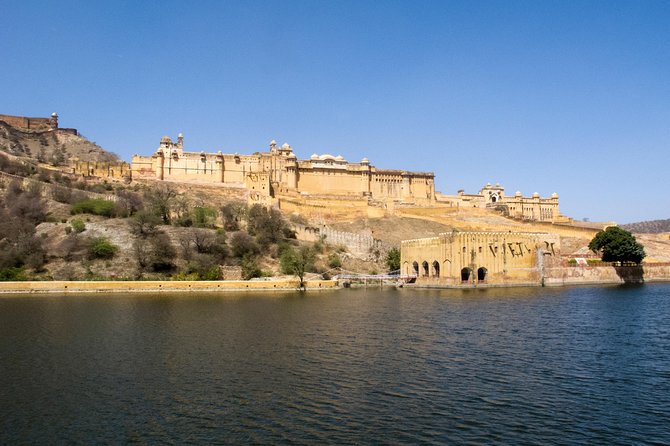
Review · DELHI CITY TOURS
Golden Triangle of India : Delhi | Agra | Jaipur
This route turns India into a fast, focused story. You get private chauffeured transport plus guided stops at the big sights, so you spend less time sorting things out and more time looking closely. I especially like the mix of Old Delhi culture (including a rickshaw ride) and the built-in history stops in Agra and Jaipur, with admissions handled for you. One watch-out: the tour can include market or shop stops, and if your priority is pure sightseeing, you may want to set clear boundaries up front.
The price, $769 per person, can feel steep until you add up what’s included: a private air-conditioned car, professional English-speaking guide for sightseeing, monument entrance fees, four nights in twin-share accommodation, and even two water bottles per day. With a strong overall score (4.9 out of 5) and a 97% recommendation rate, this is clearly a popular way to do the Golden Triangle without the usual hassle.
Key Highlights You’ll Feel on the Ground
- Private car door-to-door comfort across Delhi, Agra, and Jaipur, with hotel pickup and drop-off
- Guided major sights so you understand what you’re seeing, not just what it looks like
- Old Delhi by rickshaw after Jama Masjid, right through the Chandni Chowk lanes
- Taj Mahal plus Agra Fort as guided highlights in one concentrated day
- Two major “on the way” stops in Fatehpur Sikri and Abhaneri’s Chand Baori
- Jaipur’s big three in a practical order, City Palace, Jantar Mantar, and a Hawa Mahal photo stop
Golden Triangle in 5 Days, and the Pace That Works
This is a 5-day, 4-night private road trip connecting Delhi, Agra, and Jaipur. The pace is busy, but it’s built around geographic logic. You don’t jump neighborhoods inside each city as much as you move between cities efficiently, then focus each day on a short list of meaningful sights.
That matters because the Golden Triangle can get exhausting if you’re constantly transferring, negotiating rides, or guessing timing. Here, you’re traveling by private car with guided stops at the major points. You still cover a lot, but it feels more controlled than an all-day DIY scramble.
If you like structure, this will feel satisfying. If you hate running on a schedule, you may want to add a buffer day in either Delhi or Jaipur after the tour ends.
You can also read our reviews of more tours and experiences in New Delhi.



Private Chauffeured Transport and Guided Sight Stops
The core idea of this tour is simple: you get in the car, you arrive, you walk the sights, and your guide helps you connect the dots. Transfers and sightseeing are done in a private air-conditioned vehicle, and you also get a professional English-speaking tour guide for sightseeing.
Practically, this gives you three big advantages:
- Less wasted time negotiating transport after you’ve already had a long day.
- More context while you’re looking at monuments, architecture, and layout.
- A smoother experience when sights are spread out.
I also like the small but useful extras that reduce day-to-day friction. You get hotel/port pickup and drop-off, and two bottles of water per traveler per day. That’s not glamorous, but it helps when you’re walking under warm Delhi or Agra sun.
Day 1 in Delhi: Old Delhi, Raj Ghat, and Qutub Minar
Day 1 is your Delhi orientation day, and it’s a smart blend of sacred sites, city life, and landmark monuments.
Jama Masjid, then Chandni Chowk by Rickshaw
You start with Jama Masjid, with an included admission ticket and about an hour on site. After that, the tour shifts to street-level Delhi with an Old Delhi rickshaw ride through the lanes near Chandni Chowk Market.
This is one of the best parts of the itinerary because it doesn’t stay “museum quiet.” The ride gives you a quick way to understand the city’s human scale: narrow streets, storefronts, and constant movement. It’s also the moment where many first-time visitors finally feel oriented, because you experience the street grid rather than just seeing it from afar.
Raj Ghat: a pause in the middle of the day
Next is Raj Ghat, the memorial marking Mahatma Gandhi’s final resting place, with about an hour here. It’s a quieter stop than the markets, and you should treat it that way. The contrast is part of why the day works.





Rajpath drive, then Qutub Minar
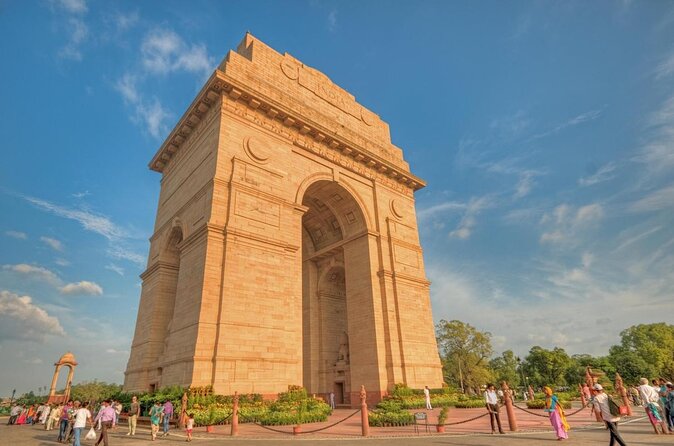
You also get a scenic drive along Rajpath, viewing prominent landmarks including Parliament House, President’s House, and India Gate. Then the day ends at Qutub Minar, a UNESCO World Heritage Site, with about two hours.
I like that Qutub Minar gives you a clear visual climax. It’s a monument that rewards paying attention to scale and design details, and the UNESCO framing helps you understand why it’s important.
Day 2 to Agra: Taj Mahal and Agra Fort
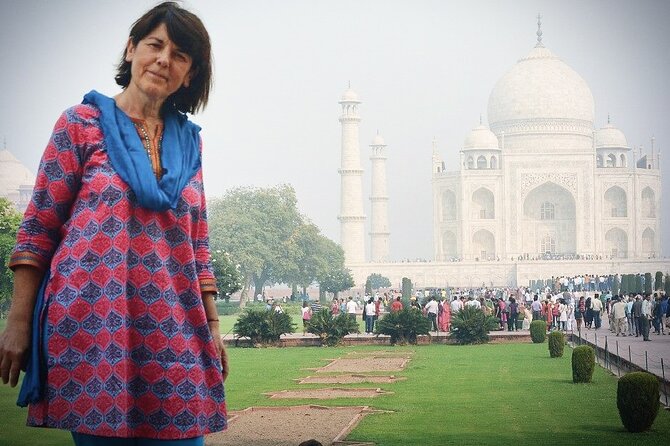
Day 2 is built around two heavyweight Mughal-era sights: the Taj Mahal and Agra Fort. It’s an all-in-one Agra day, so you don’t just see the headline monument. You also see the fortress world it was connected to.
The Taj Mahal, guided for meaning
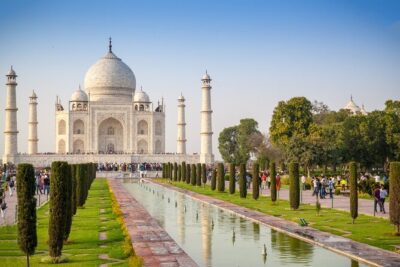
The Taj Mahal is timed as a major stop (about two hours) with admission included. You’ll learn the story of Emperor Shah Jahan commissioning it in memory of Mumtaz Mahal, and the monument’s Mughal architecture. Even if you’ve seen photos a hundred times, seeing it in person with context changes how it lands.
One practical tip for your own planning: plan to take breaks in your own pace. Don’t feel forced to race through. Two hours is a good window to look at the structure, then step back and take in its overall proportions.
Agra Fort for a bigger picture
After the Taj, you go to Agra Fort, about one hour with admission included. The fort is described as a grand riverside complex that served as a residence of Mughal rulers. It was started by Emperor Akbar around 1565 and later expanded by successors.
Why this pairing works: the Taj Mahal is emotional and iconic. Agra Fort helps you understand the political and architectural setting behind that world. Together, they make the day feel like more than a checklist.
Day 3 to Jaipur: Fatehpur Sikri and Chand Baori on the Road
Day 3 uses the travel time well. Instead of treating the road from Agra to Jaipur as dead time, you stop at two standout historical sites.
Fatehpur Sikri, the Ghost City stop
Fatehpur Sikri is scheduled for about two hours. You’ll visit the “Ghost City,” built from red sandstone by Emperor Akbar. It was abandoned after about 12 years, which is part of what gives the place its mood. It still feels medieval and monumental, even without the same level of daily activity as major modern cities.
This stop can be surprisingly atmospheric, but I’ll be honest: it’s also a lot of walking. If you’re someone who gets tired easily, pace yourself and bring water.
Abhaneri’s Chand Baori stepwell
Next comes Abhaneri and the famous Chand Baori stepwell, about 45 minutes with admission included. Chand Baori is described as a 9th-century sandstone marvel, and it’s one of those architecture features that looks simple until you see the scale.
What I like here is the contrast. After Taj and forts, you shift to something more functional and human, a stepwell tied to water use and engineering. It’s also a great photo opportunity because of the geometry.
Arrive in Jaipur and check in
After these stops, you continue to Jaipur and check in to your hotel. Since accommodation is included for four nights on a twin-sharing basis, you can treat the arrival day as a reset, not another long day of sightseeing.
Day 4 in Jaipur: City Palace, Jantar Mantar, and Hawa Mahal
Jaipur day is designed to show you variety in one outing: royal residence and museum pieces, a scientific observatory, then the city’s most recognizable façade.
City Palace of Jaipur
You visit City Palace with about an hour included. This complex houses the Maharaja’s private chambers and a museum with collections including carpets and miniatures. Even if you’re not a dedicated museum person, miniatures and textiles can be a strong way to understand how power and taste showed up in everyday royal life.
Jantar Mantar: astronomy in stone
Next is Jantar Mantar, scheduled for about 30 minutes. It’s a 17th-century astronomical observatory, known for instruments including a 27-meter sundial for precise timekeeping.
Short time here, but it works because the observatory is built for quick understanding. You can learn how these instruments were meant to measure time and position, then see how the ideas translate into real objects you can stand near.
Jaipur markets time, plus Hawa Mahal photo stop
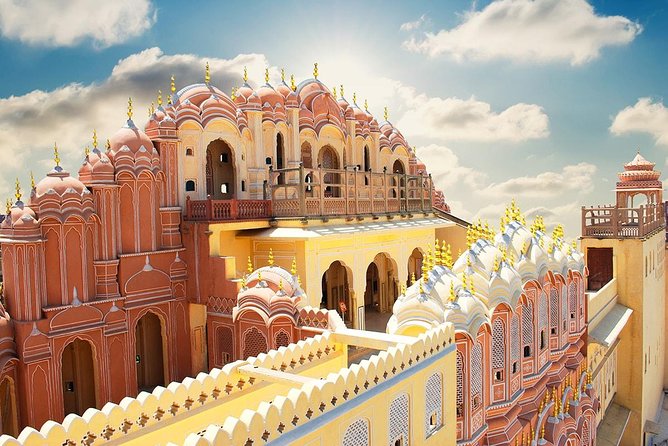
After Jantar Mantar, you also get time for Jaipur markets, described as famous for textiles. Then you do a photo stop at Hawa Mahal, the Palace of Winds, known for its intricate lattice windows and iconic façade.
Hawa Mahal is only about 15 minutes in this plan. That’s enough for photos and a visual appreciation, but it’s not meant to be your deep time at the site. If Hawa Mahal is the reason you booked this trip, you might want to add extra time in Jaipur on your own after the tour ends.
Day 5 Back to Delhi: a Smooth Finish
Day 5 is departure. After breakfast, you leave for Delhi, and you’re dropped at your hotel or the airport, with the drive taking about five hours.
This kind of ending is practical. You’re not stuck in a long sightseeing day on your final day, and you have a predictable wrap-up that helps with flights and onward travel plans.
Value for Money: What You’re Really Paying For
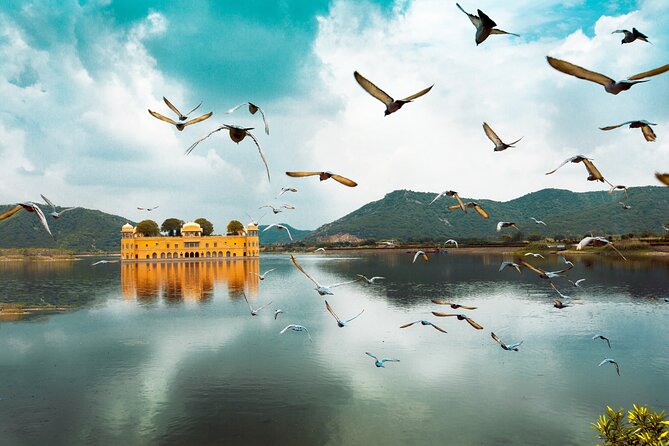
At $769 per person for a 5-day, 4-night private tour, the headline price hides the real story: this cost bundles multiple “separate costs” into one plan.
Here’s what you’re getting that usually costs extra if you arrange it alone:
- Private air-conditioned car with hotel pickup and drop-off
- Professional English-speaking guide for sightseeing
- Entrance fees for the included monuments
- Rickshaw ride in Old Delhi
- Two bottles of water per traveler per day
- Accommodation for four nights on a twin-sharing basis
So the question isn’t just whether you’re paying a lot. It’s whether the trip reduces your stress, your planning time, and your risk of wasting hours. For many people, that’s exactly what this itinerary is designed to deliver.
You should also think about your travel style. If you love markets and shops and don’t mind side trips, this plan could feel very comfortable. If you want a more direct line from monument to monument, you’ll want to keep a close eye on the amount of optional time spent in commercial areas.
One Real Consideration: Set Expectations About Shops and Stops
A less positive note in the feedback points to a guide style that included shop visits, with added time and shopping pressure. There was also a mention of being guided to a restaurant where costs were high.
I can’t generalize that experience to every day or every guide, but it’s enough to treat as a real consideration. If you’re booking for history and monuments first, I suggest doing two things:
- Ask your guide what is essential versus optional, before the day starts.
- Tell them clearly that you want to keep time for sightseeing, not shopping.
Most tours run smoothly when both sides agree on priorities, and this is one of those cases where communication pays off.
Who This Tour Fits Best
This private Golden Triangle tour is best for:
- First-time visitors who want a confident plan and guided context
- Travelers who dislike logistics and want a private car
- People who want a balanced mix of Delhi culture, Agra icons, and Jaipur landmarks
It may not be ideal if:
- You strongly prefer flexible, no-schedule travel
- You want to spend long hours in just one city rather than cover all three
Should You Book This Golden Triangle Tour?
I’d book it if you want an efficient, guided way to see the Golden Triangle with entrance fees and transport handled. The structure makes sense, and the biggest sights are covered with guided time, not just quick photo stops.
I’d pause and ask questions before booking if you know you dislike any shop or market pressure, or if you want extra time in Jaipur beyond City Palace, Jantar Mantar, and Hawa Mahal.
If your goal is less stress and more looking, this itinerary is a strong match.
FAQ
What cities are included in this Golden Triangle tour?
It covers Delhi, Agra, and Jaipur over about 5 days with 4 nights of accommodation.
How long is the tour and how many nights are included?
The duration is approximately 5 days with 4 nights included.
What is included in the price?
Your package includes accommodation on a twin-sharing basis, a private air-conditioned vehicle for transfers and sightseeing, a professional English-speaking tour guide, monument entrance fees, a rickshaw ride in Old Delhi, hotel pickup and drop-off, two bottles of water per traveler per day, and applicable taxes.
Are entrance fees included for the main sights?
Yes. Monument entrance fees are included as per the program.
Are meals included?
Meals and beverages are not specified as included, so you should plan to cover meals separately.
Is international airfare included?
No. International flights are not included.
What time does the tour start, and how is it timed on day 5?
The start time is 9:00 am. On day 5, after breakfast, you depart for Delhi and are dropped at your hotel or the airport, with the drive taking about 5 hours.
More Tour Reviews in New Delhi
Not for you? Here's more nearby things to do in New Delhi we have reviewed








More Delhi City Tours to consider.
 ★ 5.0Old & New Delhi City Tour – Half or Full Day Options AvailableTickets from $384,811 traveller reviews
 ★ 5.0Same Day Taj Mahal, Agra Fort & Baby Taj Tour from Delhi by CarTickets from $624,304 traveller reviews
 ★ 5.0Taj Mahal Day Tour from Delhi by Superfast Train – TOP RATED TOURTickets from $1004,166 traveller reviews
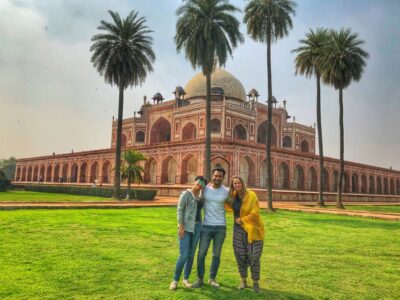 ★ 4.9Old and New Delhi Private Full or Half-Day TourTickets from $23,776 traveller reviews
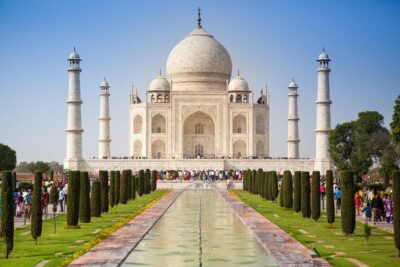 ★ 5.0Full Day Taj Mahal, Agra Fort & Baby Taj Tour from Delhi by CarTickets from $623,647 traveller reviews
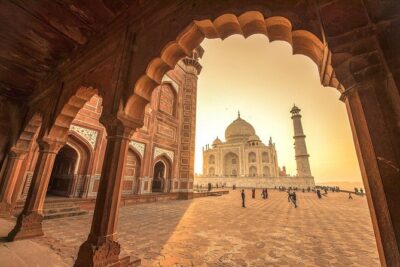 ★ 4.9From Delhi: Taj Mahal & Agra Private Day Trip with TransfersTickets from $43,181 traveller reviews
 ★ 5.0Taj Mahal Tour from Delhi by Express Train (Viator Award Winner)Tickets from $752,849 traveller reviews
 ★ 5.0All Inclusive Private Taj Mahal Luxury Tour from Delhi by CarTickets from $622,564 traveller reviews
More useful Delhi routes