
Review · DELHI CITY TOURS
Delhi: Old Delhi Slum Tour by Metro or Car
Walking through Old Delhi’s Shadipur area can feel like stepping into real life. What makes this tour worth it is the way it stays safe, respectful, and non-intrusive while showing you daily routines, local micro-industries (especially garment work), and the community support systems that help people get by. I like that you learn from a guide with first-hand connections, including locals like Aamir and Sunny, who explain what the neighborhood is like from the inside. One thing to consider: the area can be dirty at street level, so you need solid closed-toe shoes and patience for a no-frills walking pace.
You’ll move through narrow lanes with a private local English-speaking guide, with optional tuk-tuk or hotel pickup depending on your booking option. Plan on a thoughtful, conversation-heavy visit, not a photo safari, because there’s a strict no-photography rule to protect residents’ privacy.
Key Takeaways Before You Go
- Meet at Sadipur Metro near Burger King, which makes the start easy and avoids complicated directions.
- Community center stop for education and vocational training, plus informal chats with local members.
- Micro-industries on display, with garment work highlighted as a major local livelihood.
- Home visit and chai culture, where you’ll hear routines, aspirations, and everyday challenges.
- Artisans and a small business workshop visit, so your shopping (if you choose) directly supports livelihoods.
- No camera, modest clothing, and closed-toe shoes keep the experience respectful and practical.
Meeting at Sadipur Metro: Your First Step Into Old Delhi
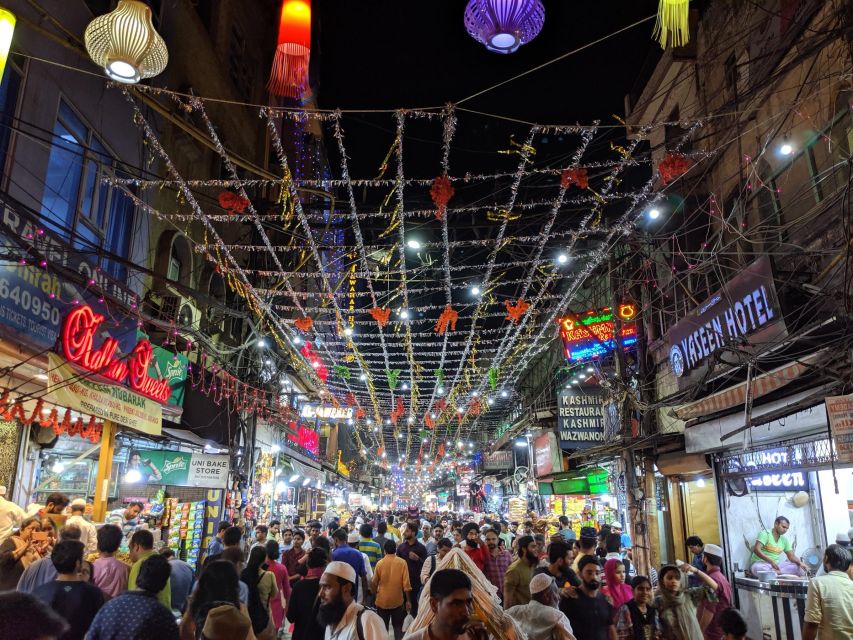
The tour starts at Sadipur Metro Station near Burger King, which is a smart choice for orientation. Metro hubs are busy, familiar places, and starting here helps you avoid getting lost in confusing side streets before the tour even begins.
From there, your guide sets the tone quickly. You’ll get a short introduction to Old Delhi and specifically the Sadipur slum area. The goal is not to shock you, not to turn it into a spectacle. It’s to give you a grounded view of how people live, work, and support each other day to day.
If you’re going solo, this kind of meeting point matters. It’s clear where to be, and you’re not left trying to figure things out with a smartphone in hand while navigating a dense neighborhood.
You can also read our reviews of more tours and experiences in New Delhi.



What Makes This Tour Work: Privacy, Modesty, and a Strict No-Photography Rule
This is the part that separates a respectful local experience from something that feels invasive.
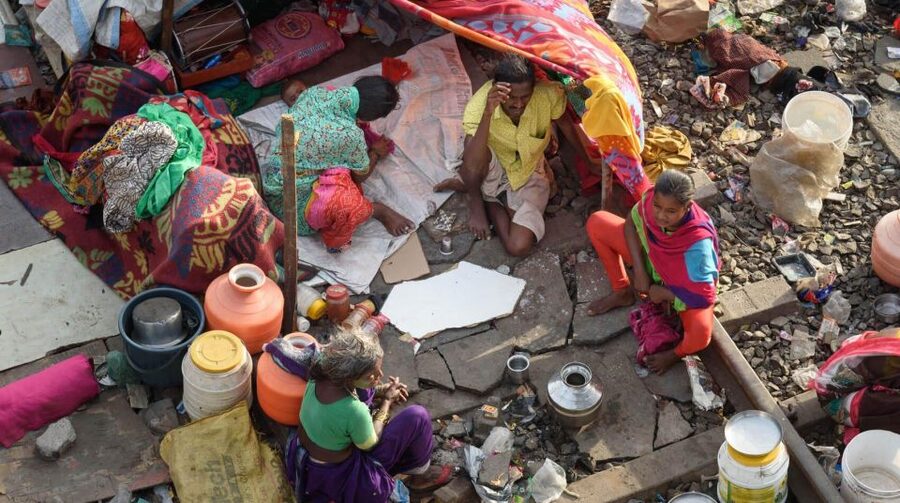
The tour has a strict no-photography policy. That means no cameras, and you should assume your phone camera should stay out of sight too. If you show up planning to take lots of pictures, you’ll miss the point. The better approach is to bring curiosity, not a lens.
Dress code is also part of respect. Wear modest clothing. That usually means no low-cut tops, no sleeveless shirts, and no short shorts. Closed-toe walking shoes are essential because some parts of the area can be dirty, particularly during the monsoon months from June to mid-September.
One more practical tip: carry hand sanitizer or tissues. It’s a small thing that saves you when you’re in and out of tighter spaces and street-level stops.
Community Center Stop: Where Education and Training Meet Real Needs
About a third of your time is spent at a local community center. This isn’t just a building you walk past. It’s presented as a hub for social activities, and you’ll learn how it supports education and vocational training.
What I like about this stop is the perspective it gives you. It shifts the conversation away from only hardship and toward solutions people are building themselves. You get to see how community programs can help with skills, stability, and opportunity, especially for children and working-age residents.
You’ll also have chances to meet community members for informal conversations. That part can be surprisingly meaningful because it’s not a lecture. You’ll usually get a more human picture when people explain what they’re doing, what they hope for, and what problems they’re trying to solve.
Walking the Narrow Lanes of Shadipur: Daily Life, Street Work, and Micro-Industries
Next comes the walk through narrow lanes for around 40 minutes. This is where the neighborhood becomes vivid in your senses: street vendors, children playing, and the rhythm of daily routines.
The tour is designed so you learn what’s happening around you instead of just seeing it. Your guide points out challenges and opportunities that residents face, and the focus includes local micro-industries that support family income.
A big theme is garment work. In many Indian cities, clothing production isn’t just one factory. It’s a chain of smaller jobs connected to sewing, embroidery, cutting, finishing, and packaging. When your guide points to what happens at street level and explains how people manage to earn through small operations, you start to see how an economy forms without the shiny labels.
Also, this walk is meant to be safe and non-intrusive. You should still move with awareness. You’re in someone’s neighborhood, not a theme park. Keep your voice normal, stay with the group, and follow your guide’s cues about where to pause and when to continue.
Visiting a Local Home: Hospitality, Routines, and Real Aspirations
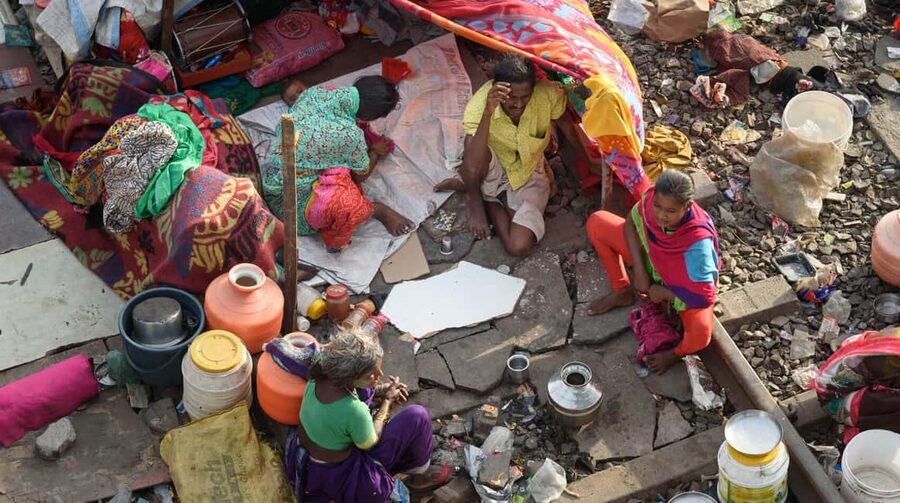
You’ll spend about 20 minutes visiting a local family home. This stop is the heart-and-soul part of the tour because it’s where daily life becomes personal.
Expect a discussion about routines, aspirations, and challenges. That conversation style matters. The tour is framed as understanding daily life, not as turning someone’s struggles into your entertainment.
You might also experience Indian hospitality in the form of chai or another warm drink. Some guides, including Sunny in past experiences, have brought visitors into family settings for tea, and that kind of shared moment helps you relax enough to ask real questions.
One caution: you’ll want to approach the home visit with humility. Ask permission where appropriate, keep interactions respectful, and don’t push for sensitive details. The tour works best when you treat the home as a living space, not a set.






Artisans and Workshops: Learning Craft Skills and Supporting Livelihoods
About 10 minutes are set aside for interacting with local artisans at their workshops. The crafts can include traditional work like embroidery or pottery, depending on what’s available at the time of your visit.
This is a valuable segment because it connects what you saw in the lanes to hands-on skill. Garment work is often tied to stitching and finishing, while crafts like pottery or embroidery show how training and practice keep livelihoods alive.
You may get the option to purchase handmade souvenirs. If you want to support livelihoods, this is one of the places where your money has a more direct effect. If you don’t want souvenirs, you can still treat the visit as education and conversation, and let the crafts do the talking.
Just remember the overall rule: follow your guide on what’s appropriate, especially around filming or close-up attention.
Small Business Visit: Entrepreneurship as an Everyday Survival Tool
Another short stop, about 10 minutes, focuses on a small business run by a resident of the area. This segment explains how entrepreneurship plays a role in improving livelihoods.
Why this matters: it doesn’t frame the neighborhood as only dependent on outside help. You get a glimpse of initiative at street level, where people try to stabilize income through small, practical operations.
There’s sometimes an optional purchase. Again, if buying something is part of your plan, do it thoughtfully. Ask what the item is, confirm pricing clearly, and only take what you truly want. Your goal is support, not grabbing a souvenir and moving on.
Duration, Transport, and What to Pack for a 2-Hour Tour
The tour runs about 2 hours, which is long enough to cover multiple stops but short enough to keep the pace manageable.
Transport depends on your selected option:
- You may get a tuk-tuk ride.
- If hotel pickup is booked, you’ll likely have a ride there and back.
- The walking portion still includes narrow lanes, so you should treat this as a real walking experience.
What to bring:
- Comfortable closed-toe shoes
- Hand sanitizer or tissues
What to avoid:
- Camera gear, since no-photography is required
- Alcohol or drugs, since they’re not allowed
- Clothing that’s too revealing, because modest dress is required
One more practical point, based on real-world experience reported with the tour: different transport options can feel more or less comfortable. If you’re sensitive about cramped seating or long drives, double-check which option you’re booking and be prepared for a basic, functional ride.
How the Guides Shape the Experience: Aamir and Sunny’s Style
A big reason this tour earns very high ratings is the guide connection. Names like Aamir and Sunny come up repeatedly in positive experiences, and their approach seems consistent: first-hand local knowledge, a friendly tone, and an emphasis on safety and etiquette.
You’ll likely hear details you would not get from a generic script. For example, guides with strong local ties often know who to introduce you to and how to guide conversations so they feel natural rather than awkward.
Some guides also run or support programs for kids, and during a visit you may encounter children participating in learning or after-school activities. That can be one of the most uplifting parts of the tour, because you see community energy, not just hardship.
Still, keep expectations grounded. This is about learning how life works here. It’s not a performance, and you should follow your guide’s lead on how much interaction is appropriate in each setting.
Is This Tour Worth $19? Value That Makes Sense
At about $19 per person for a roughly two-hour experience, you’re paying for a local guide, structured stops, and the in-neighborhood access that would be hard to replicate on your own.
Here’s what makes the price feel fair:
- You get a private guide and a local English-speaking perspective.
- You’ll have water or a cold drink included.
- Depending on your booking option, you may also get tuk-tuk transport or hotel pickup and drop-off.
- You visit multiple places in one short time frame, including a community center, a home, and workshops or small business stops.
The real value is how it reframes the city. You come away with a clearer sense of social and economic realities and, importantly, the community systems trying to improve day-to-day life.
The main value trade-off is time and focus. You cannot treat this like a casual stroll where you stop for photos whenever you want. You’re there to listen, observe, and ask respectful questions.
Who Should Book This Old Delhi Slum Tour, and Who Should Skip It
This tour is a strong fit if you:
- Want an education-first experience focused on real daily life
- Prefer guided context over wandering alone
- Travel with curiosity and respect, and you’re comfortable in a working neighborhood
- Are okay with a no-camera policy and modest dress requirements
Consider skipping or choosing a different style of tour if you:
- Need frequent photo stops or want lots of formal sightseeing photo angles
- Get uncomfortable with street-level conditions or messy, narrow walkways
- Expect a theme-park smooth itinerary with the exact same stops every time
Even with a well-run tour, the flow can shift based on what’s accessible or appropriate at the moment. The best mindset is flexibility.
Should You Book It? My Decision Shortcut
Book it if you want Old Delhi that goes beyond monuments and you like conversations with real people. The combination of a community center, a home visit, artisans, and a small business creates a complete picture of how livelihoods and support networks connect.
Don’t book it if you’re chasing photos or you’re not comfortable with the basics: modest clothing, closed-toe shoes, no photography, and a respectful approach inside homes and workshops.
If you’re ready for that mindset, this is one of the most meaningful ways to spend two hours in Delhi. You’ll leave with a sharper understanding of how people build work, community, and dignity in the middle of daily pressure.
FAQ
Where do I meet for the Old Delhi slum tour?
You meet at Sadipur Metro Station near Burger King.
How long is the tour?
The tour duration is about 2 hours.
What is included in the price?
Included features can include a private guide, a local English-speaking guide, water or a cold drink, and a tuk-tuk ride if that option is booked. Hotel pickup and drop-off are included only if you select that option.
Are hotel pickup and drop-off available?
Yes, hotel pickup and drop-off are included if you book the option that offers them.
Is the tour wheelchair accessible?
Yes, it is listed as wheelchair accessible.
Are cameras allowed?
No. There is a strict no-photography policy, and you’re asked not to carry your camera on this activity.
What should I wear and bring?
Wear modest clothing and comfortable closed-toe walking shoes. Bring hand sanitizer or tissues. Also, skip alcohol and drugs, since they’re not allowed.
What languages are the tours offered in?
The live tour guide is available in English, German, and Hindi.
Is cancellation free?
Free cancellation is available up to 24 hours in advance for a full refund.
More Tours in New Delhi
More Tour Reviews in New Delhi
Not for you? Here's more nearby things to do in New Delhi we have reviewed











More Delhi City Tours to consider.
 ★ 5.0Old & New Delhi City Tour – Half or Full Day Options AvailableTickets from $384,811 traveller reviews
 ★ 5.0Same Day Taj Mahal, Agra Fort & Baby Taj Tour from Delhi by CarTickets from $624,304 traveller reviews
 ★ 5.0Taj Mahal Day Tour from Delhi by Superfast Train – TOP RATED TOURTickets from $1004,166 traveller reviews
 ★ 4.9Old and New Delhi Private Full or Half-Day TourTickets from $23,776 traveller reviews
 ★ 5.0Full Day Taj Mahal, Agra Fort & Baby Taj Tour from Delhi by CarTickets from $623,647 traveller reviews
 ★ 4.9From Delhi: Taj Mahal & Agra Private Day Trip with TransfersTickets from $43,181 traveller reviews
 ★ 5.0Taj Mahal Tour from Delhi by Express Train (Viator Award Winner)Tickets from $752,849 traveller reviews
 ★ 5.0All Inclusive Private Taj Mahal Luxury Tour from Delhi by CarTickets from $622,564 traveller reviews
More useful Delhi routes