Review · NEW DELHI
Essence of magnificent India and Nepal
India and Nepal in one trip can feel like speed dating. This one works because you get AC private transport plus a simple nightly base, then hit the big cultural hits without the admin headache. I like that the package is practical, with 3-star hotels with ensuite bathrooms and an all-inclusive breakfast each day, so you are not hunting meals before every next stop.
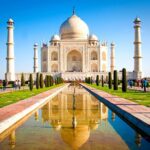
My favorite part is the day-by-day pacing. You get a real taste of Old Delhi with a rickshaw ride, then a sunrise Taj Mahal moment, plus the Ganga Aarti and a Varanasi boat ride that turns the river into the main character. The only thing to watch is intensity and logistics: the schedule is packed, and you may need to stay on top of timing and meeting points rather than expecting everything to be completely hands-off.
One more thing I’d flag is budgeting. The tour price is solid, but monument entry tickets are not included, and Nepal has a separate visa cost. If you plan ahead, this tour can be excellent value for a two-country run.
Key highlights you should care about
- Delhi by rickshaw and faith sites: Old Delhi highlights plus major temples and a free look at Sikh community food at Gurudwara Bangla Sahib.
- Taj Mahal at sunrise with a guide: A planned early start, then breakfast back at your hotel.
- Varanasi river moments: Ganga Aarti and a boat ride timed for seeing the ghats and temples from the water.
- UNESCO temple stops that fit the route: Amber, Fatehpur Sikri, Khajuraho, and multiple Kathmandu Valley squares.
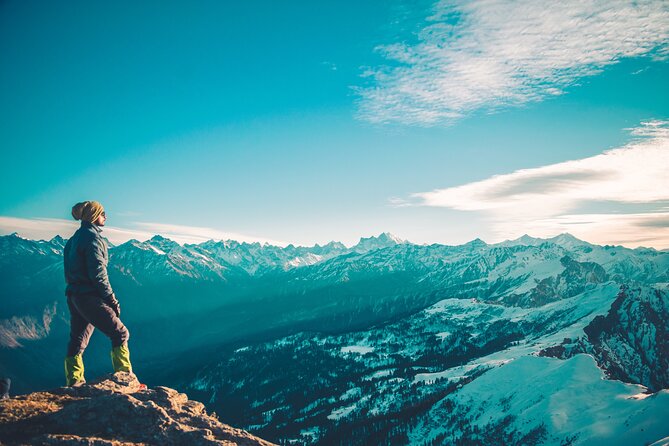
- Nepal adds calm after the rush: Lumbini for Buddhist pilgrimage, then Pokhara for lakes and sunrise views from Sarangkot.
AC comfort plus real local guides, from Delhi to Kathmandu
This is a fast 17-day route that strings together New Delhi, Jaipur, Agra, Orchha, Khajuraho, Varanasi, Lumbini, Pokhara, and Kathmandu. The reason it works for many people is that your transportation is handled end to end with an AC private vehicle and a personal English-speaking driver. You are not trying to coordinate buses, taxis, and ticket lines while also absorbing a new country.
Each night is a three-star hotel with an ensuite bathroom, and breakfast is included daily, plus bottled water. That might sound basic, but in India and Nepal it matters. When your days start early, a guaranteed breakfast makes the whole trip feel less chaotic.
Local guides are included in most destinations. That is one of the best ways to make the sights click fast, because you get the background without needing to study guidebooks for weeks first.
You can also read our reviews of more tours and experiences in New Delhi.

A practical note on expectations
This is not a slow, wandering trip. It is a highlights sprint. If you love reading about every inscription for hours, you might feel rushed. If you like seeing a lot and learning just enough to appreciate what you’re looking at, you’ll probably enjoy the flow.
Also, you’ll see both places where entry is marked free and places where tickets are not included. The tour gives you a mix, but you still need to budget for monument fees.
Delhi rickshaw ride, Akshardham, and Old Delhi’s big religious streets
Delhi is your warm-up day. You start with a pickup from your hotel or another central location, then head to Swaminarayan Akshardham. It’s a modern Hindu temple complex, and the schedule makes time for it right after you freshen up.
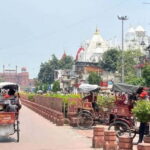
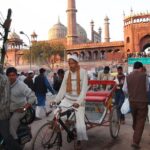
Next comes the Old Delhi contrast: Jama Masjid. The route includes a rickshaw ride through the busy market area, with a stop to see the Jama Masjid and surrounding monuments. This is one of the most fun “feel the city” moments, because you are not stuck watching Delhi from a vehicle window. You are moving with the street rhythm.
After that you hit the classic historical points: a photo stop at the Red Fort, then Raj Ghat, Mahatma Gandhi’s cremation site. The day rounds out at Gurudwara Bangla Sahib, a popular Sikh temple where you can also see how meals are prepared at scale for thousands of people each day.
Day 2 keeps the religion and architecture rolling
Day 2 is New Delhi sights in a cleaner, spaced-out style. You start at India Gate and the diplomatic district, then go to the Lotus Temple, shaped like a lotus flower and open to people of all beliefs. From there it is Mughal and UNESCO stops like Humayun’s Tomb and Qutub Minar, followed by a relaxing break at Lodhi Garden.
What I like here is the mix: big monuments, then a green pause. Lodhi Garden is where you reset your eyes after all the stone and detail.
One thing to plan for
Day 1 and 2 are packed with walking and street movement. Bring water, wear comfortable shoes, and dress for temple and mosque visits. The trip explicitly asks for arms and legs covered, so plan outfits accordingly.
Jaipur: Amber Fort, Hawa Mahal, City Palace, and a fun monkey stop
Jaipur starts with a quick detour to a “Monkey Temple” area, where you will see a temple complex with monkeys around. If you do not like animals getting close, keep your distance and keep food secure. This stop is short, but it sets the playful tone before the royal sights.
Then it’s Amber Palace (Amber Fort). You spend time exploring the fort palace set among hills. This is the kind of place where a guide helps, because the architecture and defensive layout are easier to appreciate when someone explains what you are seeing.
From Amber you have photo stops like Jal Mahal, the water palace view. Then you get the iconic Hawa Mahal, the Palace of Wind with those many tiny windows. The schedule notes a chance for interior viewing, which is nice because photos outside do not always tell the whole story.
You also visit the City Palace of Jaipur for museum and royal exhibition time, plus Royal Gaitor Tumbas for quiet views among the hills. That quiet stop matters. After the big photo moments, you get a break from crowds and a calmer feel.
The Jaipur value of this day
This itinerary covers major Jaipur icons without turning your day into a nonstop photo sprint. You get both the flashy facades and the deeper palace time. If Jaipur is one of your top priorities, this route gives it enough attention.
Agra and the Taj Mahal sunrise, plus Fatehpur Sikri and Agra Fort
Your route to Agra includes Fatehpur Sikri Fort, a palace complex in an abandoned city. It is a strong way to break up the drive and add UNESCO flavor before you reach Agra.
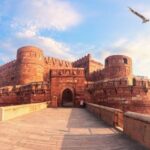
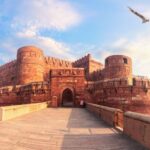
In Agra, you visit Agra Fort with a professional guide. Forts are often overlooked in favor of the Taj Mahal, but this makes it worth your time.
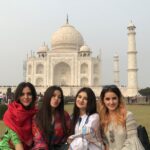
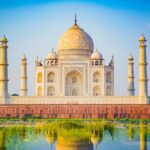
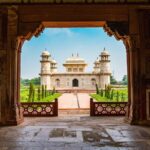
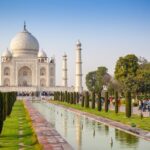
Then comes the highlight: the Taj Mahal at sunrise with a guide. The schedule calls for sunrise, then breakfast back at the hotel. That early start is not just for nice light. It also reduces the chance you will feel like you are inside a photo line.
After Taj Mahal, the pacing shifts toward a quieter vibe with a drive onward to Orchha.
The tradeoff
Sunrise means an early wake-up. If you hate mornings, this is your day to work on your coffee game. But if you love iconic monuments at the start of the day, this is built for you.
Orchha and Khajuraho: fort views, then temple carvings
Orchha is a welcome change of tempo. You drive there after breakfast and visit local sightseeing, with a focus on medieval palaces and temples. You then return again the next day for more Orchha time, including a stop at the Rama temple and a palace viewpoint.
This two-day Orchha rhythm is smart. You are less likely to feel like you saw it once and forgot it ten minutes later. Orchha gives you a more relaxed feel compared with the heavier history days.
Then you go to Khajuraho for the UNESCO temple complexes. The schedule specifies both the western and eastern complexes, and you get a longer block of time here (about half a day). Khajuraho is one of those places where a guide helps you separate what is decorative from what is meaningful.
Don’t skip the guide here
Temple carvings can look like “just sculpture” unless you know what themes to look for. Since the tour includes local guides in key destinations, you can actually appreciate the details instead of just moving from platform to platform.
Varanasi: Ganga Aarti and a boat ride that changes how you see the ghats
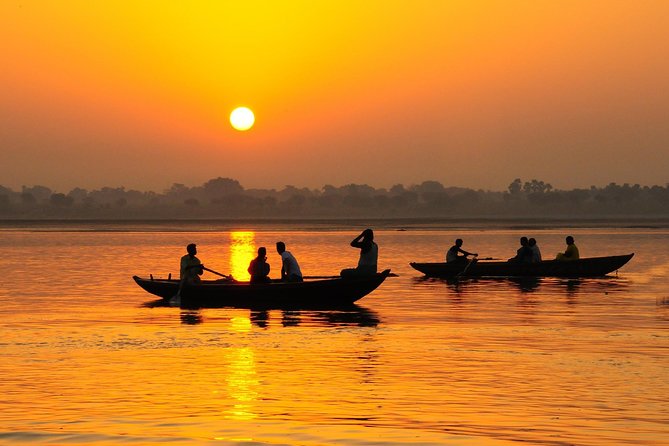
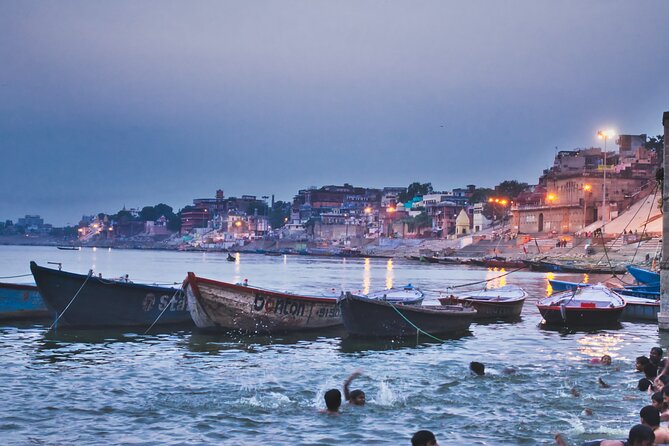
Varanasi is where the trip gets emotional and cinematic. You start with Ganga Aarti, a ceremony of offering fire to the gods along the Ganges river. The schedule gives you about two hours for it, which is enough time to find a good view and settle into the moment.
Then you get the Varanasi boat ride. The tour includes a morning boat ride in the included list, and the itinerary spells out boat time on the river with views of ghats, temples, and cremations. This is a very different angle than standing on the river steps, and it is one of the best ways to understand Varanasi’s layout.
After the river time, you go to Sarnath, linked to Buddha’s first sermon. You also visit Dhamek Stupa and the Sarnath museum area. The schedule includes a nearby mosque stop as well, Alamgir Mosque, for another slice of Varanasi’s religious mix.
The practical side of river cities
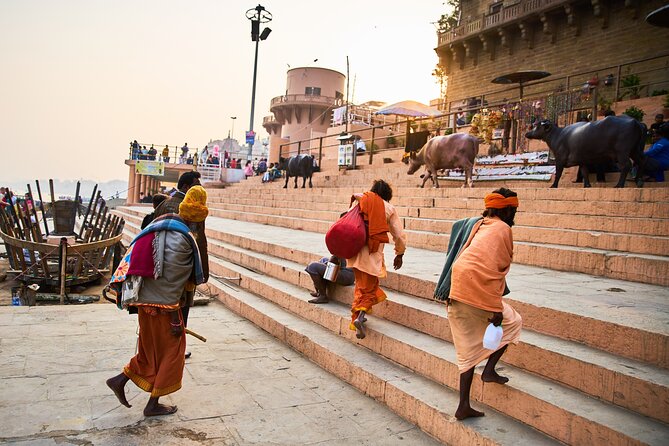
Riverfront days can mean lots of steps and strong smells. Wear breathable clothes, keep water handy, and expect crowds near major ceremonies. If you want the boat ride, be on time, because these moments do not wait for late arrivals.
Nepal entry: Lumbini for pilgrimage, Pokhara for mountain gateway vibes
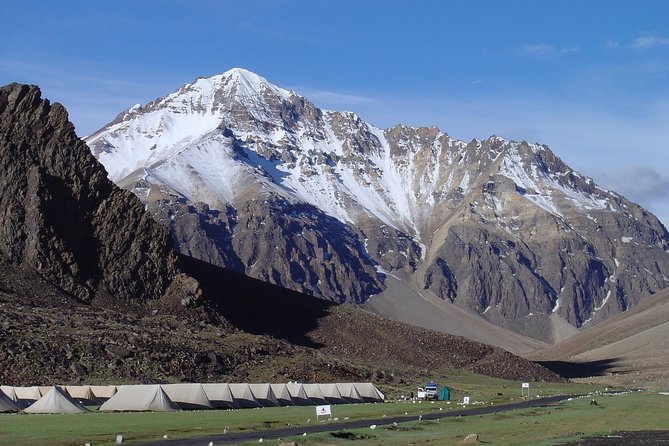
Crossing into Nepal happens after breakfast on day 11. The tour notes that you will cross the border with Nepal and that you should prepare one passport picture and USD 30. That’s a key practical point. It’s also a reminder to keep your documents organized in one place.
In Lumbini, you visit the Lumbini Zone, a Buddhist pilgrimage site tied to tradition about Queen Mahamayadevi. Admission here is listed as free, which is a nice win for your budget. You get about two hours on the site.
Then you travel onward to Pokhara, described as a gateway to the Himalaya. Pokhara is your decompression city. You trade dense temple streets for lakes, hills, and more room to breathe.
Pokhara by boat, Devi’s Fall, and Bindhyabasini Temple
Pokhara days include a mix of nature and old city feel. You start at Phewa Tal for a boat ride, with views toward the Himalayan peaks of the Annapurna massif. There’s also a stopover at Varahi temple as part of the timing.
Then you visit Devi’s Fall, where the water forms a tunnel after reaching the bottom. The itinerary lists admission as not included for this stop. Next is Bindhyabasini Temple, described as one of the city’s oldest temples, with devotion from locals and foreigners alike. That one is marked free in the schedule.
This combination gives you variety. Boat on a calm lake, then a dramatic waterfall, then a temple where you can see everyday religious life.
Sarangkot sunrise trekking, then back to Kathmandu
On day 14 you do a moderate trek in the morning to Sarangkot for sunrise views. It’s described as moderate and takes about four hours, so treat it as proper morning exercise, not a quick stroll.
Then you drive to Kathmandu, and the evening is at leisure. That leisure time is valuable here. After two countries of nonstop sightseeing, you get a chance to eat, wash up, and let your body adjust.
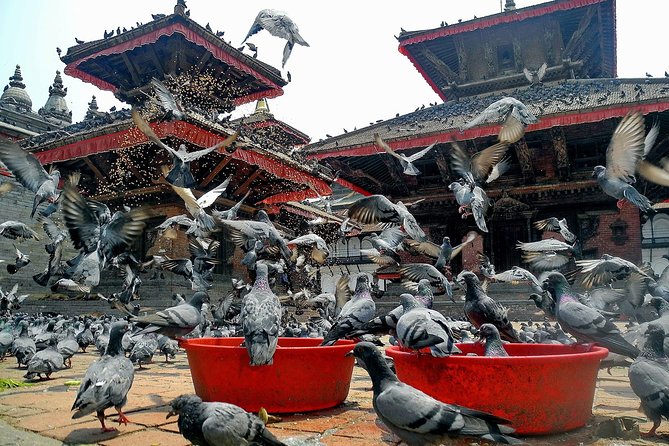
Kathmandu Valley: Durbar Square, Swayambhunath, Pashupatinath, plus Patan, Bhaktapur, and Boudhanath
Kathmandu and the Kathmandu Valley sites are split into two heavy days, starting with Kathmandu Durbar Square, the old royal palace area. From there you go to Swayambhunath, an important Buddhist worship site with the famous Buddha eyes on the stupa. That stop is marked free.
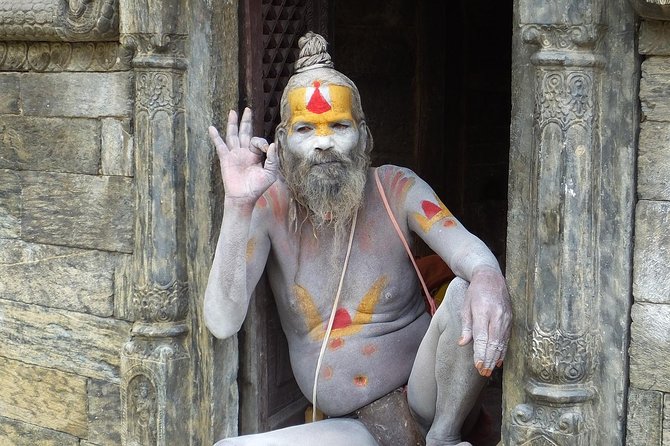
Next is Pashupatinath, the major Hindu pilgrimage site dedicated to Shiva on the banks of the Bagmati river. That is also listed as free.
The next day expands beyond Kathmandu into the valley. You visit Patan (Lalitpur) Durbar Square for ancient temples and shrines with carved detail, then go to Bhaktapur for its medieval preserved character. Finally you visit Boudhanath Stupa, described as the largest spherical stupa in Nepal and the world, with the gompas of Tibetan refugees. Admission is listed as not included for that final stop.
Why this grouping works
These places are close enough that you can do them in a few days, and they feel connected. You end up seeing how Buddhist and Hindu traditions shape daily life and architecture across the valley.
Price and value: what $580 does, and what costs extra
The advertised price is $580 per person, for about 17 days. That base cost includes several things that are hard to piece together yourself: AC private vehicle transport, local guides in key cities, hotel nights with ensuite bathrooms, daily breakfast, pickup and drop-off in Delhi, and the included international flight from Kathmandu to Delhi.
It also includes Varanasi boat ride (morning and evening are listed in the included section), and it includes the Delhi rickshaw ride. Those are the kind of items that often disappear from budget DIY travel plans.
But plan your budget for add-ons:
- Meals lunch and dinner are not included, so you will be paying as you go.
- Monument entry fees are not included, and there is an estimate listed: $200 per person for tickets to monuments.
- Nepal visa is not included, listed as $30 per person.
- Optional item: a Himalaya flight on request is not included.
If you add it up roughly, you are likely thinking closer to $810 per person before lunches and dinners, assuming you end up paying the monument estimate and the visa cost. That’s still workable because you also get the flight, hotels, and guiding help.
Where this tour feels like good value is in the balance. You get major sights in both India and Nepal without needing to constantly manage tickets, transport logistics, and guide bookings yourself.
The main drawback to plan around: staying organized
One big consideration is coordination. This tour is private for your group, but it still runs on a tight sequence of pickups, drives, and timed entries. The itinerary includes some “not included” monuments, some marked free, and enough variety that you will want to keep a clean mental checklist.
My advice: keep all your documents in one place and keep your meeting times visible. Also, since dress is required for temples and mosques with arms and legs covered, pack light layers that meet that rule. It will save you from last-minute shopping.
Who should book this India and Nepal highlights run
This tour fits best if you:
- want an organized two-country trip without doing separate planning for India and Nepal
- like history and culture but do not want to spend every day reading guidebooks
- can handle early starts, especially for sunrise Taj Mahal and the Sarangkot sunrise trek
- appreciate having local guides in key destinations
You might want a different style of trip if you:
- hate structured schedules and prefer slower days
- want food included beyond breakfast, because lunch and dinner are not part of the package
- want every entry fee fully included, because the tour estimates monument tickets separately
Should you book Essence of magnificent India and Nepal?
I’d book it if your goal is simple: see the big highlights of northern India and core Kathmandu Valley and do it with comfort. The combination of Delhi rickshaw, sunrise Taj Mahal, Varanasi river time, and Nepal’s Lumbini plus Pokhara plus Kathmandu gives you a complete arc.
If you do book, budget for entries and lunch and dinner. Pack for temple dress. And be ready for a lot of movement in a short time. Done that way, this trip is a smart value for a packed, memorable India to Nepal showcase.
FAQ
Is pickup offered in Delhi?
Yes. You get pickup from your hotel or another central location in Delhi, and the tour also includes pickup and drop-off in Delhi.
What kind of hotels are included?
You sleep in three-star hotels each night with an ensuite bathroom, as per the itinerary.
Is breakfast included?
Yes. An all-inclusive breakfast is included each day.
Are rickshaw and boat rides included?
Yes. The tour includes a Delhi rickshaw ride, and it includes Varanasi boat ride.
Are lunch and dinner included?
No. Lunch and dinner are not included.
Are monument entry tickets included?
No. Admission fees are not included, and there is an estimated total of $200 per person for tickets to monuments.
Do I need a Nepal visa, and is it included?
No. The Nepal visa is listed as $30 per person and is not included.
Is an international flight included?
Yes. There is one international flight from Kathmandu to Delhi, including listed baggage allowances.
What time does the tour start?
The start time is 8:00 am. The meeting point is Indira Gandhi International Airport in New Delhi.