
Review · DELHI CITY TOURS
Old Delhi: Khari Bawli – Asia’s Largest Spice Market
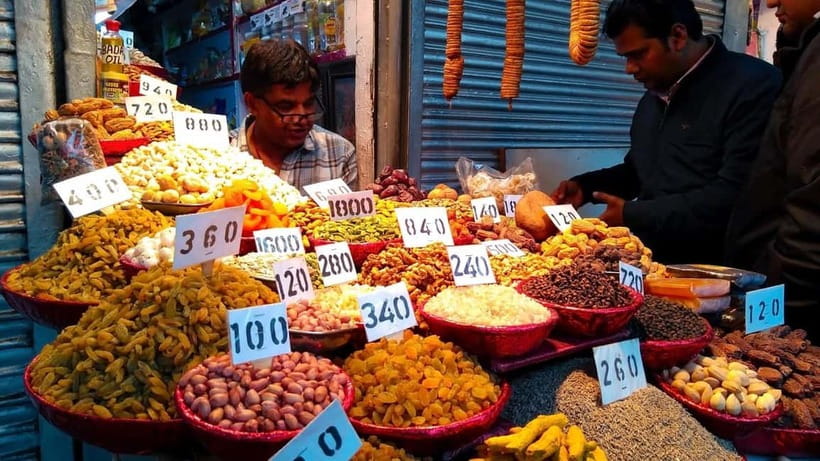
Spices hit you before you even settle in. Khari Baoli in Old Delhi is the place where the smells, colors, and daily trade of India’s spice world meet, and this guided walk turns that chaos into something you can actually understand. You get a private group, hotel pickup and drop-off, and a professional guide to help you make sense of what you’re seeing on Khari Baoli Road.
I especially like how the guide connects spices to real-life uses in Indian cooking and even traditional medicine, so you’re not just looking at jars and bags. I also like the practical extras, like tea sampling and help with translating if you want to buy spices. The one drawback to plan for is that you will be walking in the market area, so wear comfortable shoes and expect uneven, crowded lanes.
Key Points Worth Your Time
- Hotel pickup and drop-off in a private, air-conditioned vehicle so you do not waste time figuring out Old Delhi streets
- Expert English guide who explains how spices connect to cooking and traditional health practices
- Tea sampling and shopkeeper conversations for context, not just sightseeing
- Photo-friendly scenes with colorful spice piles and Old Delhi architecture
- Translation help for spice purchases if you decide to bring some home
- Private group pacing that makes it easier to ask questions and take breaks
Why Khari Baoli Feels Like a Living Pantry in Old Delhi
Khari Baoli is Asia’s largest spice market, and you can feel that scale fast. The street life around Khari Baoli Road is built around commerce, deliveries, and daily mixing, so the market doesn’t read like a museum. It reads like a working pantry you can walk through.
What makes this tour smart is that you are not left to guess what everything is. With a guide, you learn the names and uses of what you’re seeing, from spices and dried goods to herbs and teas. That turns your senses into useful information instead of just noise and smells.
You also get a clear Old Delhi framework. Your guide points out how this area supports Delhi’s culinary traditions and trade, which helps the market make more sense when you look at the architecture and the street rhythm.
You can also read our reviews of more shopping tours in New Delhi


3 to 4 Hours With Hotel Pickup, A/C Ride, and an English Guide
This is a half-day style experience, priced at $23 per person for about 3 to 4 hours. For that money, you’re not only buying a walking tour. You’re also getting private transport from your hotel in a private, air-conditioned vehicle, plus bottled water and light refreshments.
That matters in Old Delhi, where getting around can be more stressful than the walking itself. Starting with pickup means you spend more time in the market lanes and less time coordinating. Ending with drop-off also helps you avoid the common scramble once you’re done shopping, photographing, and smelling everything.
The guide is fluent in English, and support is listed in several additional languages (Spanish, French, German, Italian, Japanese, and Hindi). One helpful signal from past experiences is that a guide was able to handle German well and explain things clearly, including listening to guest preferences. If you travel with someone who is more comfortable in another language, this is a real advantage.
Walking Khari Bawli Road: Spices, Dried Goods, Herbs, and Teas
The heart of the tour is your walk through the market lanes. Khari Baoli Road is where the visuals and scents hit at the same time, so you’ll want to slow down and let the guide steer you.
Here is what you should expect in practical terms:
You’ll move through crowded storefronts and narrow lanes where you can see spices sold in different forms, dried fruits and herbs arranged for customers, and teas offered as both everyday items and specialty blends. Your guide explains what these items are used for in Indian cuisine, and you’ll also hear how people consider them in traditional medicine.
That combination is important. Spices here are not just souvenirs. They are ingredients and remedies in everyday life. Even if you do not plan to use them medicinally, understanding that context helps you appreciate why certain products are sold, blended, and discussed the way they are.
You’ll also get pauses for Old Delhi context. The tour includes time to notice architectural charm alongside the street life. This is where photos usually become more than random snapshots, because you’re learning what to frame: spice displays in front of older facades, street corners with signage and activity, and the overall flow of the market.
How the Guide Makes Traditions Make Sense (Not Just Sightseeing)
One reason this tour is worth it is the way the guide connects sensory details to meaning. You do not just hear that spices exist. You learn what they do, why they show up in certain stalls, and how they’re tied into culinary traditions.
In particular, the tour focuses on:
- Uses of spices in Indian cuisine
- How these items connect to traditional medicine practices
- The role of Khari Baoli Road in Delhi’s culinary and trade traditions
Even if you already like food, this approach helps you shop and eat with intention later. You start thinking in terms of flavor profiles and how blends are built, rather than treating spices like generic powders.
And because this is a private group, you can ask follow-up questions as you see something specific. That flexibility matters in a place like Khari Baoli, where you might notice a product and want to know exactly what it is and how it is typically used.
Tea Sampling and Conversations With Local Shopkeepers
A nice part of the experience is that you get to engage with local shopkeepers, not just look from the sidewalk. The tour includes time to sample exotic teas, and those small moments help break the market into manageable sections.
Tea sampling is useful for two reasons. First, it gives your nose and palate a reset while you’re moving through strong aromas. Second, it often comes with quick explanations about what you’re drinking and how people consume it, which ties back into the guide’s theme of everyday culinary traditions.
You’ll also get a chance to ask questions in real time. That is where you learn things you cannot get from a guidebook. You might find out what a shop recommends for certain tastes, what different teas are used for, or how people think about quality and freshness.
If you are the type who likes to understand what you are buying, this is one of the tour’s biggest strengths.
More New Delhi tours and experiences for the shortlist



Buying Spices Without Getting Stuck: Translation Help and Cash
If you plan to buy spices, plan to bring cash. Cash is specifically listed as something to bring, and that fits how market purchases usually work here.
The tour also includes assistance with translating local language if you purchase spices at local shops. This is not a small perk. In markets, prices and product names can get confusing fast, especially if you are trying to match what you saw earlier in the lane to what you’re hearing now at the counter.
Translation help can save you from awkward back-and-forth and help you focus on what matters: what the spice is, how it is used, and what you actually want to take home.
One more practical note: do not overpack your purchase plans. You will be walking during the tour, and your bags can become annoying. If you want lots of spices, consider buying smaller amounts across different stalls, or keep your heaviest purchases until after your main shopping stops.
Photo Tips for Old Delhi Corners and Spice Display Shots
This tour is built for photos. You’ll capture lively market scenes, colorful displays, and iconic Old Delhi architecture, especially around corners where spice stalls meet older building fronts.
Here are practical tips that work well in Khari Baoli:
- Wear sunglasses or a hat to stay comfortable while you’re squinting at bright displays
- Keep your phone accessible, not buried, so you can grab shots quickly before you get swept into the flow of foot traffic
- Take a few wider shots first, then come back for close-ups once the guide points out what makes the display important
Because you are walking through an active shopping area, you will want to avoid blocking paths. Let the guide guide the moment, and capture when there is space. The best photos often happen right after you learn what to look for, like a particular spice blend arrangement or a mix of herbs beside a stall sign.
What to Bring, How to Pace Yourself, and Who This Fits
The essentials are simple: comfortable shoes, sunglasses, a hat, and cash. Walking is required in the market area, and it’s suitable for all ages.
That does not mean it is effortless. Market lanes can be uneven and busy, and the pace can pick up when shop doors open and customers move in. My advice is to treat this as a walking tour with sensory stops, not a sit-down experience. If you can handle a half-day of walking and looking, you will enjoy it.
Who it suits best:
- Food lovers who want to understand what spices are used for
- Curious shoppers who want translation help before buying
- Travelers who like photography with context, not just random pictures
- People who want a private guide rather than a large group
If you have mobility limits that make uneven market walking hard, you might want to think twice, since walking is part of the experience and there is no alternative route described.
Price and Value: What $23 Buys You Here
At $23 per person for 3 to 4 hours, the value comes from the bundle. You’re getting:
- Hotel pick-up and drop-off in a private, air-conditioned vehicle
- An expert guide fluent in English
- Bottled water and light refreshments
- Translation assistance for spice purchases
- A private group format
If you were to pay for only a guide for a few hours in many cities, it would usually be more. Add private transport plus refreshments, and the math starts to make sense fast. The tour is also private, which can be a better deal than joining a bigger group if you want your questions answered and your pace respected.
The main reason I see this as a good value is that it saves you uncertainty. In a huge spice market, the difference between wandering and having a guide can be the difference between buying random powders and buying products that actually match what you want to cook with later.
Should You Book This Khari Baoli Spice Market Tour?
I’d book it if you want your time in Old Delhi to feel purposeful. This is not a quick photo drive-by. It’s a structured walk with explanations tied to cooking and traditional medicine, plus tea sampling and real shopkeeper interaction.
I would skip or rethink it if you hate walking in crowded, uneven lanes, or if you only want a light browsing experience with zero pressure to buy. Since cash is encouraged and you can choose to purchase spices with translation help, it’s set up for people who might want to bring items home.
If your priority is understanding the market, tasting teas, and leaving with better context (and possibly some spices), then this is a strong fit. The hotel pickup and A/C vehicle also make it easier than doing it on your own.
FAQ
How long is the Old Delhi Khari Baoli spice market tour?
The tour lasts about 3 to 4 hours.
Is this tour private or shared?
It is a private group.
Do I get hotel pickup and drop-off?
Yes. Hotel pick-up and drop-off are included in a private, air-conditioned vehicle.
What languages are the guides available in?
The guide is listed as available in English, Spanish, French, German, Italian, Japanese, Hindi, and also Hindi.
What is included in the price?
Included items are hotel pick-up and drop-off, an expert guide fluent in English, bottled water and light refreshments, and translation assistance if you purchase spices.
What is not included?
Meals and personal expenses are not included.
Do I need to bring cash?
Yes, cash is listed as something to bring.
Is walking required during the tour?
Yes. Walking is required in the market area.
How do I contact the guide before the tour?
You receive the guide’s contact details from the local service provider via WhatsApp, or by email if you don’t use WhatsApp, one day before the tour.
Can I cancel and get a refund?
Yes. You can cancel up to 24 hours in advance for a full refund.
More Markets in New Delhi
More Shopping Tours in New Delhi



More Tour Reviews in New Delhi






Not for you? Here's more nearby things to do in New Delhi we have reviewed










More Delhi City Tours to consider.
 ★ 5.0Old & New Delhi City Tour – Half or Full Day Options AvailableTickets from $384,811 traveller reviews
 ★ 5.0Same Day Taj Mahal, Agra Fort & Baby Taj Tour from Delhi by CarTickets from $624,304 traveller reviews
 ★ 5.0Taj Mahal Day Tour from Delhi by Superfast Train – TOP RATED TOURTickets from $1004,166 traveller reviews
 ★ 4.9Old and New Delhi Private Full or Half-Day TourTickets from $23,776 traveller reviews
 ★ 5.0Full Day Taj Mahal, Agra Fort & Baby Taj Tour from Delhi by CarTickets from $623,647 traveller reviews
 ★ 4.9From Delhi: Taj Mahal & Agra Private Day Trip with TransfersTickets from $43,181 traveller reviews
 ★ 5.0Taj Mahal Tour from Delhi by Express Train (Viator Award Winner)Tickets from $752,849 traveller reviews
 ★ 5.0All Inclusive Private Taj Mahal Luxury Tour from Delhi by CarTickets from $622,564 traveller reviews
More useful Delhi routes