
Review · DELHI CITY TOURS
Delhi Diaries: Chaos, Culture & Charm
Delhi feels chaotic, then turns into order. This private full day plan strings together Old Delhi street life with New Delhi’s big monuments, so you get the contrast without spending the whole day figuring it out.
I like two things most. First, the cycle rickshaw through Old Delhi lanes, then the Khari Baoli spice market stop where your guide explains what people actually buy and cook with. Second, the pacing is built around guided time at the major sights, not just fast photo stops. One thing to consider: Old Delhi can be tight and crowded, and the day can run closer to the upper end of 5 to 8 hours depending on timing and traffic, plus entrance tickets are not included.
Key highlights worth circling
- Rickshaw ride through Chandni Chowk lanes with guided narration as you move through the maze.
- Khari Baoli, Asia’s largest spice market plus a guided look at local food culture and shopping habits.
- Big Mughal landmarks in one arc: Jama Masjid, Humayun’s Tomb, and Qutb Minar.
- A calm counterweight in the middle of Delhi: Humayun’s Tomb gardens, and either Lotus Temple or Bangla Sahib depending on the day’s schedule.
- Comfort without skipping the icons: private air-conditioned transport, bottled water, and a drive past India Gate, Parliament House, and Rashtrapati Bhavan.
Private pickup to Old Delhi without the hassle
Your day starts with pickup from your hotel or airport or train station, with a private, air-conditioned vehicle ready to go. That matters in Delhi, because the first hour can make or break your mood. You avoid the scramble for transport and you start with your guide setting context as you drive.
You also get a practical support setup: bottled water during the journey, and WhatsApp support throughout your tour. It is a small detail, but it helps when plans shift, especially if you are coordinating with another person or changing your lunch stop.
A nice bonus: you have a lot of pickup options across Delhi and nearby areas, including places like Paharganj, Connaught Place, Aerocity, Saket, and even Noida, Ghaziabad, Gurugram, and Faridabad. That makes this feel like a true private day, not a one-size-fits-everyone city bus.
You can also read our reviews of more tours and experiences in New Delhi.



Old Delhi loop: Chandni Chowk, Khari Baoli, and the spice market
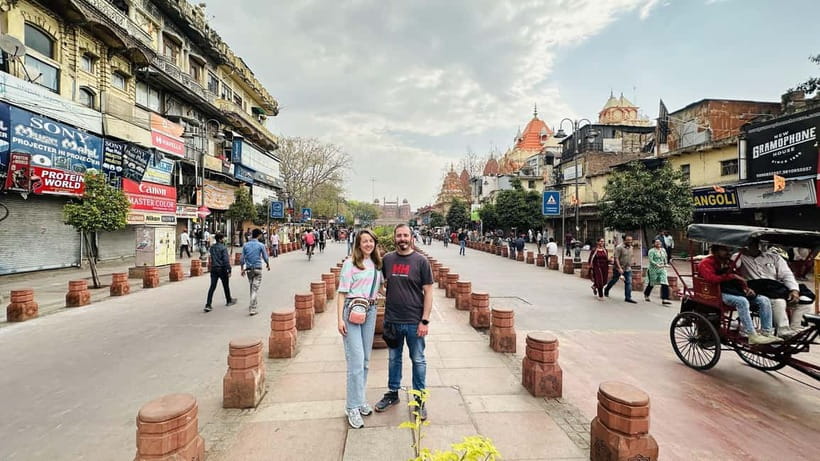
The Old Delhi portion is the sensory center of the day. Chandni Chowk is famous for a reason: narrow lanes, constant movement, and shops layered so close together you feel like you’re walking inside a working market. You’re not just looking at buildings here. You’re seeing how the city trades, eats, and sells.
You’ll get a photo stop, a guided visit, and guided time at Chandni Chowk. That combination matters. Left on your own, it’s easy to get turned around or just end up staring at shop fronts. With a guide, you get signposts for what to notice, like what kinds of vendors cluster where, and why people come to this area for everyday essentials.
Then comes Khari Baoli, described as Asia’s largest spice market, and it’s one of the best stops for understanding Delhi food culture fast. You get a photo stop plus guided visit time. The guide’s explanations here are what turn spices from background color into something you can picture in your own kitchen later: what people buy, how different spices get used, and how the smells and colors are part of the daily routine.
One practical thing I appreciate about putting the spice market here. Your body is already in Old Delhi mode. You’re ready for the smells and sights, and you still have daylight energy for the rest of the monuments later.
Cycle rickshaw time: how the lanes feel up close
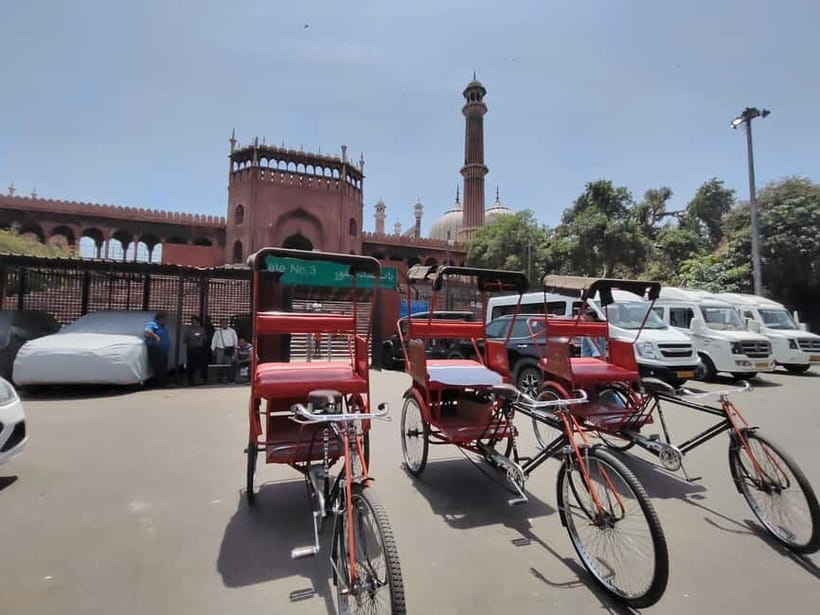
After the car, you switch to a traditional cycle rickshaw for a guided ride through Old Delhi. This is the part that makes the day feel like more than a sightseeing checklist.
You’ll glide through narrow lanes, passing historic havelis and street-food stalls as you go. Your guide narrates anecdotes, which is key. On a rickshaw, you’re moving slowly enough to take in the small stuff, but quickly enough that you don’t get stuck. The guide helps connect what you see with what it means in Delhi life.
The tour also notes that rickshaw drivers use experienced operators through lanes that are described as safe. Still, this is Old Delhi, so treat it like an active street experience. You’ll want comfortable footwear and you should expect close quarters with pedestrians.
This rickshaw segment is a big reason the day works even if you only have one morning or afternoon to understand Old Delhi.
Jama Masjid: Mughal power in stone and courtyards

Jama Masjid is a major Mughal landmark, built by Shah Jahan in the 17th century. You get about 30 minutes for photo stop and a guided visit, which is long enough to understand the basics and still feel you saw it properly.
This is not just about the main building. What you’ll notice, especially with guided time, is how the courtyard space shapes the experience. It’s one of those places where architecture and crowd flow are both part of the story.
Your guide will walk you through the mosque’s significance, plus the architectural grandeur, including minarets. Standing there gives you a clear sense of scale, and it helps you connect the Old Delhi street world with the monumental Mughal center nearby.
Consider one drawback here: if you’re sensitive to crowds, keep your expectations realistic. This is a landmark that gets steady visitors, and you’ll be sharing space with that energy.
Quick stops that matter: Agrasen ki Baoli, Red Fort pass-by, and timing
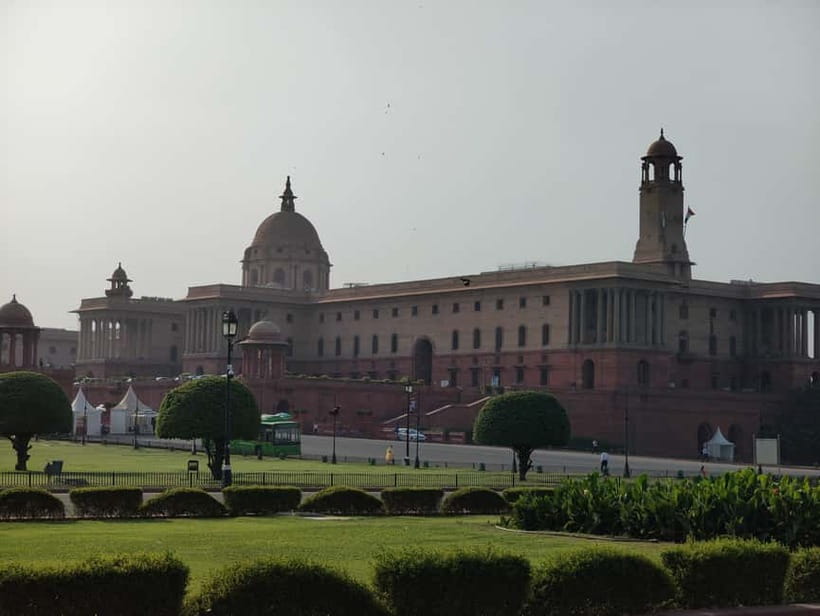
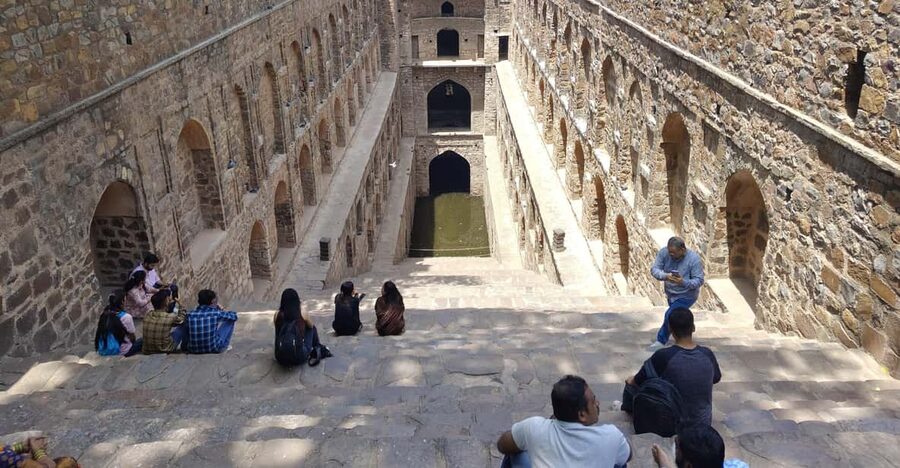
Between major monuments, the tour includes a stop at Agrasen ki Baoli. You get a photo stop and guided time, listed as 30 minutes. Baolis, or stepwells, carry a different mood than palaces and minarets. You’re looking at a functional structure that became a memorable city space over time.
You also get a pass by Red Fort. It’s not a full visit in this plan, but it’s still a worthwhile visual checkpoint. Even a pass by can help you anchor the later New Delhi stops, because you’re learning how the city’s political and historical centers sit in relation to each other.
Another timing advantage here is the midday flow. The tour includes a lunch option at a local restaurant on some departures, and it also keeps bottled water as part of the journey. That sounds small, but in a 5 to 8 hour day, it’s what helps you keep moving without feeling wrecked before you reach the quieter monuments.





New Delhi highlights on the road: India Gate, Parliament, and Rashtrapati Bhavan
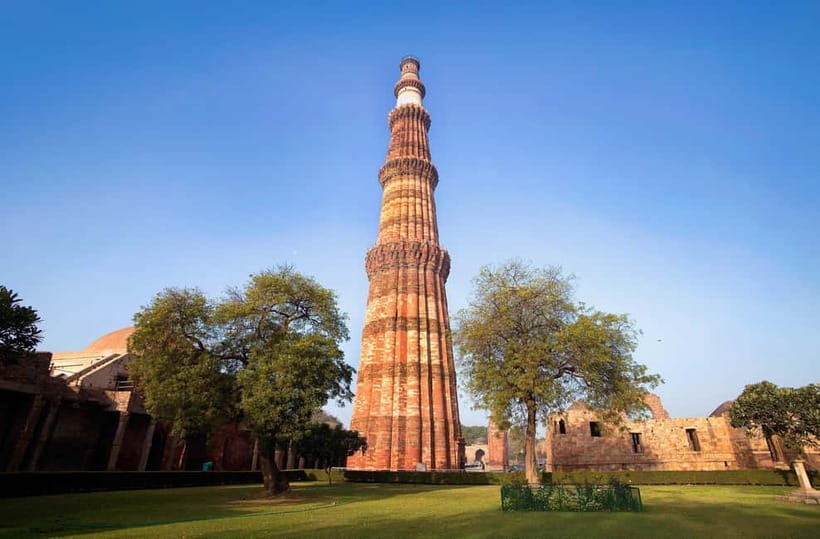
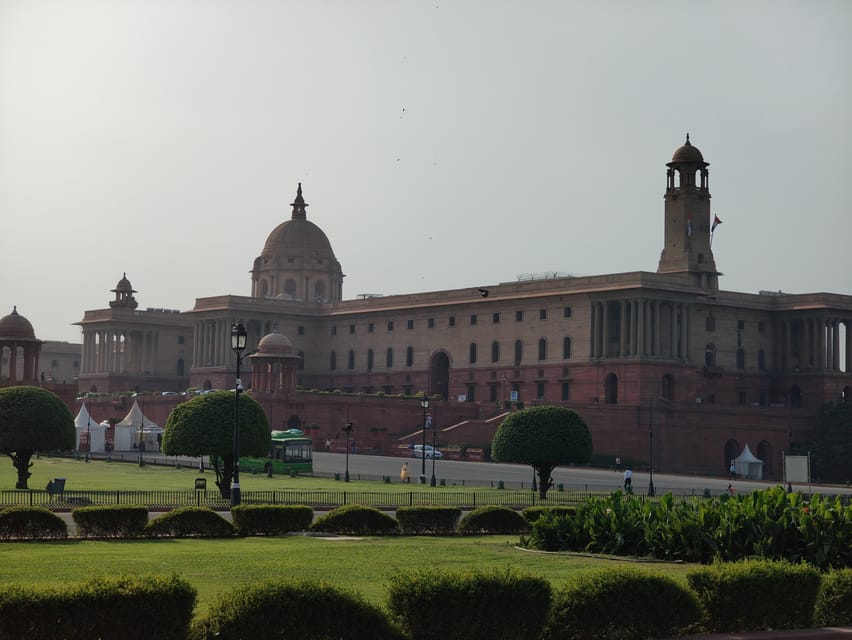
After Old Delhi, you move into the government and memorial zone, mainly by car. The tour notes passes and photo opportunities for India Gate, Parliament House, and Rashtrapati Bhavan, the President’s residence.
This road segment is a smart idea, because it keeps your schedule efficient. You get context and quick sight time without eating up half the day on long transfers and parking searches.
India Gate is framed here as a WWI memorial. That detail matters, because it changes the stop from a random monument photo to something with historical weight. Parliament House and Rashtrapati Bhavan add a different kind of perspective: you’re seeing how modern India signals power and governance.
If you like your sightseeing to have a narrative, this drive-by portion helps connect the Mughal and Sikh layers of Delhi with the modern state.
Humayun’s Tomb gardens, then Gandhi Smriti, then Qutb Minar
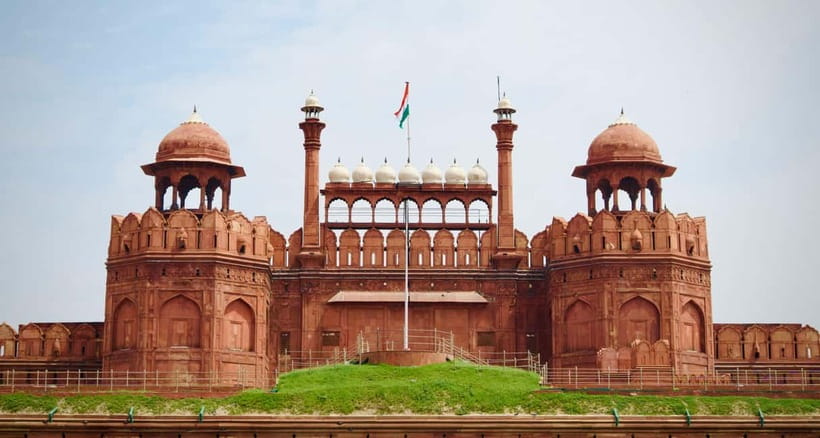
Humayun’s Tomb is one of the tour’s longer stops, with about 105 minutes for photo stop, visit, and guided tour time. You’ll also hear about it as an early Mughal masterpiece in charbagh gardens.
That charbagh reference is important because it describes how the garden is laid out, and why it feels different from a typical park. With guided time, you’re better able to understand the geometry and the “designed calm” that helps the tomb feel ceremonial, not just scenic.
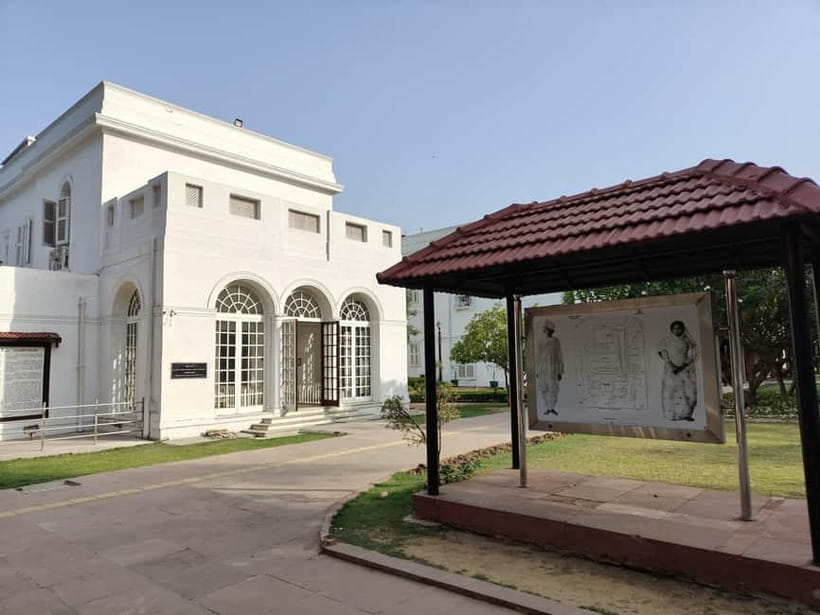
After Humayun’s Tomb, the plan can include Gandhi Smriti Museum. You get 30 minutes for photo stop and guided time. This is a useful pairing because it shifts from Mughal architecture to a modern remembrance space connected to Mahatma Gandhi’s life and legacy.
Then, you head to Qutb Minar. The tour lists about 45 minutes for photo stop, visit, and guided tour time. Qutb Minar is described as the tallest brick minaret in the world, with carvings that include Qur’anic verses. That height, plus the inscriptions, is the reason this stop works even if you only spend under an hour there.
The drawback to watch for is simple: Qutb Minar timing can feel like a late-day push, depending on your start time and traffic. If you’re short on energy, you might feel you want more time, especially around the base.
Lotus Temple or Bangla Sahib: choosing calm when Delhi gets loud
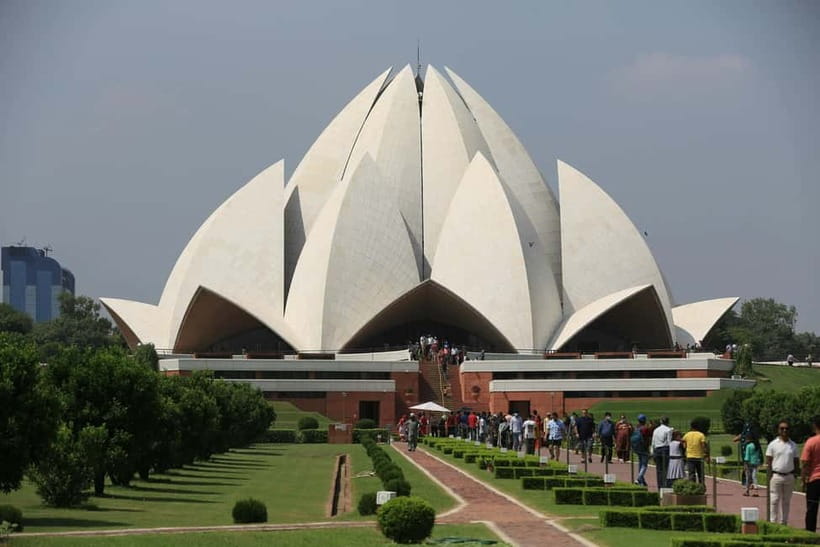
This part is flexible in the tour’s description. You’ll either visit Lotus Temple or you’ll pause for spiritual reflection at the Sikh gurudwara Bangla Sahib.
The schedule you’ll follow will depend on the day’s plan. In the provided timing, Bangla Sahib shows up as a photo stop plus visit plus guided tour time of about 45 minutes. Lotus Temple shows up later with about 30 minutes for photo stop, visit, and guided tour time.
So why does this choice matter? Because Delhi’s mood changes fast. Lotus Temple tends to feel like an architectural reset, while Bangla Sahib adds a devotional calm with people focused on prayer and reflection. Either way, it’s a good counterweight after the heavy Old Delhi segments and the monumental drives.
One note you cannot ignore: Gandhi Smriti Museum and Lotus Temple are closed every Monday. If you’re traveling on a Monday, plan on one of those being swapped out or skipped based on what your schedule allows.
How long is 5 to 8 hours, and when lunch fits
The tour runs for 5 to 8 hours, depending on your pickup timing and how your day moves between Old and New Delhi. That range is normal in a city where travel time can fluctuate.
Mid-tour, there can be a relaxing lunch at a local restaurant when it is included. The tour also provides bottled water during the journey. In practical terms, this means you’re not left guessing how you’ll stay comfortable halfway through. Still, if you have dietary needs, you should plan to communicate them early since the tour does not list meals as a guaranteed inclusion.
The biggest pacing benefit is that the sightseeing time at each major site is broken into clear segments: photo stop, visit, guided tour time. That structure helps you feel you saw things properly instead of sprinting between stops.
Price and value: what costs extra and what you actually get
At $4.12 per person, the headline price is strikingly low for a private, full day plan. The value comes from the structure: private air-conditioned transport plus a government-approved professional local guide, plus a guided circuit across Old and New Delhi’s major landmarks.
But here’s the reality check. Entrance tickets are not included, and you may pay extra at monuments. Your guide will assist you with purchasing tickets so you’re not waiting in queues, which is a quality-of-life upgrade. Still, it means the final cost will depend on what sites you enter that day.
Also note that meals are not included. Lunch may be included on some departures, but it is not presented as a universal feature. If meals matter to your budget, plan for that.
So how do I see the price fitting? This feels like a strong option if you want a guided, private day with comfort and clear time at each major landmark, and you’re okay handling monument entrances and your own meals if lunch is not part of the departure.
Who this tour fits best
This private format suits you if you want control and comfort. With a private group and pickup from your hotel or airport or railway station, you avoid the early-day chaos of figuring out transport from scratch.
It’s also a great fit if:
- You’re seeing Delhi for the first time and you want Old Delhi and New Delhi in one day.
- You like guided context, not just photos.
- You want the memorable experience of a cycle rickshaw ride through Old Delhi lanes.
- You prefer air-conditioned transport between distant neighborhoods.
If you hate crowds, you should still consider it, but I would set your expectations around famous landmarks like Jama Masjid and active market areas. You’ll be walking with other people, and you’ll be in close proximity during parts of the day.
Should you book this private Delhi day tour?
Book it if you want a single day that hits the major Delhi anchors in a sensible order, with a guide who gives you meaning behind what you see. The combination of cycle rickshaw, Khari Baoli spices, Jama Masjid, Humayun’s Tomb, and Qutb Minar is a lot for one day, and the tour does a good job of pacing guided time rather than just fast stops.
Hold off or ask questions first if your trip date lands on a Monday, since Gandhi Smriti Museum and Lotus Temple are closed. Also budget for entrance tickets since they are not included, even though your guide helps with purchases.
Finally, I like that the tour is private and guided, with bottled water and WhatsApp support. That setup is what keeps a long day from feeling chaotic, even when Delhi itself can be.
FAQ
How long is the Delhi tour?
The duration is listed as 5 to 8 hours. Check available starting times for your date.
What is included in the tour price?
The tour includes a private tour, air-conditioned private vehicle transport, a government-approved professional local guide, hotel or airport pickup and drop-off, bottled water during the journey, all taxes and fees, personal care and attention, and WhatsApp support.
Are entrance tickets included?
No. Entrance tickets are not included, but your guide will assist you with purchasing them so you do not have to wait in the queue.
Which sights are covered during the day?
You will see Old Delhi highlights such as Jama Masjid and Chandni Chowk, plus Asia’s largest spice market at Khari Baoli. In New Delhi, you can include Qutb Minar, Humayun’s Tomb, Gandhi Smriti Museum, and Lotus Temple or Bangla Sahib. The day also includes photo stops and guided time at key points plus a drive past India Gate, Parliament House, and Rashtrapati Bhavan.
Is this tour private or shared?
This is a 100 percent private tour with a private group, meaning only your group participates.
What languages is the guide available in?
The live guide language options listed are English, French, German, Hindi, Russian, and Spanish.
What happens on Mondays?
Gandhi Smriti Museum and Lotus Temple are closed every Monday, so your schedule will need to account for that.
Is free cancellation available?
Yes. You can cancel up to 24 hours in advance for a full refund.
More Tour Reviews in New Delhi
Not for you? Here's more nearby things to do in New Delhi we have reviewed









More Delhi City Tours to consider.
 ★ 5.0Old & New Delhi City Tour – Half or Full Day Options AvailableTickets from $384,811 traveller reviews
 ★ 5.0Same Day Taj Mahal, Agra Fort & Baby Taj Tour from Delhi by CarTickets from $624,304 traveller reviews
 ★ 5.0Taj Mahal Day Tour from Delhi by Superfast Train – TOP RATED TOURTickets from $1004,166 traveller reviews
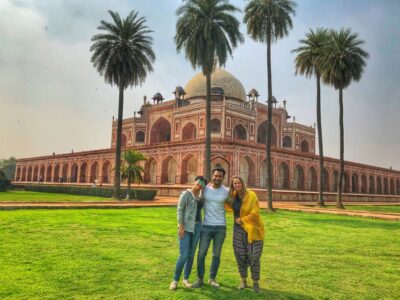 ★ 4.9Old and New Delhi Private Full or Half-Day TourTickets from $23,776 traveller reviews
 ★ 5.0Full Day Taj Mahal, Agra Fort & Baby Taj Tour from Delhi by CarTickets from $623,647 traveller reviews
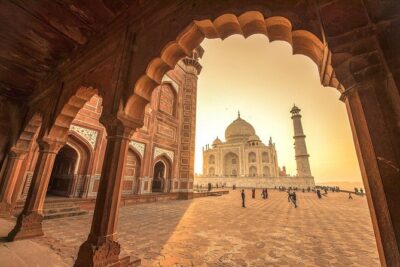 ★ 4.9From Delhi: Taj Mahal & Agra Private Day Trip with TransfersTickets from $43,181 traveller reviews
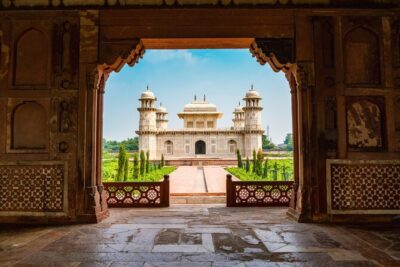 ★ 5.0Taj Mahal Tour from Delhi by Express Train (Viator Award Winner)Tickets from $752,849 traveller reviews
 ★ 5.0All Inclusive Private Taj Mahal Luxury Tour from Delhi by CarTickets from $622,564 traveller reviews