
Review · CHANDNI CHOWK & SPICE MARKET TOURS
Chandni Chowk Textile Tour
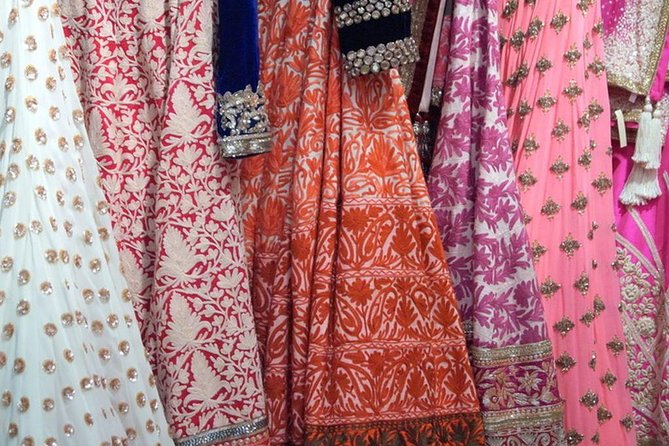
Textiles in Old Delhi feel like a treasure hunt. I love the way this tour starts with a quick taste in Paranthe Wali Gali and then turns into real shopping time for fabrics. You’ll also get focused time in Katra Neel, where you can hunt for silks, cottons, khadi, muslin, crepe, and more. One possible drawback: the lanes are narrow and can feel crowded, so wear comfortable shoes and plan for lots of walking close together.
I also like the logistics. Pickup runs from about 8:00 to 10:00 a.m., with a private-car ride to and from the neighborhood, so you are not stuck figuring out Old Delhi transport first thing in the morning.
This is a 3 to 6 hour route, and it includes a guide, bottled water, and admission tickets for the main stops. Just keep in mind food and drinks are only included where the itinerary specifies, so you may want a light breakfast before you go.
Key points to know before you go
- A textile-first route built around the fabric areas of Chandni Chowk
- Morning pickup in a private car so you can start shopping quickly
- Two clear stops: a traditional refreshment start, then the textile markets
- Specialty bazaars nearby including Kinari Bazaar, Cloth Market, and Katra Neel
- A guide who explains the merchant district so you understand what you are looking at
- Good value for $45 with taxes, guide, water, and stop admissions covered
Why Chandni Chowk textiles are different from normal shopping
Chandni Chowk is not a single store. It is a maze of lanes where different bazaars specialize, and that changes how you shop. Instead of wandering randomly, you get a guided path that keeps you pointed toward textiles, wedding fabrics, trims, and women’s apparel fabrics.
What I like most is the range you can realistically compare in one morning. You are looking for everything from silk and cotton to khadi and muslin, plus crepe and other fabric types you might not see back home. When fabrics sit side by side, you start noticing the differences in weight, drape, and finishing.
You can also read our reviews of more tours and experiences in New Delhi.


Price and time: what $45 gets you
At $45 per person, the tour is built for value, not luxury. You are paying for a local guide, admission tickets for the two main stops, bottled water, and hotel or airport or railway station pickup and drop-off in a private car.
The “hidden” value here is time. Old Delhi logistics can drain a half day fast if you are trying to DIY it. By starting around 8:30 a.m., you get better energy for shopping while streets are still manageable.
Also, booking tends to fill in advance, with an average booking window of about 34 days. If you can, lock it in early. And if plans change, cancellations are free up to 24 hours before the start time.
Morning pickup, private car, and a route that keeps moving
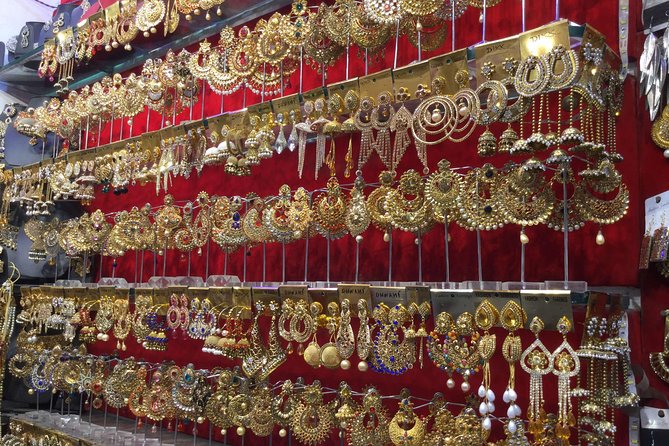
This tour starts at 8:30 a.m., with pickup typically arranged somewhere in the 8:00 to 10:00 a.m. range. That matters because Chandni Chowk is at its best when you arrive with momentum, not when you are tired and hungry.
You travel by private car for the transfer, then the shopping part happens on foot through tight lanes. The tour is set up as a private activity, meaning it is only your group. That often makes a big difference with a market tour, because you can ask questions about fabric types, widths, and uses without feeling rushed by a giant crowd.
You will also have a mobile ticket, which is handy if you prefer to keep everything on your phone.
Stop 1: Paranthe Wali Gali, the quick traditional reset
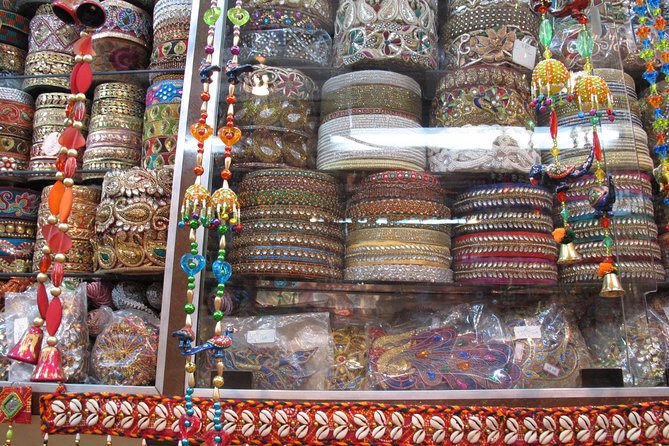
The first stop is Paranthe Wali Gali, often described as the breadmakers alley. The point of this stop is not a long meal. It is a short 20 minutes to get you settled, fed lightly, and ready for fabric shopping.
You are offered a light traditional refreshment here. Think of it as a warm-up. It also helps you get your bearings before you step into the heavier shopping streets.
What to watch for at this stop:
- You might see lots of food activity and fast movement, so keep your bag zipped and your phone secured.
- Use this moment to slow down and plan. Decide what you want first, like scarves, saree fabric, dress fabric, or wedding trims, so you are not guessing later.
Stop 2: Kucha Katras and the fabric shopping zones
After the start, the tour shifts into textile territory with Kucha Katras. This is where the market energy turns into actual comparisons. The idea is simple: you get time in an area known for handwoven fabrics at prices you are not likely to match in tourist shopping strips.
This stop also connects you to the bigger fabric ecosystems around Chandni Chowk. Here is the practical value of how the markets are organized.






Kinari Bazaar: wedding fabrics and trims
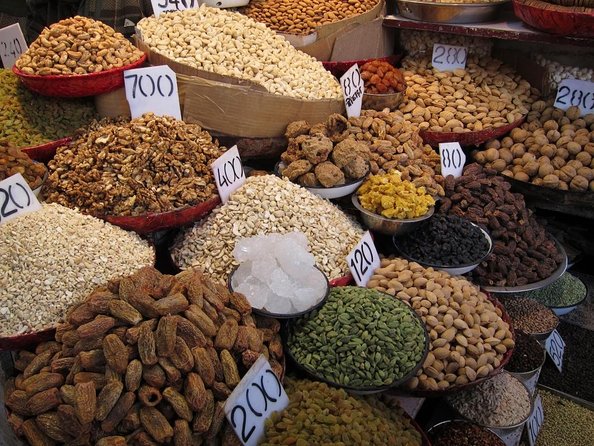
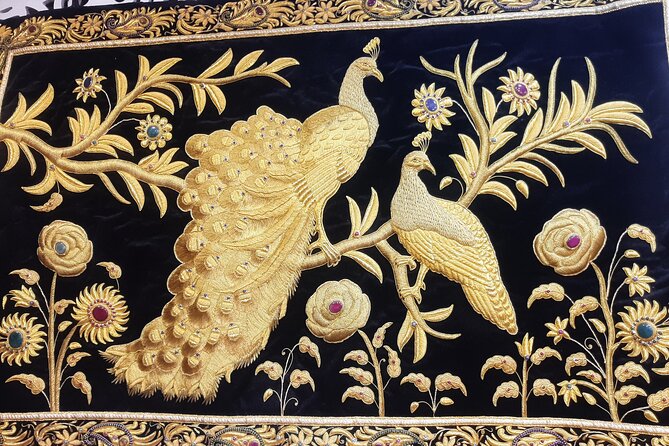
Kinari Bazaar is known for wedding-related textiles, laces, and items connected to Zardozi work. If your shopping list includes wedding occasion fabrics, you are in the right neighborhood. Even if you are not shopping for a wedding, browsing here teaches you how trims and finishes change the look of the final outfit.
Cloth Market: men’s fabrics and home textiles
The Cloth Market is geared toward fabrics for men’s clothing and also quality textiles for home furnishings. This can be a good choice if your trip is about more than fashion, like table runners, curtains, or fabric for household projects. You also get a sense of how men’s tailoring fabrics differ from drapier women’s materials.
Katra Neel: women’s fabrics, the main target for many shoppers
Katra Neel is the place you go when your priority is women’s fabrics. This area is famous for a wide range of choices, including silk, muslin, cotton, and crepe. It is a strong fit if you want to bring home fabric you can use for tailoring or if you are hunting for a specific feel, like a crisp cotton drape or a lightweight muslin-style finish.
A note on adjacent markets like Dariba Kalan
You may also come across nearby lanes associated with older specialties such as Dariba Kalan, known for silver jewelry. This is not the textile focus, but it can add context as you walk through Old Delhi’s trade district, where different crafts cluster next to each other.
How to shop smart in tight Old Delhi lanes
Market shopping in Chandni Chowk rewards focus. The biggest mistake is trying to buy everything at once. Instead, I suggest you shop in layers.
First, decide your fabric mission:
- Are you buying ready-to-wear items, or fabric for tailoring?
- Do you want lightweight drape or structure?
- Are you shopping for scarves and shawls, or wider dress and saree fabric?
Next, ask the sellers about what you actually care about. You are looking for fabric type, how it falls, and how it should be used. If you care about an event, say so, because fabric choice depends on how it will be worn.
Finally, watch your time. A 3 to 6 hour tour can go fast once you start comparing colors and finishes. If you love one shop, take a beat and confirm what you are buying before moving on. It is easy to get carried away in a place where every stall seems to have a new shade.
What makes the guide part worth it
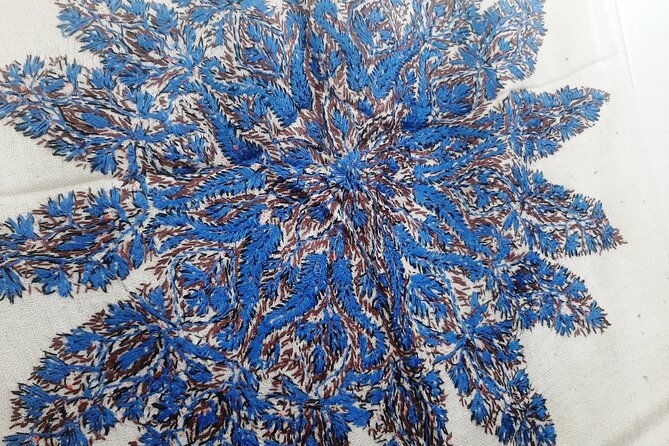
This tour is designed around a guide who can explain how the streets and markets work. In the best versions of this experience, guides like Jai Singh stand out for how well they connect the trade lanes to the culture around them. You get a sense of how the merchant district functions, not just a checklist of places to stop.
The guide also helps with practical navigation in a spot where the details can overwhelm you. Old Delhi has humans, vehicles, wires, and side lanes you did not plan for. A good guide helps you keep the tour focused on textiles, so the day stays about what you came to buy.
From what has been described, guides also help you watch the market in a way that feels more than shopping. You get to notice different traditional outfits in motion, and that makes it easier to picture how a fabric choice will look in real life. Some people also end up finding cashmere pashmina shawls and scarves as an extra win when they match the mood of the market.
What to expect from the pace and people flow
This is a walking market tour through narrow alleys. That means your comfort matters as much as your shopping plan.
A few practical expectations:
- You will move between textile areas without long sit-down breaks.
- The crowd density can change quickly, especially near popular shopping sections.
- The start time is morning-based, which usually makes the shopping more manageable.
If you prefer slow museum-style pacing, this might feel like too much movement. If you love markets and comparing fabrics, it is a great format.
Who this textile tour is best for
This experience is especially appealing if you want a textile-focused morning. It is often described as a heaven for ladies looking for unique fabrics like silk, cotton, khadi, muslin, and crepe, and it fits shoppers who enjoy seeing lots of options in a short window.
It also works well for:
- Couples or friends shopping together who want a guide to keep things efficient
- People bringing fabric home for tailoring
- Anyone who wants to understand how Chandni Chowk’s trade areas specialize
If you want a full meal experience, you may be disappointed. Food and drinks are not included unless specified, and the itinerary only mentions light refreshment at the first stop.
Should you book this Chandni Chowk Textile Tour?
I would book it if your goal is clear: buy or compare textiles in the Chandni Chowk area with a guide, without spending your whole day on logistics. The $45 price feels fair when you factor in pickup and drop-off, stop admissions, bottled water, and a local guide guiding you toward the right specialty zones like Katra Neel.
I would think twice if you hate crowds, dislike lots of walking, or expect a long sit-down break with a full meal. Also, if you come with zero idea what fabric you want, you might feel scattered once you reach the stalls. Going in with a simple target helps a lot.
If your schedule allows it, this is a strong way to experience Old Delhi through the lens of textiles, where the details matter and the shopping is the whole point.
FAQ
How long is the Chandni Chowk Textile Tour?
The tour runs about 3 to 6 hours.
When is pickup, and what time does the tour start?
Pickup is arranged around 8:00 to 10:00 a.m., and the start time is listed as 8:30 a.m.
What is included in the $45 per person price?
The price includes all taxes and fees, a local guide, hotel or airport or railway station pickup and drop-off in a private car, bottled water, and admission tickets for the stops listed on the itinerary.
Is food included during the tour?
Food and drinks are not included unless specified. You do get offered a light traditional refreshment at Paranthe Wali Gali.
Is this tour private?
Yes. It is a private tour/activity, with only your group participating.
What dress code should I follow?
The recommended dress code is smart casual.
More Tours in New Delhi
More Tour Reviews in New Delhi
Not for you? Here's more nearby things to do in New Delhi we have reviewed











More Chandni Chowk & Spice Market Tours to consider.
 ★ 4.9Old Delhi: Private Tour of Chandni Chowk, Tuk Tuk & FoodTickets from $70345 traveller reviews
 ★ 5.0Old Delhi Street Food Tour – Explore Spices in Chandni ChowkTickets from $34334 traveller reviews
 ★ 5.0Old Delhi Food-Spice Market-Temples Tour Soon Featured on NETFLIXTickets from $49304 traveller reviews
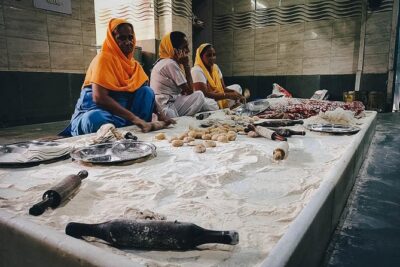 ★ 5.0Chandni Chowk Delhi Food Tour with 15+ TastingsTickets from $39285 traveller reviews
Old Delhi Odyssey: A Tour of Religion, Spice Market, & Best FoodTickets from $30284 traveller reviews
★ 5.0Chandni Chowk Delhi Food Tour with 15+ TastingsTickets from $39285 traveller reviews
Old Delhi Odyssey: A Tour of Religion, Spice Market, & Best FoodTickets from $30284 traveller reviews
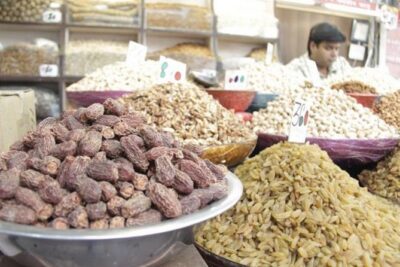 ★ 5.0Old Delhi & Spice Market TourTickets from $2798 traveller reviews
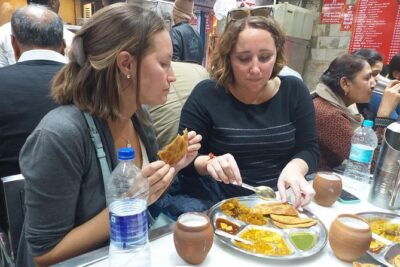 ★ 5.0Chandni Chowk Old Delhi Food Tour with Spice MarketTickets from $4590 traveller reviews
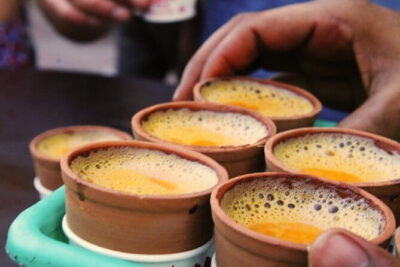 ★ 5.0Old Delhi Street Food and Spice Market TourTickets from $4081 traveller reviews
More useful Delhi routes