Review · NEW DELHI
Dalai Lama Himalayan Trek
Think temples, donkeys, and snow peaks.
This 11-day Dalai Lama Himalayan Trek strings together Delhi’s spiritual landmarks, Dharamsala’s Tibetan exile home base, and a true camping hike in the foothills of the snowy Himalayas. I like that it mixes city sights with mountain quiet, so the trip never feels stuck in one mode.
What I like most is the way the team handles both comfort and logistics. The trek runs with donkeys carrying camp gear, so you walk with day bags while tents, equipment, and supplies move camp to camp. Another big plus is the camp setup, with warm, dry tents, thick mattresses, fleece-lined sleeping bags, and food cooked for you, which makes the mountain nights feel a lot less harsh.
One consideration: this is not a couch-to-checklist tour. You need strong physical fitness, and the hike includes steep, rocky moments (especially on the Triund day), plus cold enough conditions that you should pack for snow-era trekking.
Key highlights worth caring about
- Donkeys do the heavy lifting so you can focus on the trail with day bags only.
- A real five-day trek feel with village walking, camp by clear springs, and starry skies.
- Triund Hill is the turning point, when the first huge peaks really change your mood.
- Dharamsala and McLeod Ganj are built in, with a cable car ride, tea time, and a cricket stadium stop.
- Taj Mahal is the finale, with a celebration meal to close the story on a high note.
The route that makes this more than a trek
The strongest thing about this trip is the pacing. You start in New Delhi with major religious sites, then shift to Dharamsala, where spirituality feels woven into everyday life, and finally you hit the mountains for multiple days of walking and camping.
That mix matters because you get two different kinds of rewards. Delhi gives you architecture, history, and energy. The trek gives you silence, effort, and those moments when the scale of the Himalayas makes your brain go quiet.
The trip is also designed to keep you moving without making you scramble. You’re not left to figure out trains, station transfers, or camp setup. The group format, the included transport, and the onboard team support are a big part of why this journey works for real-world travelers, not just hikers with perfect plans.
You can also read our reviews of more hiking tours in New Delhi
Delhi temples and quick hits near Hanuman Temple
Your Delhi start is small and practical, not just a hard drop at a hotel. On arrival, you’ll be taken to your accommodation and you can do a short first walk. It’s a good chance to get your bearings fast before the bigger sightseeing days.
One early stop is the Monkey Temple of Hanuman, close to where you stay. It’s the kind of place that feels alive without needing a full day, and it sets the tone for how religious the city can be, even when you’re just wandering.
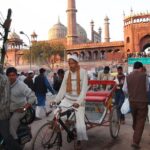
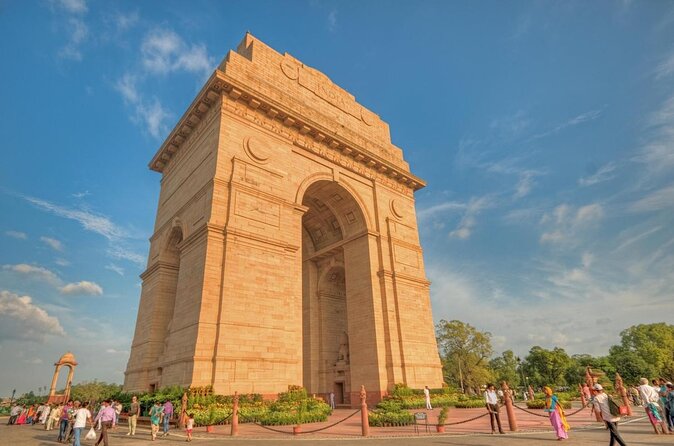
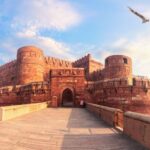
Then you move into the big Delhi icons, but with a side of variety. Akshardham Temple is described as silver-clad and gem-bright, and it gets built into the schedule as a major highlight. You also get time in the area around India Gate, a classic landmark that anchors your first city day.
If you’re hoping for Delhi in a single bite, this tour does it well. You see signature places, but you’re also not trapped only in the postcard zone. Short rides, quick transfers, and timed visits keep you from spending the whole trip in traffic.
Pathankot to Dharamsala, the tempo switch happens fast
Getting out of Delhi is part of the fun here. After the rail journey, you arrive in the foothills and the whole vibe changes, from wide roads to mountain air and slower movement.
On the way, Pathankot station plays a clear role. You stop there for a breakfast break in an open-air restaurant, then continue onward to Dharamsala. That matters because it turns a long travel leg into a real moment you can actually enjoy, instead of only waiting.
Once you reach Dharamsala, you’re checked into your hotel and given time to wander. That down time is underrated. It’s when you adjust to altitude-like conditions (even if you’re not tracking numbers), reset your legs, and prepare mentally for the trek days ahead.
Trek days in the villages: Kareri, Naddi View, and steady climb days
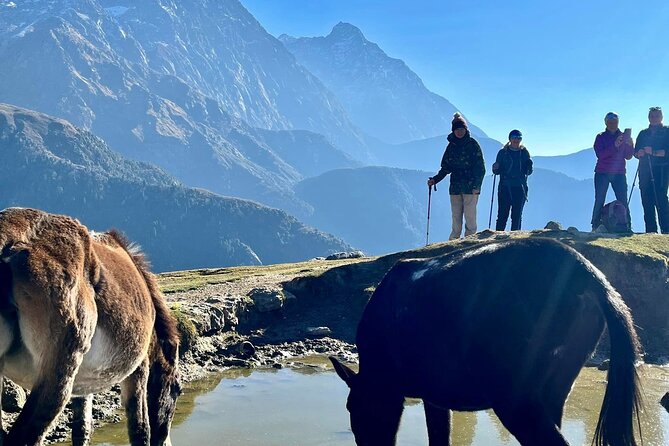
The trek starts the moment camp logistics take over. You’re greeted as the team also greets the donkeys, and those animals become your unsung trail helpers. Donkeys carry the belongings, tents, and camp equipment from camp to camp, while you carry only day bags.
Kareri day, where the trail and the team become one unit
On the first trek day, you start with a hike that’s described as gentle at first, leaving behind village rhythm and heading into real trail country. There’s a clear message in this portion: you’re walking with support, not just following a line on a map.
You’ll also spend time passing through rustic areas where everyday life is visible. That kind of walking is where the experience stops feeling like a tour and starts feeling like you’re moving through someone’s home landscape.
Naddi View Point day, villages on the route
On the next trek day, you head through villages where families tend to daily work and you see goats and cows in normal routine. The walk includes an “undulates” style route, which is tour-speak for a steady rhythm of ups and downs without feeling like a constant vertical wall.
You’ll reach the Naddi View Point area on that day, which gives you a reward that’s tied to the hiking effort. View points are more enjoyable when you earn them with steps, and this schedule does that.
Triund Hill: the moment the mountains take over
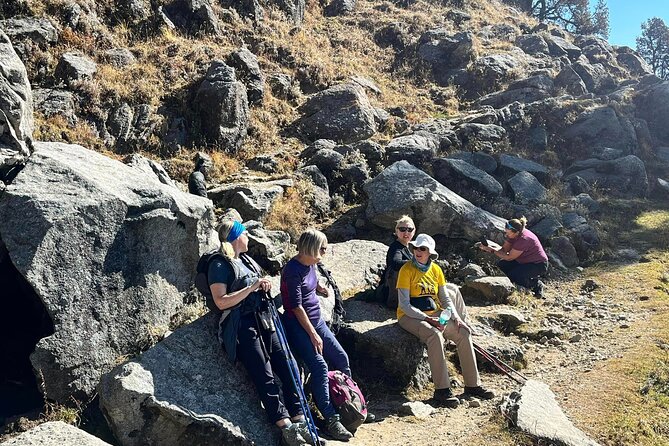
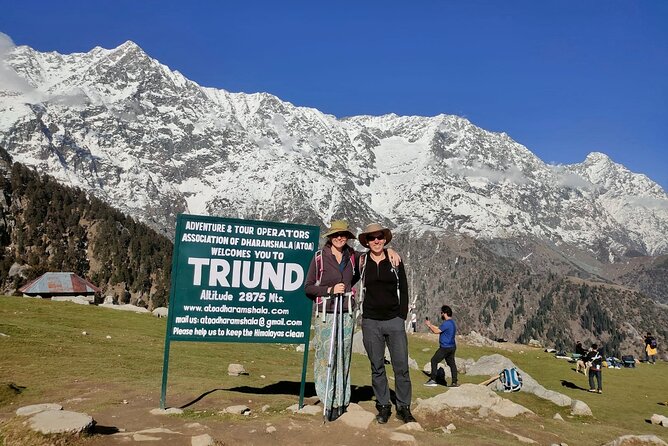
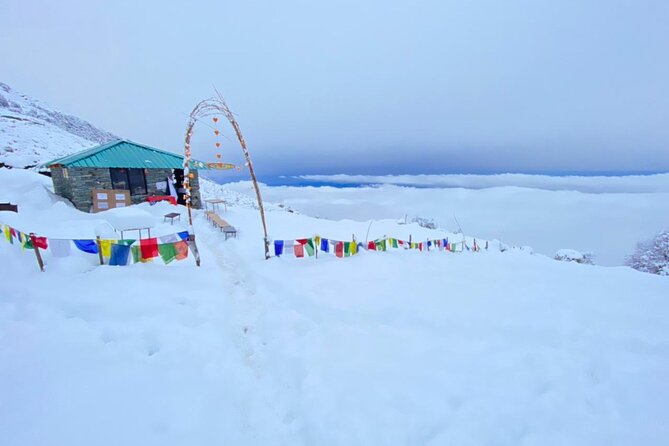
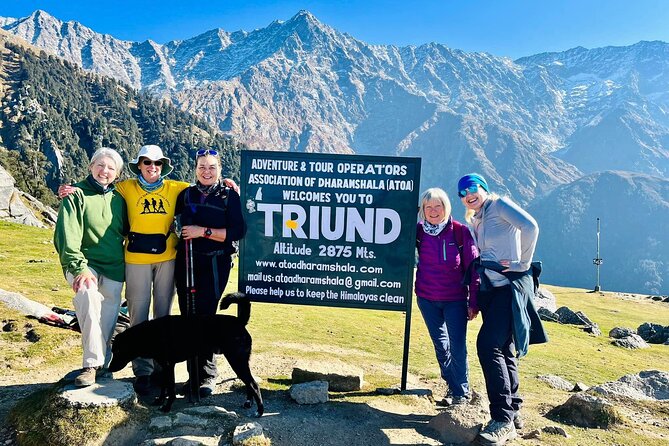
Triund Hill is where the trip snaps into high impact. The day described as crossing bridges and rhododendron forest sets you up for the feeling that you’re moving through a living mountain world, not just trekking through.
You also stop at the “Magic View” tea shop. That pause is practical, but it also breaks the monotony that can creep into long climbs. It’s called Magic View for a reason, and it lines up perfectly with the way this tour treats food and rest as part of the journey, not an interruption.
The first big-peak day on Triund
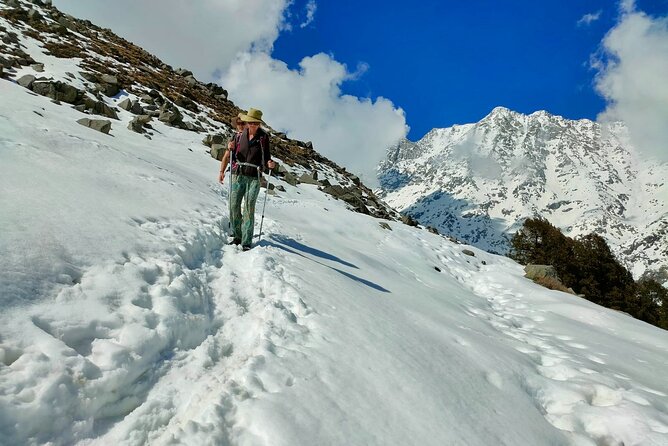
The following day is described as steep and rocky in places. You do not get a casual hike here. But the payoff is tied to a specific moment, the first sight of huge peaks that dwarf you.
That’s the kind of experience that’s hard to explain until you see it. Your body is working, your lungs are adjusting, and then the scale of the mountains changes what you think you’re looking at.
Your own pace on the descent
After “breakfast with a view,” you begin descending. The schedule explicitly says you’ll go at your own pace, and that’s a smart inclusion for people at different fitness levels. You return to Dharamsala for a shower and rest, which helps you avoid the post-trek slump.
That evening includes a Tibetan-style feast. It’s not just a meal. It’s a reset that turns your effort into celebration and makes the trek feel like a full arc.
Camping comfort that makes cold nights feel manageable
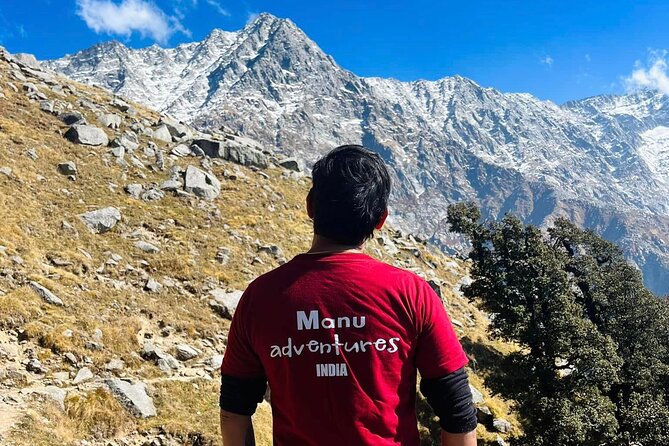
Here’s where the trip’s reputation makes sense. The camp setup is described as warm and dry, with thick mattresses and fleece-lined sleeping bags. That’s exactly what you want when the trek is in snowy Himalayan conditions, or close enough that temperatures can drop fast at night.
You also sleep with a sense of calm that comes from location. The trek description talks about camping next to clear, babbling springs under skies full of stars. Even if your night sky varies with clouds, the point stands: this is not rough camping for the sake of being rough.
Meals are part of the comfort equation too. Dinner is included for 11 days, breakfast for 10 days, and lunch for 5 days. On a trek like this, that kind of meal coverage matters because it reduces decisions and keeps your energy consistent.
One small but meaningful detail from guest feedback: the gear quality. People highlighted quality gear and guides, and that supportive feeling shows up again and again in how the trip is described. The result is a trekking experience that feels organized, even when you’re off-grid.
McLeod Ganj and Dharamsala: cable car, tea, and cricket
After days in the mountains, Dharamsala feels almost like a reward city. You’ve earned it by walking, and the schedule gives you both sightseeing and time to breathe.
A brand-new cable car connects McLeod Ganj to Dharamshala. That’s useful because it saves energy after the trek and lets you enjoy the ride without treating transport as a chore. From there, you visit a tea plantation and a well-known cricket stadium.
These stops might look random on paper, but they do something valuable. Tea plantations give you a sense of what the region grows and how locals live with the climate. The cricket stadium adds a modern India layer that’s easy to miss if you focus only on temple and mountain scenes.
You also get a Tibetan-style dinner on one of the mountain-to-city transition nights. That pairing, food plus culture, makes the Dharamsala section feel like more than checklists.
Taj Mahal finale: how the tour ties it together
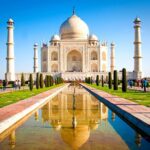
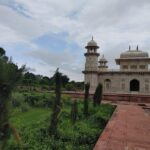
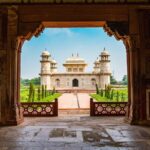
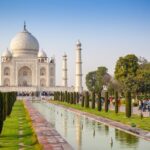
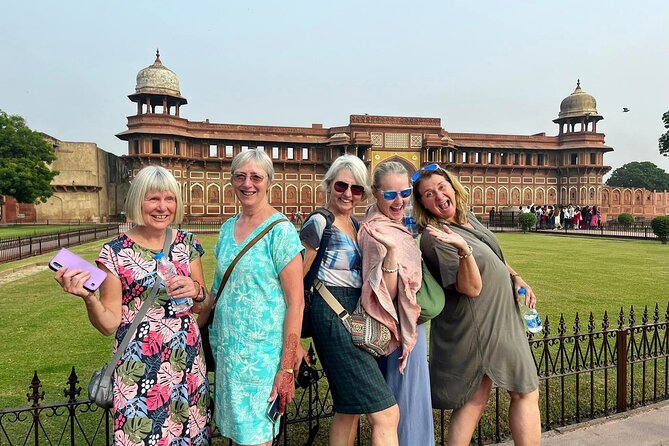
The last big emotional beat is the Taj Mahal. The tour frames it as the symbolic culmination of the whole journey, and it makes sense because you’ve spent days moving from spiritual sites to exile-era faith to mountain awe.
You visit the Taj Mahal on Day 10 and include a celebration meal nearby. That timing is smart. It gives you space for photos, reflection, and a final meal that feels like a finish line, not just another stop.
There’s also a practical lodging angle that guests have called out, hotels with rooftop views of the Taj Mahal. Even if you don’t chase every photo, having that view adds a quiet, cinematic quality to your final nights.
Price and value: what you’re paying for, and what you should expect
At $1,463.90 per person, this is not a budget weekend. But it also includes a lot that would cost money and time if you booked it piece by piece.
You’re getting train tickets, air-conditioned vehicle transport, a mix of guided and organized transfers, and a big set of meals. You also get admission tickets included for key attractions on select days, and you’re covered with a mobile ticket.
The group size is capped at a maximum of 35 travelers. That matters because you want a manageable group for trek days, not a huge crowd that turns every decision into a bottleneck.
The best value argument here is simple. You’re paying for the parts that are hardest to organize well: multi-leg travel, overnight rail, camp logistics, and daily feeding. If you tried to DIY this exact blend of Delhi plus Dharamsala plus Triund camping plus Taj Mahal, you’d spend time coordinating transport and camp support. Here, the trip is built around taking those burdens off your plate.
Practical day-to-day expectations
- Start time and meeting point: You start at Indira Gandhi International Airport at 9:00 am.
- Pickup offered: Pickup is part of the offer, and it helps if you’re arriving on a flight that lands and then immediately needs movement.
- Fitness requirement: The trek is for people with strong physical fitness. There are steep and rocky parts.
Should you book the Dalai Lama Himalayan Trek?
Book it if you want a trip with real contrast, city spirituality, mountain effort, and a grand finale that feels earned. I’d especially recommend it if you care about trekking with support. The donkey logistics, camp comfort, and the way meals and transport are handled make the hike feel doable, even when the mountain days get serious.
Skip it if you’re after a soft, low-effort vacation. This is an active trek, and the Triund climb includes steep, rocky sections. Also, if you hate being in a group, you may find the schedule and collective pace limiting.
If you want a route that feels like a story arc, Delhi to Dharamsala to Triund to Taj Mahal, this tour fits that goal. It’s the kind of trip that gives you both the photo moments and the mental reset that comes from walking for days and then celebrating with a final view.
FAQ
How long is the Dalai Lama Himalayan Trek?
The tour lasts 11 days (approximately).
Where does the tour start, and what time?
It starts at Indira Gandhi International Airport in New Delhi, with a start time of 9:00 am.
Is pickup offered?
Yes, pickup is offered.
What kinds of meals are included?
Dinner is included for 11 days, breakfast for 10 days, and lunch for 5 days.
Are tips included?
No, tips are not included.
What is the group size limit?
The tour has a maximum of 35 travelers.
If I need to cancel, will I get a refund?
No. The experience is non-refundable and cannot be changed for any reason. If you cancel or ask for an amendment, the amount paid will not be refunded.