
Review · DELHI CITY TOURS
Delhi: Old Delhi & Spice Market Tour
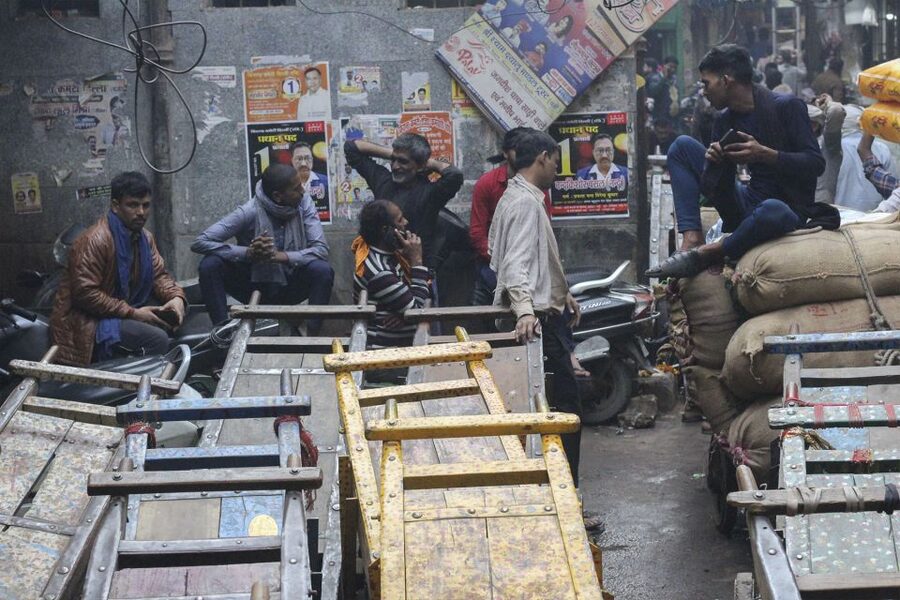
Old Delhi can feel like sensory overload. I like this tour because it turns that chaos into a walkable plan, and you get the big payoff at Khari Baoli and its spice wholesale world. You also see Old Delhi’s religious mix firsthand, with mosque and temple stops in the Mughal-era core.
One thing to consider: this route is busy on foot and not suitable for people with mobility impairments. You’ll also want to travel light since luggage or large bags are not allowed.
Key points before you go
- Khari Baoli spice market, Asia scale, with a guided look at how wholesale stalls work
- Rickshaw time for perspective, so you can see the crowds from above lane level
- Historic core stops, including a mosque visit plus Jain and Sikh temples
- Side-market routing, including areas linked with Paan Mandi and the flower market
- English-speaking local guide, with strong feedback on pacing and friendliness (Sam, Neresh, Naresh, and Hema show up in past groups)
Old Delhi Orientation: Chaos With a Route, Not a Map
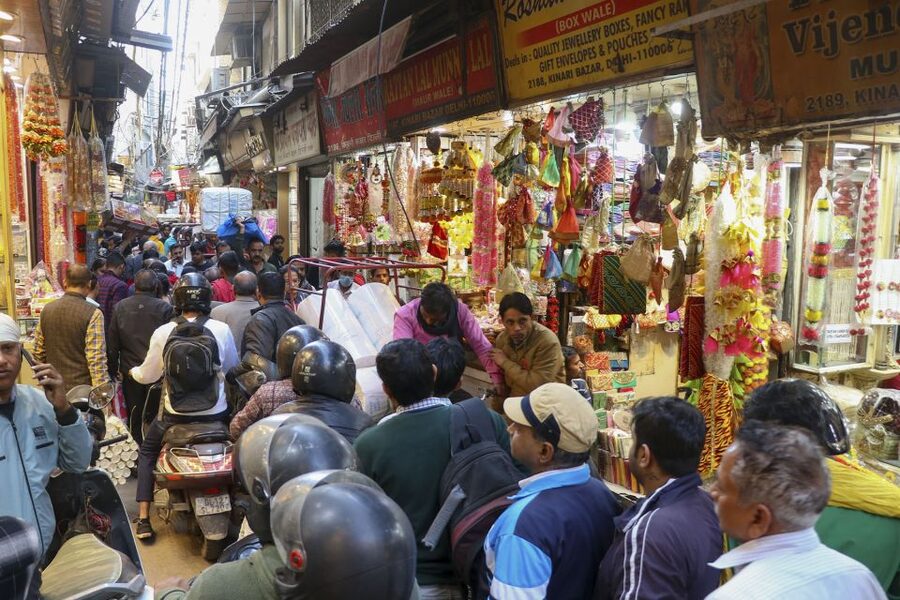
Old Delhi is famous for a reason. You’ll be surrounded by movement, shouting vendors, motorbikes threading through pedestrians, and steam rising from street food and chai stops you can smell before you see.
What you’re paying for here is not just sights. It’s direction. A good guide helps you understand where the crowds flow, which streets are worth pausing on, and how to keep moving without getting swallowed. If you’re a first-timer, that matters a lot, because doing Old Delhi solo can be tiring fast.
The best part is that the tour feels like a guided walk through real daily life, not a staged highlight reel. You’ll see the kind of busy that locals live with every day, then you’ll get just enough context to make sense of it.
From Rajiv Chowk to Chawri Bazar by Metro, Photo Stop Included
You start near Rajiv Chowk, then take the metro for about 10 minutes. This is smart, because it gets you into the Old Delhi zone without burning time in traffic on the way in.
Next comes Chawri Bazar, where you get a short photo stop and guided tour time. Even if you only have 10 minutes there, it’s a useful introduction. You start to notice the rhythms of the market area: where people cluster, where stall lanes narrow, and how quickly the crowd pattern changes.
Chawri Bazar is also a good place to decide what kind of photos you want to take. From street level, you can capture the textures of signage, spices, and clothing colors. If you prefer wider scenes, the rickshaw segments later in the tour will give you that angle.
Fatehpuri Masjid and the Mughal Heart Outside Red Fort
Old Delhi’s sacred landmarks sit close together, and this tour uses that. You’ll head toward Fatehpuri Masjid, with a guided visit and a short walk time built in.
This is one of those stops that’s not about ticking off a building. A mosque stop helps you understand that Old Delhi is not only a market city, it’s a working religious center too. You’ll also experience the respectful pace you need in places of worship, which keeps the rest of the tour from feeling like one long sprint.
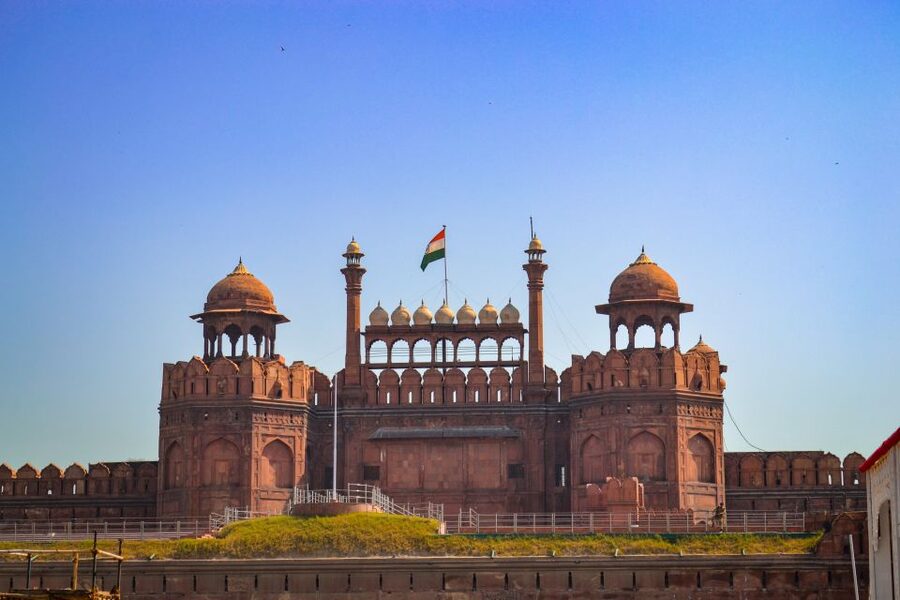
Along the way, you also get views of major landmarks like the Red Fort from the outside. You won’t be doing heavy monument entry, but those outside sightlines still help you orient. Once you connect streets to landmarks, the walled-city layout starts to make sense.
Khari Baoli Spice Market: How Wholesale Really Works
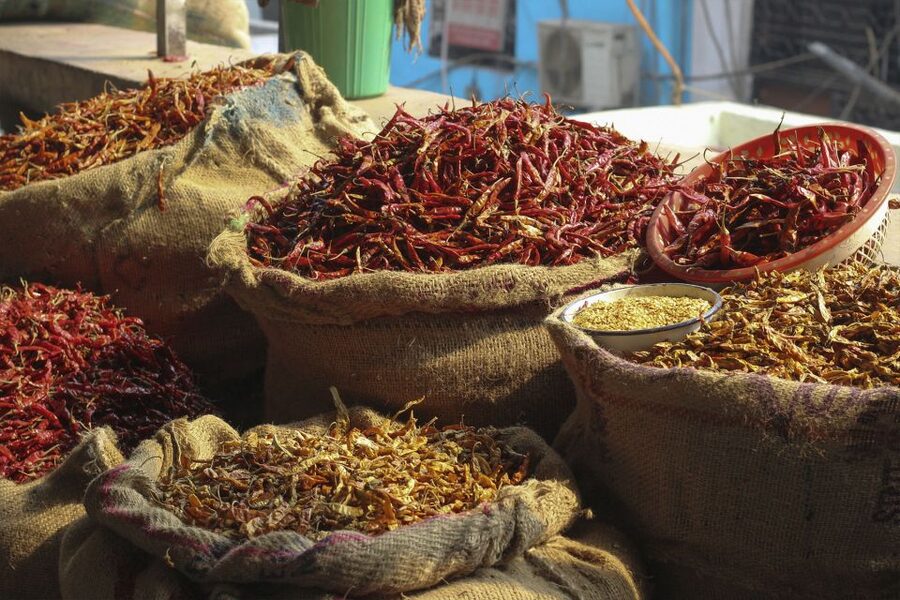
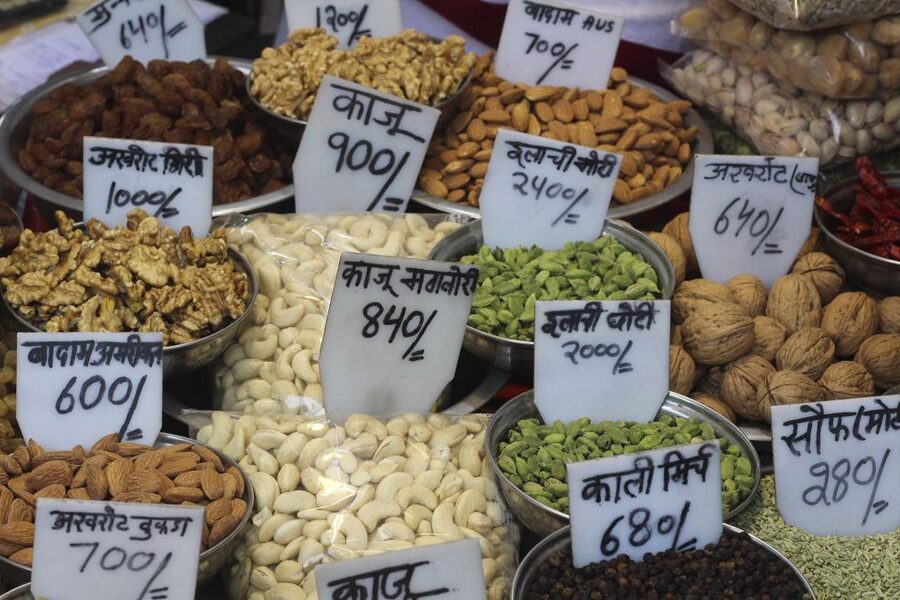
Then comes the star: Khari Baoli, described as Asia’s largest wholesale spice market. This is where Old Delhi stops being background chaos and becomes a destination.
You’ll spend guided time here and walk through the market area for around 15 minutes. What makes Khari Baoli special is the scale. You’re not browsing one small boutique section, you’re seeing wholesale supply logic at work: big stock, constant buying and selling, and the way spices move through a network of traders.
This is the moment you’ll really notice how spices show up in colors and smells, not just in packets at home. Expect guided explanations, and expect the market to feel busy in a very specific way, because wholesale areas do not pause for photos.
If you want souvenirs, this is the stop you plan for. It’s also where it helps to have a guide so you can move confidently without wandering into dead ends or spending time stuck at the wrong stall. Even if you don’t shop, you’ll walk away with a clearer sense of how Indian cooking ingredients reach stores across the city.
Rickshaw Views and Pedicab Transfers Through Tight Lanes

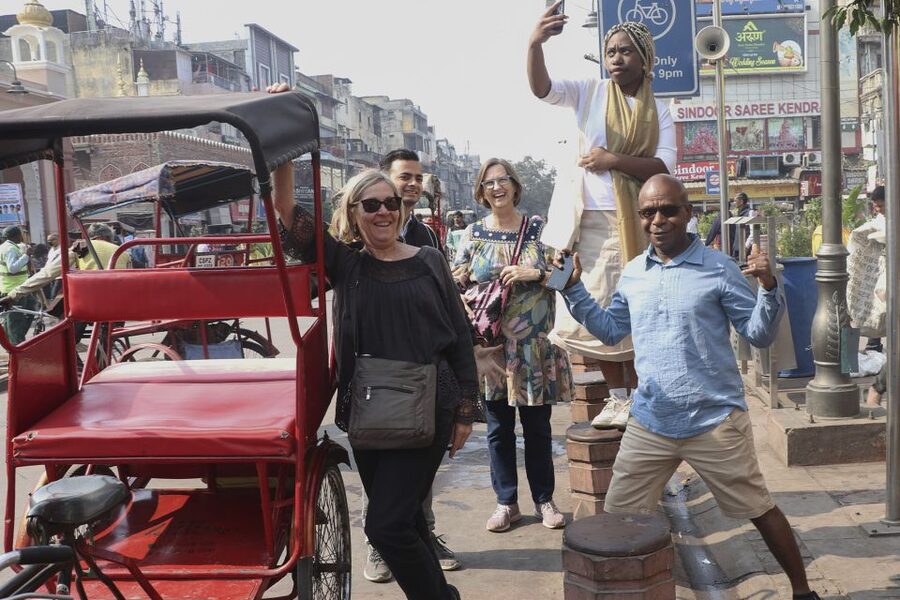
Old Delhi is packed with lanes that don’t behave like modern streets. That’s why this tour includes rickshaw or pedicab segments, not just walking.
You’ll ride for short bursts, including about 10 minutes early on, then again later for around 8 minutes. Those rides do two practical jobs. First, they give your legs a break during the most crowded stretches. Second, they let you see market activity from a higher viewpoint, so you can understand how crowds and traffic braid together.
One reason people love the rickshaw parts is the way they compress the city’s energy into a quick moving “survey.” You don’t have to fully stop and examine everything at once. Instead, you can identify where the most interesting lanes lead, then return on foot during guided stops.
This balance also affects your photo quality. From a rickshaw, you get a different angle on signage, temple courtyards glimpses, and the flow of people moving between stalls.
Jain Atishay Kshetra Lal Mandir and Kinari Bazar Side Streets
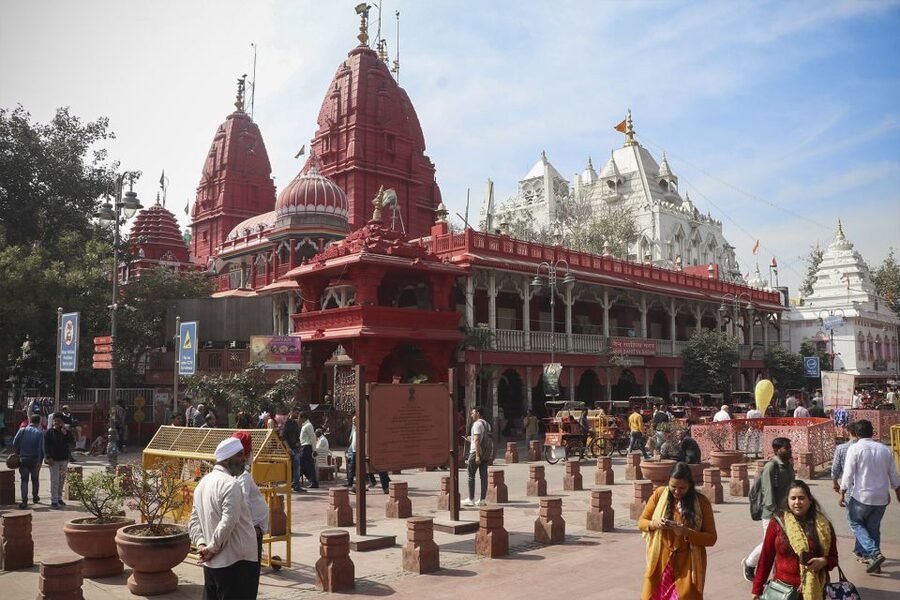
After Khari Baoli, the tour shifts to a slower, more reflective pace with a temple stop: Shri Digambar Jain Atishay Kshetra Lal Mandir. You get visit and guided time here for about 15 minutes.
A Jain temple stop is a welcome contrast. Markets fire up your senses, then you step into a different kind of focus. It helps to see how spiritual spaces operate within the same city blocks as trade and commerce. You’ll likely notice how the group moves with more quiet attention during this part.
Next comes Kinari Bazar, with guided tour time and walking. This section is for people who like atmosphere and everyday shopping scenes. You’re not just chasing big-ticket monuments. You’re experiencing the practical market lanes that locals use all the time.
Kinari Bazar also serves as a bridge to the tour’s lesser-known corners. If you’re the kind of traveler who likes seeing the areas beyond the obvious postcard spots, this is where you start to feel that payoff.
Paan Mandi and the Flower Market: Alleyway Details That Stick
Two lesser-known touches that stand out in the tour description are Paan Mandi and the flower market. These are the kinds of places that don’t translate well from a map. You have to be there, in the lane, watching how goods are arranged and how customers move.
Paan Mandi connections bring you toward the world of paan and related street traditions, where small items and quick exchanges are part of the rhythm. The flower market side is different, more about color, freshness, and the visible labor of arranging blooms for daily use.
Even when you don’t buy, these stops help you understand Old Delhi as a system. Food, flowers, spices, and ritual life all share the same physical streets. When you connect that, you walk away with more than photos. You carry an understanding of how the city feeds itself and celebrates.
Gurudwara Sis Ganj: Modesty, Sikh Kitchen Energy, and Possible Dinner
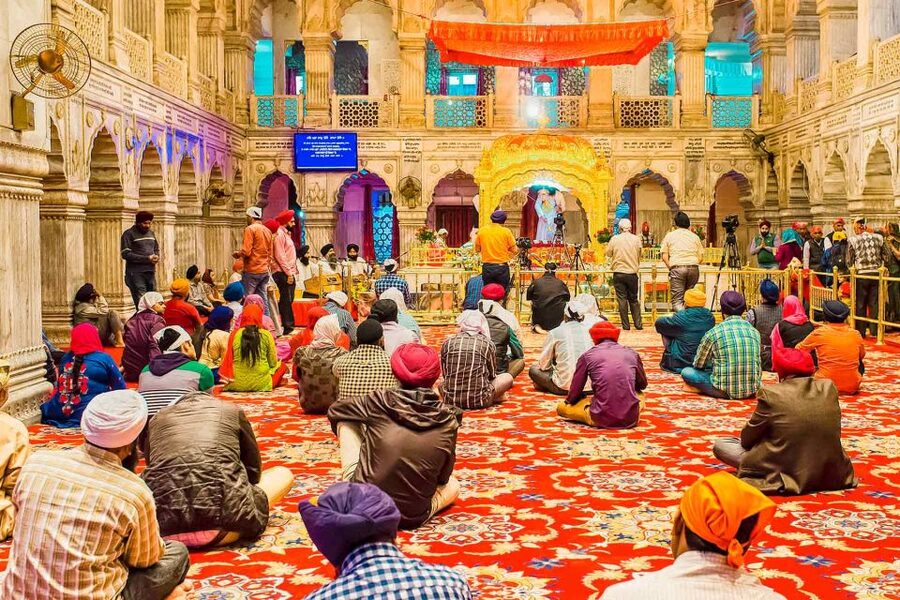
The tour ends with a key cultural stop: Gurudwara Sis Ganj. You’ll have guided visit time here for about 20 minutes.
You should plan for a place of worship with modest clothing rules. Shoulders and chest covered, clothing below the knee, and nothing too tight or revealing. This isn’t a technicality. In a temple environment, dressing appropriately helps everyone feel comfortable, and it sets the tone for the whole tour.
This stop is also where some groups get a taste of community life. One past experience noted hands-on kitchen participation, like helping make chapatti, and another mentioned enjoying dinner at the Sikh temple. Your own experience might differ by day, but it’s a very real possibility you should be open to.
Even without a kitchen invitation, the Gurudwara stop gives your tour a human center. After hours of commerce, you get the calm focus of a community space and a reason for people to gather beyond shopping.
Price and Value at $17: What You Get for Your Money
At $17 per person for about 3.5 hours, this is good value for a tour that includes a local English guide, a metro ticket, and a rickshaw ride. Those transportation pieces matter in Old Delhi, where timing can get messy fast.
What’s not included is also clear. Entrance fees to monuments are not included. That’s less of an issue here because several landmark moments are outside views, plus the stops are mostly guided visits where entrance fees might not dominate the experience.
Also, you should expect the tour to move at a steady but manageable pace, with short guided segments and walking time. One group reported the tour ran closer to 4 hours. I’d personally build in a small buffer in your evening plans, especially if you’re juggling dinner reservations nearby.
If you’re on a budget, the pricing is part of the logic. You’re not paying for luxury comfort. You’re paying for local navigation, market context, and getting safely routed through a dense part of Delhi.
Practical Prep: Shoes, Sunscreen, Modest Clothing, and Bag Rules
Old Delhi is walk-heavy, even when you take short rides. Bring comfortable shoes because you’ll be on uneven surfaces and busy sidewalks. Sunscreen is also a good call, since part of the route is outdoors.
Clothing matters because you visit a temple. Cover shoulders and chest, keep clothing below the knee, and avoid anything too tight or revealing. If you forget, you might find yourself making do on-site, and that’s just stress you don’t need.
You also can’t bring luggage or large bags. Traveling with a small day bag is the simplest approach, especially since market lanes can get cramped.
If you’re sensitive to crowds, it helps to know what you’re buying: this is a hands-on look at a working market city. If you want quiet, this is not the right neighborhood for that.
Who This Old Delhi Spice Tour Suits Best
This tour is a strong match for you if:
- You want a guided way to understand Old Delhi quickly, especially if it’s your first time
- You care about markets, not just monuments
- You like religious sites that show how many communities share the same area
- You want a rickshaw break for better views and less foot strain
Based on guide feedback, the experience also seems to work well for solo travelers. Past groups praised guides like Sam for being warm and welcoming, and Neresh, Naresh, and Hema for strong explanations and friendly pacing.
It’s not the best fit if mobility is a concern. The route is marked as not suitable for people with mobility impairments, so save yourself frustration.
Should You Book This Old Delhi Spice Market Tour?
I’d book it if you want Old Delhi’s real texture in a half-day format and you value direction. Khari Baoli, the temple stops, and the rickshaw viewpoints are exactly the kind of combination that helps you understand a chaotic city without losing your time.
I would skip it if your ideal trip is slow and calm, or if you cannot handle walking in crowded, tight areas. Also, if you already have a guide you trust for Old Delhi navigation, you might not need this specific route.
If you fit the first group, the $17 price, the included metro ticket and rickshaw ride, and the guided coverage of key markets make it a practical way to spend an evening in Delhi’s walled-city core.
FAQ
How long is the Old Delhi and Spice Market Tour?
The tour duration is listed as 3.5 hours.
How much does the tour cost?
The price is $17 per person.
What’s included in the tour price?
It includes a local English-speaking guide, a metro ticket, and a rickshaw ride.
What is not included?
Entrance to monuments is not included.
Where do I meet the guide?
The meeting point may vary depending on the option booked, but Rajiv Chowk is listed as a starting and drop-off location option.
What should I wear because there is a temple visit?
You should dress modestly, with shoulders and chest covered, clothing below the knee, and nothing too tight or revealing.
Is this tour suitable for mobility impairments?
No, it is not suitable for people with mobility impairments.
What is the cancellation policy?
You can cancel up to 24 hours in advance for a full refund.
More Delhi City Tours to consider.
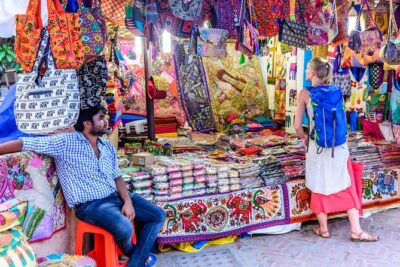 ★ 5.0Old & New Delhi City Tour – Half or Full Day Options AvailableTickets from $384,811 traveller reviews
 ★ 5.0Same Day Taj Mahal, Agra Fort & Baby Taj Tour from Delhi by CarTickets from $624,304 traveller reviews
 ★ 5.0Taj Mahal Day Tour from Delhi by Superfast Train – TOP RATED TOURTickets from $1004,166 traveller reviews
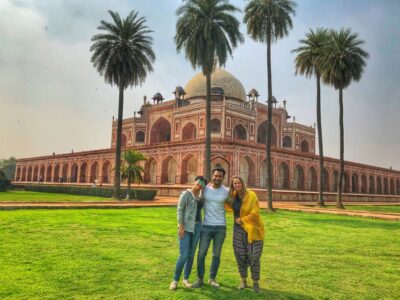 ★ 4.9Old and New Delhi Private Full or Half-Day TourTickets from $23,776 traveller reviews
 ★ 5.0Full Day Taj Mahal, Agra Fort & Baby Taj Tour from Delhi by CarTickets from $623,647 traveller reviews
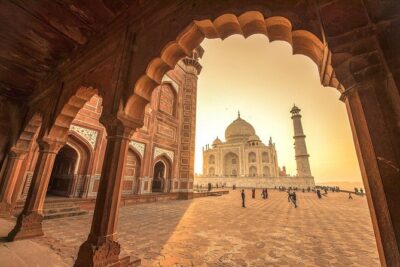 ★ 4.9From Delhi: Taj Mahal & Agra Private Day Trip with TransfersTickets from $43,181 traveller reviews
 ★ 5.0Taj Mahal Tour from Delhi by Express Train (Viator Award Winner)Tickets from $752,849 traveller reviews
 ★ 5.0All Inclusive Private Taj Mahal Luxury Tour from Delhi by CarTickets from $622,564 traveller reviews
More useful Delhi routes