
Review · DELHI CITY TOURS
Guided 3‑hour rickshaw ride through Old Delhi with transfers
A rickshaw makes Old Delhi feel personal. This guided 3-hour ride strings together classic sights and real street life, from Chandni Chowk to Khari Baoli spice market, with temple visits timed so you still have time to snack and shop. You also get hotel pickup and drop-off, which matters in a place where getting around can be chaotic.
What I like most is that the tour format is built for first-timers: you get help navigating crowded lanes, plus a guide who can explain what you are seeing in plain terms. I also like that you are not stuck on only one kind of stop, you mix markets like Chawri Bazaar and Kinari Bazaar with the bigger “wow” moments of Jama Masjid and Gurudwara Sis Ganj Sahib. One thing to plan for: the places of worship have a strict dress code, and you will remove shoes, so pack for that.
Quick hits: what makes this Old Delhi rickshaw tour worth it
- Rickshaw time in the tight lanes so you spend less time fighting for a path and more time actually seeing Delhi on the street level
- Temple stops that include real logistics like covered shoulders and knees, plus shoe removal, not just photos
- A market loop that makes sense from wholesale-style Chawri Bazaar to the wedding accessory shops of Kinari Bazaar, then into the spice markets
- Jama Masjid is the big-ticket add-on since the entrance fee is not included (₹450 per person)
- Small groups up to 12 people so your guide can keep things moving without turning it into a conga line
Why a 3-hour rickshaw route works in Old Delhi
Old Delhi is not a place you conquer with speed. It is a place you navigate with the right pace. This tour is about staying flexible while you move through narrow lanes, market corridors, and temple areas, all in one guided block of around three hours.
You get a bicycle-driven rickshaw ride that feels practical here. Cars and buses do not handle the tight turns well, and walking the whole way can turn into a shuffle. With a rickshaw, you can slow down without getting stuck, and you can still hop off when you need to. The stops are short enough to keep energy high, but long enough that you can actually look around and not just pass by.
The other big plus is the setup with transfers. Hotel pickup and drop-off mean you are not spending your best daylight window figuring out how to reach the start point. It also reduces the odds of arriving late, because Old Delhi queues and traffic can mess with timing.
You can also read our reviews of more guided tours in New Delhi



Chawri Bazaar: brass, copper, paper, and old market lanes
You start at Chawri Bazaar, one of the older trading areas in Delhi. The focus here is wholesale, and you will notice it right away. Instead of only tourist trinkets, the lanes tend toward practical goods, especially items like brass and copper products, plus paper-related trading.
In my view, this is a smart first stop because it gives you orientation. You see how the market system works before the tour hits the bigger crowd magnets. The lanes are narrow, the buildings show their age, and it is easier to understand the rhythm of shopping here than it is in the busiest sections later.
Plan for this stop like you would any market walk. Look first, then decide. If you want spices or souvenirs later, you can use Chawri Bazaar as your warm-up for what you are likely to see and how bargaining and browsing typically feels.
Jama Masjid: the big Mughal statement and the entrance fee reality
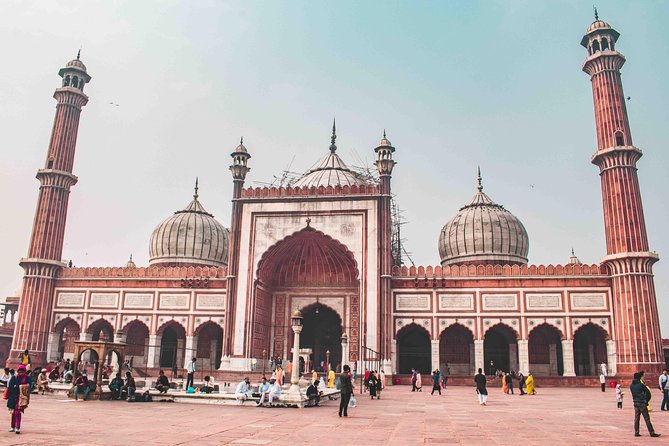
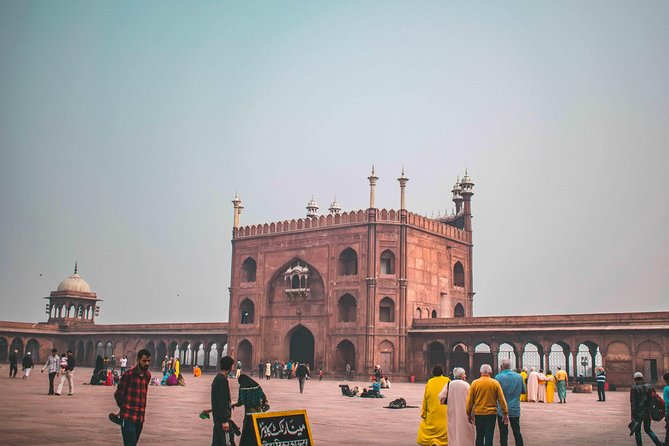
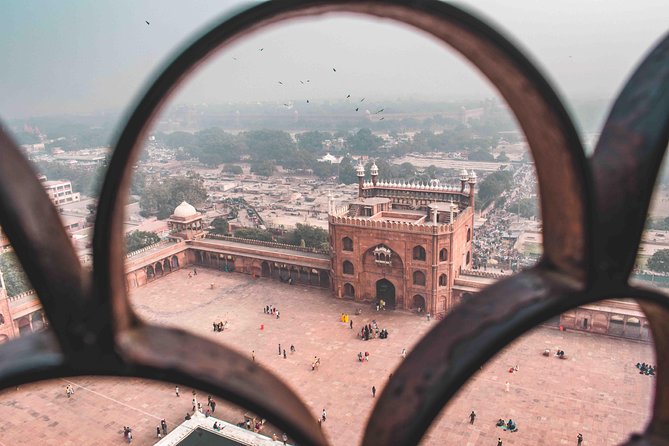
Jama Masjid is the centerpiece stop, and it is one of the most impressive mosque complexes in India. When you arrive, expect scale. The architecture pulls your eyes upward and outward, and it is the kind of place where you naturally slow down because there is so much to take in.
You have about 30 minutes for exploring, and you can also choose to climb the minaret for views if it is offered during your visit. Do not treat that climb as guaranteed. Treat it as an optional bonus if you feel good and conditions allow.
Here is the practical piece you need before you go: the Jama Masjid entrance fee is not included and is listed as ₹450 per person. That means your real total is your tour price plus that add-on if you enter. If you skip the mosque interior, you may miss part of what makes this tour special.
Also keep the worship rules in mind. Knees and shoulders must be covered. Shoes must be removed and will be stored for you. That can feel awkward at first, but once you know the routine, it is manageable.
Kinari Bazaar and Naughara Gali: wedding accessories and old havelis
After the main mosque stop, the tour shifts tone. Kinari Bazaar is known for wedding accessories, especially the kinds of decorations and trims people use for ceremonies and celebrations. Expect color, lots of small displays, and a shopping feel that is more specific than a general souvenir lane.
This is a short stop, around 10 minutes, so the goal is not deep buying. It is to get the texture of the place. If you are curious about Delhi craftsmanship and you like looking at detailed items, Kinari Bazaar is a good way to see that side without turning your whole day into shopping.
Then you drive through Naughara Gali, which is a lane with old havelis, traditional mansion-style architecture. You might not spend long on foot here, but it adds contrast. You go from monumental religious architecture to everyday street geometry and residential facades from another era.
If you are the kind of traveler who likes photos, this is where you will want to keep your phone accessible. Look for doorways, wall details, and the way the lane curves. Old Delhi rewards small attention, not just wide shots.
Gurudwara Sis Ganj Sahib: Sikh temple visit and the chance of langar
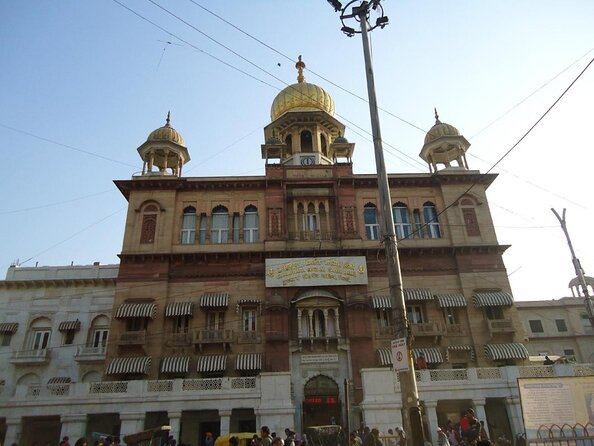
Next comes Gurudwara Sis Ganj Sahib, a significant Sikh place of worship. You are given about 30 minutes here, which is enough time to see what you need and still stay respectful without rushing.
One thoughtful possibility is the langar, the community meal run by the gurudwara. The tour notes that you may be able to partake if it is available. This is not something you should bank on, but if you get the chance, it is often one of those experiences that feels grounded and human, not staged.
Because this is still a worship site, the same rules apply. Knees and shoulders covered, shoes off, and you will store them safely. Wear easy slip-on footwear. You want shoes that you can remove and put back on quickly without turning the visit into a shoe drama.
This stop is also a good pause. After markets and the mosque, a temple visit gives your senses a reset. The area tends to feel more orderly than the surrounding commercial lanes, even though people are still moving.






Chandni Chowk: the classic market street and where you can snack
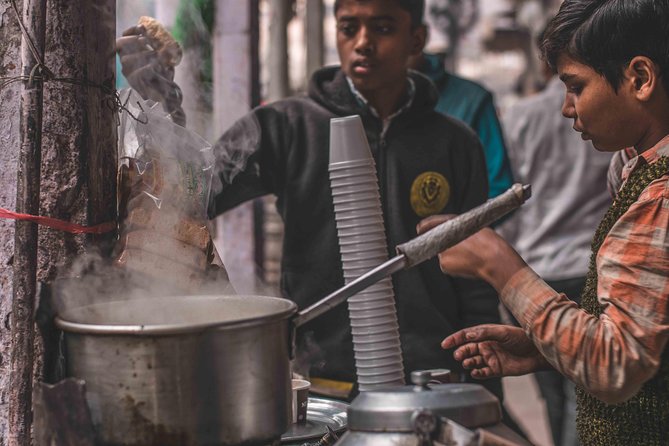
Then you head into Chandni Chowk, one of Delhi’s oldest and busiest markets. This is where Old Delhi really shows you its everyday side: food counters, cloth and clothing shops, and a lot of people doing normal errands.
You get about 30 minutes here, which is the right length for a quick snack or a careful look at a few stalls. This is also where your guide’s pacing matters. Chandni Chowk can feel like a river of motion. If your guide is good, you will know where to step aside, what to look at first, and how to avoid getting stuck in the wrong crowd flow.
Think of this as your “taste and pick” zone. If you want to try street food, do it here with time to walk it off. If you want souvenirs, this is where you can look for small items without feeling like you are only passing through.
Khari Baoli spice market: ending at Asia’s biggest spice market
You finish at Khari Baoli, described as Asia’s largest spice market. This is a strong ending because it is sensory. You will see stacks of spices, baskets, and vendors working their way through the flow. Even if you do not buy anything, the place gives you a clear idea of how spices are traded in bulk.
You get about 30 minutes at the market. That is enough time to take a walk and if you want to shop, you can purchase spices to take home. If you do buy, plan to do it thoughtfully. Smell as much as you can before paying, because spices can vary a lot in aroma and quality.
Also, remember the practical realities of buying spices in a busy market. You may handle small items often, and your shoes will still be part of the routine if you entered a worship place earlier. You will want to keep your hands clean and your bags organized.
Your guide can make or break Old Delhi
This tour is led by a local guide who speaks English. The difference between an okay guide and a great guide shows up fast in Old Delhi. A good guide helps you spot what matters, not just what is visible.
In the experience of guides named in connection with this tour, people often highlight the guide as the real highlight. Names like Akansha, Kanika, and Mona show up with the same theme: local familiarity and a way of explaining without making it feel like a lecture.
What you should look for in a guide, even before you meet them, is how they handle crowd flow. In a place like this, a coordinated plan matters. You want someone who can tell you when to walk, when to stop, and how to keep the group moving through dense areas. That is a big reason a guided rickshaw tour can feel more relaxed than striking out alone.
Price and value: what $26.74 covers and what to add
At $26.74 per person, this tour price is mainly covering three things: guided time, the rickshaw ride through Old Delhi, and hotel pickup and drop-off. It is not just a vehicle rental and a quick pass by landmarks.
For value, I like that the itinerary is built around variety. You get markets (Chawri Bazaar, Kinari Bazaar, Chandni Chowk, Khari Baoli), plus two major religious sites (Jama Masjid and Gurudwara Sis Ganj Sahib). That mix means your money is not only buying transport, it is buying time savings and interpretation.
The one clear add-on is Jama Masjid entrance fee, listed as ₹450 per person. That is the main budget item you should factor in before you commit. If your plan is to enter the mosque, treat this fee as part of the real cost.
Also, you might want to budget extra for snacks and for any spices or small souvenirs you decide to buy. The tour includes stops for those experiences, but the food and purchases themselves are not stated as included.
One more value note: group size is capped at 12 travelers. In crowded zones, smaller groups often mean fewer headaches, and a better chance that your guide can keep you together.
How to wear and pack for temples and shoe removal
You are visiting places of worship twice, and the rules are explicit. Knees and shoulders must be covered at all places of worship, and you will remove shoes and slippers. Your shoes are stored safely for you.
So wear something easy:
- A lightweight top that covers shoulders
- Pants or long skirts that cover knees
- Slip-on footwear that comes off fast
If you are traveling from a hotel or you are doing other activities that day, plan your outfit around this tour. It is easier than trying to find a substitute when you arrive.
Also, keep a small bag for what you remove. Even if storage is handled, you want to stay organized. Old Delhi is busy, and you will feel better if you do not have loose items floating around.
Pace tips: make the most of the short stops
This is a 3-hour experience with multiple short segments. That means you need a “quick look” mindset at each stop.
Here is how to do it well:
- Decide what you want from each stop, like photos at Jama Masjid, quick browsing at Kinari Bazaar, shopping at Khari Baoli
- Take breaks when your guide suggests it, especially near dense sections
- Keep expectations realistic for minaret views and food stops. If something is crowded or timed, you might not get every optional moment
When it is pouring rain or if humidity is high, this kind of guided ride can still work, but you may feel the day more. Comfortable walking shoes help, even though you are riding in a rickshaw.
Should you book this Old Delhi rickshaw tour?
I think you should book it if you want a fast, guided taste of Old Delhi with less stress than doing everything solo. It is a strong choice for first-timers who want a smart route, a guide to help with crowd navigation, and a mix of markets and two major worship sites.
You might skip it if you hate markets, hate crowds, or you are not interested in religious sites and their dress requirements. Also, if you are strict about budgeting, remember the Jama Masjid entrance fee is not included, so add it to your planning.
If you are ready for classic Delhi in a short window, this tour is a practical way to see more, shop better, and leave with fewer question marks about where to go next.
More Guided Tours in New Delhi



More Tour Reviews in New Delhi



Not for you? Here's more nearby things to do in New Delhi we have reviewed









More Delhi City Tours to consider.
 ★ 5.0Old & New Delhi City Tour – Half or Full Day Options AvailableTickets from $384,811 traveller reviews
 ★ 5.0Same Day Taj Mahal, Agra Fort & Baby Taj Tour from Delhi by CarTickets from $624,304 traveller reviews
 ★ 5.0Taj Mahal Day Tour from Delhi by Superfast Train – TOP RATED TOURTickets from $1004,166 traveller reviews
 ★ 4.9Old and New Delhi Private Full or Half-Day TourTickets from $23,776 traveller reviews
 ★ 5.0Full Day Taj Mahal, Agra Fort & Baby Taj Tour from Delhi by CarTickets from $623,647 traveller reviews
 ★ 4.9From Delhi: Taj Mahal & Agra Private Day Trip with TransfersTickets from $43,181 traveller reviews
 ★ 5.0Taj Mahal Tour from Delhi by Express Train (Viator Award Winner)Tickets from $752,849 traveller reviews
 ★ 5.0All Inclusive Private Taj Mahal Luxury Tour from Delhi by CarTickets from $622,564 traveller reviews
More useful Delhi routes