Review · NEW DELHI
Himalayas: 11 Day Motorbike Expedition To Ladakh (North India)
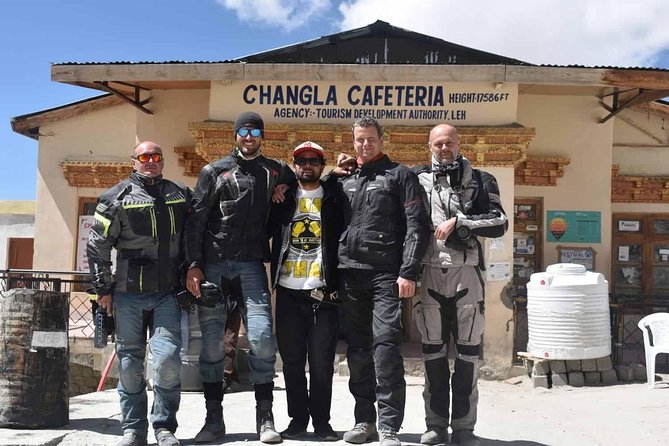
11 days on two wheels in thin air. This Ladakh motorbike expedition trades bus cruising for a packed route between Delhi and Leh, with photo stops at high mountain passes like Tanglang La and Bara-Lacha La, plus daily sightseeing breaks that help the drive feel less like a chore. I like that it is set up as a pre-planned loop instead of you guessing routes and paperwork on your own, and I also like that they build in safety and maintenance with a backup vehicle and mechanic.
One consideration, though: this is not a casual tour. You need moderate physical fitness, you are riding long days (some around 9 to 10 hours), and rider protective gear is not included unless you rent knee pads and elbow guards.
You also spend a lot of time at high altitude, so cold starts and slower breathing are part of the deal. If you show up with patience, layered clothing, and a realistic pace, you will have a very memorable trip.
Key points I’d anchor on
- Backup vehicle plus mechanic from day 3 to day 10, with oxygen and first aid gear on hand
- Real high-pass photo stops at Tanglang La, Bara-Lacha La, and other major climbs
- Included meals (breakfasts and dinners) that help you budget for the road
- Twin-sharing stays that keep costs controlled while you acclimate
- English-speaking road captain to handle driving logistics and route decisions
From Delhi to Manali, then straight into mountain driving
The trip starts with an overnight Volvo bus ride from Delhi or Chandigarh to Manali. It is a smart way to begin, because you arrive in the mountains without burning a day on travel, and you get a chance to reset before the riding really starts.
On day 2, after you reach Bhuntar, the expedition guide meets you at the bus stand and takes you to your hotel. The main value here is simple: you avoid that first-day confusion where everyone is trying to coordinate gear, timing, and local directions at once.
If you have ever tried to “wing it” in northern India, you know how quickly it can turn into stress. This tour gives you a set rhythm right from the beginning, which matters more in the Himalayas than you might think.
You can also read our reviews of more tours and experiences in New Delhi.

Why the route planning feels like a safety feature
This is not just a scenic ride, it is an organized expedition with documents and timing handled by the team. On day 4, there is a stop at Darcha where they check necessary document details, and the key point is that you do not need to manage the paperwork yourself. That lowers friction on a day where you are already focused on road conditions and altitude.
Another thing I appreciate is the way the route is paced with realistic overnight stops. You ride, you rest, you eat, and you repeat, with nights at places like Jispa, Hunder, Merak, and Hanle. That rhythm helps you keep your energy for the big pass days.
And because this is a private tour/activity, your group is the only group participating. That usually means less waiting around and more predictable group flow, which is what you want when roads get slow.
Day 3 to day 4: Rohtang tunnel views, villages, and Shinkula pressure
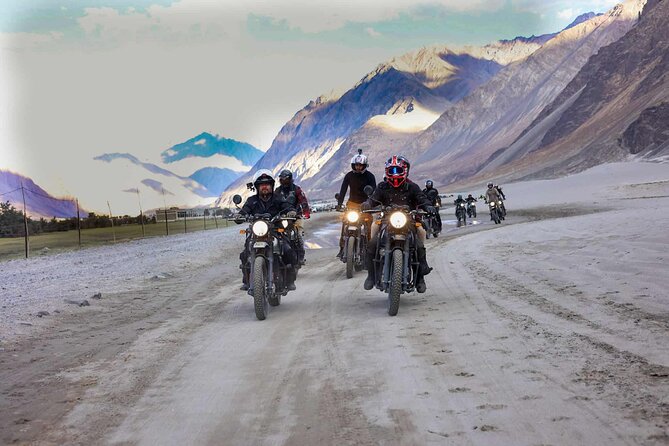
Once breakfast is done on day 3, the journey starts and the day is built around quick photo stops plus one significant piece of infrastructure. You roll through Manali for photos, then you get to Atal Tunnel, built under Rohtang Pass. Even if you are not a tunnel person, it is a memorable engineering moment and a natural checkpoint on the road.
After that, the route shifts into smaller, more local stops that make the drive feel like a journey rather than a series of highway errands. Sissu is one of those stops, and it is known for the rural way of life, with less of the urban feel you may be used to back home. You also stop in Tandi for petrol, then overnight in Jispa.
On day 4, you hit Darcha for document checks, then head toward Shinkula Top for views and photos. Shinkula is described as a challenging yet rewarding spot, so it is worth taking it slow there. Even when the stop is short, the altitude can make you feel it.
The drawback of this portion is also the nature of the tour: the stops are mostly for photos and short breaks. If you want long, unhurried wandering time every day, you might feel the schedule is tight.
Padum to Lamayuru: the long ride day and the Singga La moment
On day 5, you go from Padum to Lamayuru over a distance of about 332 km, and the riding time is expected around 9 to 10 hours. That is a full-day effort on a motorcycle, even with a support setup behind you.
Along the way, you pass through major pass country. The most highlighted moment is Singga La at 5,009 meters, where you get 30 minutes for views and the kind of high-altitude photos that look almost unreal. At this height, even a brief pause can be a little breathy, so do not treat it like a casual roadside viewpoint.
Then you end the day in Lamayuru, which is also where your trip starts to shift from mountain pass grind into a clearer “Leh region” rhythm.
If you are the type who likes the drive almost as much as the destination, this is one of the strongest days. The road is the story, and the altitude keeps reminding you you are in a very different world.
Leh arrival and the city reset: markets, stupa views, and acclimation
Day 6 is where Leh becomes the center of gravity. After breakfast, you ride about 127 km, usually around 3 to 4 hours depending on road conditions and scenic stops. That is a welcome change from the long mileage days, and it gives you time to actually arrive and absorb the vibe.
In Leh, you explore sights like Magnetic hill, Pathar Sahib Gurudwara, Shanti stupa, and Leh Palace. You also get time in Leh Market, which is practical because it lets you resupply, pick up small items you forgot, or just rest your brain for a bit.
This day matters because it helps you acclimate without turning the trip into pure driving. Leh is not just a stop, it is where you reset before the Nubra and Pangong days start stacking up.
If you are sensitive to altitude, treat the first city day like a breathing day, not a shopping sprint.
Khardung La to Nubra: big altitude drama and Diskit Gompa
On day 7, you head to Nubra Valley via Khardung-La pass, described at an altitude of 18,000 feet. There is a short photo stop at Khardung La, plus a tea break at Khardung and more stops for pictures.
Then Nubra Valley comes into focus with a key cultural stop: Diskit Gompa, where the ticket is included and you get about an hour. That hour is important, because it gives the trip texture beyond roads and photo frames.
You also stop in Hunder for lunch and overnight. Hunder is a practical base because it sets you up for the next day’s ride toward Pangong Lake.
The strength of this day is balance: you get the high-pass adrenaline, plus a real stop with a monastery you can spend time inside. The consideration is that the day is still packed with stops and driving, so plan to be a little tired even if the views are worth it.
Pangong Tso day: Shyok River riding and the long photo session
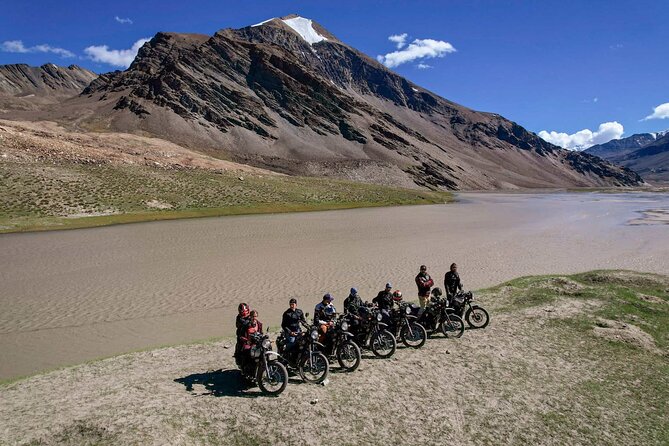
Day 8 covers about 180 km, usually 6 to 7 hours of riding along the banks of the Shyok River. This is the kind of day where your attention gets trained on the road because it is always changing, always pulling your eyes toward distant peaks and wide water.
You stop at Agham for tea, then Durbuk for lunch. The main photo time comes at Pangong Tso, where you spend about an hour for photos and videos. Then you overnight at Merak, near the bank of Pangong Lake.
Pangong Tso days can feel like a highlight reel, and here you get enough time to enjoy it without rushing everyone back immediately. One practical note: you are riding for hours first, so it helps to keep your warm layers ready. High altitude and lakeside weather can flip fast.
If you are hoping for long hikes around the lake, this tour is not built for that style of deep exploring. It is built for riding, stops, and time at viewpoints.
Chushul to Hanle: remote-feeling days with real village stops
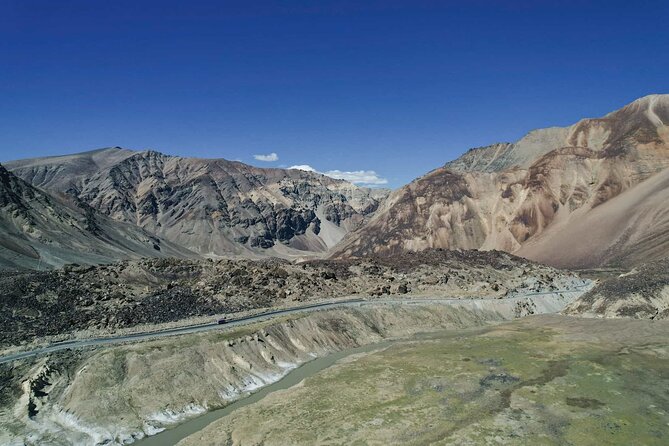
Day 9 takes you from Leh region routing toward Hanle, covering about 150 km. You start with Chushul for photos and videos, then Mahe for tea, then Nyoma for lunch, and you overnight in Hanle.
This day stands out because it feels more remote and less crowded, simply because you are farther along the high-road chain. The stops are short, but they break up the ride in a way that keeps you from getting mentally fried.
Hanle is a night base, which means you get time to settle once you arrive. That matters because the ride to Hanle is described as about 150 km, and you will likely feel the altitude by then.
The main consideration here is stamina. If you struggle with long motorcycle days, make sure you pace your effort and take the offered tea and lunch breaks seriously.
The return via Umling La: world’s highest motorable road photos
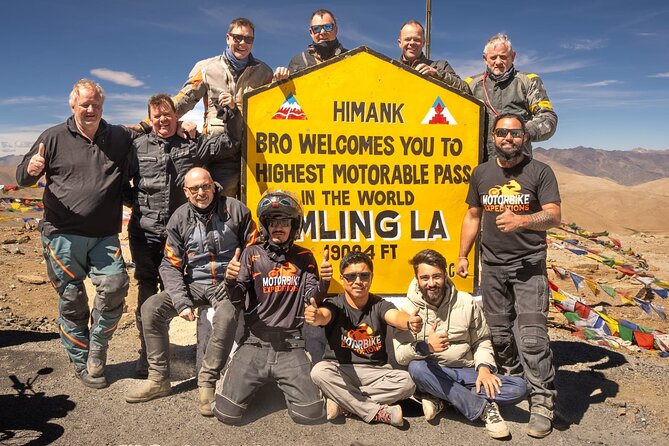
On day 10, you head back toward Leh from Nubra. One highlight is Umling La, described as the world’s highest motorable road, with time for photos and videos (15 minutes).
After Umling La, you return to Hanle for lunch, then continue on to Leh for an overnight stay. The structure keeps you from trying to do everything in one day, and it gives you a break after the most intense pass moment.
This is the day where you can feel the trip ending, but you still get one last big “wow” stop. It is also a good reminder that on motorcycle tours, the ending can still be the sharpest part, because you are still climbing and descending on high roads.
Final drop day: saying goodbye after the overnight return
On day 11, you greet your fellow riders and bid farewell. Then there is an overnight journey of about 12 hours that drops you in Delhi, the nation’s cap.
It is the final contrast: you start the trip riding and sightseeing, and you end by transitioning back toward city life. If you can, give yourself an extra day in Delhi after arrival, just to absorb the fatigue and handle laundry and emails without rushing.
Safety and support that actually show up on the road
This expedition is built around a safety concept that is practical, not theoretical. From day 3 to day 10, there is one backup vehicle carrying luggage, plus a mechanic. You also have a first aid box and an oxygen cylinder available.
They also carry spare parts that can be changed on the bike during the tour, including front and rear tubes, spark plug, clutch and brake wire, clutch and disc brake pads, engine oil, and clutch plate. You also get extra fuel for the backup vehicle.
That support matters because high-altitude roads can shake up bikes in ways that a normal city commute never does. Even if you ride carefully, you are dealing with cold starts, uneven surfaces, and long stretches.
One consideration: the tour lists specific costs not included, including any spare part costs due to accidental damage incurred when the motorbike is in your possession, and any towing costs if the motorbike is dropped. So support is strong, but you should still ride like the bike belongs to someone you respect.
Meals, twin-sharing stays, and the rhythm of rest
Food is handled with practical inclusions: breakfast (10) and dinner (9) are included. That helps you keep your daily spending more predictable and it removes the need to hunt for safe meals at the end of long rides.
You also stay on a twin-sharing basis. Shared lodging is not glamorous, but it is common on motorcycle expeditions because it keeps the budget realistic and it helps you focus on riding and recovery.
The pace is what makes or breaks a tour like this. With riding days that can reach 9 to 10 hours, you will want to arrive each day ready to rest, eat, and sleep. If you think you will be sightseeing late into the night every day, the schedule will push back.
Gear and baggage limits: what you should pack before you go
Your rider protective gear is not included. Knee pads and elbow guards can be hired for Rs. 750, listed as for the whole trip. So if you want to avoid last-minute rental surprises, consider bringing at least basic protective pieces yourself.
Baggage size matters here. The advisable maximum baggage size should not exceed 60 liters, and you carry the luggage to the backup vehicle and into the accommodation. That means you cannot treat your bag like it is magically delivered by someone else.
A good approach is to pack lighter than you think you need and make sure you have warm layers. The tour includes oxygen support and first aid, but you still want to keep yourself comfortable on cold mornings.
Price and value at $2,004.76: what you get for your money
At $2,004.76 per person for an 11-day expedition, you are paying for route structure plus high-road logistics. What stands out in the value is the combination of:
- a backup vehicle and mechanic during the main riding stretch (day 3 to day 10)
- oxygen and first aid equipment
- included environmental and permit fees
- spare parts availability for on-tour maintenance
- breakfasts and dinners
- twin-sharing accommodation
- an experienced English-speaking road captain
Where costs can rise is also clearly defined. Personal expenses like phone, laundry, tips, and table drinks are not included. Insurance of any type is not included, and any accidental damage related spare parts or towing are also not included. So your real budget depends on how carefully you handle the bike and how often you need extra purchases.
If you want a motorcycle trip where your day plan is handled and help is built in, this price starts to make sense. If you plan to ride very lightly and you already own quality gear and protectors, you may feel the value more strongly.
Who should book this Ladakh motorbike route
This fits best if you are an adventure-seeking biker who can handle high altitude and long days in the saddle. The tour also requires moderate physical fitness, so you should feel comfortable with the stamina demands.
You should consider it especially if you want:
- a pre-planned route with short photo and sightseeing stops
- built-in mechanical backup and safety supplies
- a support system that reduces stress on remote roads
It may not fit you if you hate schedules, want tons of free time away from the group, or need a fully rest-day style itinerary. This is a ride-first expedition.
Should you book it?
I think this is a strong booking choice if you want Ladakh by motorcycle without pretending you are fully self-sufficient. The big reason is the support layer, backup vehicle, mechanic, first aid, oxygen, and spares, paired with included meals and an organized route.
Do not book it if you are hoping for cheap, hands-off travel where nothing extra ever costs. Rider gear is not included, insurance is not included, and accidental damage or towing costs can fall on you.
If you go in prepared, ride smart, and treat rest as part of the plan, you should come away with the kind of high-pass memories that are hard to fake and hard to forget.
FAQ
What is the duration of this Ladakh motorbike expedition?
The tour runs for 11 days approximately.
Where does the tour start and end?
The meeting point is Leh 194101, and the end point is also Leh 194101.
Is a backup vehicle and mechanic included?
Yes. A backup vehicle to carry luggage and a mechanic are included from day 3 to day 10, along with a first aid box and oxygen cylinder.
Are breakfasts and dinners included?
Yes. Breakfast is included 10 times and dinner is included 9 times.
What baggage limit should I follow?
The advisable maximum baggage size should not exceed 60 liters, and you carry the luggage to the backup vehicle and into the accommodation.
Is insurance included in the price?
No. Any type of insurance, including medical, accidental, or theft, is not included.