
Review · DELHI CITY TOURS
Kailash Colony Market Tour & Amritsari Cooking Class in New Delhi
A Delhi dinner starts at the market. This experience pairs a walk through Kailash Colony Market with hands-on North Indian cooking at Shivani’s home, including a shared meal afterward. What I like most is how real it feels, you’re not just watching food happen, you’re learning why it tastes the way it does.
I also really like the food focus. You cook for about an hour and learn two to three dishes (like dal makhni, paneer options, and rotis), not some rushed menu of ten things. You’ll get to taste what you make, with conversation with your host and time to ask questions.
One thing to consider: there’s no hotel pickup or drop-off. You’ll start at Chirag Enclave, Greater Kailash, so plan an easy way to get there using nearby public transportation, especially if you are traveling solo.
Key Things You Should Know Before You Go
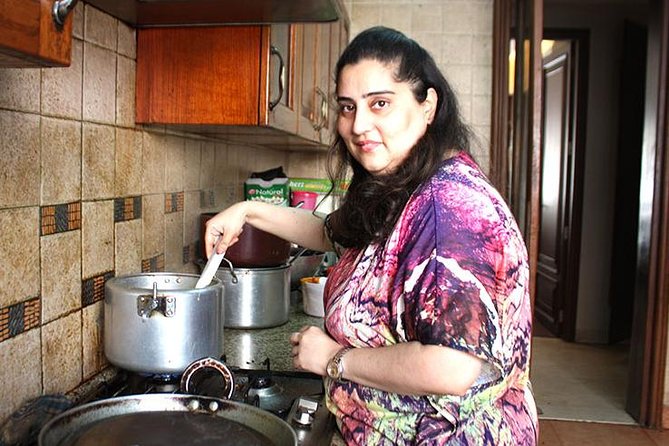
- A real bungalow kitchen, hosted by Shivani, in a more local neighborhood vibe than a studio classroom
- Kailash Colony Market for seasonal produce and spice shopping you can actually repeat later
- Hands-on cooking for about an hour, focused on 2 to 3 North Indian dishes
- Beverages included, including local beer, plus a welcome drink when you arrive
- Lunch or dinner options so you can match it to your Delhi schedule
- Vegetarian option available if you tell them in advance
From Market Stroll to Shivani’s Dining Table
If you want Delhi food lessons that feel practical, this is a strong choice. The tour runs about 3 hours 30 minutes, and it flows in a simple rhythm: meet your host, tour the market, cook, then eat what you made together.
I like that the experience is built around comfort and real habits. Shivani welcomes you into her home in Greater Kailash, and the pace stays relaxed from the welcome drink through ingredient shopping. It’s the kind of setup where you can ask normal questions, like what to look for in spices or why one step matters, and you don’t feel rushed.
This is also where the Amritsar angle adds something. Amritsar and Punjabi cooking share a lot of DNA with classic North Indian flavors, but your menu choices tend to reflect a Punjabi home-style approach. You’re not learning generic restaurant recipes, you’re learning what a household makes and how they think about it.
You can also read our reviews of more shopping tours in New Delhi


Where You Meet in Greater Kailash and How the Timing Works
The start point is Chirag Enclave, Greater Kailash, New Delhi 110048, and the experience ends back at the same meeting point. There’s no hotel pickup and drop-off, so you’ll want to plan your route ahead.
The schedule also matters. Because you have lunch or dinner-time options, the meal you help cook lands at a time that feels useful, not late and chaotic. If you’re the type who hates squeezing experiences into every minute, this length is a sweet spot. You get enough time to learn and cook, but you are not committing to a half-day that derails your sightseeing.
The tour is described as private, with only your group participating. In practice, this usually means you get more attention while cooking and more time with your host when questions come up. It’s a nice fit if you’re traveling solo too, because you’re not forced into being quiet in a big mixed crowd.
Kailash Colony Market: Seasonal Produce, Spices, and What to Look For
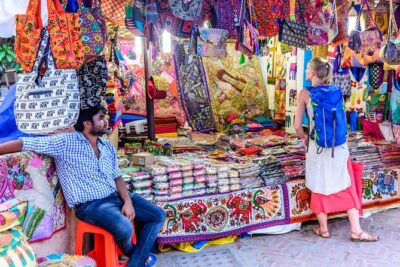
The market walk is where the trip earns its keep. After Shivani’s welcome drink, you head to Kailash Colony Market to learn about seasonal produce and the kinds of ingredients that drive North Indian flavor.
This part is especially valuable because market knowledge transfers to your home kitchen. You’re not just buying pre-decided items, you learn what produce is in season, how different ingredients work in Indian cooking, and how spices are used. When you can shop with confidence, cooking at home becomes less intimidating.
You also get the chance to pick up a few ingredients before returning to the home kitchen. That’s practical for two reasons: first, you can bring back spices and staples you’ll actually use; second, you get a small shopping list guided by someone who cooks these dishes regularly.
One review highlights the joy of buying spices to bring home after the market walk, and another mentions learning how the market works, not just what to buy. That same idea is what makes the market time feel more than sightseeing.
Shivani’s Home Bungalow Setup: Welcome Drinks and a Real Kitchen Flow
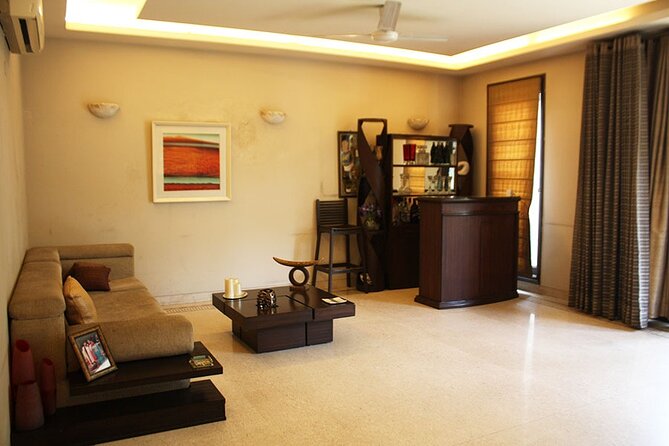
Back at Shivani’s home, you get that warm “you’re invited here” feeling that makes food lessons work. The home setting matters. In a standard cooking class, you might feel like you are following steps at a distance. Here, you’re in the household environment, so the teaching feels connected to how people actually cook.
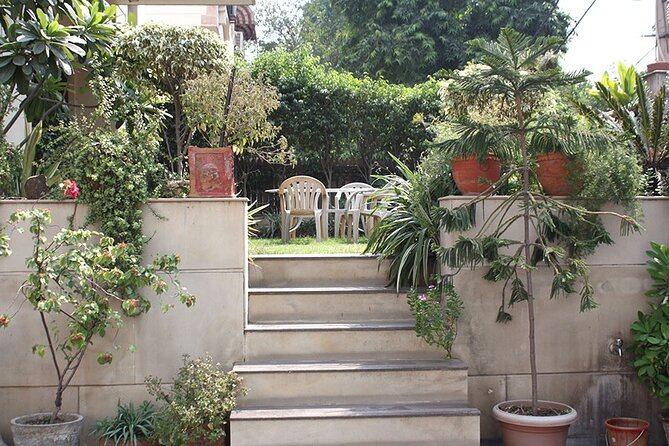
They have a small outdoor seating area where they like to barbecue meats and paneer in the winter. Even if your session is not the same season, it gives you a sense of the home rhythm and how guests are hosted beyond the kitchen counter.
You’ll typically start with the welcome drink, then the market walk, then you shift into cooking. That sequencing keeps your brain engaged: ingredients in hand, you return and turn them into food while the logic of the market is still fresh.
Also, I like that the experience is designed for questions. One review mentions a host named Farheen being cheerful and kind, and willing to answer questions about Indian cultures, markets, and foods. Even if the exact name you meet is different, you should expect a similar level of conversation and friendliness.
Cooking Lesson Focus: Two to Three Dishes, Done with Intention
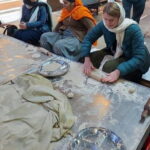
You’ll cook for about one hour, and your host teaches 2 to 3 dishes. That focus is a smart choice for value and learning. You do not leave with a pile of half-memorized steps, you leave with a workable set of techniques.
Dishes you might make can include:
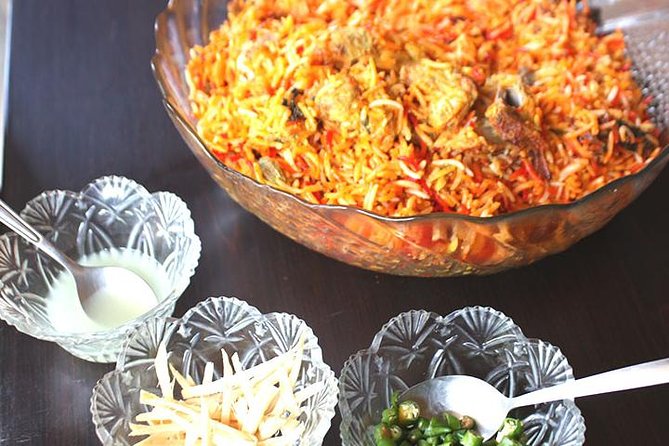
- Dal makhni, a slow-cooked dish using whole black lentils, kidney beans, butter, and cream
- A dish with paneer (fresh Indian cheese)
- Rotis (flatbreads)
The real win here is not the recipe names, it’s the method. Dal makhni teaches patience and texture, because lentils need time to become creamy and cohesive. Paneer-focused dishes teach you how cheese behaves, especially how it takes on sauce flavors. Rotis teach technique and timing, where small changes in dough and heat make the difference between good and frustrating.
If you’ve ever tried Indian cooking at home and felt like it never tastes quite right, this format helps. You get a guided path through the steps that most often cause trouble, like getting the right consistency for a slow-cooked lentil base or handling rotis without stressing.
This is also where the Amritsar link becomes concrete. Your hostess comes from a Punjabi city, and the dishes lean into that style, the kind of food that feels comforting and homey, not fussy.
More New Delhi tours and experiences for the shortlist



Meal Time Together: Eat, Talk, and Get Your Answers
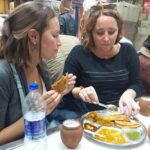
After cooking, you share the meal you helped prepare over conversation with your host. This is a key part of the value, because you can clarify things while you’re actually tasting.
I find that food lessons stick better when you can connect flavor to process in real time. If a dish is creamy, you can ask how long it takes and what texture signals are important. If something is spiced but balanced, you can ask what ingredient choices or spice ratios created that effect.
The tour also includes beverages, including local beer, plus food and beverages. There’s a welcome drink when you arrive, and then the meal and drinks keep the mood relaxed. It makes sense for a home-style experience. People cook and host with hospitality in mind, and that shows up here.
If you’re a solo traveler, that shared meal is even more helpful. One review specifically noted being well looked after as a solo traveler. Even without a big group dynamic, you get comfortable enough to ask questions and learn.
Vegetarian Option and Dietary Requests: Plan Before You Arrive
The experience notes that a vegetarian option is available, as long as you advise them when booking. It’s smart to do that early, because it affects what dishes you cook and how they prepare your meal.
Dietary requirements should be shared at the time of booking. If you have restrictions beyond vegetarian, do the same. The data only says to advise them, but in a home kitchen, that communication is the difference between a smooth experience and a stressful one.
If you’re unsure whether your dietary needs are covered, contact the provider before you book and be clear. Cooking classes succeed when ingredients and steps match your needs.
Price and Value: What $148 Gets You in the Real World
At $148.00 per person, this isn’t a bargain-basement class. But for what you get, it can feel fair, especially if you compare it to food experiences in cities where a guided meal still costs a lot and teaches you nothing.
Here’s why the value works:
- You’re touring a market with your host, not just walking into a kitchen
- Food and beverages are included, including local beer
- You get a private, intimate experience at a real Delhi home
- You learn a small set of repeatable dishes instead of a show-and-tell class
In other words, you pay for access, attention, and ingredients. Market shopping plus hands-on cooking plus a shared meal is a lot packed into three and a half hours.
If you’re the type who loves learning cooking techniques and wants a home-style result, the price starts to make sense fast. If you only want a quick bite of food with minimal effort, you might feel the cost is heavier than you expected. I’d book this when you genuinely want to cook and go beyond restaurant flavors.
Who This Tour Is Best For (and Who Might Prefer Something Else)
This works best for:
- Enthusiastic home cooks who want structure and confidence
- Foodies who like understanding ingredients, not just eating
- People who prefer a smaller, quieter experience in a real home
It can be a great fit for solo travelers too, because the private format and the meal conversation naturally create an easy social flow.
What might not fit as well:
- If you dislike shopping for spices or produce, the market part might feel like more time than you want.
- If you need hotel pickup for accessibility or convenience, the lack of pickup is important.
Because you can choose lunch or dinner-time, you can also match it to your energy level. Dinner sessions can feel more relaxing, while lunch might suit you if you like filling the day early.
Practical Tips So You Leave With More Than Memories
You’ll get the most out of this tour if you treat it like a small cooking workshop.
First, think about your take-home plan. Since you can buy ingredients during the market walk, decide ahead of time what you might realistically use after you go home. Spices are easiest to pack and use, and they’re the backbone of Punjabi flavor.
Second, come with a basic willingness to learn texture and timing. Indian cooking often rewards observation. Listen for cues your host gives about consistency, doneness, and heat, especially for dal makhni and rotis.
Third, don’t be shy with questions. One of the nicest parts of this experience, as reflected in review comments, is the friendliness and willingness to explain. If something feels confusing during cooking, ask while you’re still holding the ingredient.
Finally, consider your wardrobe and comfort. You’ll be in a home kitchen environment, so comfortable clothes and closed-toe shoes help you focus on the cooking rather than adjusting yourself every five minutes.
Should You Book This Kailash Colony Market and Amritsari Cooking Class?
I’d book it if you want Delhi food that feels like a lived-in skill, not a scripted restaurant meal. The strongest reason to choose it is the combination of market learning, hands-on cooking, and eating together in Shivani’s home setting.
You should probably skip it if you want a low-effort experience, because you will cook and you will shop. Also, make sure the meeting point at Chirag Enclave, Greater Kailash works for your logistics, since there’s no hotel pickup.
If you do book, you’re likely to leave with three wins: a clearer idea of what makes Punjabi cooking work, a small set of dishes you can repeat, and a shopping list of spices you’ll actually use back home. That’s the kind of souvenir that lasts longer than photos.
FAQ
What is the duration of the Kailash Colony Market tour and cooking class?
The experience lasts about 3 hours 30 minutes.
Where does the tour start and end?
It starts at Chirag Enclave, Greater Kailash, New Delhi and ends back at the same meeting point.
Is lunch or dinner included, and are there options?
Yes, lunch or dinner-time options are available.
What is included in the price?
You get a private market tour and cooking class with your host Shivani, plus beverages including local beer.
Is hotel pickup or drop-off provided?
No, hotel pickup and drop-off are not included.
Do you cook, or is it mostly watching?
You will cook for about one hour, learning 2 to 3 dishes during the cooking lesson.
Are vegetarian options available?
Yes. A vegetarian option is available if you advise them at the time of booking.
How many dishes will you learn to make?
You learn about 2 to 3 dishes, which may include dal makhni, a paneer dish, or rotis.
What if I have dietary requirements?
You should advise any specific dietary requirements at the time of booking.
What is the cancellation policy?
Free cancellation is available, with a full refund if you cancel up to 24 hours in advance of the experience’s start time.
More Shopping Tours in New Delhi



More Tours in New Delhi






More Tour Reviews in New Delhi

Not for you? Here's more nearby things to do in New Delhi we have reviewed










More Delhi City Tours to consider.
 ★ 5.0Old & New Delhi City Tour – Half or Full Day Options AvailableTickets from $384,811 traveller reviews
 ★ 5.0Same Day Taj Mahal, Agra Fort & Baby Taj Tour from Delhi by CarTickets from $624,304 traveller reviews
 ★ 5.0Taj Mahal Day Tour from Delhi by Superfast Train – TOP RATED TOURTickets from $1004,166 traveller reviews
 ★ 4.9Old and New Delhi Private Full or Half-Day TourTickets from $23,776 traveller reviews
 ★ 5.0Full Day Taj Mahal, Agra Fort & Baby Taj Tour from Delhi by CarTickets from $623,647 traveller reviews
 ★ 4.9From Delhi: Taj Mahal & Agra Private Day Trip with TransfersTickets from $43,181 traveller reviews
 ★ 5.0Taj Mahal Tour from Delhi by Express Train (Viator Award Winner)Tickets from $752,849 traveller reviews
 ★ 5.0All Inclusive Private Taj Mahal Luxury Tour from Delhi by CarTickets from $622,564 traveller reviews
More useful Delhi routes