
Review · DELHI CITY TOURS
Private 2-Day Agra & Delhi Tour by Car–Includes Taj Mahal Sunrise
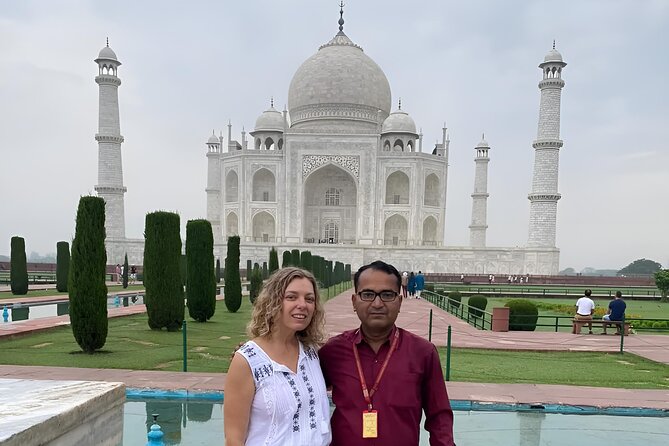
Sunrise at the Taj is the whole point. This private 2-day Delhi and Agra car trip layers major sights into two tight days, then tops it off with Taj Mahal sunrise timing that helps you beat the worst crowds and catch the mausoleum in softer light.
I especially love the private, air-conditioned car with a uniformed chauffeur, because it turns a long-distance hop into something you can actually relax through. I also like that you get a live guide in multiple foreign languages, with clear explanations at each stop, plus help staying on track when the schedule gets early.
One thing to plan for is that monument tickets are not included (about USD 50 per person), so your final total will be a bit higher than the base price.
Key things I’d pay attention to
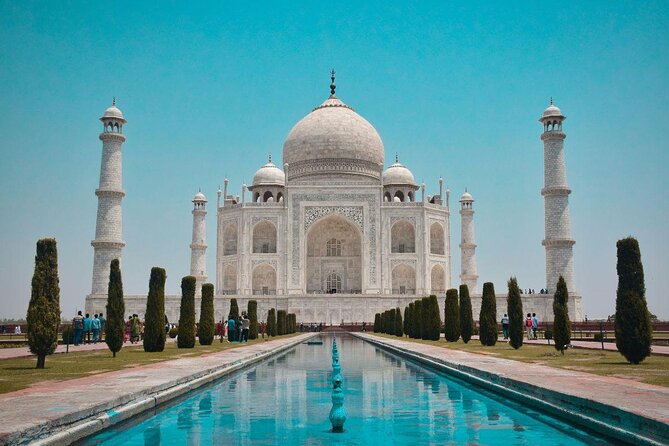
- Taj Mahal at dawn timing: the sunrise visit is built into a 2-day push, so you are not just rushing through one iconic stop.
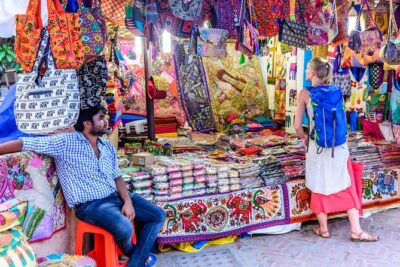
- Delhi in full-color batches: you cover Qutub Minar, Lotus Temple, India Gate, and several Old Delhi monuments plus market time.
- Real Old Delhi lunch time: Chandni Chowk is included for lunch, with local favorites like kachori and jalebi mentioned in the plan.
- Exteriors for top government landmarks: Rashtrapati Bhavan and Parliament House are viewed from outside, since interior access is not permitted.
- Guide help that shows up in the details: multiple guides were praised by name, including Faraz, Hashim Khan, Dilip, Chand, and Syed, especially for patience and great photo timing.
- Comfort plus logistics handled: parking, tolls, fuel, and taxes are covered, so you focus on sightseeing, not route hassles.
Why this Delhi and Agra by car tour is a smart 2-day play
If you only have a couple of days, the real challenge is not seeing famous places. It is moving between them without losing half your trip to traffic, ticket lines, and confusion about what to do next. This tour tackles that with a private uniformed chauffeur, a live guide, and a private air-conditioned car for the long haul between Delhi and Agra.
You also get a schedule that balances big monuments with breathing room. Delhi day is packed, but the stops are spread in a logical route, with free admission windows where you can just walk, look, and absorb. Then Agra day focuses on the Taj, followed by Agra Fort and Itmad-ud-Daula, also called the Baby Taj.
Do note one practical consideration: the tour plan includes an overnight in Agra, but the listed inclusions do not explicitly say the hotel is covered. You should confirm what is included for your stay so you are not surprised when you arrive.
You can also read our reviews of more private tours in New Delhi



Day 1 in Delhi, from Qutub Minar to Chandni Chowk
Day one starts with pickup in Delhi (or nearby locations), then it is into a classic first-time Delhi run. The pacing is built for variety: one UNESCO site with Indo-Islamic architecture, one peace-forward faith landmark, a grand British-era memorial zone, then a full Old Delhi stretch with mosques and forts.
Qutub Minar, the skyline icon you can’t ignore
Qutub Minar is the first must-see. It rises to 73 meters and is described as the tallest brick minaret in the world. The plan credits Qutb-ud-din Aibak for the initial construction in the 12th century, with completion later by Iltutmish. This is the kind of stop where a guide matters because the details help you read the building instead of just photographing it.
Practical note: since monument entry is marked as not included, budget for the ticket on the day.
Lotus Temple, modern design with a calm vibe
Next comes the Lotus Temple, also known as the Baháʼí House of Worship. You are going for the white-marble lotus-shaped design, but the key is that it welcomes people of all faiths. It is a welcome change after stone-and-age architecture, and it gives your eyes a break before the bigger names in Old Delhi.
India Gate, a war memorial with a very specific story
India Gate sits along the Rajpath. It is 42 meters high and built to honor 84,000 Indian soldiers who lost their lives in World War I and other wars. Designed by Sir Edwin Lutyens, it is one of those places where the guide’s context helps you understand why it feels ceremonial and not just monumental.
This stop is short, about 30 minutes, so use it to take in the scale and grab photos with the right lighting.
More New Delhi tours and experiences for the shortlist





Rashtrapati Bhavan and Parliament House, seen from the outside
You get both of the big government landmarks next, but with an important limitation: you will view Rashtrapati Bhavan and Parliament House from outside only. Interior access is not permitted, so manage expectations accordingly.
- Rashtrapati Bhavan is the President’s official residence, designed by Edwin Lutyens, and described as one of the largest and grandest in the world.
- Parliament House, or Sansad Bhavan, is circular and designed by Lutyens and Herbert Baker, housing India’s two legislative chambers.
Even from outside, these are useful for first-time visitors because they frame the modern capital.
Chandni Chowk lunch, where the day turns tasty
Then you shift into Old Delhi with a lunch stop at Chandni Chowk. The plan specifically calls out local favorites like kachori and jalebi. This is one of the best parts of a busy tour because it stops the day from becoming only monuments and photo stops.
Try to keep your meal simple and not too heavy. You still have mosques and tombs later, and you’ll appreciate having energy.
Jama Masjid and Red Fort, Old Delhi’s big sacred and imperial scale
Jama Masjid is commissioned by Emperor Shah Jahan in 1650 and is built from red sandstone and white marble. The plan notes it can accommodate over 25,000 worshippers, which tells you the scale right away. If you have not visited major mosques before, this is the stop where you will notice both the architecture and the active religious atmosphere.
Then comes Red Fort, or Lal Qila. The tour sees it from the exterior, with UNESCO World Heritage status mentioned. It was built in 1648 as the Mughal dynasty’s main residence. Even without interior time, the fortress shape and color give you a clear sense of Mughal power.
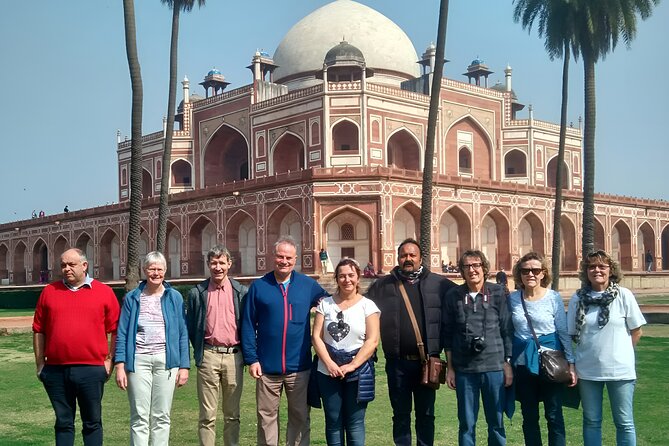
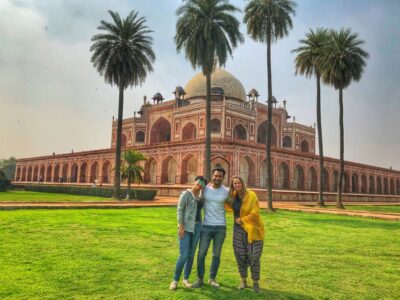
Humayun’s Tomb, a UNESCO first garden-tomb precursor
Humayun’s Tomb finishes the Delhi day. It is a UNESCO site and is described as the first garden tomb in the Indian subcontinent. The plan says it was built in 1570 by Empress Bega Begum in memory of her husband, Mughal emperor Humayun.
This stop is valuable because it helps you understand why the Taj Mahal later feels like the climax of an architectural idea. The tour also marks Humayun’s Tomb admission as not included, so keep your ticket budget in mind.
Transfer to Agra for overnight
After Humayun’s Tomb, you depart for Agra and overnight. This is where the car service pays off. You are not negotiating buses or trying to match trains with a tight schedule. You simply go.
Day 2 starts early, with Taj Mahal sunrise that actually feels timed
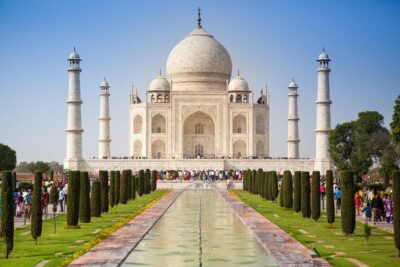
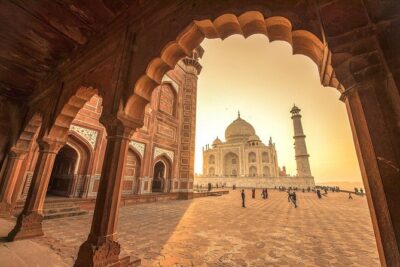
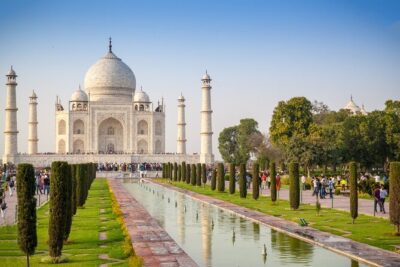
The second day is built around the sunrise Taj Mahal visit. You are up early, and you are meant to be at the right place before the light turns harsh. The time slot in the plan is about 3 hours.
Taj Mahal tickets are not included, and the tour also reminds you: Taj Mahal remains closed on Friday. It also asks for a valid photo ID at monument entry. If you forget the ID, you can lose time or be turned away.
Why “sunrise” matters beyond the photo
Sunrise is not just about Instagram lighting. It is about crowd control and atmosphere. You get a calmer entry, and the early hours tend to make the experience feel more spacious. That matters at a place like the Taj, where lines and congestion can turn a dream site into a hurry-up exercise.
From the guide feedback, there is a clear theme: good guidance improves the photos and the flow. Several guides were praised for patient explanations and for helping guests get great pictures, including Faraz, Hashim Khan, and Chand. That suggests the tour is not only transporting you, it is also helping you use your time well once you are there.
Shoes off and respectful entry
The tour notes you must remove shoes before entering temple and sacred places. That is not a small detail in India, it is a real part of the experience. Wear footwear that is easy to remove and re-wear quickly, especially since you are starting early.
Breakfast in Agra, then Agra Fort
After the Taj Mahal, the schedule shifts to breakfast time. The plan mentions a large food chain in Agra city and also lists snack favorites like kachori and jalebi. This is practical because you need fuel after a dawn start, and you also do not want to spend your morning hunting for food.
Then you move to Agra Fort, with about 2 hours for exploring. Agra Fort is described as one of the most prominent Mughal forts among Delhi and Lahore forts. Even if you are not a fortress-history person, a fort day is a smart counterweight to the Taj. One is all about marble elegance, the other is about power, defense, and scale.
Monument tickets are not included for Agra Fort, so plan your extra entry fees on top of the base price.
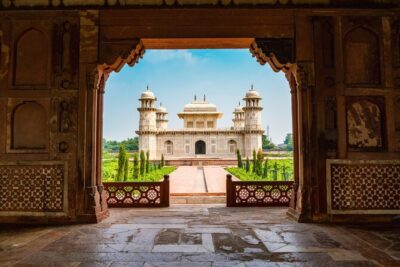
Itmad-ud-Daula, the Baby Taj that frames the Taj story

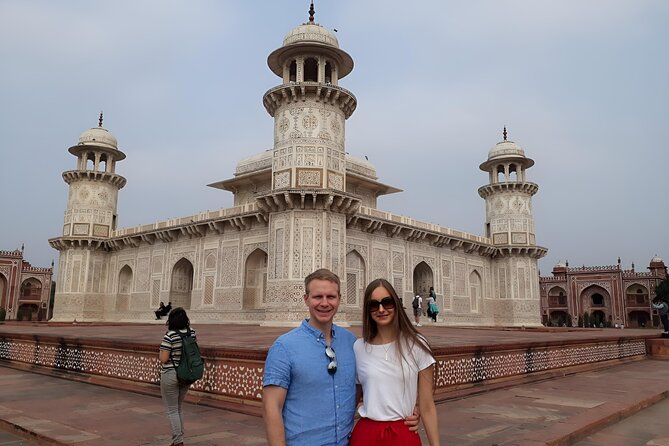
Next is Itmad-ud-Daula, often called the Baby Taj. The plan calls it enchanting, notes it is a precursor to the Taj Mahal, and gives it roughly 1 hour. If you felt the Taj was too grand and fast, Itmad-ud-Daula is often the calmer emotional landing.
This stop is valuable because it helps you see the development of style and garden-tomb thinking before the Taj reaches its final statement. You get a second chance to slow down and notice details instead of sprinting through the most famous site.
Return to Delhi, with a planned finish
At the end of the day, you return to New Delhi in your private car. The plan puts it at about 3 hours 30 minutes, then drop-off at your hotel or designated location.
This matters because many short tours leave you stranded at the end, figuring out transport yourself. Here, you finish with your ride sorted.
Price and logistics, what you’re really paying for
The listed price is USD 114 per person for a private 2-day car tour with guide services and major Delhi and Agra highlights, including the Taj Mahal sunrise. That base price feels reasonable when you compare it to what you would spend on your own transport plus private guiding plus the time risk of coordinating everything.
But remember the two costs you should budget for:
- Monument tickets are not included, approx USD 50 per person.
- You should also account for food that is not explicitly included beyond the lunch and breakfast stops mentioned in the day plan.
The inclusions are strong for practical travelers. You get:
- Private uniformed chauffeur
- Live tour guide in various foreign languages
- Private air-conditioned car/tempo traveller
- Pickup and drop in Delhi airport, railway station, or desired locations
- Parking, tolls, taxes, fuel, and interstate taxes
In plain terms, the tour price covers the hard parts you do not want to manage. You are paying for route, timing, and explanation, not only for entry to one famous building.
Guide names that kept showing up, and why that matters
One of the most consistent positives in the feedback is the human support. Several guides were named specifically, which is a good sign for service consistency.
- Faraz was praised for detail, patience, hospitality, and even recommending good food spots.
- Hashim Khan received praise for being patient at Taj Mahal and for spending enough time on corners, plus helping with great photos.
- Chand and Dilip were thanked for making everything easy at the Taj Mahal, with interaction and guidance that prevented missed parts like Agra Fort.
- Syed was praised for service and for keeping things smooth across multiple stops.
The big takeaway for you: this tour is more enjoyable when the guide actively works with your pace. At sunrise Taj Mahal, timing is tight. In Old Delhi, walking routes and security checks can feel chaotic. Good guiding helps the day feel organized.
What to pack for a tight early start
This tour is not physically extreme, but it is detail-heavy, especially with early timing and sacred-place rules.
Bring:
- A valid photo ID for monument entry checks
- Comfortable shoes, since the tour warns you must remove them before entering temples and sacred places
- Something simple for sun protection, since sunrise and daylight sighting days both matter
Also keep in mind: Taj Mahal is closed on Fridays. If your dates land on a Friday, you will need an alternative plan.
Should you book this Taj Mahal sunrise tour?
Book it if:
- You want a 2-day Delhi and Agra trip without transport stress
- You care about Taj Mahal at sunrise timing, not just a standard daytime visit
- You like guided stops where someone helps you understand what you are seeing, and guides in the feedback were praised for explanations and photo help
Skip it or reconsider if:
- You expect monument tickets to be included in the base price
- You want interior access to Rashtrapati Bhavan or Parliament House (this tour only includes exterior views)
- Your travel dates fall on a Friday, when the Taj Mahal is closed
- You need a fully packaged hotel stay in Agra, since the inclusions list does not explicitly confirm accommodation
If you match those points, this is a solid choice for a quick, well-supported culture sprint. You’ll spend more time watching and learning, and less time fighting with logistics.
More Private Tours in New Delhi


More Tours in New Delhi





More Tour Reviews in New Delhi
Not for you? Here's more nearby things to do in New Delhi we have reviewed








More Delhi City Tours to consider.
 ★ 5.0Old & New Delhi City Tour – Half or Full Day Options AvailableTickets from $384,811 traveller reviews
 ★ 5.0Same Day Taj Mahal, Agra Fort & Baby Taj Tour from Delhi by CarTickets from $624,304 traveller reviews
 ★ 5.0Taj Mahal Day Tour from Delhi by Superfast Train – TOP RATED TOURTickets from $1004,166 traveller reviews
 ★ 4.9Old and New Delhi Private Full or Half-Day TourTickets from $23,776 traveller reviews
 ★ 5.0Full Day Taj Mahal, Agra Fort & Baby Taj Tour from Delhi by CarTickets from $623,647 traveller reviews
 ★ 4.9From Delhi: Taj Mahal & Agra Private Day Trip with TransfersTickets from $43,181 traveller reviews
 ★ 5.0Taj Mahal Tour from Delhi by Express Train (Viator Award Winner)Tickets from $752,849 traveller reviews
 ★ 5.0All Inclusive Private Taj Mahal Luxury Tour from Delhi by CarTickets from $622,564 traveller reviews
More useful Delhi routes