
Review · DELHI CITY TOURS
Private 4-Day Golden Triangle Tour – Delhi Agra and Jaipur
Golden Triangle is simple when you skip the stress. This private 4-day circuit links Delhi, Agra, and Jaipur with hotel pickup and guided highlights, so you spend your energy looking at sights instead of figuring out transit.
I really like two things here. First, you get private local guides for the big stops, which helps the places make sense fast. Second, the plan builds in memorable timing, like the Taj Mahal sunrise visit in Agra.
One thing to consider is that four days is a sprint. You’ll be in the car a lot, and Taj Mahal is closed on Fridays for general viewing, so your schedule needs to match your travel dates.
Key things worth knowing
- Hotel or airport pickup and drop-off make it easier to start and end without hunting taxis.
- Private, air-conditioned transport with an English-speaking driver keeps days moving.
- Guided visits in each city help you connect the dots between Mughal, Rajput, and colonial-era landmarks.
- Taj Mahal timing is built around a sunrise experience when the light is best.
- Entrance fees included for the listed monuments, so you avoid random add-ons mid-trip.
- Small-party vehicle options scale from sedan to minivan based on your group size.
Why this private Golden Triangle beats train hopping
If you’re a first-time visitor to India, the Golden Triangle can feel like two problems at once: famous sights and confusing logistics. This format solves the logistics part. You get a private, air-conditioned car with an English-speaking driver and hotel pickup, which means your day starts clean and ends without a scramble.
It also keeps the visits flexible. In many cities, the hard part is not seeing the monument. The hard part is getting there at the right time, in the right order, with enough buffer for traffic. A driver plus a guide combo does that work for you, and you’re left with the fun part, which is noticing details you would otherwise miss.
There’s also a comfort value that adds up. These three cities are not close together, and roads can get slow. Spending that travel in a comfortable car beats trying to stitch together buses or trains while also managing luggage, timing, and your energy.
You can also read our reviews of more private tours in New Delhi


Day 1 in Delhi: Old Delhi power, New Delhi scale
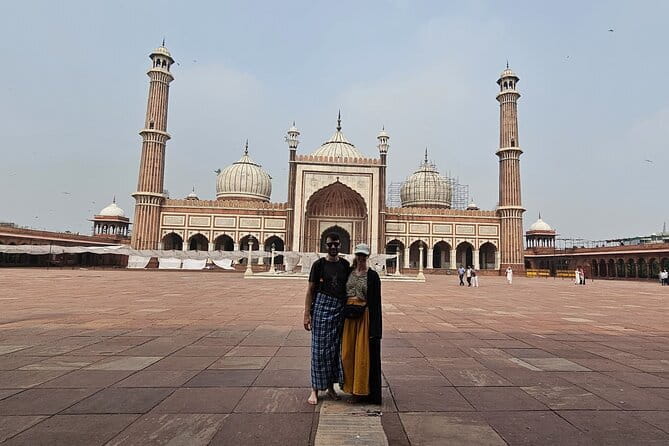
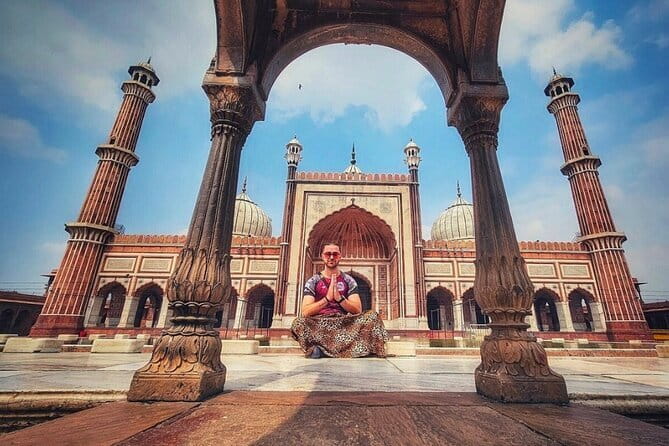
Delhi Day 1 is built like a story with two chapters: Old Delhi spirituality and New Delhi monumentality. You start in the Old City with Jama Masjid, one of the Mughal-era grand mosques. Even if you don’t know the architecture, you’ll feel the scale immediately. The guide’s job here is to connect the dates and the patron to what you’re seeing today, and you’ll usually come away with a clearer sense of why Shah Jahan’s era shaped so much of what still stands.
From there you head to Raj Ghat, the memorial to Mahatma Gandhi. It’s intentionally simple: a black marble platform and a calm, reflective atmosphere. This stop works well because it slows the day down just enough. You’ll likely notice how the site is set up for quiet remembrance, not sightseeing posing.
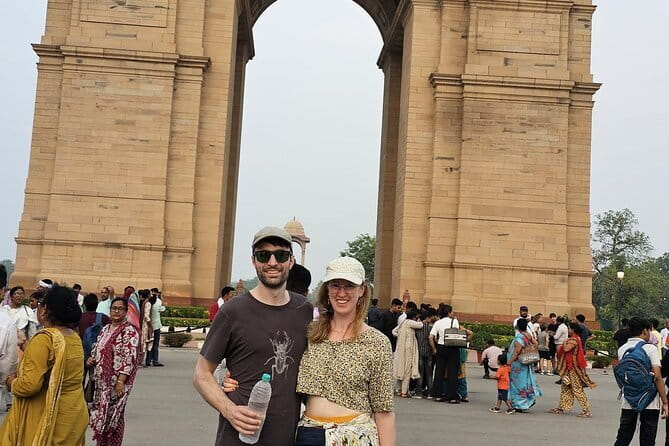
Then you shift to New Delhi with India Gate, the war memorial. It’s quick, but it matters. The names inscribed along the arch remind you that this country’s modern story includes conflict and sacrifice, not just empires and monuments.
After that, the itinerary includes government-era landmarks like Rashtrapati Bhavan and the Parliament House. Even when you only see them from outside, the design choices and the planning of New Delhi are part of the experience. You get that sense of how architects and planners tried to project authority through buildings and space.
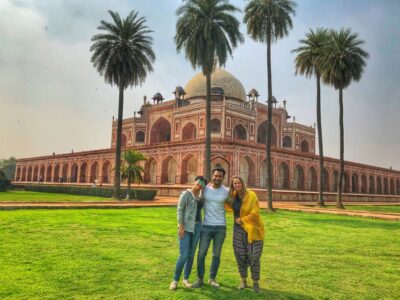
Next up is a classic Mughal UNESCO stop: Humayun’s Tomb. The Persian-style gardens and the main dome structure make it a key photo moment, but the real win is understanding how this site influenced later Mughal mausoleums. The guided part matters here, because the first-time visitor can otherwise treat it like just another grand tomb.
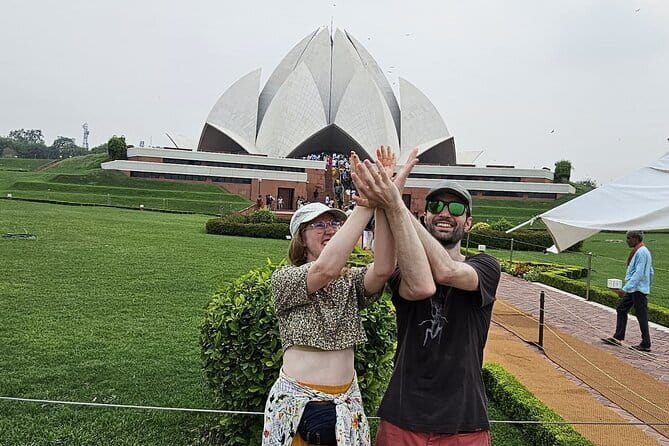
You then get a very different kind of sight at Lotus Temple. The lotus-inspired design is open to all religions for meditation, and the experience often feels modern and welcoming. Finally, the day ends with Qutub Minar, a UNESCO World Heritage site and the tallest brick minaret listed here. It’s an Indo-Islamic icon, and you’ll likely notice how the textures, carvings, and the vertical rhythm pull your eyes upward.
Practical tip for Day 1 pacing
This is a lot of landmarks in one day, even though each stop is relatively short. Wear shoes you can walk in for stretches, and keep water handy. If you’re easily overheated, ask your driver about the best times to pause for shade. A private driver is good for that kind of micro-planning.
Sunrise Taj Mahal plus Agra Fort: Day 2’s big emotional hit
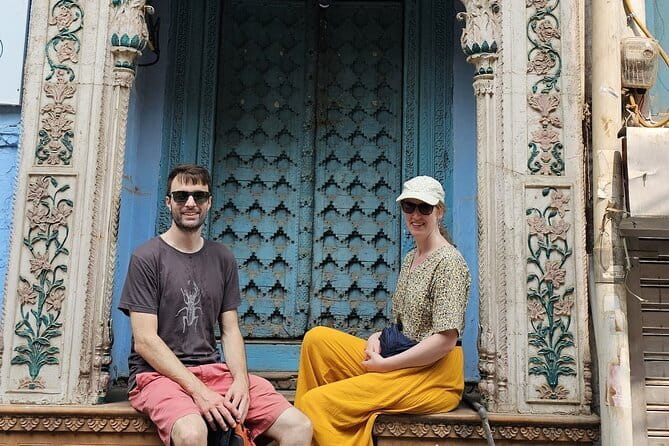
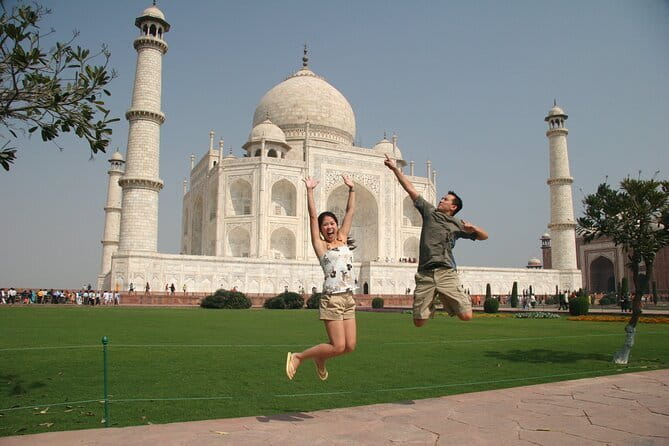
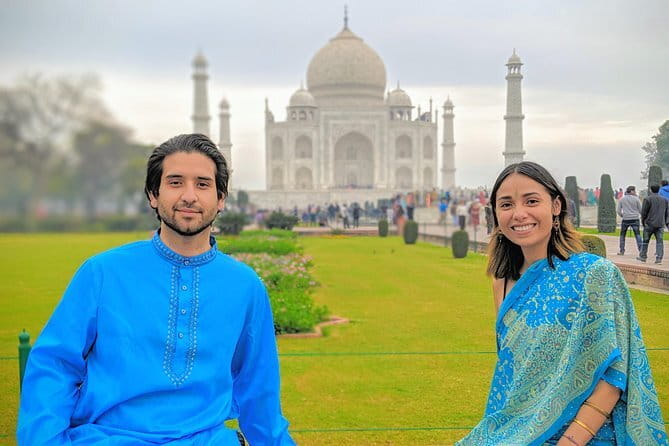
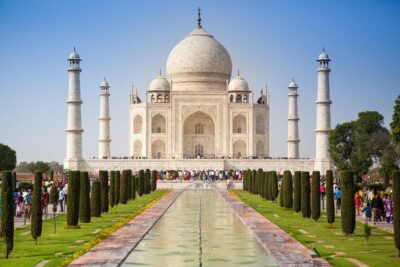
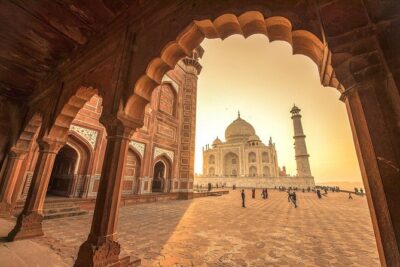
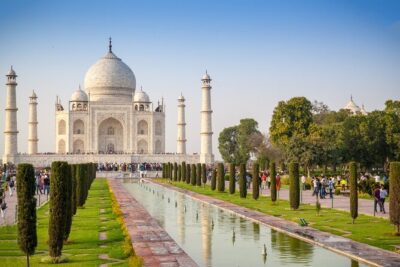
Day 2 is anchored by the Taj Mahal. The itinerary is built for a sunrise-style visit, then a guided tour inside for about two hours. That timing is not just a flex for photos. It usually means cooler weather and softer light, which makes the monument’s marble details easier to appreciate.
Once inside, the guide’s explanations are what help you connect the dots: why it was built, who commissioned it, and how the design creates that famous sense of symmetry. Without guidance, you can still see something beautiful, but with guidance you understand what you’re actually looking at.
After the Taj, you visit Agra Fort, another UNESCO World Heritage site and the former main residence of Mughal emperors. Forts are often intimidating to first-time visitors because they look like walls and gates. Here, the guide’s role is to translate the palaces, balconies, and garden spaces into a human story, not just stone.
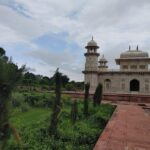
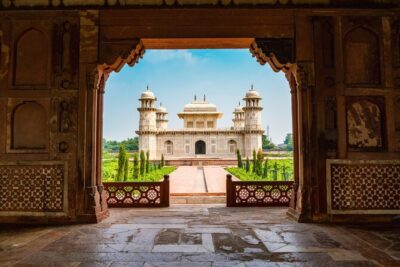
Then you move to Itmad-ud-Daula, often called the Baby Taj. It’s a Mughal mausoleum and a kind of stepping stone toward the Taj Mahal’s style. If you’re trying to learn the visual language of Mughal architecture, this stop is a big help. It lets you see themes earlier in the style before you return to the monument that made them famous.
Fatehpur Sikri: the perfect contrast to Agra
You finish the day with Fatehpur Sikri, a UNESCO site near Agra and known for Akbar’s era as a Mughal capital for a shorter period. This is where the trip widens your perspective. Agra feels like power and residence. Fatehpur Sikri feels like a whole planned world, shaped by imperial ambition.
The itinerary notes free time at the site, which matters. It means you can slow down if something catches your eye, like an architectural detail or an open courtyard view. After a full day of monuments, that kind of breathing room is valuable.
Finally, you drive to Jaipur and check in to your hotel. That hotel rest is not a small detail. Jaipur can feel different the moment you arrive, with more color and more street life, so having time to refresh before the next full day makes the city feel less like another blur.
More New Delhi tours and experiences for the shortlist






Jaipur Day 3: the royal showpieces and the science of time
Jaipur is the city where the Golden Triangle goes from Mughal grandeur to Rajput design, plus some older world-meets-colonial touches. The stops are famous, but the way you’ll experience them depends on your guide.
You start at City Palace, a Maharaja’s seat built in 1721. It’s part museum, part palace grounds, and it works because it connects governance, ceremony, and art in one place. If you’re curious about how rulers used spaces, this stop gives you a foundation.
Then you go to Jantar Mantar, a UNESCO site built in 1734 by Sawai Jai Singh II. This is where people often get surprised. It’s not just architecture and shapes. It’s a set of astronomical instruments, designed to observe and measure the sky. If you like learning how something works, this stop can be one of the most satisfying. It gives you a different kind of respect for the craftsmanship behind the city’s landmark style.
Hawa Mahal, the Palace of Breeze, is next. It’s a five-story pyramidal facade made of red and pink sandstone, and it’s famous for those small windows. Even if you only spend about 45 minutes here, the guide can explain how the design relates to life inside and viewing from the street level. It’s one of those places where the exterior is the whole attraction, but there’s still meaning behind the form.
After the royals and the science, you get a more modern cultural stop at Albert Hall Museum, Rajasthan’s oldest museum, built in 1876. The blend of Indian and European architecture is noticeable, and the museum focus can help you shift from outdoor photos to objects and textiles, depending on what’s on view during your visit.
A heads-up on timing in Jaipur
Because Jaipur is visually active, you might want extra time to buy simple things like postcards or small crafts. This tour includes guided stops, but it also builds in enough movement that you can squeeze in quick shopping without turning the day into chaos. Still, if you like shopping for longer stretches, plan for short breaks rather than full shopping marathons.
Day 4 around Jaipur: stepwells, palaces on water, and Amer
Day 4 is a mix of Jaipur scenery and one big nearby heritage stop: Amer. You begin with Royal Gaitor Tumbas, described as royal cenotaphs of Jaipur’s Maharajas at the base of the Aravalli Hills. Cenotaphs can feel repetitive if you’ve seen a lot of tombs on the trip. The difference here is the specific regional style blend mentioned in the plan, Rajput and Mughal influences, which can make it feel like a distinct chapter.
Then you visit Jal Mahal, the palace that appears to float on Man Sagar Lake. The key point is not how long you stay. The key point is how you see it, because the composition is what makes it memorable. It’s the kind of stop where a quick pause and good light can be worth more than extra minutes in a line.
Next is Panna Meena ka Kund, a stepwell known for its geometric design and multiple levels of stairs leading down to water. Stepwells are a great way to experience Indian design that solves real problems. The guide helps here by turning the visuals into a functional story, not just shapes and steps.
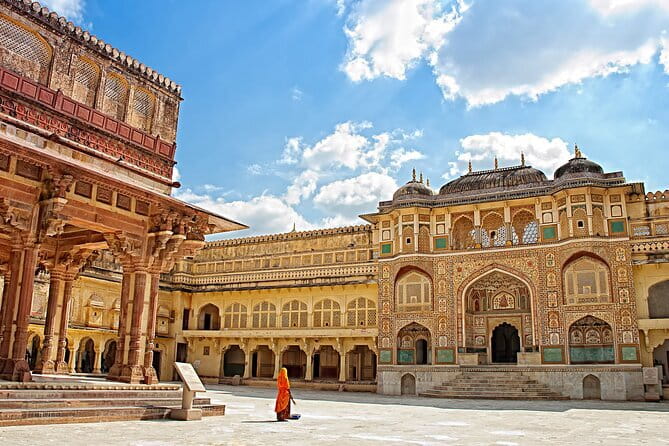
Finally, you head to Amer, a historic town near Jaipur with architecture, temples, and havelis. Amer is a logical end point because it pulls together the Jaipur region’s heritage into one place. If you want one last big “wow” moment before you wrap up, Amer is often the one that delivers.
The Amer worth-note
Amer is listed with a set visit time, so you get a structured experience rather than a loose wander. That works well because it reduces decision fatigue. You can focus on what matters in the moment instead of trying to guess where to go next.
Driver and guide quality: what you can ask for
This tour includes private sightseeing tours with private local guides, plus transport by a private, air-conditioned vehicle with an English-speaking driver. That combination matters. Guides help you understand sites. Drivers help you get there on time, through traffic, and in the best order.
The strongest praise patterns in the available feedback center on driver professionalism and flexibility. Names like Ajit, Manoj, Deepu, and Vinodh show up in people’s comments, often paired with words like punctual, polite, and thoughtful. One recurring theme is that the driver didn’t just drive. They helped with day flow and offered practical suggestions, including timing to avoid peak traffic and even restaurant or workshop recommendations for local craft.
You can copy that mindset. Before you start each day, ask a simple question: What time should we leave to avoid the worst crowds? Then ask: Is there a short stop for something local that makes sense today? Since it’s private, those tweaks are usually possible within the flow.
Also, since monument entrance fees are included, make sure you still keep your ticket or mobile details ready at check-in. The tour uses a mobile ticket, and it’s worth having your phone charged so you don’t start the day hunting for a cable.
Price value: what $270 buys, and what to budget extra
The price listed is $270 per person for a private 4-day Golden Triangle tour. What makes this feel more like value than just a car rental is the package design.
Included items you should pay attention to:
- Private local guides for sightseeing
- Hotel or airport pickup and drop-off
- Private, air-conditioned vehicle with an English-speaking driver
- Monuments entrance fees
- Daily hotel breakfast when you book the version that includes hotels
- 3-nights accommodation when the hotel option is chosen
Meals are not included, so you’ll want to budget lunch and dinner. The good news is that your driver often has an idea of where to eat in each area, and you can choose based on your tastes and comfort level.
If you’re traveling with friends, there are also mentions of group discounts. Even though this is private, you may still get better value by sharing a vehicle size that fits your party.
Car choice affects comfort
This tour scales car size based on number of passengers:
- For 1 to 3 passengers, it lists a 4-seater sedan like Toyota Etios or Dzire
- For 3 to 4 passengers, it lists a 6-seater wagon such as Toyota Innova / Crysta / Ertiga
- For 5 to 10 passengers, it lists a ten-seater minivan
If you’re sensitive to backseat space or you have lots of luggage, it’s worth double-checking your passenger count when booking so you end up in the right vehicle.
Timing realities you should plan around
You’re going to see a lot. That’s the point of the Golden Triangle. The tradeoff is that you won’t have days of empty time to wander. So plan for “structured exploring.”
Two timing realities matter most:
- Taj Mahal is closed on Fridays for general viewing. If your trip is on a Friday, you should expect the Taj piece to shift or change.
- Day-to-day travel between cities takes time. The itinerary uses a scenic highway route, including the Yamuna Expressway to Agra, and it calls out driving time. So bring water and a light layer, because cars can feel warm even with A/C when you’re stuck in stop-and-go traffic.
Also, notice that most monument stops are listed as ticketing situations. Since entrance fees are included, you avoid surprise costs there. Still, you might find yourself paying for extras like drinks, tips, or meals.
Should you book this private Golden Triangle?
Book this tour if you want:
- A first-time-friendly route through Delhi, Agra, and Jaipur
- Guided understanding at the major sites, not just a checklist
- The comfort of hotel pickup, a private driver, and an air-conditioned vehicle
- Entrance fees included, so you can control your spending
Skip or rethink it if:
- You hate packed days and long drives
- Your travel dates include a Friday and you strongly want the Taj Mahal on that exact day
- You prefer totally free-form wandering with no fixed structure at all
If your goal is to see the Golden Triangle highlights without turning your vacation into logistics homework, this setup is a smart way to do it. You get structure, guidance, and comfort, with enough flexibility to make each day feel yours.
FAQ
What is the duration of the private Golden Triangle tour?
The tour runs for 4 days (approximately) and covers Delhi, Agra, and Jaipur.
What does the price include?
The price includes private local guides, hotel pickup and drop-off, transport in a private air-conditioned vehicle with an English-speaking driver, monument entrance fees, and breakfast (3). If you choose the hotel-included option, it also includes 3 nights of accommodation.
Are pick-ups available from hotels or airports?
Yes. The tour includes hotel or airport pick-up and drop-off.
Does the tour have hotels included?
There are packages with and without hotels. If you book the option including hotels, you get 3 nights accommodation plus daily hotel breakfast.
Is the Taj Mahal always open during the tour?
No. The Taj Mahal is closed on Fridays for general viewing. It is open on other days.
Are meals included?
No. Meals are not included. Breakfast is included when you select the hotel option.
Is this a private tour?
Yes. It is private, meaning only your group participates.
More Private Tours in New Delhi



More Tours in New Delhi





More Tour Reviews in New Delhi
Not for you? Here's more nearby things to do in New Delhi we have reviewed








More Delhi City Tours to consider.
 ★ 5.0Old & New Delhi City Tour – Half or Full Day Options AvailableTickets from $384,811 traveller reviews
 ★ 5.0Same Day Taj Mahal, Agra Fort & Baby Taj Tour from Delhi by CarTickets from $624,304 traveller reviews
 ★ 5.0Taj Mahal Day Tour from Delhi by Superfast Train – TOP RATED TOURTickets from $1004,166 traveller reviews
 ★ 4.9Old and New Delhi Private Full or Half-Day TourTickets from $23,776 traveller reviews
 ★ 5.0Full Day Taj Mahal, Agra Fort & Baby Taj Tour from Delhi by CarTickets from $623,647 traveller reviews
 ★ 4.9From Delhi: Taj Mahal & Agra Private Day Trip with TransfersTickets from $43,181 traveller reviews
 ★ 5.0Taj Mahal Tour from Delhi by Express Train (Viator Award Winner)Tickets from $752,849 traveller reviews
 ★ 5.0All Inclusive Private Taj Mahal Luxury Tour from Delhi by CarTickets from $622,564 traveller reviews
More useful Delhi routes