
Review · DELHI CITY TOURS
Private Delhi Spiritual Tour: Temples, Mosques & Markets
Delhi’s faith in one day, hands down.
This private tour strings together iconic places across New Delhi with private air-conditioned transport and pick-up and drop-off from where you start. You get a smooth run of major sites, plus bottled water, so you can focus on the sights instead of logistics.
I love the mix of spiritual mood and street-level energy. The day flows from Gurudwara Bangla Sahib’s golden dome and peaceful sarovar to Jama Masjid’s huge courtyard, then later you’re on the cycle rickshaw through Chandni Chowk lanes and walking through the spice air at Khari Baoli. It is a smart way to understand Delhi’s religious side without losing the real city feel.
One consideration: Akshardham and Lotus Temple are closed on Mondays, and the itinerary swaps in ISKCON Temple and Shri Kalkaji Temple instead. If your dates fall on a Monday, expect the feel of the day to shift.
Key highlights at a glance
- Private driver and guide: You get a single group plan, not a crowded shuttle rhythm.
- Major sites with included entry tickets: Several stops include admission, so your day stays simple.
- Cycle rickshaw ride in old Delhi: A short, fun way to move through Chandni Chowk’s lanes.
- Khari Baoli spice market time: You get to walk and smell what you are seeing, without needing to shop.
- Spiritual variety in one loop: Sikh, Muslim, and Hindu sites side-by-side, with a respectful tone.
Private Delhi Spiritual Tour: why this circuit works
Delhi can feel like five different cities packed into one. This tour makes that problem easier by putting the “big spiritual hits” in a single planned route, then adding old Delhi shopping streets at the right moment. I like it because it is not just monument hopping. You get context for what you are seeing, plus breathing room between stops so you are not rushing from sign to sign.
The private format matters here. Even with a 7-hour window, you can actually enjoy each location instead of being herded. You also get the practical help of a professional guide, and in at least one recent experience, the guide (Ahmed) gave clear explanations that moved beyond architecture into how the sites work and why they matter.
Value also shows in the “day kit.” Bottled water, parking and toll handling, and the rickshaw are all included, so you are not constantly thinking about what costs extra. At about $41 per person for a full day, it is aimed at travelers who want structure and comfort without going premium-price.
The big payoff is variety. You see places that represent different faith traditions, then you shift to marketplaces that represent daily Delhi life. If you want one day that feels like Delhi’s contrasts made understandable, this format is a good fit.
You can also read our reviews of more private tours in New Delhi

Getting picked up in Delhi, and how the timing really feels
The tour starts with pick-up from your chosen location within Delhi, including hotels, airports, or railway stations. That is the right choice in a city where you might otherwise lose time negotiating traffic and finding the right route.
You will be in private air-conditioned transport, and the vehicle size depends on your group size. For 1 to 2 travelers, you get a sedan (4-seater). For 3 to 5, it is an SUV (6-seater). For 10 plus, it is a minivan (12-seater). This kind of sizing is more than comfort. It means the tour can keep a consistent rhythm even when you have multiple stops packed into one day.
The duration is listed as about 7 hours. In practice, that means you are balancing meaningful time at each site with travel time between them. The key to enjoying it is to treat it as a guided sampler. You will have time to look, ask questions, and get oriented, but you should not expect deep, slow study at every single monument.
One more practical note: carry a valid photo ID for entry checks at certain monuments. Delhi’s security and entry processes can be strict, and this tour route includes several major sites, so having ID saves friction.
Gurudwara Bangla Sahib: what to notice beyond the golden dome
The day begins at Gurudwara Bangla Sahib, one of the best places in Delhi to ease into a spiritual mindset. The golden dome is the obvious visual hook, but the more interesting detail is the sarovar, the sacred pond linked with the site’s traditions of healing waters.
What you will likely experience is a calm, welcoming atmosphere with a prayer hall that feels lived-in, not staged for tourists. You will walk through the prayer space and take in how people move through the area with purpose. A guide can be especially helpful here because Sikh religious spaces often have specific etiquette. You do not have to memorize everything, but guidance helps you show respect while you observe.
The listed time is about 1 hour, and admission is included. That is enough to see the major features without feeling like you are doing a quick photo sprint. If you are sensitive to crowds, go in with the mindset that this is a popular spiritual stop, so early morning energy may be a bit calmer than later in the day.
Tip for your comfort: dress modestly, and be ready for the kind of quiet focus that asks you to lower your voice and move deliberately. This is one of the stops where slowing down actually improves the experience.
Jama Masjid: the scale of Shah Jahan’s mosque and the courtyard feel
Next is Jama Masjid, built in 1656 AD by Emperor Shah Jahan. This is one of Delhi’s defining mosque spaces, and the standout feature is scale. The courtyard can hold up to 25,000 worshippers, and even if you visit at a smaller crowd level, you still feel the vastness.
You will spend about 1 hour here, with admission included. What I like most about this stop is that the architecture is not only about beauty. It is about how people gather, how space directs movement, and how a massive courtyard becomes a daily spiritual stage.
A good guide helps you read the details. Look closely at how red sandstone and marble create contrast, and pay attention to how the design frames the worship area. The tour’s guide can connect the history to the present-day use, which turns the site from a big building into a meaningful place where religious life continues.
Practical consideration: mosque visits often include entry rules, and you may need to follow guidance on where to walk and what to remove or cover. Having a guide keeps you from guessing.
Chandni Chowk on a cycle rickshaw: old Delhi, up close
After the mosque, the tour pivots to the street. Chandni Chowk is Delhi’s oldest market area, planned in the Mughal era, and it is famous for lanes that feel like living corridors. Here, you ride a cycle rickshaw for about 30 minutes.
This is short by design. The idea is to get a sensory hit and understand the layout of the old market without exhausting yourself. You will see colorful shops and street vendors, plus the constant motion of people moving in different directions. If you are the type who gets overwhelmed by crowds, you may still find this enjoyable if you treat it as a guided introduction. You are not expected to negotiate shops or street traffic on your own.
The rickshaw ride is included, and admission is free for this stop. You might also like that it gives you a different “photo perspective” than walking would. From the rickshaw, the lane rhythm becomes clearer, and you can better imagine how trade and daily life worked here historically.
One tip: keep your expectations realistic. This is not a quiet museum district. If you want calm, you will find it in the earlier temples and mosques. Chandni Chowk is where you experience the city’s volume.


Khari Baoli spice market: walk the smell, not just the stalls
From Chandni Chowk you head to Khari Baoli, which the tour describes as Asia’s largest wholesale spice market. This is the part of the day where the sense of smell does half the work.
You will have about 30 minutes here, and admission is free. The time window is practical. The spice market can pull you in from all angles, with countless stalls selling spices, herbs, and teas. A guided visit keeps you from feeling lost and helps you focus on what matters: the variety, the market logic, and how wholesale spices move through the stalls.
What you should notice is the layering of aromas. Spices can look colorful, but the real story is in the smell, the mix, and the way sellers talk about quality. If you want to buy, you can, but this tour does not require shopping. Even if you just browse, walking through the aroma cloud is a strong Delhi experience.
A small caution: spice markets can be dusty and sensory intense. If you are sensitive to strong smells or have breathing issues, consider carrying a mask and keeping your time close to the planned stop. The guided rhythm is a real advantage here.
Swaminarayan Akshardham: modern scale and why it feels different
Akshardham is a different kind of stop. It is a spectacular temple complex dedicated to Bhagwan Swaminarayan, described as a modern architectural marvel with intricate carvings and exhibitions. There is also a musical fountain show option, though the tour notes it as optional.
You will spend about 1 hour, and admission is included. If you found earlier stops more organic and historically rooted, Akshardham gives you precision. The feel is designed and polished, with details that reward careful looking.
This is a great stop if you like architecture, storytelling displays, or places where craftsmanship is part of the message. A guide’s explanation can help you understand what you are seeing, especially when there are exhibits that communicate religious themes through design and presentation.
The big heads-up is the schedule rule. Akshardham and Lotus Temple remain closed on Mondays. If your tour day lands on Monday, the tour arranges alternative visits to ISKCON Temple and Shri Kalkaji Temple. The swap keeps the spiritual theme, but the look and vibe of the day will change.
Lotus Temple: a serene end that works for all faiths
The last major stop is Lotus Temple, shaped like a white lotus flower and open to people of all religions for meditation and reflection. The point here is quiet. You get time to step into a calmer setting after markets and the larger mosque space.
You will spend about 1 hour, and admission is included. The tour’s structure makes sense: you finish with the most meditative tone, so you do not end on sensory overload.
What to notice: the way the prayer hall supports focus. Even if you are not participating in any ritual, the architecture encourages stillness. This is one of those places where you can just sit and watch how visitors behave. A guide may point out etiquette and how to use the space respectfully.
If you like balanced days where one moment is loud and the next is quiet, Lotus Temple is a smart closer.
The guide and driver details that make the day smoother
A tour can list stops. A good tour makes those stops feel easy. In one recent experience, the guide Ahmed was praised for complete explanations that covered culture, architecture, and even technical details, plus strong Q and A. That matters in a day like this, because Delhi’s religious architecture has layers, and it helps to know what you are looking at.
Timing is also handled by the driver. Rohit was noted for waiting while the group wrapped up stops. That seems small, but in Delhi, it can be the difference between enjoying a site and feeling pressured.
Private transport plus real local experience means you can ask questions as you go, instead of trying to research later on your phone while traffic swirls around you.
Price and value: is $41 per person a good deal?
At $41 per person for about 7 hours, this sits in the “solid value” category for a private, guided route that includes multiple major religious sites plus transport. The math works best because several admissions are included, and the rickshaw ride is included.
Here is how value shows up in your day:
- You are not paying separately for every major stop admission, which reduces decision fatigue.
- You avoid negotiating transport between distant areas, which is often the hidden time sink in Delhi.
- You get bottled water, parking and toll handling, and a private vehicle sized to your group.
The main “cost” you should plan for is personal, not tour-priced. Tips are not included, and there are no meals included. Also, religious sites and markets have their own spending options if you choose to buy something at Khari Baoli.
If you want a day that includes both big landmarks and old market lanes without turning the day into a DIY logistics project, this is priced reasonably.
Who should book this tour, and who might not love it
This tour is a great match if you want:
- A structured first-timer day in Delhi
- A mix of Sikh, Muslim, and Hindu sites in one route
- Market time that includes Chandni Chowk by rickshaw and Khari Baoli on foot
- Private transport that reduces stress
It may not be perfect if you prefer:
- Longer stays at fewer sites, rather than a wider sampler
- A quiet, low-crowd day (Chandni Chowk and Khari Baoli are not quiet)
- A Monday schedule that you do not want to adjust, since Akshardham and Lotus Temple close on Mondays
Simple tips to get the most from each stop
Bring a valid photo ID for entry checks. That alone can save headaches.
Wear modest, comfortable clothes. Religious sites expect respectful dressing, and markets mean you will be moving.
Plan for strong sensory input at Khari Baoli. If spices and dust bother you, take it slow for the 30-minute window.
For photos, think in sequences. Start with the domes and courtyards at the temples and mosque, then save your “street chaos” shots for Chandni Chowk and Khari Baoli when you are in motion.
If your guide Ahmed points out details, follow the cues. You will get more meaning from architecture when you know what to look for.
Should you book Private Delhi Spiritual Tour, Temples, Mosques & Markets?
If you want one day that teaches Delhi’s religious diversity and daily life, I think this is a smart booking. The private setup, air-conditioned transport, included rickshaw ride, and multiple included admissions make it easier than piecing things together yourself. Plus, with a guide like Ahmed who can explain both culture and architecture, the stops feel connected instead of random.
Book it if you are flexible with crowds and you are traveling on a day other than Monday, or if you are okay with the Monday swap to ISKCON Temple and Shri Kalkaji Temple. Skip it only if you want a slow, quiet, single-faith experience, because this tour is intentionally a wide-angle view of Delhi.
FAQ
How long is the Private Delhi Spiritual Tour?
The tour lasts about 7 hours.
Where does the tour start?
You are picked up from your preferred location in Delhi, such as your hotel, airport, railway station, or any address in Delhi.
Is the tour private?
Yes. It is a private tour, so only your booking group participates.
What religious sites and markets are included?
The tour includes Gurudwara Bangla Sahib, Jama Masjid, Chandni Chowk (with a cycle rickshaw ride), Khari Baoli spice market, Swaminarayan Akshardham, and Lotus Temple. On Mondays, Akshardham and Lotus Temple close and alternatives are arranged.
Are admission tickets included?
Admission tickets are included for Gurudwara Bangla Sahib, Jama Masjid, Swaminarayan Akshardham, and Lotus Temple. Chandni Chowk and Khari Baoli are listed with free admission.
Is a cycle rickshaw ride included?
Yes. A cycle rickshaw (tuk-tuk) ride is included, and it is planned for about 30 minutes.
What transportation is provided?
You get private air-conditioned transport, with pick-up and drop-off from within Delhi. Vehicle type depends on group size.
Do I need to bring a photo ID?
Yes. You should carry a valid photo ID for entry checks at certain monuments.
Are there any days when stops are changed?
Yes. Akshardham and Lotus Temple are closed on Mondays, and the tour arranges alternative visits to ISKCON Temple and Shri Kalkaji Temple.
What is not included in the tour price?
Meals and additional services are not included, and tips and gratuities are not included.
More Private Tours in New Delhi


More Tours in New Delhi



More Tour Reviews in New Delhi
Not for you? Here's more nearby things to do in New Delhi we have reviewed








More Delhi City Tours to consider.
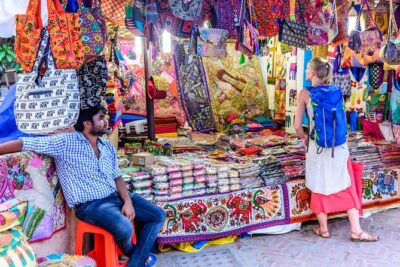 ★ 5.0Old & New Delhi City Tour – Half or Full Day Options AvailableTickets from $384,811 traveller reviews
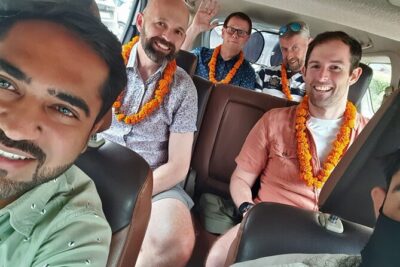 ★ 5.0Same Day Taj Mahal, Agra Fort & Baby Taj Tour from Delhi by CarTickets from $624,304 traveller reviews
 ★ 5.0Taj Mahal Day Tour from Delhi by Superfast Train – TOP RATED TOURTickets from $1004,166 traveller reviews
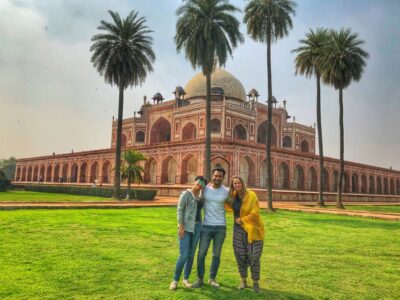 ★ 4.9Old and New Delhi Private Full or Half-Day TourTickets from $23,776 traveller reviews
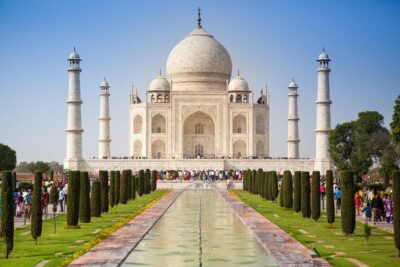 ★ 5.0Full Day Taj Mahal, Agra Fort & Baby Taj Tour from Delhi by CarTickets from $623,647 traveller reviews
 ★ 4.9From Delhi: Taj Mahal & Agra Private Day Trip with TransfersTickets from $43,181 traveller reviews
 ★ 5.0Taj Mahal Tour from Delhi by Express Train (Viator Award Winner)Tickets from $752,849 traveller reviews
 ★ 5.0All Inclusive Private Taj Mahal Luxury Tour from Delhi by CarTickets from $622,564 traveller reviews