
Review · DELHI CITY TOURS
Delhi: Heritage Photography Tour
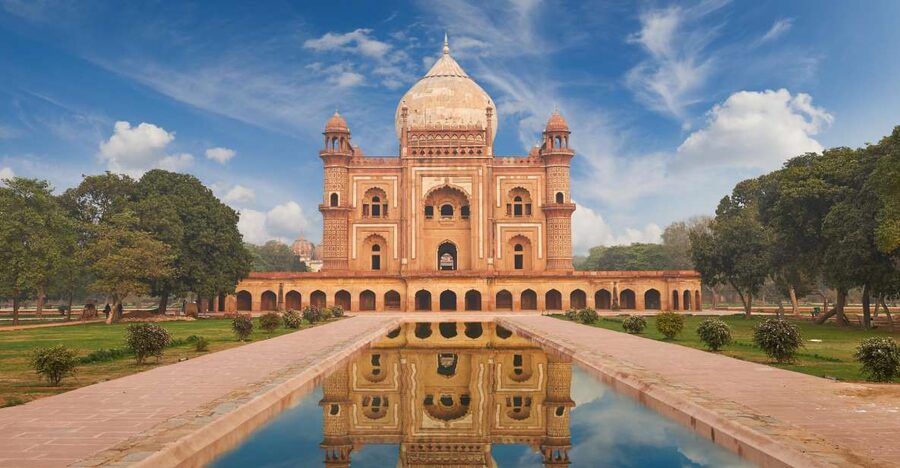
Safdarjung Tomb plus photo stops sounds simple, but it moves fast. This 2-hour Delhi heritage photography tour strings together Safdarjung Tomb with Lodhi-area landmarks most visitors never see, then ends with Lodhi street art. I like that it is built for photographers, not just sightseeing.
What I really enjoy is the mix of subjects. You get tombs with strong architectural frames, plus Lodhi Garden and the Rose Garden for nature shots that still keep the Delhi skyline feeling close.
One thing to consider is reliability at the start. One booking reported a guide did not turn up, so I recommend you message or call the day of, and arrive at the meeting gate a bit early.
Key highlights you will care about
- Safdarjung Tomb as the anchor stop for your first strong frames
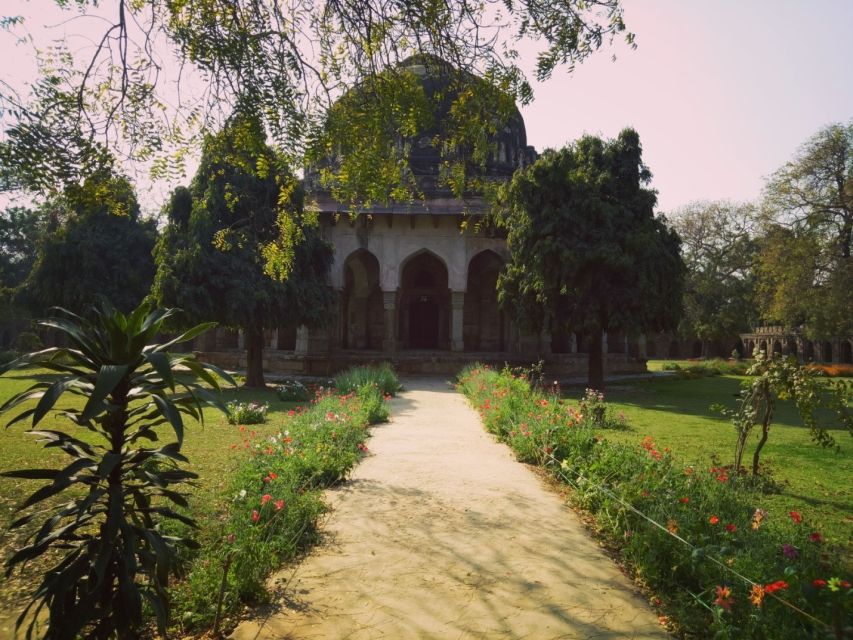
- Muhammad Shah Sayyid Tomb relics, with stories tied to Delhi’s past
- Lodhi Dynasty landmarks including Bara Gumbad, Shish Gumbad, and Sikandar Lodi Tomb
- A walking loop through Lodhi Garden and the Rose Garden for both people-free greenery shots and architecture
- Athpula Bridge and a lake crossing for water reflections and compositional variety
- Lodhi street art on painted walls, with themes like life and death and nature
A 2-hour Delhi photo walk that actually respects your camera
Delhi is a photographer’s playground because the city has texture everywhere. You get old stone, manicured gardens, busy lanes nearby, and then the quieter museum-and-tomb vibe when you step into the monuments. This tour focuses on that mix in a tight time window, which is exactly what you want if you are trying to see a lot without turning it into a full-day slog.
I also like the pacing mindset. The route is designed to hit multiple types of scenes, so you are not stuck shooting only walls or only greenery. In a couple hours, you can walk away with a set that has variety, not just more of the same.
You can also read our reviews of more historical tours in New Delhi


Meeting at Safdarjung Tomb, then get your bearings fast
You meet your storyteller at the entrance gate of the Safdarjung Tomb, at the ticket counter. That matters because Safdarjung is also one of the first big photographic subjects, so you start shooting early instead of waiting around to find the group.
Bring comfortable shoes. It is a walking experience, and you will cover a lot of ground on foot inside monument areas and along garden paths. Also plan on traveling light because luggage or large bags are not allowed.
If you are photographing, show up with your camera ready but not rushed. I find it helps to take 2 minutes at the start to check your settings and lens choices, because you will quickly move into stonework and garden light.
Safdarjung Tomb: where your Delhi heritage frames start
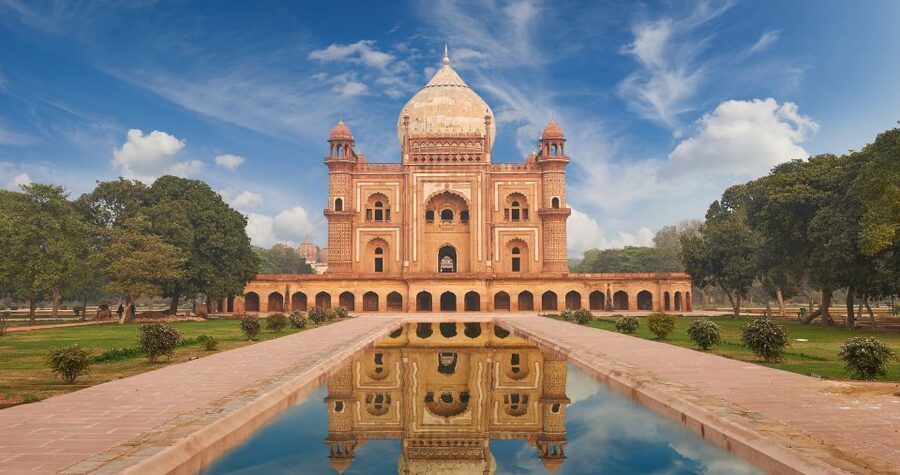
Safdarjung Tomb is the opening scene and a strong one for photography. Even if you do not know the exact details, the building style gives you clear lines for composition and a way to shoot from different angles as you walk around the monument area.
This is also where the tour’s “learn while you shoot” approach kicks in. Your guide is there as a storyteller, and the main value is how they help you notice what a quick pass usually misses. Think of it as turning your camera toward specifics: symmetry, entrances, the relationship between the monument and the surrounding walkways.
If the light is good, you will feel it in your photos. One past guide feedback noted evening light, which is often when tomb stone and garden edges look more dimensional. If your schedule allows, try to time your photos so you are not fighting harsh midday shadows the whole way through.
Muhammad Shah Sayyid Tomb relics, plus guided context
After Safdarjung, you move to the Muhammad Shah Sayyid Tomb. This stop is described as a place that displays relics from Delhi history, which changes how you photograph it. Instead of only shooting architectural shapes, you also have a chance to capture the “story layer” of the site.
The guide conversation here is part practical, part cultural. You can expect talk about religious aspects, beliefs, and why these places matter locally. That matters for photography because it gives your images meaning, not just aesthetics.
A simple way to use this stop well: slow down at the transitions. When you move from one display area or viewing angle to another, your photos will naturally vary. And because the guide is English and Hindi speaking, you can ask quick questions and adjust what you look for.
Lodhi Garden and Rose Garden: nature shots without losing the monument feel
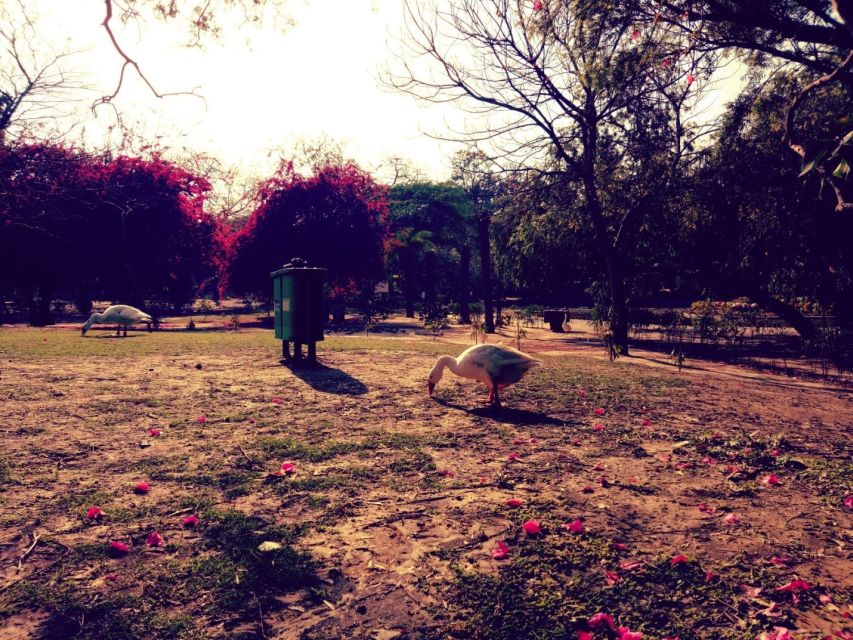
Then the route shifts into greenery with Lodhi Garden, described as the loveliest park in the city of Delhi. This is the part of the tour where you can switch from tomb facades to softer subjects like trees, flowers, and garden paths.
For photos, this is where I would expect you to get your “set of standards.” Gardens help you practice composition beyond architecture: leading lines in paths, repeating tree shapes, and close-ups on textures. The guide also helps you find good viewpoints, including spots that you might miss if you were walking on your own.
You will also walk through the Rose Garden later. Rose Garden plus tomb-adjacent architecture is a nice contrast combo, because you can frame plants against stone walls or domes and keep your shots uniquely Delhi, not generic “garden only.”
If you are tired of the city’s visual noise, gardens are a relief. Just keep your pace steady and watch your footing on paths, especially if the ground feels uneven.
You can also read our reviews of more photography tours in New Delhi






Bara Gumbad (15th century) and the cemetery-of-stone effect
Passing centuries-old buildings, wide lanes, and even embassies of different countries gives the tour an “outside monument” texture. It is not only inside tombs. You also get those corridor-like views that can become great street-style frames, especially when you place architecture in the background.
One specific anchor here is the Bara Gumbad, a 15th-century tomb and mosque. Stops like this are photography gold because dome and arch forms tend to create natural photo shapes. Even if you are not chasing historical minutiae, the structure gives you easy ways to frame a subject, then step back for the wider context.
The main practical caution: keep your camera ready but do not rush your steps. Tomb entrances and garden transitions can involve changing light quickly, and being too slow at the start of a bright patch can leave you scrambling for exposure later.
Athpula Bridge and crossing a lake for water reflections
You will use the Athpula Bridge to cross a lake. Water adds a different kind of challenge and a different kind of reward. You can get reflections, darker-and-lighter contrast, and compositions that layer bridge lines over the water surface.
This is exactly the kind of stop that helps your photo set feel like a journey rather than a checklist. A bridge moment gives you a horizontal frame, and the lake background gives you depth.
If you are shooting reflections, remember that water often changes quickly. Even a few seconds of repositioning can shift the shot from clear mirror-like surfaces to rippled texture. Move carefully, because the bridge crossing is a fixed path and you can only experiment with angles rather than location.
Shish Gumbad and Sikandar Lodi Tomb: Lodhi Dynasty finales with strong silhouettes
Towards the end, the tour focuses on more Lodhi Dynasty landmarks, including Shish Gumbad and the Sikandar Lodi Tomb. Shish Gumbad is described as the last lineage of the Lodhi Dynasty, and that historical framing makes the stop more than a photo opportunity.
From a photography angle, you will likely find these are built for silhouettes and stacked detail. Tombs often look best when you can capture the full profile, not only close-up elements. So if your instinct is to zoom in, try one or two wider frames first.
You also get “walk-through” variety. The tour description includes passing through different buildings and lanes before returning to these monuments, so you come into the final stops with fresher eyes. That helps, because the last segment can feel repetitive if you have been shooting only stone the whole time.
Lodhi street art: painted walls with philosophical themes
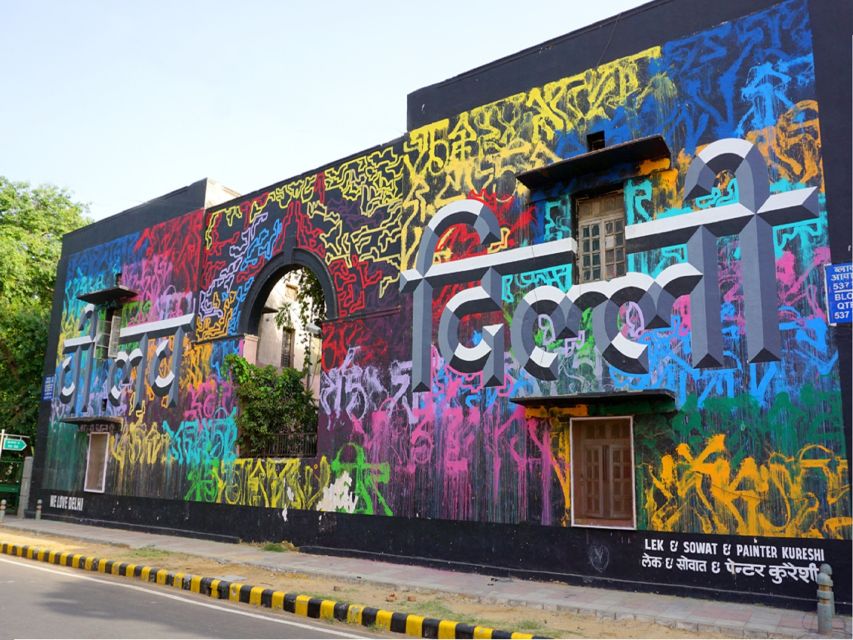
The tour finishes with Lodhi street art, featuring painted walls with diverse graffiti themes. The themes mentioned include nature, the origin of the world, and life and death, which is a big clue for how to shoot it.
Instead of only photographing one mural, try photographing the wall as a background texture first, then shift to details. Street art works well when you capture both: a wider frame for context, then a tighter frame for the story symbols and color layers.
What makes this ending satisfying is that it adds a modern layer to all the heritage you just photographed. You start with tomb stone and garden paths, then you end with contemporary expression. The contrast is the point, and it is also what makes the photos feel current instead of purely historical.
Your guide: storyteller energy and photo-friendly coaching
This is led by a friendly storyteller/guide who speaks English and Hindi, and the broader language support includes Spanish as well. The guide also provides entry to all the photographic destinations and includes photography tips, so you are not alone navigating where to stand or what to prioritize.
I like the “guide as a collaborator” model here. One piece of feedback specifically praised guides for being patient with photographers and letting them do their own thing. That is important in India, because the best photos often come from your own timing and perspective, not from being forced into a script.
The tour also includes conversations about religious aspects, beliefs, and local importance. That can turn awkward “what am I looking at” moments into something you actually understand. For your photos, understanding helps you compose with intention rather than guessing.
One practical inclusion: you get a hot beverage. I do not know what type it will be, but the main value is a warm break, especially if your Delhi day is chilly or windy.
Price and value: why $14 can make sense here
At $14 per person for a 2-hour walking tour, the key question is what you get for your money. Here, the value comes from four areas: multiple monument entries, photography help, a guided cultural thread, and a hot beverage.
Entry to heritage sites can add up quickly in cities like Delhi. This tour includes entry to all the photographic destinations, which means you are paying for the whole photo circuit rather than piecemeal tickets.
Also, the guide is there to help you find points that are described as unknown to major tourists. Whether you care about “popular versus hidden” is personal, but the practical result is the same: less time wandering, more time shooting.
In short: if you want a compact photo itinerary that mixes tombs, gardens, a bridge, and street art, this pricing can feel reasonable. If you are the kind of photographer who loves solo exploration and already knows the Lodhi area well, you might not need a guide.
Logistics that matter on a walking heritage route
Plan for walking. You will be moving between monument areas and garden paths, plus an Athpula Bridge crossing. Wear shoes that can handle uneven ground and long minutes on your feet.
Luggage or large bags are not allowed. If you have camera gear, think about what you can carry comfortably, and keep it simple.
Water bottle is not included. I would bring your own, especially in Delhi when the heat can creep up even when you think you are in shade.
Accessibility is limited. The tour is not suitable for wheelchair users and not suitable for pregnant women, so it is best for travelers who can handle steady walking and monument-area surfaces.
Should you book this Delhi Heritage Photography Tour?
Book it if you want a short, guided route that mixes Safdarjung Tomb, Lodhi-area architecture, Lodhi Garden and Rose Garden, a lake crossing, and Lodhi street art, all with photography tips included. It is a strong choice for photographers who want help seeing better angles in places that are easy to miss on your own.
I would think twice if you need step-free accessibility or you cannot do a walking-based tour. And since at least one booking reported a guide not showing up at the start, it is worth being proactive. Arrive early at the Safdarjung ticket gate, and confirm plans before you leave your hotel.
If you match that profile, this is a fun 2-hour way to collect a photo set that feels like Delhi, not just like monuments.
FAQ
Where is the meeting point?
Please meet your storyteller at the entrance gate of the Safdarjung Tomb (at the ticket counter).
How long is the Delhi Heritage Photography Tour?
The tour lasts 2 hours.
What is included in the price?
Entry to all photographic destinations, photography tips, a hot beverage, and a guide who provides English and Hindi storytelling, with live tour guide support also listed for Spanish.
Do I need to bring a water bottle?
Water bottle is not included, so you should plan to bring your own.
Is entry to the sites included?
Yes, entry to all the photographic destinations is included.
Is the tour suitable for wheelchair users or pregnant women?
No. It is not suitable for wheelchair users or pregnant women.
What languages will the guide speak?
The live tour guide is listed as English, Hindi, and Spanish.
Is free cancellation available?
Free cancellation is available up to 24 hours in advance for a full refund.
More Historical Tours in New Delhi

More Tours in New Delhi




More Tour Reviews in New Delhi
Not for you? Here's more nearby things to do in New Delhi we have reviewed








More Delhi City Tours to consider.
 ★ 5.0Old & New Delhi City Tour – Half or Full Day Options AvailableTickets from $384,811 traveller reviews
 ★ 5.0Same Day Taj Mahal, Agra Fort & Baby Taj Tour from Delhi by CarTickets from $624,304 traveller reviews
 ★ 5.0Taj Mahal Day Tour from Delhi by Superfast Train – TOP RATED TOURTickets from $1004,166 traveller reviews
 ★ 4.9Old and New Delhi Private Full or Half-Day TourTickets from $23,776 traveller reviews
 ★ 5.0Full Day Taj Mahal, Agra Fort & Baby Taj Tour from Delhi by CarTickets from $623,647 traveller reviews
 ★ 4.9From Delhi: Taj Mahal & Agra Private Day Trip with TransfersTickets from $43,181 traveller reviews
 ★ 5.0Taj Mahal Tour from Delhi by Express Train (Viator Award Winner)Tickets from $752,849 traveller reviews
 ★ 5.0All Inclusive Private Taj Mahal Luxury Tour from Delhi by CarTickets from $622,564 traveller reviews
More useful Delhi routes