
Review · DELHI CITY TOURS
The Great Indian Food Tour: Old Delhi Food and Heritage Walk
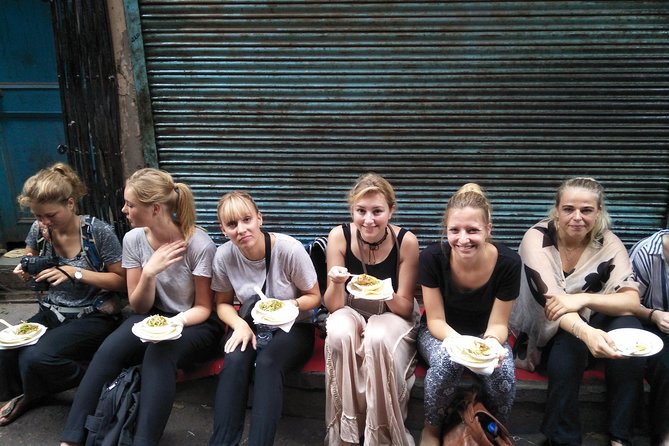
Old Delhi is a feast for the senses. I like that this tour pairs street food with real local stories, not random restaurant stops. You get guided route planning through the maze, plus snacks and drinks that are part of the experience, not an afterthought.
Two big wins: first, the ride options (cycle/electric rickshaw or tuk tuk) help you cover chaotic areas without getting totally worn out. Second, the stops are placed in major market zones like Chawri Bazaar and Chandni Chowk, so you see how food, trade, and daily life connect. The one thing to watch is the pace and the crowds, plus the fact that some rides can feel intense in traffic.
Key things to know before you go
- Included food and drinks so you can safely plan to eat on this outing
- Market stops with meaning, like Khari Baoli and Chandni Chowk, not just “food sampling”
- Rides that reduce walking stress, cycle/electric rickshaw or tuk tuk depending on your route
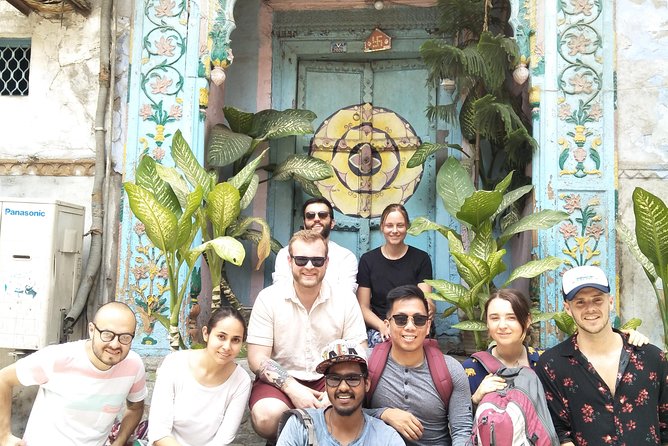
- Small-group size (capped at 10 to 12 people), which usually makes questions and checking in easier
- A local friend and story teller guiding you through spice, street food, and heritage context
- Optional temple visit on the Naughara lane, with no extra charge
Why Old Delhi Food Works Better With a Guide
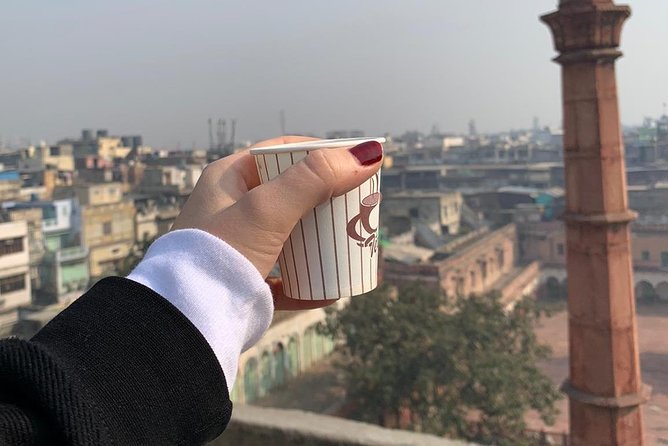
Old Delhi can feel like sensory overload in the best way. Spices hit first, then smoke from hot grills, then the sound of vendors calling out. It is also the kind of place where it is easy to get turned around, especially if you are hungry and trying to find something that looks good but is not where you should be eating.
This tour is built for that exact problem. Instead of hoping you pick the right stall, you follow a local guide through market zones known for food and trade. The value is not just the snacks. It is the route, the order of stops, and the context that makes what you taste make sense.
I also like the safety angle without turning it into a lecture. The tour is structured so you are not wandering into random spots when you are already overwhelmed. That matters when you are deciding what is worth trying in a place where everything looks tempting.
You can also read our reviews of more walking tours in New Delhi


Price and Time: Getting More Than a Snack Stop
At $43 per person for about 5 hours, you are paying for a lot more than “walk and eat.” You are also paying for local guidance, a small group experience, bottled water, and entry tickets and fees. Then there is transportation during the tour, with cycle/electric rickshaw or tuk tuk options.
That makes the price easier to justify if you are coming to Old Delhi for your first day or you want a focused plan. If you were doing this on your own, you would likely spend money on transport, struggle to find reliable spots, and still end up with gaps in your understanding.
One practical consideration: this is half-day length but it still adds up. You will be on your feet, navigating busy lanes, and shifting between markets and rides. If you want a slow, calm walk, this may not be your best match.
Meeting at Connaught Place, Not Your Hotel
You meet at UNIQLO Connaught Place, Delhi, Building No. 1, 1-A, Radial Rd Number 2, Block A. The tour ends back at the same meeting point, so you are not dealing with a complicated drop-off.
Hotel transfers are not included, so plan your own way to Connaught Place. On the plus side, the meeting point is near public transportation. If you are using metro and buses, this is a sensible starting place.
I suggest building in a little extra time to find the exact meetup area. Old Delhi tours often start with a regrouping moment before you head into the markets. When you show up early, you avoid the stress that comes from being the last person to join a small group.
The Flow of the 5-Hour Heritage Walk
The tour is designed like a sequence, not a list of random snacks. You start with breakfast and a briefing, then move into spice and tradition markets, then end with the best-known public squares and colorful bazaars.
In real terms, that means your appetite and energy are handled in phases:
- Start with something traditional and grounding (so you are not jumping straight into spicy overload).
- Move into markets where tea, spices, and small plates are the rhythm.
- Finish with major Old Delhi hubs, where the energy is high and you likely want one last round of bites before you head out.
The small-group size, capped at a maximum of 10 to 12, helps keep this flow from turning into a slow-moving conga line. If your group is small, the guide can answer questions and adjust timing when you need a breather.
Chawri Bazaar: Traditional Breakfast and Snack Setup
Chawri Bazaar is where the tour sets its tone. You start with a briefing and a traditional breakfast in the morning version. In the evening version, the stop shifts to traditional snacks that fit that time of day.
Either way, this stop is a smart move. It is early enough to get you oriented and hungry, but not so late that you are searching for food with zero patience. A traditional breakfast or early snack also helps you settle your stomach before you hit spice markets and heavier street food.
Plan to eat. The tour is built on sampling, and this first stop is part of the sampling structure. If you show up full, you may feel like you are playing catch-up later.
You can also read our reviews of more food & drink experiences in New Delhi
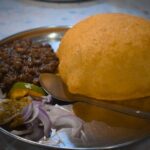


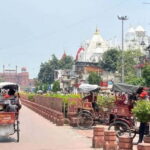

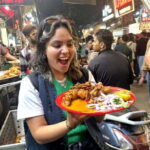
Khari Baoli: Spice Market Smell, Tea, and Stories
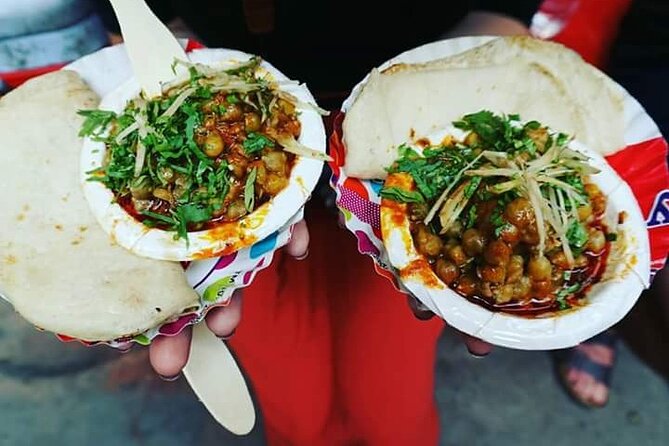
Khari Baoli is one of the oldest spice market areas, and it is where the experience becomes more than just food. You will spend time exploring the market and enjoying a cup of tea while hearing stories about Old Delhi and the people who live and work there.
This is the stop that helps you understand why Old Delhi tastes the way it does. Spices are not just ingredients here. They are part of commerce, family routines, and neighborhood identity. When you learn the background while you are there, the flavors stop being random and start being meaningful.
A small practical point: spice markets are intense on the senses. If you are sensitive to strong smells, brace yourself. Tea is a good reset between the spice air and the next tastings.
Balli Maran: Traditions Market Energy and Food Dishes
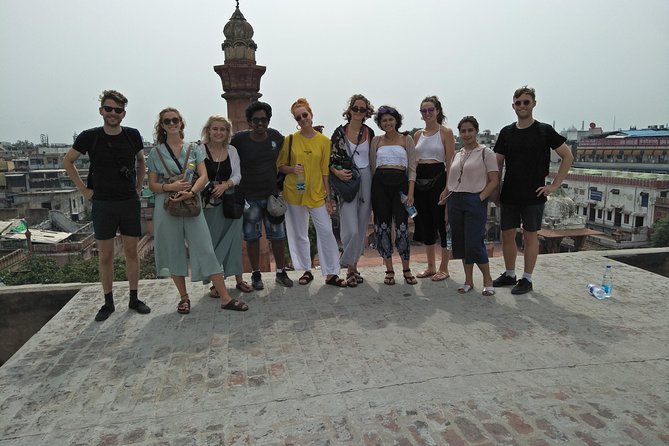
Balli Maran is another market zone that focuses on older traditions and street-life food. You will explore the area and try food dishes, with time built in for actually tasting rather than just walking past.
What I like about this kind of stop is variety. Old Delhi does not revolve around one cuisine style. It is regional influences, religious and cultural patterns, and a lot of everyday cooking traditions. When the tour includes a market like this, you are more likely to taste foods that feel different from what you usually find outside India.
This is also a good moment to slow down and pay attention. If you can, take a breath before your first bite, and decide what you are tasting. That turns the experience from food fatigue into food learning.
Naughara Lane: Nine Mansions and the Optional Jain Temple
Next up is the Naughara area, known as a row of nine houses. This is where you get a quieter change of pace from the biggest market squares, with beautiful lanes and a historical stop. You can optionally visit an old Jain temple at the end of the lane, and it is free.
Even if you skip the temple visit, the lane itself is a nice palate cleanser. It offers a different Old Delhi view, more about architecture and street layout than food counters.
The watch-out here is time and comfort. Optional means not everyone will move at the same pace. If you prefer to stick to pure food only, you can treat this as a quick stroll lane stop. If you are interested in heritage, it is worth considering since it adds a layer beyond markets.
Chandni Chowk: Famous Square, More Eating, Big Atmosphere
Chandni Chowk is the star name in Old Delhi. This stop gives you time to explore the most famous square and eat more food before leaving with memories.
This is usually where the tour peaks in energy. You are in a major public space now, so you feel the scale of the city. It is also the point where people often realize they have been eating across neighborhoods, not just snacking in one area.
If you get overwhelmed easily, this is the stop to pace yourself. Use the time to step aside briefly when you need a breather, then come back for your last bites.
If you love a “see it, taste it, understand it” travel style, Chandni Chowk is where that clicks.
Kinari Bazar: Colorful Shops and the Final Market Layer
The tour wraps with Kinari Bazar, known for its colorful shops. You get a shorter stop here, but it matters because it gives Old Delhi a visual signature to hold onto after the last bites.
This is also where I find people appreciate the structure of a guided tour. You do not just keep walking until you drop. You finish the story in a place that looks and feels different from spice stalls and crowded food counters.
If you want photos, this is where you should plan them. Bright shop displays and dense market lanes give you great shots without taking up the long time you might need earlier.
Transport Choices: Cycle Rickshaw, Electric Rickshaw, and Tuk Tuk
One of the most practical inclusions is the transport. You ride a cycle/electric rickshaw or tuk tuk during the tour. That can be a big deal in a place where the streets can feel packed and stop-and-go.
From a comfort standpoint, rides help you keep your energy for eating and browsing. From an experience standpoint, it also lets you feel Old Delhi movement, without walking every single meter through traffic and tight lanes.
If you are sensitive to noise or chaotic movement, plan your expectations for the ride portions. Some people find tuk tuk and heavy traffic areas intense. For those moments, do what works for you: keep a steady pace with the group, drink the bottled water, and take a few slow breaths before you hop back in.
Food and Safety: What Included Actually Does for You
The tour includes food and drinks, plus snacks and bottled water. It also includes entry tickets and fees, so you are not constantly stopping to pay small amounts that add up.
That is the real value of included tastings. You show up hungry and you leave with a full picture of what the neighborhood eats. Then you are not trying to guess which stall is “safe” after you already feel impatient or tired.
It also helps that the tour tells you to let them know about food allergies. That is not a guarantee of how every ingredient is handled at every stall, but it does mean there is a process for your needs before you start sampling.
If you have serious medical conditions, the tour is not recommended. That is important. Market walking and street-food pacing are not set up for medical breaks or long waits.
Guides, Stories, and the Human Touch
This is not just a route. The tour is led by a local friend, story teller, and tour guide. That matters because food in Old Delhi is tied to people and routine, not just recipes.
In the guide lineup you may meet names like Sonali, Dolly, Parul, Raghu, or Patil, depending on the day. The common thread across these local guides is energy plus a strong sense of how to keep you moving while staying safe and comfortable.
I like guides who do two things at once:
- They explain what you are eating in a way you can remember.
- They keep the group together when streets get busy.
That combo is why this kind of tour is so popular for a first or second day in Delhi.
Who This Tour Fits Best
This works especially well if:
- You want a first-time Old Delhi food experience with less guesswork
- You like street food, but want someone to steer you toward cleaner, more reliable places
- You want history and culture explained through what you eat
- You prefer small-group tours and expect the guide to manage timing
It may not fit as well if:
- You hate busy, noisy streets and crowd energy
- You need a very slow pace with long sits
- You have serious medical conditions
- You have strict dietary needs beyond basic allergy notice
Should You Book This Old Delhi Food and Heritage Walk?
Book it if you are coming to Delhi hungry, curious, and short on time. At $43 for roughly 5 hours, with food and drink tastings, bottled water, and guided transport through Old Delhi markets, you are buying a structured way to experience the city’s street-food culture without losing hours.
Skip it or rethink it if you are looking for a calm, high-comfort stroll or you know you struggle with dense traffic, loud lanes, and constant movement. This tour is more street reality than museum pace.
If you do book, my practical tip is simple: show up ready to eat, and ask your guide what you should try first at each stop. When you follow their order, the flavor arc makes sense and you finish the tour feeling satisfied, not fried.
More Walking Tours in New Delhi


More Tours in New Delhi






More Tour Reviews in New Delhi

Not for you? Here's more nearby things to do in New Delhi we have reviewed










More Delhi City Tours to consider.
 ★ 5.0Old & New Delhi City Tour – Half or Full Day Options AvailableTickets from $384,811 traveller reviews
 ★ 5.0Same Day Taj Mahal, Agra Fort & Baby Taj Tour from Delhi by CarTickets from $624,304 traveller reviews
 ★ 5.0Taj Mahal Day Tour from Delhi by Superfast Train – TOP RATED TOURTickets from $1004,166 traveller reviews
 ★ 4.9Old and New Delhi Private Full or Half-Day TourTickets from $23,776 traveller reviews
 ★ 5.0Full Day Taj Mahal, Agra Fort & Baby Taj Tour from Delhi by CarTickets from $623,647 traveller reviews
 ★ 4.9From Delhi: Taj Mahal & Agra Private Day Trip with TransfersTickets from $43,181 traveller reviews
 ★ 5.0Taj Mahal Tour from Delhi by Express Train (Viator Award Winner)Tickets from $752,849 traveller reviews
 ★ 5.0All Inclusive Private Taj Mahal Luxury Tour from Delhi by CarTickets from $622,564 traveller reviews
More useful Delhi routes