
Review · DELHI CITY TOURS
Delhi: Explore Old Delhi on Tuk Tuk with Shopping and Street Food
Tuk-tuks turn Old Delhi into a maze. This 4-hour private ride pairs classic monuments with everyday lane life, so you see places like Red Fort while still getting the feel of Old Delhi. You move by tuk-tuk, which matters here, because the streets in Chandni Chowk and around the spice markets are tight, chaotic, and best done with a local route in mind.
Two things I really like: the private group format keeps the pace comfortable, and the spice-market stop is more than a photo op, you get explanations you can actually use. If your guide is someone like Faizan, Harsh, or Isha, based on the strong feedback I saw, you’ll likely get clear history plus practical culture context as you go.
One thing to consider: this is street-level Delhi, so expect traffic noise, crowd flow, and lots of sensory input. If you want quiet, tidy sightseeing, this route might feel like sensory overload for some people, especially during market hours.
Key highlights you should care about
- Meet at Sunehri Masjid near Red Fort parking, so you start right where the action begins
- Chandni Chowk and Khari Baoli focus on spices, including how they’re used and the medicinal and health angles your guide shares
- Jama Masjid stop includes admission, giving you a longer look at one of Old Delhi’s major landmarks
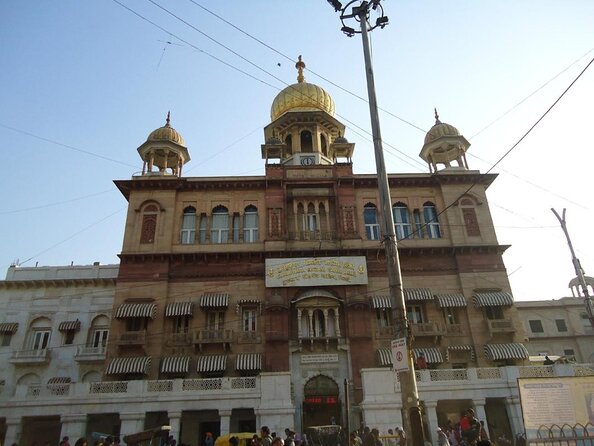
- Sikh shrine time at Gurudwara Sis Ganj area, with free admission built into the plan
- Ugrasen ki Baoli step well gets a real moment, including its 60 meter depth and 15 meter width details
- Pass-bys at India Gate and Rashtrapati Bhavan, so you see key city symbols even with limited time
A 4-hour tuk-tuk plan that makes sense for first-timers

Old Delhi looks simple on a map. In real life, it is not. The lanes around Chandni Chowk and the spice bazaars twist and squeeze, and walking the whole loop without a plan can eat your time fast. This tour fixes that with tuk-tuk transport, which lets you see more, then spend your best energy on the markets and monuments instead of trying to figure out directions.
The “private for your group” setup is another underrated win. You aren’t stuck waiting for a large group to shuffle forward, and your guide can slow down if you’re shopping, want more street food time, or need a quick breather. It also helps if your group has different interests, like one person who wants photos and another who cares about religious and historical context.
At the same time, you should know what kind of experience you’re signing up for. This is not a slow, polished museum tour. It’s a real neighborhood circuit, built around seeing, smelling, tasting, and asking questions as you ride and walk.
You can also read our reviews of more food & drink experiences in New Delhi



Starting at Sunehri Masjid, right by the Red Fort parking area
Your meet point is Sunehri Masjid on Nishad Raj Marg, near the Red Fort parking area. That location is smart because it puts you close to the main Old Delhi landmarks without forcing long transfers from somewhere else. It also sets up the route logically, as you move through Old Delhi core areas rather than zig-zagging across the city.
Confirmation happens at booking time, and you’re given a mobile ticket, which is handy in a place where you don’t want to fumble with paperwork. Pickup is also offered, so if you’re staying a bit off the center, it can reduce stress and let you start smoothly.
One practical note: meeting at a busy landmark means arriving with a few minutes buffer. You’ll be joining a street environment, and it’s easier to locate your guide before you’re pulled into the market flow.
Chandni Chowk and Khari Baoli: spices, history, and that sensory overload
This is the heart of the experience. You ride into Chandni Chowk and then head into Khari Baoli, described as Asia’s largest spice market since the 17th century. That’s a bold claim, but it gives you the right expectation: you’re entering a place built for trade, not quiet sightseeing.
What I like here is that the tour doesn’t treat spices like decoration. You get hands-on information, plus explanations that include the medicinal and health angles people associate with spices. I’d take those claims as cultural information to learn about how locals talk about food and remedies, not as medical advice. Still, it’s genuinely useful because it helps you understand what you’re seeing and tasting.
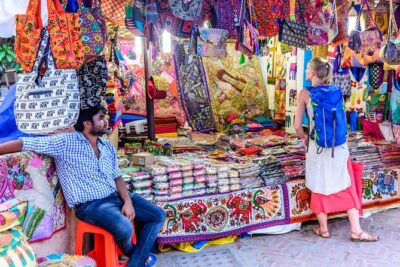
You’ll also get some time simply experiencing the lane rhythm. Expect stalls, grinders, sacks of spices, and people bargaining. For shopping, this is the best part of Old Delhi to focus on small items, because you’ll have constant reference points, like what the spice mixes look and smell like.
Time-wise, the plan gives you a short, targeted stretch. For example, one market segment is listed at about 30 minutes and later there’s another Khari Baoli visit listed for about 15 minutes. That structure is practical: you get an initial orientation, then a second chance to pick up what caught your eye.
Jama Masjid and the Old Delhi landmark circuit
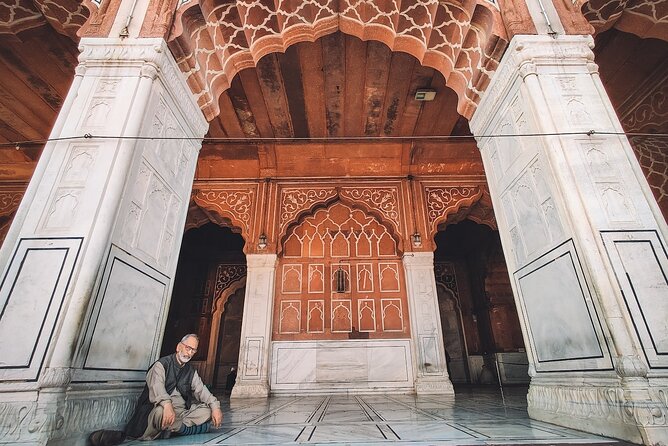
After the spice-market energy, you shift to monuments. Jama Masjid is included as a longer stop, about 1 hour, with admission listed as included. That matters because a mosque stop is not just about exterior photos. You need time to orient yourself, watch how people move through the space, and take in the scale.
Old Delhi religious sites can feel overwhelming if you show up with no context. Here, your guide provides the historical and cultural framing you need. Even if you’ve visited religious sites before, this one tends to be emotionally and visually strong, and the extra time helps you avoid rushing.
There’s also a rhythm to how you move. The tour is structured so you don’t bounce between random points with long dead stretches. You go from market intensity to a major religious landmark, then continue onward.
One consideration: it’s still a working neighborhood. That means you may encounter crowds, plus people who are shopping, praying, or simply passing through. If you want solitude, plan for a more “observe and learn” style rather than a peaceful retreat.
Gurudwara time at the Sis Ganj area, with history you can feel
Next comes the Sikh gurdwara stop listed for Gurudwara Bangla Sahib in the itinerary, while the description also calls out Gurudwara Sis Ganj as a prominent Sikh gurdwara in Old Delhi, noted as one of the nine Sikh shrines in Delhi. Either way, the key value is the same: you get a real pause for worship and tradition, not a quick drive-by.
This stop is listed at about 1 hour with free admission. That’s a good allocation because gurdwaras invite you to slow down. People often come with family, and there’s usually a strong sense of community routines that you can watch respectfully while you learn.
I’d treat this portion like a cultural reset. You go from spices and mosque scale to the feeling of Sikh devotional space. If you came to Delhi primarily for sights, this stop gives the tour more depth, because you see how religion and daily life sit right next to each other.
More New Delhi tours and experiences for the shortlist





Red Fort: quick but meaningful, UNESCO-level icon

You’re scheduled to see Red Fort (Lal Qila), a UNESCO World Heritage Site. The plan lists time around 30 minutes, and it also notes pass-by movement near the fort area.
Even with limited time, Red Fort works well in this kind of route because your guide can focus your attention. Instead of treating it as a random landmark, they can point out what makes it historically significant and what you should notice first as you look at the red sandstone walls.
A practical expectation: in peak hours, the fort area can be crowded. So if you’re aiming for photos without people in every frame, you’ll want to accept that you may need to wait for a gap. The benefit of this tour is that it does not oversell Red Fort as the only highlight. You’ll have other stops that keep the day varied and interesting.
Ugrasen ki Baoli step well: a calm 15 minutes with real structure
Then you hit one of the most fascinating “pause and look” moments on the plan: Ugrasen ki Baoli, a step well described as about 60 meters deep and 15 meters wide, built in the 14th century by King Agarsen.
This stop is listed at around 15 minutes with free admission. That’s the sweet spot if you’re curious but not trying to make the day into an all-afternoon archaeology project. Step wells can feel slightly mysterious, and getting a focused segment helps you actually notice the geometry and scale rather than just spotting it from the street.
If you enjoy architecture and older water systems, you’ll likely appreciate this stop even more than you expect. And it’s a nice contrast after big monuments and market density, because it offers a more contained atmosphere.
India Gate and Rashtrapati Bhavan pass-bys for city context

With daylight still in play, the tour includes short looks at India Gate and Rashtrapati Bhavan. India Gate is described as built in memory of World War One. Rashtrapati Bhavan is listed as a pass-by of the President’s House and Parliament House, two major symbols of India’s democracy.
These are not deep walking stops here. India Gate is about 15 minutes, and Rashtrapati Bhavan is another pass-by around 15 minutes. That’s fine for this kind of half-day flow because it connects Old Delhi culture and religious sites to modern national landmarks.
Think of this portion as “context shots.” You’re still spending most of your time where Old Delhi’s personality is strongest, while still getting a taste of wider Delhi identity.
Street food and sweets: what you can expect if your option includes bites
Food is a big part of why this plan is fun. The tour description explicitly calls out sugary goodies at Bikaner Sweets and notes local bites or snacks in the market as included in only the tickets option.
It’s a smart setup because you’re not wandering food stalls randomly. Your guide helps you target snacks that fit the route and timing, and that reduces the chance you miss out on what makes Old Delhi taste like itself.
Also, bottled water is included. That matters in this heat-and-walking combo, even if the day is shorter than a full-day food crawl.
One caution: market food is a sensory yes, but it comes with your own comfort levels. If you’re sensitive to spice, start with small bites and see how your body handles it. If you’re cautious about street hygiene, stick to items you see being handled frequently and served hot. Your guide should be able to steer you toward options that feel safer and more straightforward.
Price and value: why $5 per person can work here
The price is listed as $5.00 per person, with duration around 4 hours. That is extremely low for a private guided circuit plus local transport, and it signals that this is designed for maximum value, not luxury pacing.
Where the value comes from:
- You get a personalized live guide following an itinerary rather than a random self-guided shuffle.
- You get tuk-tuk transport in the tickets option, which is a real cost-saver given the stop-and-start nature of Old Delhi lanes.
- You get parking fees, tolls, fuel, and taxes covered, so you are not mentally budgeting every minor logistical cost.
- You get free or included admissions across multiple stops, like Chandni Chowk market areas, Khari Baoli, Gurudwara, Ugrasen ki Baoli, India Gate, plus Jama Masjid admission listed as included.
Now, be clear-eyed. Low price tours can sometimes mean less time at each stop. Here, the plan uses short, efficient segments that keep you moving. That works if you want a good “first look” and a feel for the city. It might not work if you want slow wandering and long photo sessions at just one sight.
If you’re booking to maximize your first-day energy, this price can be a win. If you want a deep, unhurried study of one monument, you’ll likely want a different, longer format.
Shopping in Old Delhi, how to do it without getting stressed
This route explicitly includes time for buying souvenirs if you want. That’s where Old Delhi shines, but it can also frustrate people who don’t know what they’re looking for.
My advice: decide on two categories before you start. For example, spices and small edible gifts are easy wins, and you can usually bring them home more easily than large bulky items. Then keep your spending focused during the spice market segments like Khari Baoli, where the tour time is built around sensory shopping.
Also, keep your expectations grounded. Shopping here can mean fast talk, quick decisions, and lots of people pressing in around goods. A guide helps because they can translate the why behind prices and help you avoid being pulled into deals that do not match what you actually want.
If your group includes first-time shoppers, the private format helps a lot. You can ask questions without holding everyone else back, and you won’t feel like you’re slowing a large group.
What I’d do before you go (based on the route and stops)
This tour is short, so your choices matter. Here’s how I’d prepare.
- Wear shoes that can handle uneven pavement and crowded lanes. You’ll be walking short distances between tuk-tuk drops and market areas.
- Bring a small amount of cash for snacks or extra purchases, even if market bites are included in your selected option.
- Dress for religious sites respectfully, since you’ll visit a major gurdwara and a major mosque area.
- Keep valuables secure, because markets attract attention and crowds move constantly.
If you’re the type who likes asking questions, you’re in the right place. The plan is built around guides explaining historical significance, cultural highlights, and how spices connect to local uses.
Should you book this tuk-tuk Old Delhi route?
If you want a first-time Old Delhi plan that is efficient, guided, and heavy on street life, I think you should consider booking. The strongest selling points are practical: tuk-tuk transport for tight lanes, private group pacing, and stops that cover major landmarks plus everyday markets.
It’s also a good match if you like learning while you’re moving. The guide experience seems to be a major strength, with feedback calling out friendly, detailed guiding and history and culture insights, including named guides like Faizan, Harsh, and Isha.
Skip it if you’re chasing a slow, quiet tour where you can linger for long periods at one site. This route is designed for motion and variety, not extended museum-style time.
If your goal is your best first taste of Old Delhi, with spices, monuments, and a bite or two, this is a value-heavy way to do it.
More Food Experiences in New Delhi
More Food & Drink Experiences in New Delhi
More Tour Reviews in New Delhi






Not for you? Here's more nearby things to do in New Delhi we have reviewed










More Delhi City Tours to consider.
 ★ 5.0Old & New Delhi City Tour – Half or Full Day Options AvailableTickets from $384,811 traveller reviews
 ★ 5.0Same Day Taj Mahal, Agra Fort & Baby Taj Tour from Delhi by CarTickets from $624,304 traveller reviews
 ★ 5.0Taj Mahal Day Tour from Delhi by Superfast Train – TOP RATED TOURTickets from $1004,166 traveller reviews
 ★ 4.9Old and New Delhi Private Full or Half-Day TourTickets from $23,776 traveller reviews
 ★ 5.0Full Day Taj Mahal, Agra Fort & Baby Taj Tour from Delhi by CarTickets from $623,647 traveller reviews
 ★ 4.9From Delhi: Taj Mahal & Agra Private Day Trip with TransfersTickets from $43,181 traveller reviews
 ★ 5.0Taj Mahal Tour from Delhi by Express Train (Viator Award Winner)Tickets from $752,849 traveller reviews
 ★ 5.0All Inclusive Private Taj Mahal Luxury Tour from Delhi by CarTickets from $622,564 traveller reviews
More useful Delhi routes