
Review · DELHI CITY TOURS
Golden Triangle 6 Days Tour from New Delhi
A 6-day Golden Triangle is a fast way to see India. I love how this route stitches together Delhi, Agra, and Jaipur with a private vehicle, so you spend less time figuring out logistics and more time looking closely. You also get a strong start with major landmarks like Qutub Minar, the Taj Mahal, and Amber, all without living out of your suitcase. One thing to consider: entrance fees and meals are not included, so you’ll want to budget for tickets and lunch each day.
What makes this trip especially workable is the pacing. Each driving leg is typically a 4 to 6 hour transfer, and the plan builds in time for key sights such as Mehtab Bagh near sunset and multiple Jaipur monuments in the same day. The reviews also highlight the human side, with guides like Hasseb and Mudassir earning repeat praise for answering questions, staying attentive, and helping you feel comfortable as foreigners. If you dislike early starts or tight schedules, you may find this circuit a bit “on the move,” since it’s designed to cover a lot in six days.
Golden Triangle Highlights, the Stuff That Actually Matters
- Private vehicle, not shared chaos: bottled water onboard and a car that keeps the day moving.
- Mehtab Bagh sunset timing for the Taj: a different Taj viewpoint than the main entrance.
- Agra Fort included: you get more than just the single iconic photo spot.
- Fatehpur Sikri stops on the way to Jaipur: one extra world of monuments without extra hotel moves.
- Guides who talk, not just drive: reviews mention attentive guiding and Q and A for real understanding.
- Clean, safety-minded transport noted in reviews: one review specifically called out a clean car and seat belts.
Why the Golden Triangle Works for a First-Time Circuit
The Golden Triangle is called that for a reason. On a map, Delhi, Agra, and Rajasthan form a triangle, and most itineraries follow that same loop by road. In practical terms, you get a tight sampler: Delhi for big-city monuments and religious sites, Agra for Mughal masterpieces, then Rajasthan for palace-and-market Jaipur energy.
In six days, you’re not trying to “beat” India. You’re trying to get oriented fast. You’ll see how different parts of the country build identity through architecture, ritual spaces, and daily life. And because this is a private tour, you can keep questions on the table as you go, instead of waiting for a group briefing.
More New Delhi tours and experiences for the shortlist


Price and Logistics: What $350 Covers, and What It Doesn’t
The price is listed at $350 per group, up to 3 people. That’s the first value point: your cost stays reasonable even if you’re traveling as a small group, and private transport usually costs more when booked by the seat.
Here’s what’s included: bottled water and transport by private vehicle. That matters because it reduces the day-to-day friction. You’re not negotiating rides between every stop.
Here’s what’s not included: entrance fees, accommodation, breakfast, and food and drinks (including lunch). That doesn’t make the tour bad, it just means you should plan your cash flow. If you want to avoid surprise expenses, set aside money for tickets and at least one proper sit-down meal per day.
Also note you’ll use a mobile ticket. That’s helpful when you’re juggling a phone, passport copy, and a day bag.
Day 1 in Delhi: Qutub Minar, Lotus Temple, Gurudwara, Jama Masjid

Delhi can overwhelm you in 20 minutes, especially if it’s your first time. Day 1 helps because it layers different kinds of landmarks in one arc, from Islamic monument to Bahai House of Worship to Sikh sacred space.
Qutub Minar: the Delhi icon you should see early
You start with Qutub Minar and the complex. This is one of those places where the details reward you if you slow down. Plan for about 2 hours. Since entrance tickets aren’t included, check your budget before you go so you don’t have to stand around deciding.
Why it’s worth it: it anchors you in Delhi’s older layers. And it also gives you a sense of scale, since these monuments are built to last and to be seen from far away.
Lotus Temple: calm architecture, simple rules
Next is the Lotus Temple, a Bahai House of Worship. The visit is about 1 hour, and admission is free. It’s a great reset after the busier streets around you.
Practical tip: dress respectfully and keep your voice low. Even when admission is free, the space still has its own vibe and expectations.






Gurudwara Bangla Sahib: a short stop with big atmosphere
Then you get Gurudwara Bangla Sahib. The schedule lists a quick stop, around 1 minute, with free admission. Even if your time is brief, this is the kind of place where the atmosphere does the teaching.
Sikhism is visible here through everyday devotion. If you want a fuller experience, use the guide. Ask what you should watch for and what etiquette matters.
Jama Masjid: one of India’s biggest mosques
You finish Day 1 at Jama Masjid, one of India’s oldest and biggest mosques, about 45 minutes, not included for admission. This is a lot of sight in a short time, but it works because you get different religious architecture across the day.
One consideration: Jama Masjid can bring crowds and heat. Wear shoes you can handle and plan for a bit of waiting.
Day 2 in Delhi: Akshardham, Mehtab Bagh Sunset, and the Taj Tease
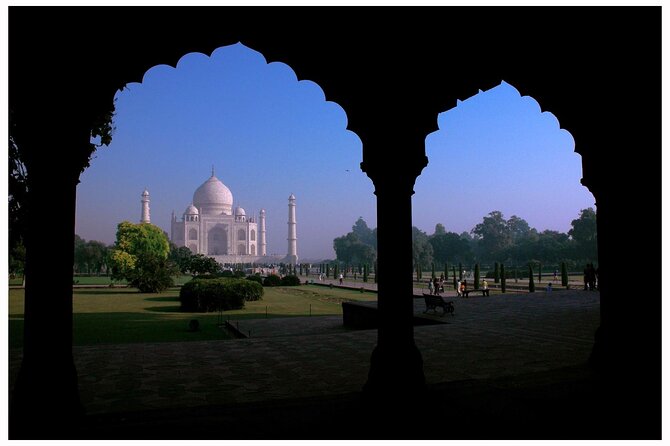
Day 2 is where the trip starts turning “from Delhi monuments to Taj obsession.” You head to Swaminarayan Akshardham and then to the river-side viewpoint at Mehtab Bagh.
Swaminarayan Akshardham: a temple visit with free admission
Akshardham is about 1 hour and admission is listed as free. It’s described as a new temple of the Vishnu sect. Even if you don’t know the theology, you’ll notice how the space is designed to feel orderly and uplifting.
If you like high production design and crisp layout, you’ll probably enjoy it. If you prefer less structured places, treat it as a cultural stop, not a spiritual deep dive.
Mehtab Bagh: the Taj Mahal view you might like better
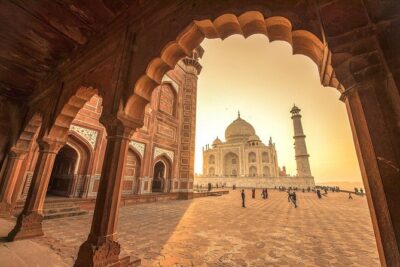
Then you go to Mehtab Bagh, timed for sunset. The schedule suggests about 1 hour, and admission isn’t included. This is a strategic choice. Instead of only seeing the Taj from the main complex, you catch the monument framed from across the river.
Why that’s valuable: it changes your mental picture of the Taj. You see it as part of a wider scene, not only as a ticketed destination.
Practical tip: sunset views can be windy and cool after a hot day. Bring a light layer if you run cold at night.
Day 3 Agra: Taj Mahal in the Morning, Agra Fort in the Day
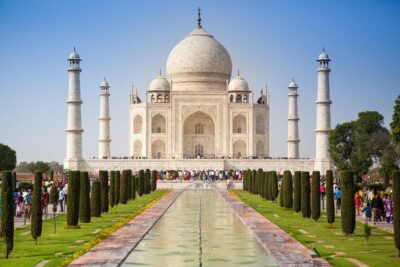
This is your signature day. The itinerary gives a long block for the Taj Mahal, about 6 hours, then adds Agra Fort. Agra Fort is listed as included for admission.
Taj Mahal: more than a single photo spot
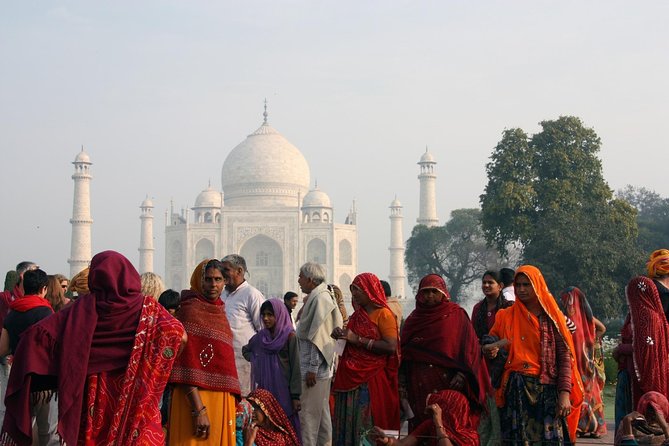
Morning at the Taj Mahal is the right move. You’ll join your sightseeing tour after breakfast and spend a long stretch there. Entrance fees are not included, so plan for tickets.
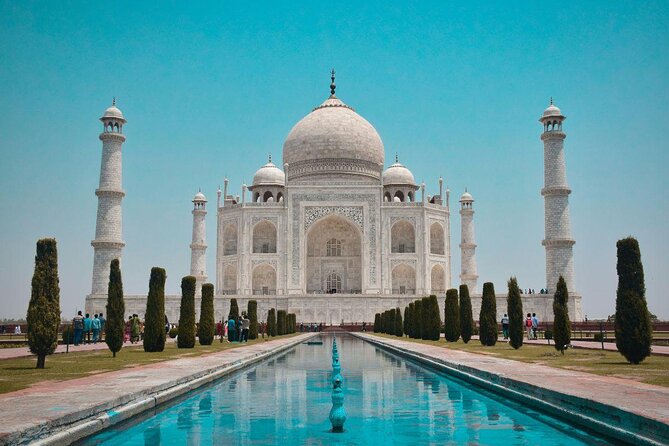
Here’s the real point of a longer visit: you can step back and notice what makes the Taj work. It’s not just “pretty.” It’s symmetry, materials, craftsmanship, and light play. If you keep your pace steady and let the guide explain what you’re looking at, the monument stops feeling like one more landmark.
Agra Fort: the included follow-up that adds depth
After the Taj, you go to Agra Fort for about 1 hour, with admission included. This stop matters because it places the Taj in a broader Mughal story. It also gives your legs a break from the Taj’s concentrated viewing.
Agra Fort isn’t as universally famous, which is exactly why it feels rewarding. If you enjoy monuments with layers and power, you’ll likely appreciate it.
Day 4 Fatehpur Sikri and Jaipur Transfer: the Ghost City Stop
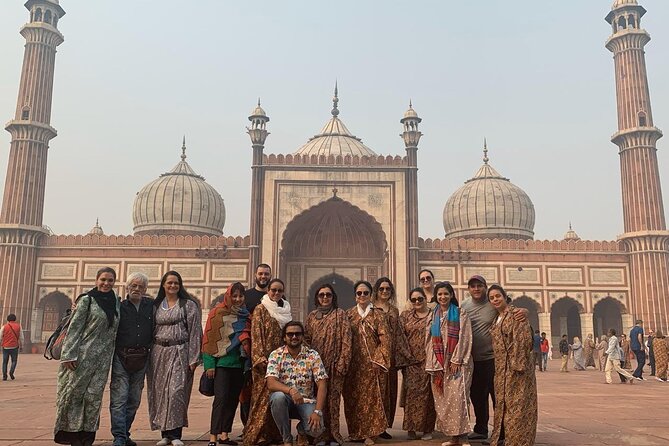
Day 4 is a big hinge day. You start in the morning, drive toward Rajasthan, and make an en-route stop at Fatehpur Sikri. Then you reach Jaipur and see Bapu Bazar briefly.
Fatehpur Sikri: why it’s worth the time
Fatehpur Sikri is often called a ghost city, and your schedule includes stops at Sikri Fort, Buland Darwaza, Kali Temple, and a white marble shrine. It’s listed as a free admission stop and takes about 6 hours.
That’s a lot of time, and it’s justified. Fatehpur Sikri is one of those places where one monument leads to another, and the details can keep you busy without feeling repetitive.
Practical tip: bring water and take breaks. Long heritage days can turn tiring if you don’t manage shade and hydration.
Bapu Bazar: quick market time, no long shopping pressure
After you arrive in Jaipur, you make a short stop at Bapu Bazar. The schedule lists about 2 minutes, with admission free.
Think of this as a “taste,” not a shopping trip. If you want textiles, you’ll have to decide on your own once you’re oriented. But even a short pause helps you understand the local shopping rhythm.
Day 5 Jaipur Full Highlights: Amer Palace, Jantar Mantar, City Palace, Hawa Mahal
This is the day that makes Jaipur feel like Jaipur. The plan includes four major sites with no extra hotel day between them.
Amber Palace: start with Amer, then build your understanding
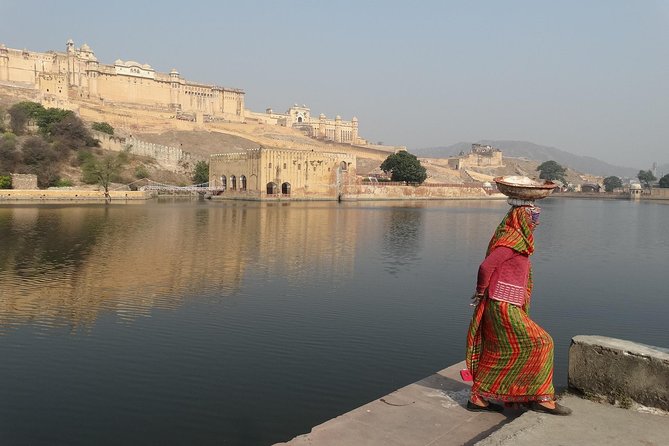
You begin with Amer Palace (also called Amber Fort) for a full sightseeing block, about 2 hours. Admission isn’t included.
This place works because it’s not just a wall or a gate. It’s a whole built environment. You’ll likely notice the strategic positioning, the royal design choices, and the way the palace looks different from different angles.
If you want great photos, don’t rush the viewpoint areas. Ask your guide where to stand. This is where a good guide saves you from wasted steps.
Jantar Mantar: the working observatory stop
Next is Jantar Mantar – Jaipur, about 45 minutes. Admission isn’t included.
The description emphasizes it as the biggest and only working observatory in India, and the experience of astrological knowledge of the King of Jaipur. Even if you only catch part of the explanation, you’ll leave with a sense of how scientific thinking and royal planning mixed in the past.
Practical tip: keep your questions ready. If your guide is someone like Mudassir, you might get explanations tailored to your interests, including in languages other than English, based on past review experiences.
City Palace: royal life, explained in person
Then you visit the City Palace and Museum, about 45 minutes, admission not included.
City Palace helps you connect the dots between palaces you’ve already seen and the “living” side of Jaipur. You’re not just touring monuments. You’re seeing how royal space and everyday identity overlap.
Hawa Mahal: a short stop with strong impact
Finally is Hawa Mahal (Palace of Wind), about 10 minutes.
Ten minutes sounds brief, and it is. But for many people, that’s enough to appreciate the façade and understand why it’s famous. Use the short stop to get your bearings, then decide if you want to return later on your own schedule.
Day 6 Return to Delhi: a Calm Ending
Day 6 is lighter. After breakfast, you drive back to Delhi and get dropped at the airport or your hotel.
This is a smart way to end a tight trip. It keeps you from adding one more overnight move. If you like having a clean finish before your next flight or next leg, this schedule fits.
Guides, Small Details, and Why Reviews Keep Mentioning the People
This kind of tour can easily become “drive and stand and move on.” The difference here, based on past feedback, is that the guides focus on you, not just the schedule.
Names that show up with strong praise include Hasseb, Mudassir, and guides such as Ali and Sabi (and a mention of Moshin shan alongside Sabi). What they’re credited for is practical: respectful service, attentiveness, and a willingness to answer lots of questions. One review also highlighted the guides’ support for foreigners in India, including helpful tips.
One review specifically praised the professionalism of the transport, mentioning a clean car and seat belts, which is a small thing until you’re actually sitting in the back seat and realize you’re not just guessing about safety. That detail matters on a 4 to 6 hour drive day.
If you care about context, this kind of tour is better than a checklist-only approach.
Pacing Tips for Comfort on 4 to 6 Hour Drive Days
Even when the driving is handled for you, the day still moves. Here’s how I’d keep it comfortable:
- Start hydration early, bottled water is provided, but you still need to drink across the day, not only at stops.
- Wear breathable layers. Delhi and Agra can be hot, and sunset in Mehtab Bagh can feel cooler.
- Don’t plan anything tight for the evening on arrival days. You’ll be tired, even if you’re excited.
- Bring a light day bag. You’ll want water, a layer, and something simple for quick needs during transfers.
And yes, you’ll likely sweat a little. India is like that. The good news is you’re seeing big sights, not just moving between them.
Should You Book This Golden Triangle Tour from New Delhi?
Book it if you want a well-structured, private-route way to cover Delhi, Agra, and Jaipur in about a week without spending mental energy on transport planning. The inclusion of private vehicle transport, bottled water, and a lineup of major monuments makes it a straightforward value choice, especially if you’re traveling in a group of up to 3.
Consider a different option if you want fully included meals and entrance fees, or if you dislike a schedule that stacks multiple major stops in one day. Since tickets and food aren’t included, you’ll need to budget and you’ll need to accept that the cost is spread across the trip.
If your top priorities are the big icons (Taj Mahal, Amer, and the Delhi monuments) plus solid guidance and clear explanations, this is the kind of Golden Triangle circuit that makes sense.
FAQ
What is included in the tour price?
The tour includes bottled water and transport by private vehicle. Entrance fees, food and drinks, lunch, accommodation, and breakfast are not included.
Does the tour include pickup?
Yes, pickup is offered, and you’ll be transferred to your pre-booked hotel after arrival in Delhi.
How many people are in a group?
This is a private tour/activity, and the pricing is per group up to 3 people.
What is the duration of the tour?
The tour duration is approximately 6 days.
Are entrance fees included for monuments like the Taj Mahal?
No. Entrance fees are not included. Admission details vary by stop, but the tour listing overall says entrance fees are not included.
Is free cancellation available?
Yes, you can cancel for a full refund up to 24 hours in advance of the experience start time.
More 6-Day Experiences in New Delhi



More Tours in New Delhi



More Tour Reviews in New Delhi
Not for you? Here's more nearby things to do in New Delhi we have reviewed










More Delhi City Tours to consider.
 ★ 5.0Old & New Delhi City Tour – Half or Full Day Options AvailableTickets from $384,811 traveller reviews
 ★ 5.0Same Day Taj Mahal, Agra Fort & Baby Taj Tour from Delhi by CarTickets from $624,304 traveller reviews
 ★ 5.0Taj Mahal Day Tour from Delhi by Superfast Train – TOP RATED TOURTickets from $1004,166 traveller reviews
 ★ 4.9Old and New Delhi Private Full or Half-Day TourTickets from $23,776 traveller reviews
 ★ 5.0Full Day Taj Mahal, Agra Fort & Baby Taj Tour from Delhi by CarTickets from $623,647 traveller reviews
 ★ 4.9From Delhi: Taj Mahal & Agra Private Day Trip with TransfersTickets from $43,181 traveller reviews
 ★ 5.0Taj Mahal Tour from Delhi by Express Train (Viator Award Winner)Tickets from $752,849 traveller reviews
 ★ 5.0All Inclusive Private Taj Mahal Luxury Tour from Delhi by CarTickets from $622,564 traveller reviews
More useful Delhi routes