
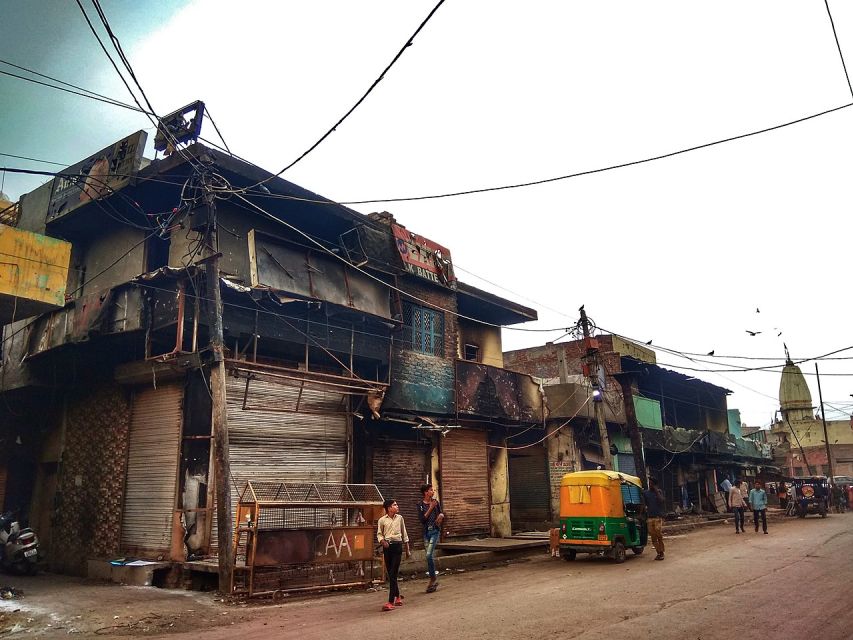
Review · DELHI CITY TOURS
Delhi Slum Walking Tour
Factory smells and street stories share the same lane. I like how this 2-hour walk focuses on real jobs, small homes, and everyday trade, then lands on big production at a working chapati set. It’s a straightforward, local-led experience that shows how daily life works around trains and narrow streets.
Two things I’m especially drawn to are the chicken market stop and the chapati factory numbers. You get a close look at a place where many residents earn income, then you see the scale of flatbread making, where more than 8,000 chapatis are made in a day. You also wrap with chai, and you’re encouraged to share impressions with your guide and group.
One thing to consider: this is a walk through crowded, working areas. You should expect basic surroundings, lots of moving people, and a need for extra respect and patience.
Key Points at a Glance

- Moti Nagar Metro meetup: easy start point, quick return at the end of the walk.
- Chicken market exposure: see a major source of income up close.
- Chapati factory output: more than 8,000 chapatis made daily, not a staged demo.
- Trains every ten minutes: the sound and rhythm of commuting sit right inside daily life.
- Chai conversation finish: tea at the end, with time to talk through what you saw.
- Small group limit (up to 10): less crowding, more space for questions.
Why This Delhi Slum Walk Works Better Than a Typical City Tour

This tour is built around a simple idea: understand daily life by seeing daily work. In a place like one of Asia’s largest slum areas, you don’t get that from monuments or photos alone. You get it by walking with a local guide through small residences and small-scale industries, then stopping where people’s schedules and income meet.
I also like that it’s not presented as a one-size-fits-all photo safari. The stops are practical, and the flow has a clear logic. You start with the everyday setup, you move into a market where money moves quickly, and you end at a chapati factory that shows production at real volume. Then you get tea and reflection, which helps you process what you just saw without feeling rushed.
The chicken market and chapati factory are the two anchor points. They turn an abstract topic into something concrete, because you see trade, not just buildings.
You can also read our reviews of more walking tours in New Delhi



Starting at Moti Nagar Metro, Then Moving Into New Delhi’s Working Streets
The meeting point is Moti Nagar metro station, and that matters more than you might think. Metro hubs make a tour easier to reach, especially in a city where traffic can be unpredictable. For you, it means less stress trying to coordinate first transport.
Once you meet your English-speaking local guide, you head into the area on foot for the main part of the experience. The total duration is about 2 hours, which is short enough to stay focused, but long enough to cover several distinct environments. You’ll also have local transportation included, so you’re not left figuring out every hop on your own.
Another practical detail: trains pass about every ten minutes as you explore. That turns the walk into a moving snapshot of city life. It also explains why so many places run on tight timing and why “quiet” moments are rare, even if the area looks residential.
Small-Scale Industries and Small Residences: Seeing the Infrastructure of Daily Life

Before you hit the market and the factory, you get a foundation view. This first stretch is where the tour explains how people live and work side by side.
I like this part because it helps you stop judging from the outside. When you see small scale industries and small residences together, you start to notice the invisible systems that keep life going. You might observe how work spaces are arranged, how homes connect to local trade, and how daily routines are shaped by what customers need and when trains pass.
A potential drawback here is also why this section is important. These are working areas, not open-air museums. You’ll need to keep your expectations grounded. That means respectful behavior, moving at the guide’s pace, and staying aware that you are walking through someone’s day-to-day reality.
The Chicken Market: A Major Source of Income in Motion
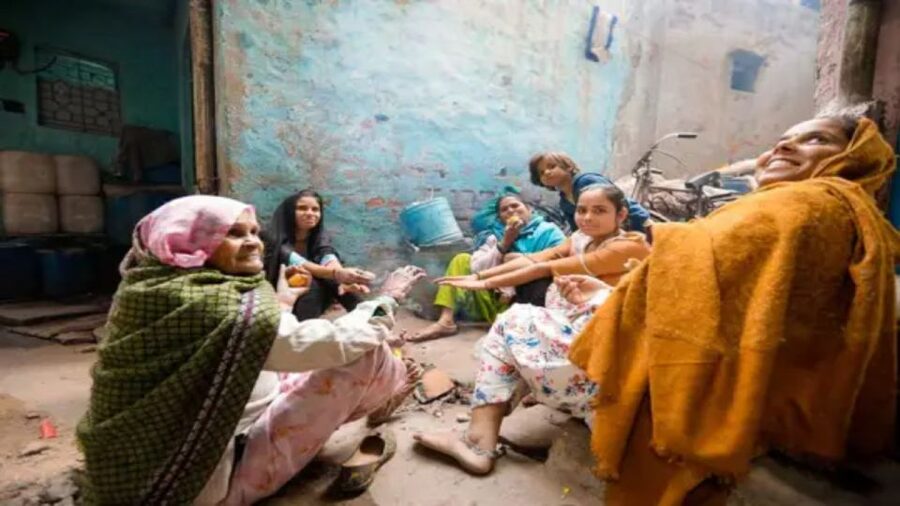
Then the walk shifts into the chicken market, described as a major income source for many residents. This is the kind of stop that turns “economy” into something you can literally see happening.
What you’re looking at is not just a place where goods change hands. It’s a hub where supply, demand, and labor intersect. You’ll likely notice how fast people need to move, how communication matters, and how the market supports livelihoods beyond a single shop or stall.
This stop can feel intense, because markets are busy by nature. Still, it’s one of the most educational moments, because it shows why this area exists and how families make money day after day. You also get context for why the later factory stop matters. Market activity and food production connect, and you can start seeing the chain.
Practical tip for you: keep your questions respectful and simple. If you’re unsure what’s appropriate, you can ask your guide what visitors usually ask first. In a market environment, understanding the rhythm matters more than interrupting it.
Chapati Factory Stop: More Than 8,000 Flatbreads Made Daily
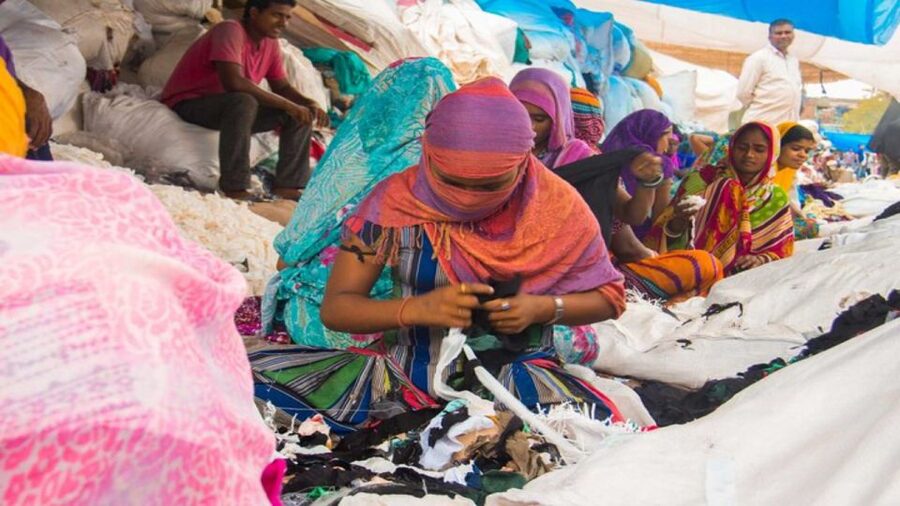
Next comes the chapati factory, where more than 8,000 chapatis are delivered or produced in a day. That number is the headline, but the real value is what it does to your sense of scale.
A factory output like that changes the story from individual effort to coordinated production. You’re no longer just seeing a family trade. You’re seeing a system that feeds customers consistently, day after day. And because the tour timing is short and focused, you get the sense of urgency that production creates.
If you like food as culture and not just as a tasting experience, this stop will land well. You might also find yourself thinking about logistics, timing, and quality control, even if the tour doesn’t turn into a technical explanation. The key is that you’re witnessing repetition and throughput, which is how large-scale daily food systems work.
One more thing I appreciate here: the tour gives you a clear “end point” to the story. After the market and before chai, the chapati stop acts like a bridge between money and food, between customers and production.






Ending With Chai: Processing What You Saw, Together
The tour finishes with a cup of chai, and you share your thoughts with your guide and group. That final chat matters. In a walk like this, you’re bound to have questions, impressions, and maybe even discomfort. Tea is a good reset.
This is also where a well-run guide helps you interpret what you saw without turning it into a lecture. You can ask about daily routines, work patterns, or what you noticed most. And since the group is small, up to 10 participants, you’re more likely to get actual answers rather than just a quick remark.
I’d treat the chai stop like a chance to slow down. If you took photos earlier, consider asking what’s okay first next time. If you felt overwhelmed by the market, bring that up. A good guide can help you make sense of it.
Price and Value: What $13 Gets You in Real Terms
At $13 per person for a 2-hour experience, this tour offers strong value for what’s included. You’re not just paying for a walk. You get an English speaking local guide, chai during the tour, and local transportation as part of the experience.
There’s also the small group size, limited to 10 participants. That’s not fluff. In tight lanes and working environments, crowding changes everything. Fewer people means you can hear explanations, ask questions, and move without constantly squeezing past others.
What’s not included is also clear: food and drinks beyond the chai. So if you’re hungry, eat beforehand or plan a meal after. The tour is designed to end with tea, not to replace a full dinner.
Logistics You Should Plan Around (Without Stress)
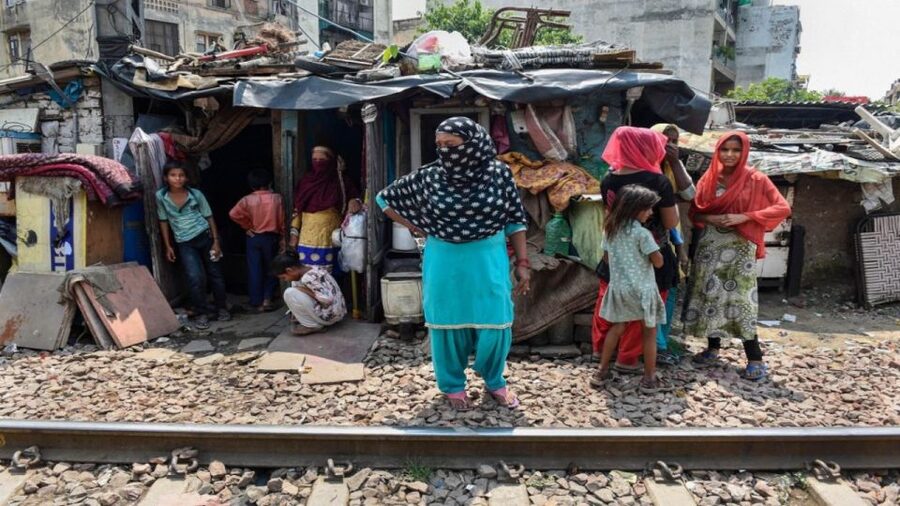
The tour is 2 hours, starts at Moti Nagar metro station, and returns there. That structure is helpful for your day. You can slot it in without needing to reorganize your whole itinerary around getting back across town.
It’s also worth knowing the tour language is English, and you’ll have skip-the-ticket-line style convenience where applicable. Since this is a walking experience, the practical advantage is that you’re not stuck at some complicated ticket checkpoint before you even begin.
One more practical note based on past issues: there has been at least one reported case where the tour was marked cancelled when someone arrived at the meeting point. That’s not the norm you should assume, but it is a reason to confirm on the day of travel, especially if your schedule is tight.
Who This Tour Suits Best, and Who Might Prefer Something Else

This type of tour fits best when you want a real look at daily work and not just a generic neighborhood stroll. You’ll likely enjoy it if you like:
- Food production stories, especially flatbread making and the food supply chain.
- Market life as an income window, not just a shopping stop.
- Short, guided experiences that leave you with specific impressions to think about later.
It might not suit you if you want comfortable, quiet sightseeing, or if you’re uncomfortable around markets and industrial production environments. Since it’s in a sensitive living area, you should also be prepared for the emotional reality of what you’ll see. The best experience comes from respectful curiosity, not from expecting it to feel like a theme park.
Should You Book This Delhi Slum Walking Tour?
If you want a guided look at how everyday work supports life, this tour is a solid pick. The mix of small-scale industries, a chicken market income stop, and a chapati factory producing 8,000+ daily is a clear, value-heavy structure. Add chai conversation at the end, and you get more than just photos, you get understanding.
Before booking, I’d make one smart decision: plan to confirm the tour timing close to departure day, since a cancelled-arrival situation has happened for at least one past booking. Also, go with clear expectations that this is a working environment and your job as a visitor is to be respectful, stay patient, and ask good questions.
If that fits how you like to travel, this one is worth your time.
FAQ
Where does the tour start and end?
The tour starts at Moti Nagar metro station and also returns to Moti Nagar metro station.
How long is the Delhi Slum Walking Tour?
The duration is 2 hours.
How much does it cost?
The price is $13 per person.
What’s included in the price?
Included are an English speaking local guide, chai during the tour, and local transportation.
Is any food included besides chai?
No. Food and drinks other than chai are not included.
How large is the group?
The group is limited to a small group of up to 10 participants.
More Walking Tours in New Delhi



More Tours in New Delhi



More Tour Reviews in New Delhi
Not for you? Here's more nearby things to do in New Delhi we have reviewed











More Delhi City Tours to consider.
 ★ 5.0Old & New Delhi City Tour – Half or Full Day Options AvailableTickets from $384,811 traveller reviews
 ★ 5.0Same Day Taj Mahal, Agra Fort & Baby Taj Tour from Delhi by CarTickets from $624,304 traveller reviews
 ★ 5.0Taj Mahal Day Tour from Delhi by Superfast Train – TOP RATED TOURTickets from $1004,166 traveller reviews
 ★ 4.9Old and New Delhi Private Full or Half-Day TourTickets from $23,776 traveller reviews
 ★ 5.0Full Day Taj Mahal, Agra Fort & Baby Taj Tour from Delhi by CarTickets from $623,647 traveller reviews
 ★ 4.9From Delhi: Taj Mahal & Agra Private Day Trip with TransfersTickets from $43,181 traveller reviews
 ★ 5.0Taj Mahal Tour from Delhi by Express Train (Viator Award Winner)Tickets from $752,849 traveller reviews
 ★ 5.0All Inclusive Private Taj Mahal Luxury Tour from Delhi by CarTickets from $622,564 traveller reviews
More useful Delhi routes