
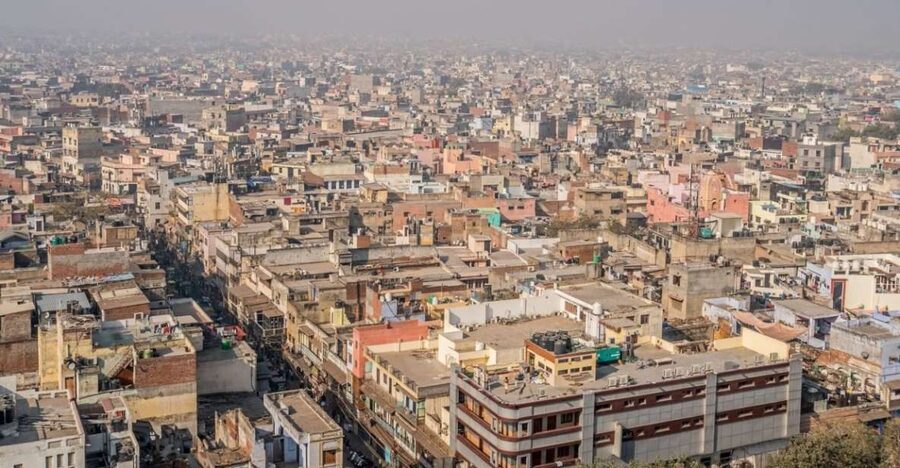
Review · DELHI CITY TOURS
Half Day Slum Walking Tour Delhi
Slums show India at street level. This half-day Delhi walk brings ethical and non-intrusive guidance so you can talk about daily life, local work, and community routines inside one of the city’s biggest informal settlements.
What I like most is how the experience stays practical, not performative. You get an English-speaking story teller and guide, and you also visit a Hindu temple and a mosque as part of the everyday fabric of the neighborhood.
I also value the calm safety approach. Guides like Neil and Harsh (with drivers such as Sumit) have a way of keeping things clear and controlled, even when the setting is intense. One drawback to consider: it is not suitable for pregnant women, and this is the kind of tour where you should be comfortable walking in a crowded, real-life environment.
Key things to know before you go

- Respect-first touring: Designed to be inclusive, never intrusive, and communication with locals is part of the point
- Community reality, not stereotypes: You’ll see business life and social structure, plus education, sanitation, and health issues
- Faith sites included: The route includes time at both a Hindu temple and a mosque
- Tea break with water: Mineral water is included, and you can add a tea break if you want
- Hotel pickup and drop-off: Air-conditioned car transfers make the half-day feel efficient
- English language support: The tour is run in English, so you can actually follow the stories and ask questions
What This Half-Day Slum Walk Is Really For
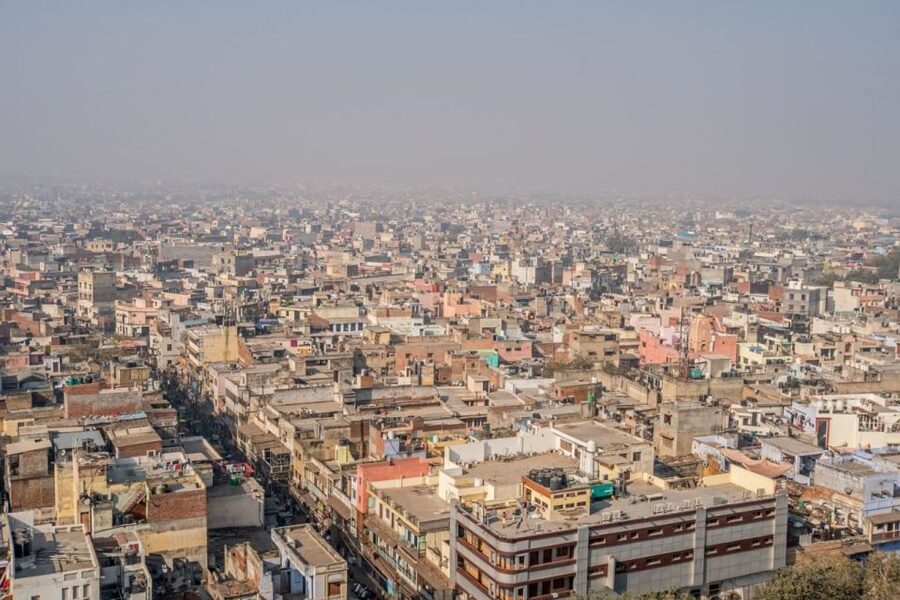
This tour is built around conversation. The goal is not shock value. It is about understanding the socio-economic reality of Delhi’s informal settlements, from how people earn a living to what daily infrastructure looks like, including sanitation and health.
You’ll also be pushed to question stereotypes you may have picked up before coming to India. Slums are often described as one thing from far away. Here, you see how many things are happening at once, and how community ties shape everything, from work to school to religious life. Even the way the tour is designed, it encourages respect first, and curiosity second.
You can also read our reviews of more walking tours in New Delhi



How Guides Keep It Safe, Respectful, and Non-Intrusive
Safety here is not just about where you stand. It is about behavior. The tour is explicitly designed to be respectful, safe, and non-intrusive. That matters because the neighborhood is home, not a stage.
In practice, you should expect guidance to set boundaries early. You’ll be invited to communicate, not stare. And you’ll also have chances to wave at friendly children from the neighborhood, which sounds simple, but it keeps interactions human instead of awkward. One of the strongest themes from guide-led experiences like this is patience, especially when you are trying to process what you are seeing.
You’ll want to come with an open mind. If you show up looking for a moral lesson only, you’ll miss the lived complexity. If you show up ready to listen, the whole afternoon becomes easier to make sense of, even when some topics are hard.
Pickup, Air-Conditioned Transfers, and Timing That Works
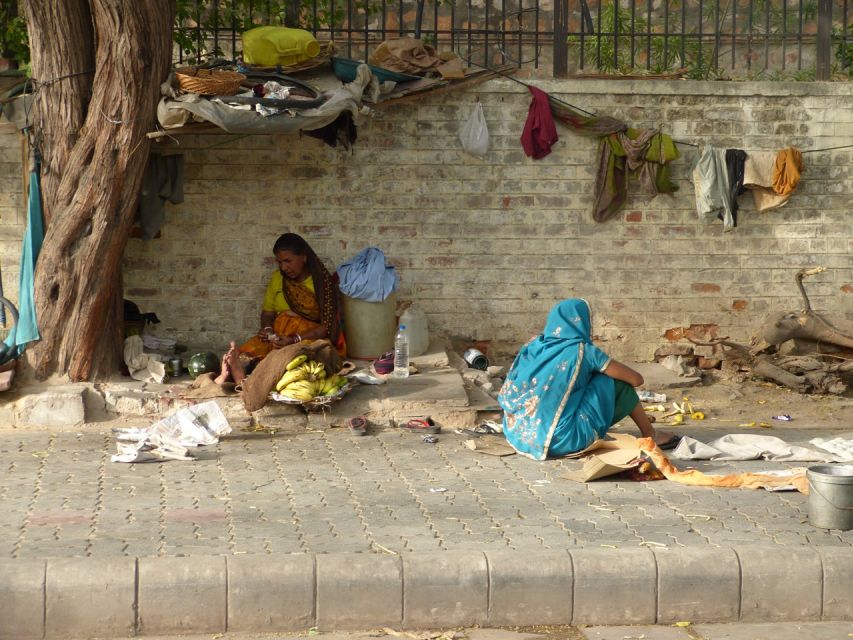
This is a half-day tour, and the included transport helps it feel doable. You get hotel pickup and drop-off, plus transfers in an air-conditioned car. That is a real value add in Delhi, where traffic and time can eat your plans fast.
Because it is only a short window, the tour is structured to cover a lot of ground without turning it into a long, exhausting trek. You also get mineral water, and there is a tea break option. Small comforts like that matter when you’re in a setting that is visually and emotionally dense.
One practical note: you will need a passport or ID card. Build that into your checklist, because Indian tours that involve local access often require it.
Your Route Through Daily Life, Homes, and Local Business
The tour focuses on Delhi’s largest slum area and the micro aspects that flourish there. That phrasing is important. It signals that you are not meant to only look at housing conditions. You’re meant to notice how life functions: work routines, small businesses, social organization, and the way people support one another.
Expect to see both the challenges and the resourcefulness. People live in tightly packed areas, but you’ll also see homes and community spaces where people have built routines that keep the neighborhood running. In some guide-led visits, you may even be shown a better house within the community, which can help you understand the range of living situations rather than assuming every home is the same.
A key part of the experience is the local guide’s role as a translator of context. A good guide helps you connect what you see to why it exists, so you can move beyond surface impressions. You’ll learn about working life and residential life, and you’ll likely spend time watching how community energy holds things together even when conditions are difficult.
Faith Stops: Hindu Temple and Mosque on the Same Human Map
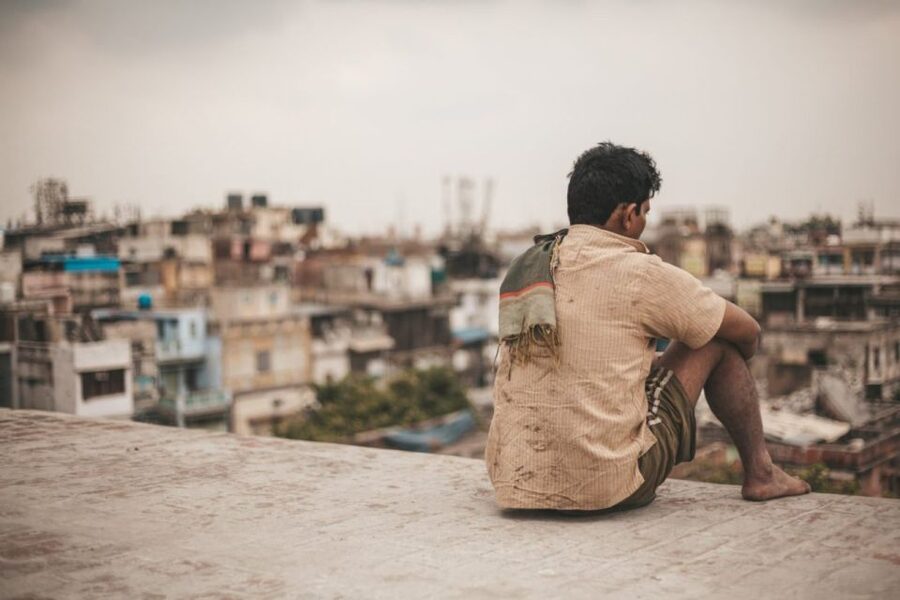
One of the most memorable parts is the inclusion of a Hindu temple and a mosque. That choice matters because it frames the neighborhood as multi-faith, not as a stereotype box.
When you visit a temple and then a mosque, you start to see how religion fits into daily life, not just religion as a tourist stop. It also encourages a different kind of attention. Instead of scanning for poverty, you notice community rhythms: where people gather, what values shape behavior, and how sacred spaces coexist in the same geographic reality.
You should go into these visits with the same respect you would in any religious place across India. Dress appropriately for the site, keep your voice low, and let your guide handle any questions or permissions.






Education, Sanitation, and Health: The Hard Topics, Handled Carefully
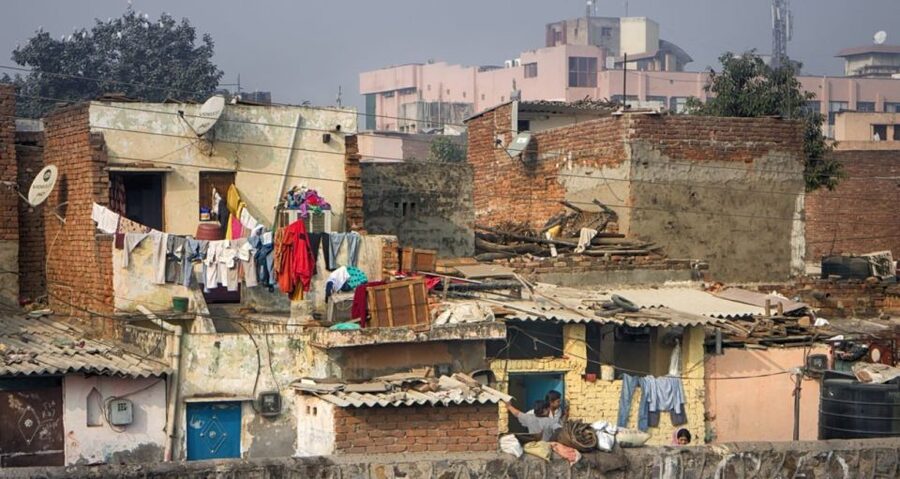
The tour includes discussion of education, sanitation, and health. That is where you might feel your emotions shift fast, because these are not abstract issues. They affect children, families, and daily routines.
You might also interact with teachers from an NGO school, which is one of the clearest ways to understand how learning is organized locally. It can help you see education not as a distant policy topic, but as something people work on inside the neighborhood.
This is also where the tour’s “ethical and communicative” approach earns its keep. The aim is conversation, not voyeurism. You’re there to learn how people navigate constraints, and how community groups and local initiatives try to improve outcomes.
If you are the type who gets stuck on negativity, try to keep a balanced lens. The tour is designed to show that while conditions are challenging, the area also has positive energy and strong community bonds. That balance is not denial. It is reality.
Children, Community Interactions, and That Chai Moment
A good slum walking tour can either feel intrusive or feel like a respectful introduction. Here, the intention is clear: you may stop to wave at friendly children, and you’ll be guided on how to interact without disrupting lives.
In several guide-led experiences, the route ends with a tea break and a drink of chai in a market area not far away. That part is not just a snack stop. It gives you a chance to reset your brain after heavier moments. It also reminds you that daily life continues, with food stalls, conversations, and local commerce.
Some experiences also include photos taken during the tour, shared at the end. That is a nice touch for practical reasons: it gives you a record without requiring you to take intrusive photos in the moment.
Price and Value: What You Get for $57 Per Person
At $57 per person, this tour may sound like a lot at first, until you add up what is actually included. You are paying for:
- An English-speaking guide and story teller
- Hotel pickup and drop-off
- Air-conditioned car transfers
- Mineral water, plus a tea break option
That package matters because the local knowledge is the real product. Walking into a complex community without interpretation can turn into a collection of unanswered impressions. With a guide, you get context for the business life you see, the education efforts you hear about, and the way community structure shapes daily choices.
You also benefit from a short half-day format. You avoid spending a full day sorting logistics while still getting access to places and conversations you would struggle to organize on your own.
If you care about value, this tour is best when you want more than photos. You want meaning, context, and an ethical approach to learning.
Who This Tour Fits Best
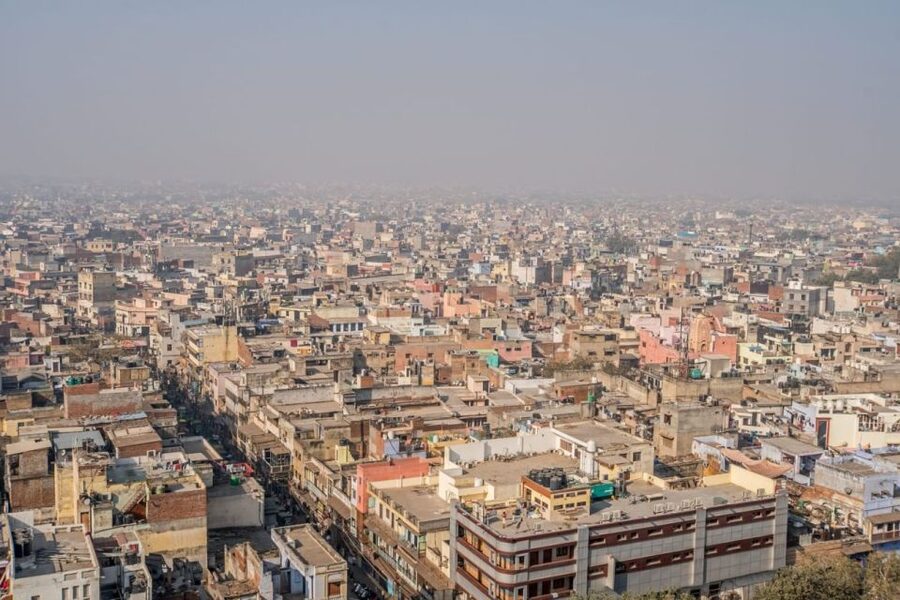
This works best if you’re comfortable with real-world street environments and you want a guided, respectful education about modern India. It is also a strong pick for solo travelers who value feeling looked after. Experiences like this are often run in a way that helps visitors feel safe and supported, including single female travelers.
It may be less suitable if you are new to India and still processing basics like local etiquette, crowds, and fast sensory changes. Still, if you can handle that, you can treat this tour as a practical crash course in how daily life operates beyond the main tourist lanes.
Because it is not suitable for pregnant women, choose another format if you need a more comfortable pacing or less walking.
Should You Book This Slum Walking Tour?
Book it if you want an ethical, respectful way to understand community life in Delhi, and you are ready to talk about education, sanitation, and health without turning the neighborhood into a backdrop. The fact that you also visit a Hindu temple and a mosque helps you see the area as a real home with religious and cultural routines, not a single-note poverty story.
Skip it if you are looking for a relaxed, purely scenic stroll, or if you fall into groups the tour marks as not suitable, including pregnant women. Also, if you prefer total comfort over real conversation, you may feel this setting is emotionally heavy.
If you do book, bring your ID, wear comfortable shoes, and show up with the right mindset: listen first, ask thoughtful questions, and let your guide set the tone.
FAQ
How long is the Slum Walking Tour in Delhi?
It is a half-day tour.
Where does the tour take place?
The tour visits Delhi’s largest slum area and includes visits within the surrounding neighborhood.
How much does it cost?
The price is $57 per person.
What is included in the tour?
It includes an English speaking storyteller and guide, mineral water with a tea break if desired, hotel pickup and drop-off, and transfers by an air-conditioned car.
Does the tour include visits to religious sites?
Yes. You will have a chance to visit a Hindu temple and a mosque.
What should I bring with me?
Bring your passport or an ID card.
Are alcohol or drugs allowed on the tour?
No. Alcohol and drugs are not allowed.
Is the tour available in English?
Yes, the tour language is English.
Is the tour suitable for pregnant women?
No, it is not suitable for pregnant women.
Is it possible to pay later?
Yes. It offers reserve and pay later, so you can book your spot and pay nothing today.
More Walking Tours in New Delhi



More Tours in New Delhi



More Tour Reviews in New Delhi
Not for you? Here's more nearby things to do in New Delhi we have reviewed











More Delhi City Tours to consider.
 ★ 5.0Old & New Delhi City Tour – Half or Full Day Options AvailableTickets from $384,811 traveller reviews
 ★ 5.0Same Day Taj Mahal, Agra Fort & Baby Taj Tour from Delhi by CarTickets from $624,304 traveller reviews
 ★ 5.0Taj Mahal Day Tour from Delhi by Superfast Train – TOP RATED TOURTickets from $1004,166 traveller reviews
 ★ 4.9Old and New Delhi Private Full or Half-Day TourTickets from $23,776 traveller reviews
 ★ 5.0Full Day Taj Mahal, Agra Fort & Baby Taj Tour from Delhi by CarTickets from $623,647 traveller reviews
 ★ 4.9From Delhi: Taj Mahal & Agra Private Day Trip with TransfersTickets from $43,181 traveller reviews
 ★ 5.0Taj Mahal Tour from Delhi by Express Train (Viator Award Winner)Tickets from $752,849 traveller reviews
 ★ 5.0All Inclusive Private Taj Mahal Luxury Tour from Delhi by CarTickets from $622,564 traveller reviews
More useful Delhi routes