
Review · DELHI CITY TOURS
New Delhi: Full-Day Cooking Class learn 8 dishes with Locals
One day in a Delhi kitchen beats a quick demo. You’ll spend 12 hours with Malika and her husband Arunag in a local home, cooking 7 to 8 authentic dishes and tasting about 12 traditional foods, with menus that adjust to your preferences. I like that you get hands-on coaching plus written recipes, and you finish with a full lunch and a non-veg dinner, not just a sampling. One thing to plan for: you’ll climb three flights of stairs, so it may not work well for everyone.
What really makes this class feel different is that it is not just about techniques, it is about how Indian home cooks build flavor over time, from spice to frying and simmering. You’ll start the day with chai and a sweet, cook in the morning, eat lunch family-style, take a breather, then return to the stove for tea-time snacks and a proper dinner. For $109 per person, it is on the higher side versus many cooking classes, but the length, customization, and the number of dishes you produce help justify the value.
Key highlights at a glance
- A full 12-hour schedule with both lunch and dinner, plus snacks
- Cook 7 to 8 dishes hands-on, with ingredient and equipment provided
- Taste around 12 foods, selected from your preferences
- Custom menus with Malika and Arunag, including vegetarian and non-vegetarian options
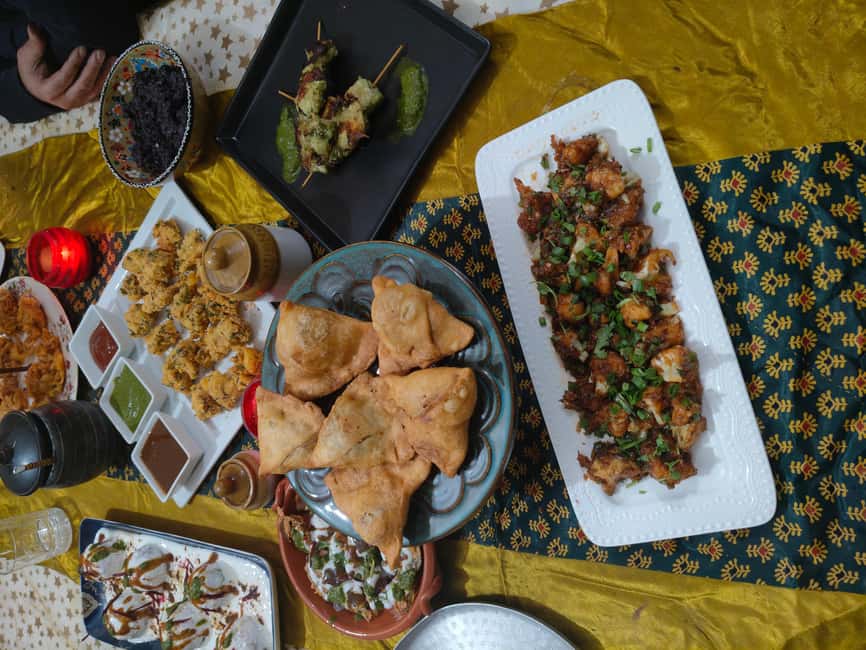
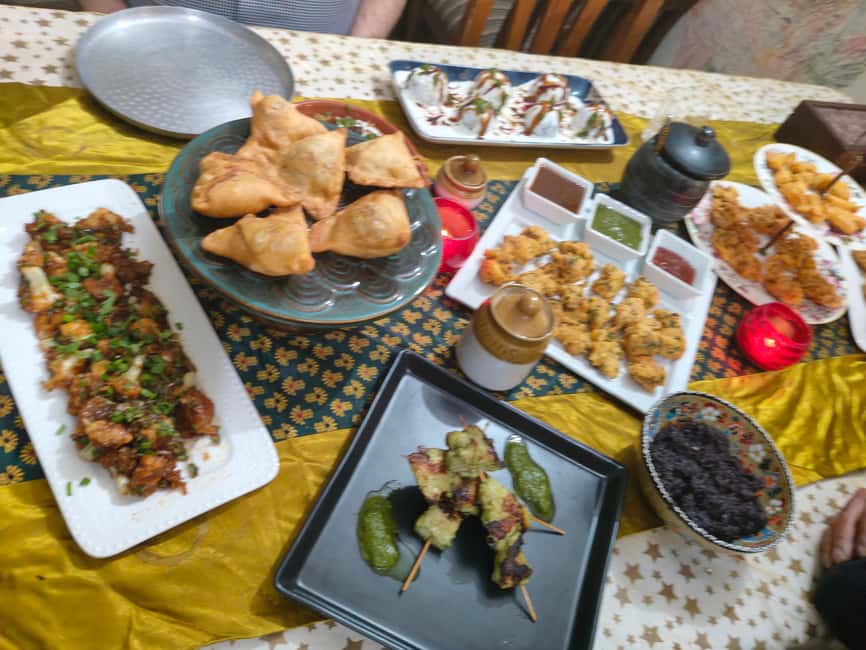
- Tea-time ritual with masala chai, pakoras, and street-style bites
- Written recipes and life-long help, so you can cook it again later
A full-day New Delhi kitchen day, not a rushed show
If you like food, you’ll notice how most cooking classes treat the kitchen like a stage. This one treats it like a home, with a real day’s rhythm. You arrive around 10 AM, and the schedule builds logically: first, you cook, then you eat, then you snack, then you cook again. That pacing matters because many Indian dishes rely on timing. Yogurt needs time to cool, onions need proper browning, and spice blends come alive when cooked in the right order.
The other big difference is how much you produce. You are not just learning recipes you watch once and forget. You cook multiple dishes yourself, and you also taste a broader set of foods beyond what you cook. In practice, that means you get both skill and flavor references, so when you cook later at home, you know what the dish should taste like.
The main drawback for some people is practical, not culinary. There are three flights of stairs at the cooking location, and people with mobility impairments are not suitable for this experience. Plan your transportation accordingly too, since hotel pickup and drop-off are not included.
You can also read our reviews of more cooking classes in New Delhi


Meet Malika and Arunag, and bring your menu preferences
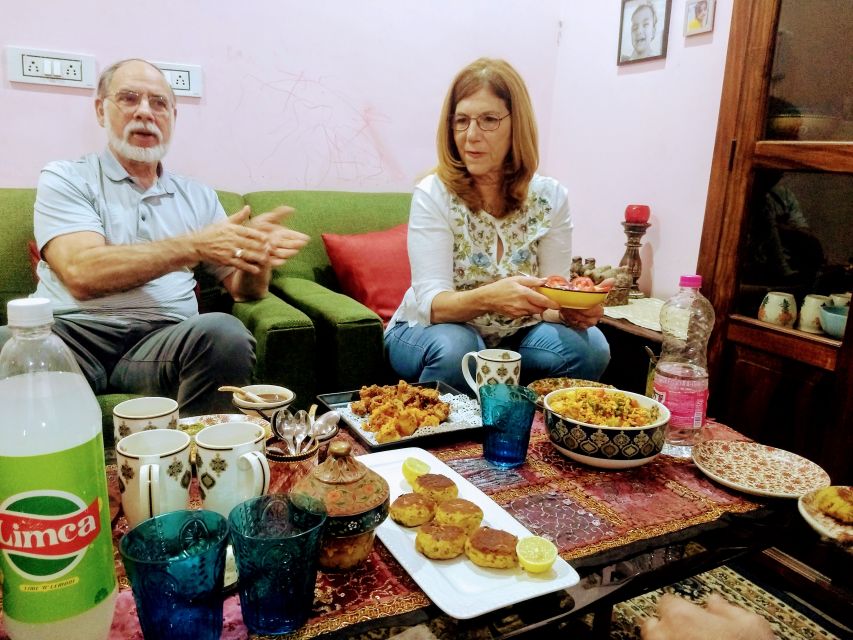
You’ll work directly with Malika and Arunag, and the experience is built around conversation before you ever step into the kitchen. Once you book, they contact you with the address and talk through what you like to eat, what you want to avoid, and how you want the menu to be shaped. This is one of those details that sounds small, but it changes the whole day. When the menu fits you, you pay attention. You ask better questions. And you actually enjoy every course.
They also handle diet choices thoughtfully. The class includes vegetarian and non-vegetarian menu options, and they tailor the plan based on your food preferences. In at least one case, a pescatarian menu was customized, and the host guided the day around that choice. So if you’re not strictly vegetarian or non-vegetarian, it’s still worth asking what is possible for your preferences.
For kitchen confidence, this matters. Many people book cooking classes because they want to cook again later, not because they want to memorize steps. Malika and Arunag guide the process, answer questions, and show you how ingredients behave in Indian cooking. That is especially helpful if you are a beginner. You are not expected to have fancy knife skills or spice experience.
Morning arrival: chai, sweet, and setting up your day
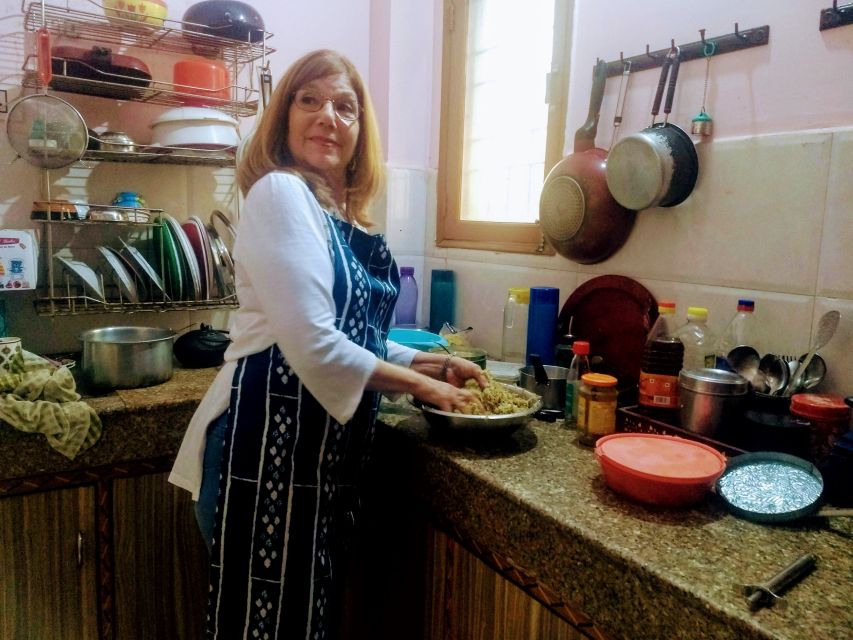
The day starts around 10 AM with a welcome drink, either coffee or chai, along with an Indian sweet. It’s a small moment, but it helps you settle in and get comfortable. You’ll chat briefly, go over the day’s plan, and then get ready to cook.
Around 10:30 AM, you roll up your sleeves for the first cooking session. This is when you learn how the kitchen starts moving. You’ll likely prep vegetables, measure spices, and get a feel for how heat changes the taste of masalas. Indian home cooking often starts with a foundation, like heating oil or tempering spices, then building flavor with onions, ginger, garlic, tomatoes, and spices in stages. When you do it yourself, it stops being mysterious.
If you’re trying to learn the logic behind dishes, this timing helps. You do not begin with the hardest item first. You build confidence with foundational techniques, and then later you apply them to bigger dishes.
Lunch: choose your thali direction, then cook and eat it
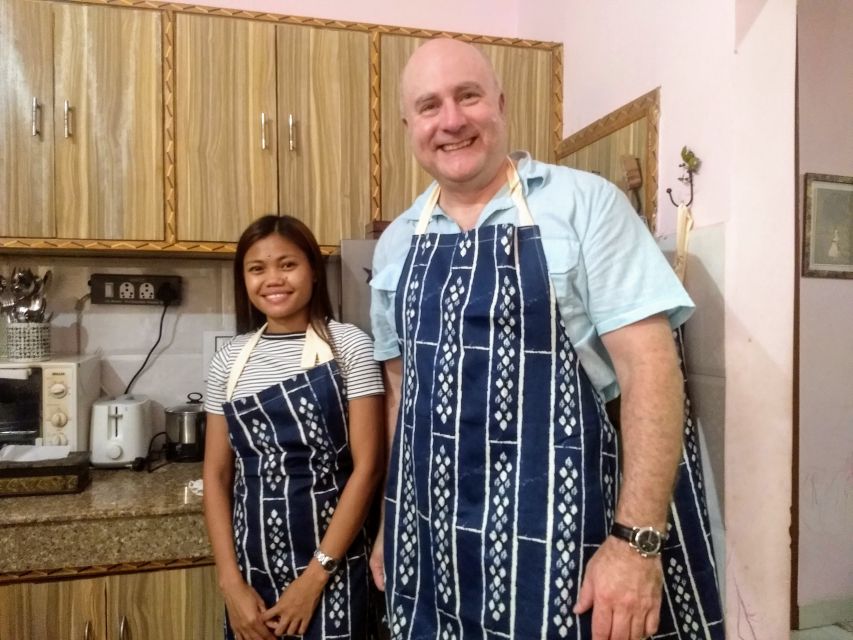
Lunch is a centerpiece, not an afterthought. You’ll enjoy a traditional Indian vegetarian thali, and you may have the option to switch direction to something like chhola bhatura. Both are classic, and both teach different parts of Indian flavor.
The standard vegetarian thali lunch
The vegetarian thali can include:
- a seasonal veggie
- a potato dish
- a paneer dish
- dal tadka or makhni
- zeera rice
- puri (fried bread)
- raita (flavored yogurt)
- pickles and relishes
- dessert
This mix is the secret sauce of a good thali. You get spicy and cooling elements in the same meal, crunchy and creamy textures, and a balance of starches and proteins. Even if you only remember one thing, remember this: Indian meals are often about contrast, not one flavor dominating everything.
More New Delhi tours and experiences for the shortlist






The chhola bhatura style option
If you prefer a different lunch focus, you can opt for chhola bhatura, typically featuring:
- chhola (chickpea curry)
- bhatura (fluffy fried bread)
- a potato dish
- dahi bhalla (dumplings in yogurt)
- relishes, pickles, and dessert
Chhola bhatura teaches a different skill set because bhatura is an all-in dough and frying experience, while chhola relies on simmering and spice layering. Even if you do not deep-fry often at home, you’ll walk away with practical guidance on what to look for during cooking.
Non-veg at lunch
If you want, non-vegetarian options can be added to lunch on request. That flexibility is valuable because it keeps the day from feeling like a fixed script.
The post-lunch break: why the hour matters
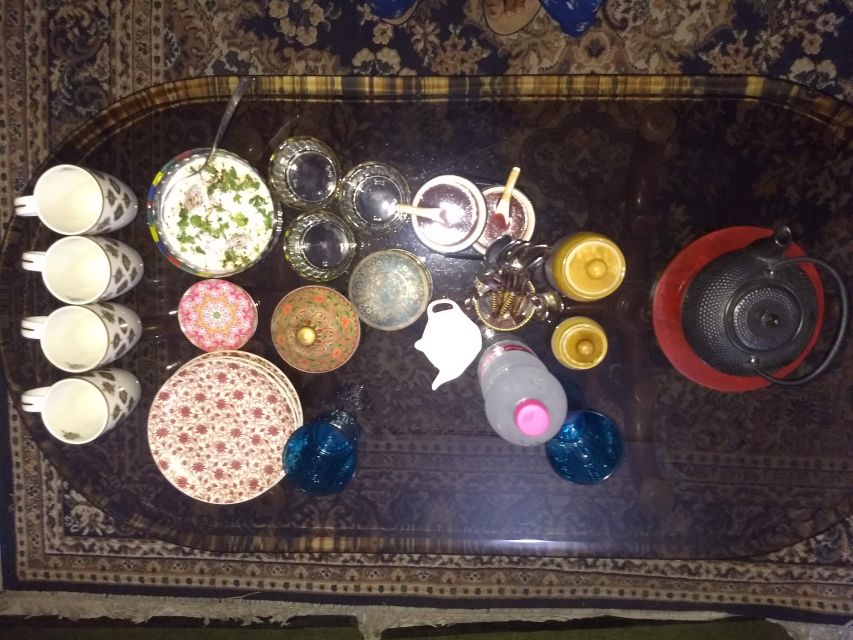
After lunch, you get about an hour to relax before the next set of preparations for dinner. This is not just courtesy. Indian cooking schedules work because flavor development takes time. You may also be doing lighter prep for later, like frying onions or marinating ingredients.
That hour helps you digest, talk, and reset your attention. It also makes the day less physically exhausting. With multiple cooking sessions, it is easy to feel wiped out if the schedule is nonstop.
During breaks, you might also step away from the stove. In some versions of the day, the group has walked the neighborhood and even found a roof view over the city. Your exact experience depends on timing and flow, but the point is real: this is not only a kitchen workshop. It’s a cultural day in a real Delhi neighborhood.
Tea-time snacks: masala chai and pakoras first
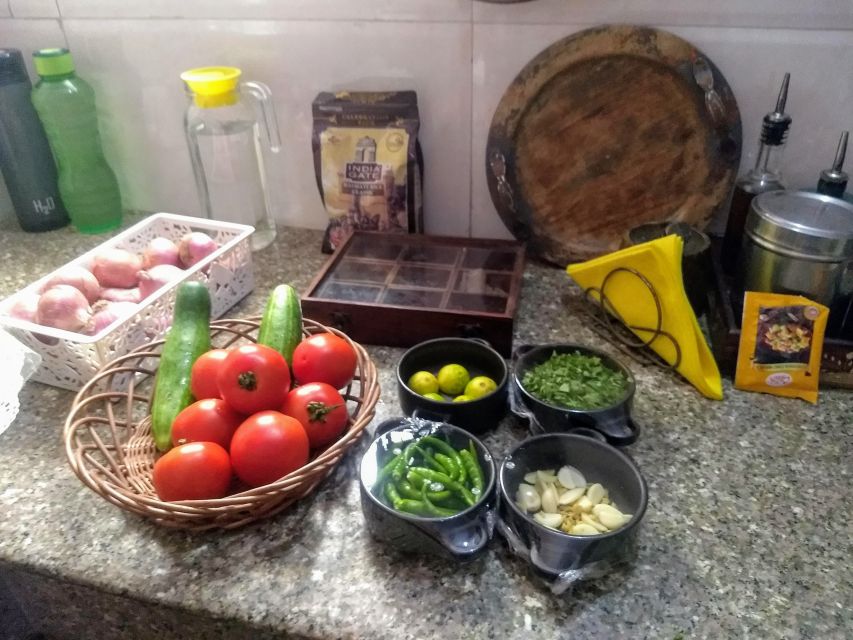
Around 4:30 PM, tea-time arrives. You’ll sip masala chai paired with pakoras, plus a homemade street-style snack like chaat. This is one of my favorite parts of the schedule because it gives you a break from the heavier cooking while still keeping Indian flavors right in front of you.
Pakoras are a great learning snack because they show how batter texture changes what you get in the frying pan. You can learn to judge thickness, spice distribution, and the moment to stop frying. And chai is a reminder that tea in Indian homes is its own ritual, not just a beverage. You learn how spices and heat create aroma you can taste immediately.
These snacks also make the day feel social. Food tastes better when you’re not staring at a cutting board the whole time.
Dinner: build it from curry to kebabs to biryani
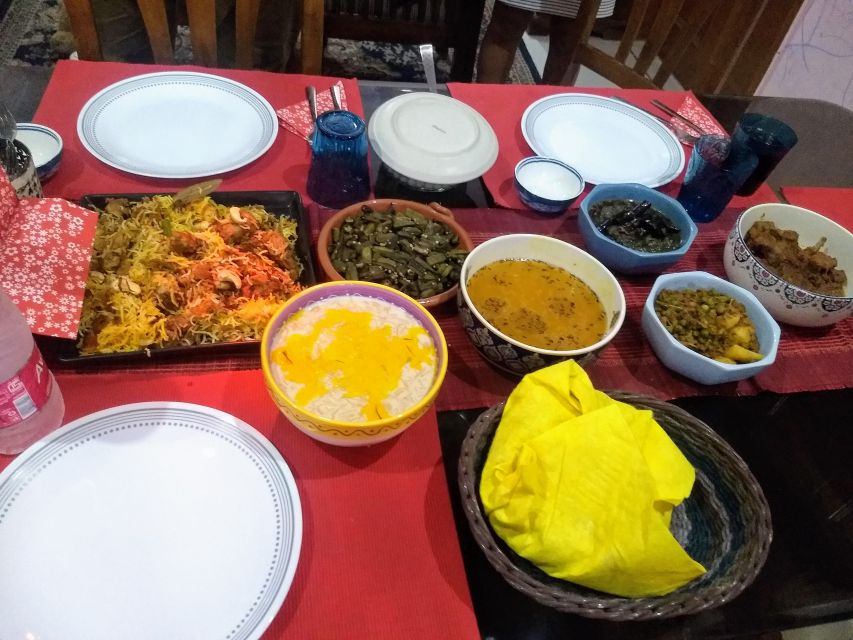
After tea-time, the final cooking stretch begins, and this is where you see the full arc of the day. Dinner is designed to bring together techniques you used earlier. The dinner menu includes a non-veg curry of your choice, plus a seasonal veggie, kebabs or tikka, and two types of bread, along with chicken or mutton biryani and a homemade dessert.
The non-veg curry choice
Your curry choice can include options like butter chicken, korma, nihari, or rogan josh. Even if you have eaten these dishes before, the learning angle is different when you cook them. You start noticing how spice mixes behave under simmering versus frying, and how sauces get their body from reduction, fats, and the way onions and tomatoes are cooked.
Kebab or tikka and bread
Kebabs or tikka add another technique layer. You’ll be dealing with marination and grilling or pan-cooking dynamics, depending on what the kitchen uses. Bread is often where people get stuck at home, because there is a difference between reading about dough and actually feeling it and cooking it.
Biryani and dessert
Biryani is both a flavor and an assembly lesson. It relies on layered seasoning and timing so rice, meat, and spices finish together. And then you end with a homemade dessert, which helps you understand how Indian sweets often use milk, sugar, spice, and texture to round off a meal.
This dinner section is why the class feels worth the full day. You leave with multiple dish types in your head, not one recipe.
What you actually take home: recipes and life-long help
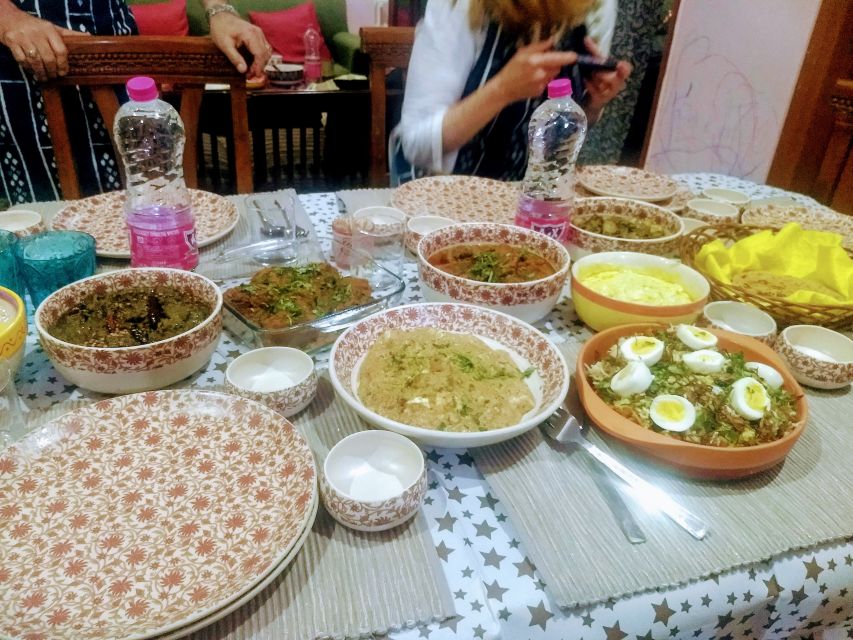
A lot of classes give you a list of ingredients. This one goes further. You’ll receive recipes for all dishes you prepared, and the experience includes life-long assistance. That matters because Indian cooking is not always a one-to-one copy. Spice strength varies by brand, and your stovetop can run hotter or gentler than the host’s kitchen.
Written recipes are also more useful than people expect. When you go back home, you can re-read steps and remember what you were aiming for, like texture cues and flavor goals. And with life-long help, you can ask questions if your dal tastes a bit flat or your curry sauce is too thin.
Price and value: why $109 feels reasonable for this format
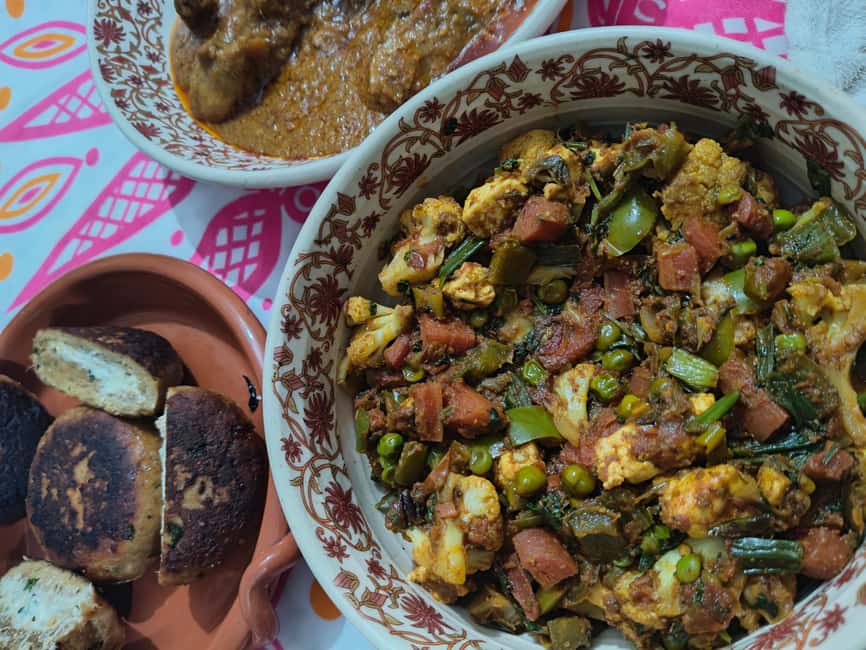
At $109 per person for 12 hours, the price is not the cheapest on the menu. But compared to many cooking classes, you get more than a single dish lesson. You are cooking 7 to 8 dishes, tasting around 12 foods, and eating a full lunch plus a non-veg dinner, with snacks in between.
What makes the value argument stronger is the customization. You’re not just picking from a fixed menu with no flexibility. You discuss preferences ahead of time, and the hosts shape the day around what you want. That means you’re paying for guided time in a real home kitchen with real ingredients and real meals, not just a few stove-top demonstrations.
If you want a shorter, cheaper class where you watch most of the time, you may find a lower price elsewhere. But if you want to come home able to cook multiple dishes and know what each one should taste like, this class has strong practical value.
Who should book this cooking day in New Delhi
This experience fits best if you check a few boxes:
- You like hands-on learning, not just watching.
- You enjoy Indian food and want to understand how different parts of a meal work together.
- You want a menu shaped to your tastes, including vegetarian or non-vegetarian options.
- You’re comfortable with a full day and multiple cooking steps.
It is also a great fit for people who want culture without museum pacing. Since the day is hosted in a home, you get a family-feeling atmosphere. In one booked day, the cooking session even included a Diwali-themed dinner setup, showing that the hosts can make the day feel special when there’s a reason to.
Two groups should think twice. If you have mobility issues, the three flights of stairs are a real concern. If you have food allergies, it is not suitable, since the data explicitly says it does not work for allergies.
Practical tips before you go
Plan your day like you would for a long cooking workshop, not a quick activity. Wear comfortable clothes you can get a little spice on. Expect to stand and move around while cooking. Bring a mindset that says, I’m here to learn by doing.
Also, because there is no hotel pickup and drop-off, you’ll need your own transport to the address the host shares. You’ll be asked to choose your transport based on your location, so build extra buffer time for arriving around 10 AM.
Finally, if you have strong food preferences, send them early. The hosts do a careful discussion once you book, and it helps them build the menu you’ll actually enjoy.
Should you book this New Delhi full-day cooking class?
Book it if you want a real home-cooking day with Malika and Arunag, a menu customized to you, and enough practice that you can reproduce multiple dishes later. The combo of 7 to 8 dishes cooked hands-on, about 12 tastings, full lunch and a full dinner, plus written recipes and life-long help makes it a strong value if you love Indian food and plan to cook it again at home.
Skip it if stairs are an issue for you, or if you have food allergies. Also, if you hate spending most of the day on your feet in a working kitchen, look for a shorter class.
If you want a memorable Delhi experience that smells like spices, feels like a family kitchen, and gives you skills you can use after your trip, this is a smart choice.
More Workshops & Classes in New Delhi
More Cooking Classes in New Delhi
More Tour Reviews in New Delhi






Not for you? Here's more nearby things to do in New Delhi we have reviewed











More Delhi City Tours to consider.
 ★ 5.0Old & New Delhi City Tour – Half or Full Day Options AvailableTickets from $384,811 traveller reviews
 ★ 5.0Same Day Taj Mahal, Agra Fort & Baby Taj Tour from Delhi by CarTickets from $624,304 traveller reviews
 ★ 5.0Taj Mahal Day Tour from Delhi by Superfast Train – TOP RATED TOURTickets from $1004,166 traveller reviews
 ★ 4.9Old and New Delhi Private Full or Half-Day TourTickets from $23,776 traveller reviews
 ★ 5.0Full Day Taj Mahal, Agra Fort & Baby Taj Tour from Delhi by CarTickets from $623,647 traveller reviews
 ★ 4.9From Delhi: Taj Mahal & Agra Private Day Trip with TransfersTickets from $43,181 traveller reviews
 ★ 5.0Taj Mahal Tour from Delhi by Express Train (Viator Award Winner)Tickets from $752,849 traveller reviews
 ★ 5.0All Inclusive Private Taj Mahal Luxury Tour from Delhi by CarTickets from $622,564 traveller reviews
More useful Delhi routes