
Review · DELHI CITY TOURS
New Delhi: Indian Cooking Class in a Local Home
Your dinner starts with spices, not menus.
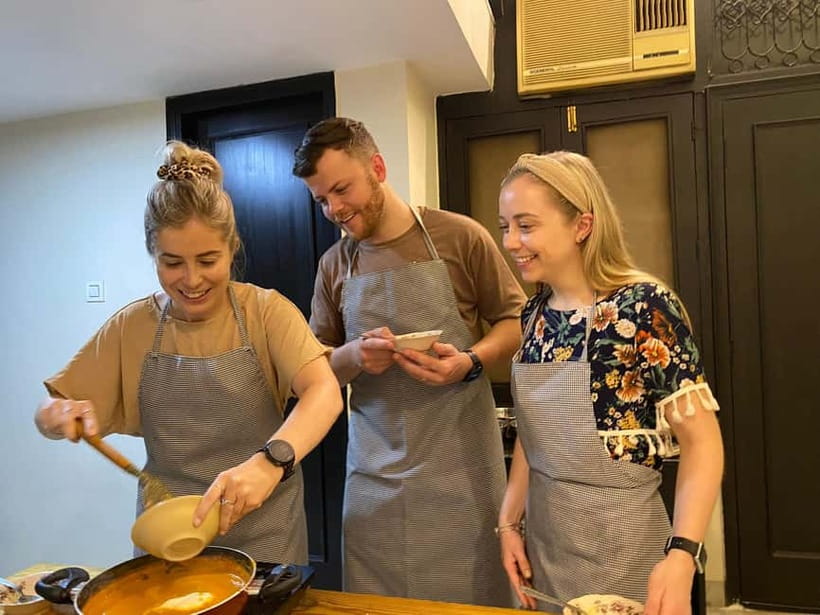
This small 2.5 hour class in a local home is built for hands-on learning, with fresh, ready-to-cook ingredients and clear coaching from JD and his family (including Bindra). I especially like how they explain what spices are doing for aroma and flavor, not just how to stir. The result is usually better than many restaurant meals, because you understand the last steps, including finishing spices added near the end. One drawback to plan for, though: it is not a casual drop-in, you are cooking in a real kitchen setup with a tight schedule, so arrive on time and come hungry.
What makes this work in practice is the format: a small group capped at 10, teaching in English plus Hindi and Punjabi, and an air-conditioned space with restroom facilities. You also get the full meal experience, cooking and then eating together as a close-knit family moment, not just standing back for a photo.
If you want Delhi beyond temples and traffic, this is one of the more personal ways to do it. You will leave with recipes and the confidence to recreate the dishes at home, even if your spice cupboard is currently more “mystery jars” than “system.”
Key things to know before you go
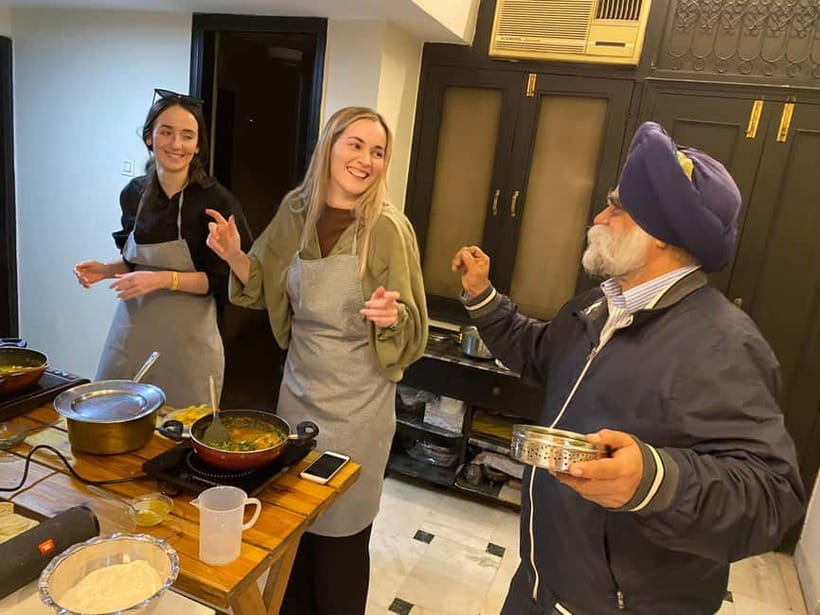
- Family-kitchen setting in GK-1, with Bindra and JD guiding you through the cooking
- Full meal cooking: main dish, rice, three bread styles, and dessert
- Spice coaching with reasoning, including what changes when you add certain spices at the end
- Small group of up to 10, so you get attention while you cook
- Air-conditioned comfort and restroom access, so the evening stays easy on you
- You eat what you make, with tea or water included
A GK-1 home kitchen beats a studio every time
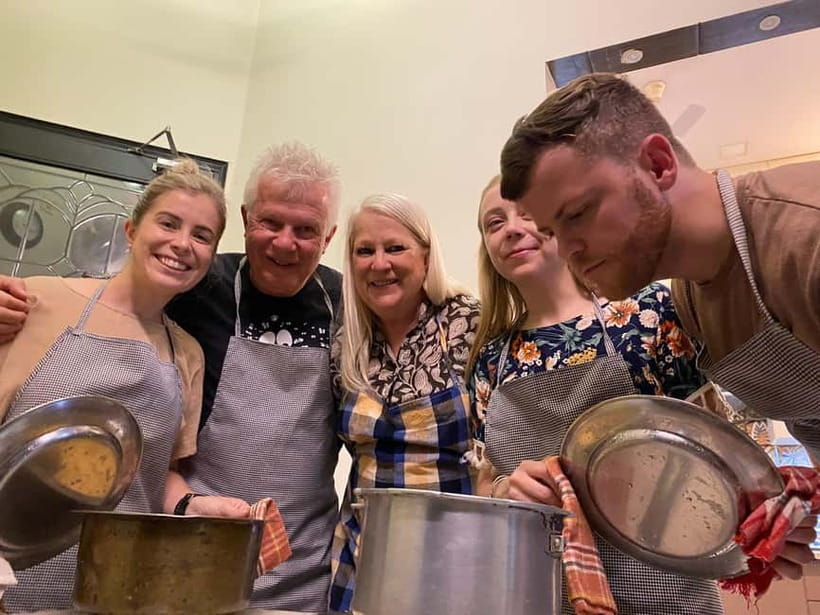
Most cooking classes in big cities look the same. You stand at a counter, someone demonstrates, you do a bit of chopping, and the food disappears into takeout boxes. This one feels different because it happens in a family home in Delhi, in the GK-1 area, at R-142, Bindra’s House.
The vibe is not flashy. It is warm and practical. JD is the main English-speaking guide, and Bindra (the father) is part of the welcome and the household rhythm. Several past students note how they felt treated like family, not like customers moving through a product.
That matters for your learning. In a home kitchen, people can correct your hand position, your heat level, and your timing without turning it into a classroom lecture. And because the space is air-conditioned, you can focus on flavor instead of sweating through the lesson.
You can also read our reviews of more cooking classes in New Delhi
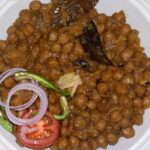
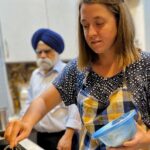
What you will cook: curry-style main, rice, breads, and dessert
The class is designed around one complete Indian meal. The exact menu can vary by day, but the structure stays consistent, and you should expect variety rather than one dish repeated.
Here is the typical breakdown:
- One main dish, often curry-style (you may see options like chicken curry or butter chicken depending on the session)
- One rice dish, such as a lemon rice style in some classes
- Breads, taught as multiple types or versions, with past menus including three bread styles in total (students mention learning several naan-like and bread varieties)
- Dessert, and in the reviews you will see rice pudding appear as a common example
The best part is that you are not just mixing one component. You work on parallel tasks because multiple things cook at once. That sounds stressful, but with good prep it becomes fun. Reviews mention that ingredients were already handled and set up before arrival, so you start cooking quickly.
A small note on bread
Bread is where many cooking classes go wrong. People get rushed and end up with dough that does not behave. Here, you get instruction while you shape and cook, which is why students highlight bread as a standout. If you have only ever bought naan from a restaurant, expect your first attempt at making bread at home to feel like a real upgrade, even if it is not perfectly identical to what you get outside.
Spice lessons that change how you cook, not just what you cook
Spices in Indian cooking are not random. They are a system: aroma building, flavor layering, and heat control. This class focuses heavily on how spices shape that end result.
What I like about the approach is that they do not treat spices like a checklist of “add everything.” They talk through:
- how spices release aroma when heated or toasted
- how different spices behave at different stages of cooking
- why certain finishing steps matter, especially the spices added near the end
One review even calls out an eye-opening moment where the curry tasted good before the final spices, then changed dramatically after those last additions. That kind of lesson is worth more than memorizing a recipe line-by-line, because it teaches you what to look for in your own pot.
How to use this at home
When you cook later, you can stop thinking of spice amounts as the whole equation. Instead, watch the timing and order. If you want the same flavor impact, you will want to replicate the stage where those “finish” spices go in, not just the ingredient list.
More New Delhi tours and experiences for the shortlist


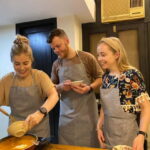

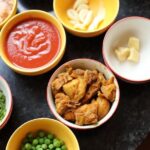

The teaching style: step-by-step, with tastings and technique
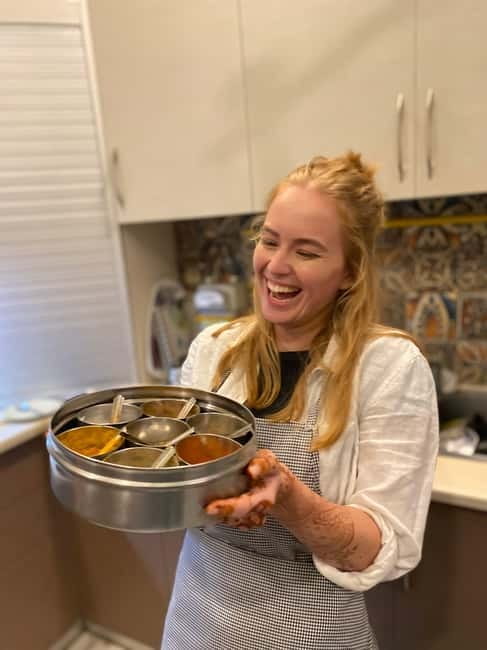
The class is hands-on, and the instruction style seems built on clarity. JD runs the teaching, and his father and family support the flow. Students repeatedly mention that the explanations are clear and simple, and that the coaching avoids the boring parts, like measuring everything while nothing interesting happens.
A common theme in the reviews is pre-measured spices and ingredients laid out so you are cooking, not hunting. Several past students describe arriving to a setup where spices for rice and curry were ready, dough work started quickly, and the cooking process ran in stages.
They also encourage tasting while cooking. That is not just for fun. Tasting shows you when something is working, and when it needs adjustment. If you have ever made a curry that tastes flat, you know how much it helps to learn what “flat” tastes like versus what “complete” tastes like.
Expect teamwork in the kitchen
You are cooking a meal for yourself and your group, but it is also a family workflow. The kitchen timing is managed so that rice, curry components, breads, and dessert all have a place in the schedule. That is why the 2.5 hours can feel like it flies by.
Timing and itinerary: how the evening usually flows
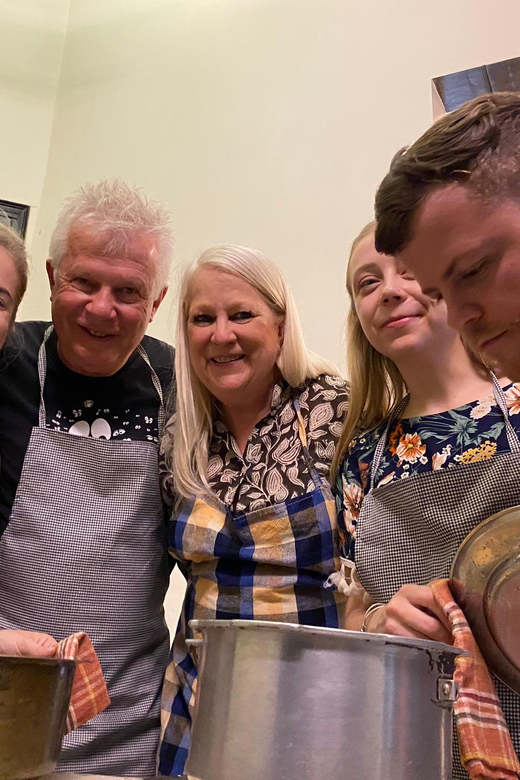
You are meeting in the evening at Bindra’s House in GK-1. The total duration is 2.5 hours, so think of it as a focused cooking block, not a long cultural immersion program.
A realistic flow looks like this:
- Arrival and welcome
You are met and brought inside. Several reviews mention starting with chai and sometimes homemade cookies, which helps you settle in fast.
- Kitchen setup and intro
You get the plan for the meal, plus how the spice work and dish steps will fit together. Languages include English, Hindi, and Punjabi, which helps even if your cooking vocab is still growing.
- Cooking the meal in stages
You cook the main dish and rice, while preparing bread dough and shaping. If you are making multiple bread styles, expect hands-on instruction during rolling and cooking.
- Dessert prep
Dessert comes later in the sequence. Reviews mention rice pudding, and the way it is handled often includes watching milk heating and timing so it sets properly.
- Eat together and chat
The final part is a sit-down meal as a family style moment, with conversation about food and India. Past students specifically mention lively discussions and cultural insights, which is where the experience becomes more than just a recipe class.
- Takeaway recipes
Some reviews state that recipes are shared with you, so you are not just leaving with memories and vague impressions.
If you are tempted to “just watch” because you are nervous about cooking, don’t. The whole point here is doing the work. You will get better faster with guidance in real time.
Price and logistics: what $47 buys you in Delhi
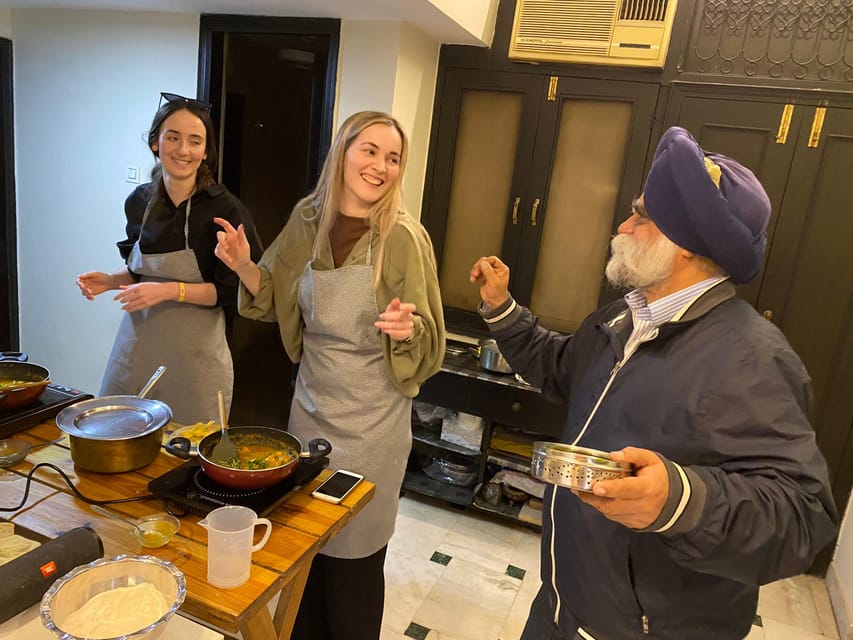
At $47 per person for about 2.5 hours, this class is priced for a true hands-on meal experience. The value comes from what is included, not from what is excluded.
Included:
- your host and live guide
- all ingredients
- all food and drinks (tea and water)
- the meal you cook
Not included:
- personal expenses like metro rides, Uber, and snacks outside the class
So you are paying for ingredients, coaching, and a full meal. In practical terms, that can be a bargain compared with eating out and paying for a cooking-focused workshop elsewhere. Plus, you are leaving with repeatable skills. If you cook even one curry or one rice-and-bread night at home later, the class already earns back a chunk of the value.
One practical consideration
Because it is a home kitchen experience, you should be ready for a schedule that is slightly more time-sensitive than a restaurant. Show up on time, and plan for the fact that the kitchen will be busy, so your role is to cook and follow the pace.
Who should book this home cooking class?
This is a good match if:
- you want a more authentic, local experience than a commercial cooking studio
- you care about spices and want to understand why flavors work
- you want a small group setting where you can ask questions while cooking
- you enjoy eating what you make, right away
It is especially good for first-time Indian cooking students because the guidance is structured around technique and timing. If you already cook Indian food, you will still benefit from the explanation of stage-based spice adding, particularly the finishing step lessons described in multiple accounts.
If you dislike any close-contact, in-home style experience, or you are looking for a purely sightseeing-based outing, this might feel too domestic. But if you are open to a warm family atmosphere, you will likely enjoy it a lot.
Should you book this New Delhi Indian cooking class?
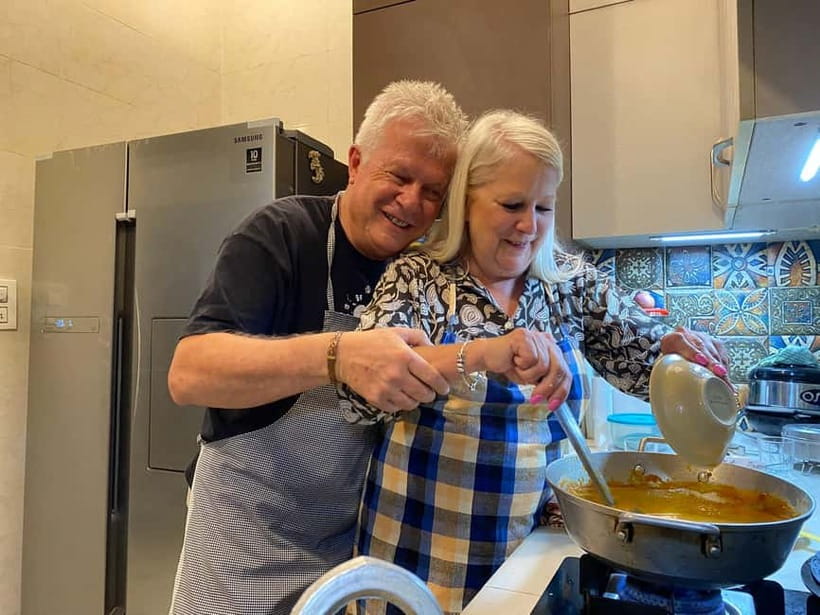
I would book it if you want one of the most efficient ways to learn Indian cooking in Delhi. You get a complete meal, hands-on cooking, bread practice, dessert, and direct spice coaching in a home setting with air-conditioned comfort.
My advice for deciding is simple:
- If your goal is skills, order, and confidence to cook at home, this is a strong pick.
- If your goal is mainly entertainment or broad sightseeing, you might prefer something longer or more outdoors-focused.
For most people doing a Delhi trip, this class works as a high-impact evening. It is small, personal, and it ends with you eating a meal you actually cooked, not just watched someone else plate.
More Workshops & Classes in New Delhi
More Cooking Classes in New Delhi
More Tour Reviews in New Delhi






Not for you? Here's more nearby things to do in New Delhi we have reviewed











More Delhi City Tours to consider.
 ★ 5.0Old & New Delhi City Tour – Half or Full Day Options AvailableTickets from $384,811 traveller reviews
 ★ 5.0Same Day Taj Mahal, Agra Fort & Baby Taj Tour from Delhi by CarTickets from $624,304 traveller reviews
 ★ 5.0Taj Mahal Day Tour from Delhi by Superfast Train – TOP RATED TOURTickets from $1004,166 traveller reviews
 ★ 4.9Old and New Delhi Private Full or Half-Day TourTickets from $23,776 traveller reviews
 ★ 5.0Full Day Taj Mahal, Agra Fort & Baby Taj Tour from Delhi by CarTickets from $623,647 traveller reviews
 ★ 4.9From Delhi: Taj Mahal & Agra Private Day Trip with TransfersTickets from $43,181 traveller reviews
 ★ 5.0Taj Mahal Tour from Delhi by Express Train (Viator Award Winner)Tickets from $752,849 traveller reviews
 ★ 5.0All Inclusive Private Taj Mahal Luxury Tour from Delhi by CarTickets from $622,564 traveller reviews
More useful Delhi routes