
Review · DELHI CITY TOURS
Old Delhi: 3-hour Street Food Tour
Old Delhi tastes better on foot. I loved the Chandni Chowk food lanes and the way you sample 10 vegetarian dishes and drinks in just three hours. One drawback to plan for is that this is a real food-and-walking loop, so come hungry, and don’t schedule anything tight right after.
I also liked how the tour gets you into the action fast, using metro plus short tuk-tuk and rickshaw-style rides to keep your energy for eating. You’ll weave through narrow lanes and market streets where you can actually see how daily life and food culture overlap.
Keep in mind it’s vegetarian-only, and some dishes include dairy, so lactose is a concern. Bring comfortable walking shoes, keep your stuff secure in crowds, and you’ll have a much calmer, more enjoyable time.
Key things to know before you go
- 10 vegetarian tastings that mix classics with seasonal-style favorites, not just the usual samosa and jalebi
- Parathewali Galli includes a stop at an old-school, 150-year-old eatery for proper paratha energy
- Chandni Chowk and the spice market give you the sensory context, so flavors make more sense as you go
- Metro plus tuk-tuk and rickshaw rides help you cover ground without feeling like you’re stuck walking in circles
- Max 12 people per booking, so the group stays manageable in crowded lanes
- Not vegan, and dairy shows up in some tastings, so check if you need to avoid milk products
Old Delhi street food, in three hours (and why that pacing works)
If you only have a short window in Delhi, a walking street food tour is one of the smartest ways to get oriented. You’re not just eating, you’re learning how food moves through the neighborhood, from morning routines to snack-time crowds. Old Delhi can feel chaotic at first, so having a guide to route you through the right lanes at the right speed matters.
This tour works because the tastings are spread across the areas that actually create the flavors you associate with Old Delhi. You’ll start with familiar favorites like samosa and jalebi, then you’ll move into regional chats and breads that you might not find on a standard restaurant menu. By the time you reach the spice market, you’re already primed to notice what’s in the food.
The other big win is that you’re eating with structure. Ten items sounds like a lot, but it’s paced so you’re not overwhelmed at one single stop. It also keeps your wallet from exploding, since food and drinks that are part of the tour are included.
You can also read our reviews of more food & drink experiences in New Delhi

Getting there from Connaught Place: metro, tuk-tuk, and a simpler start
The tour meets at 3:00 PM outside United Coffee House in Connaught Place. If you’re using the metro, exit Gate No. 4 of Rajiv Chowk Metro station. Ending back at the same meeting point keeps things easy, especially when Old Delhi streets get busy later in the evening.
Transport is built into the experience. You’ll use metro and tuk-tuk rides to get to and from the meeting point, which helps a lot because Old Delhi isn’t designed for one long, continuous walk. You also get a chance to experience market movement up close, including a rickshaw ride through tight lanes.
If you choose the hotel option, there is pickup and drop-off by private air-conditioned car. I like this for visitors who want to reduce friction on day one. It’s also helpful if you’re carrying luggage or you simply don’t want to do route planning before you eat.
Gurudwara Sis Ganj: community kitchen first, then you snack smarter
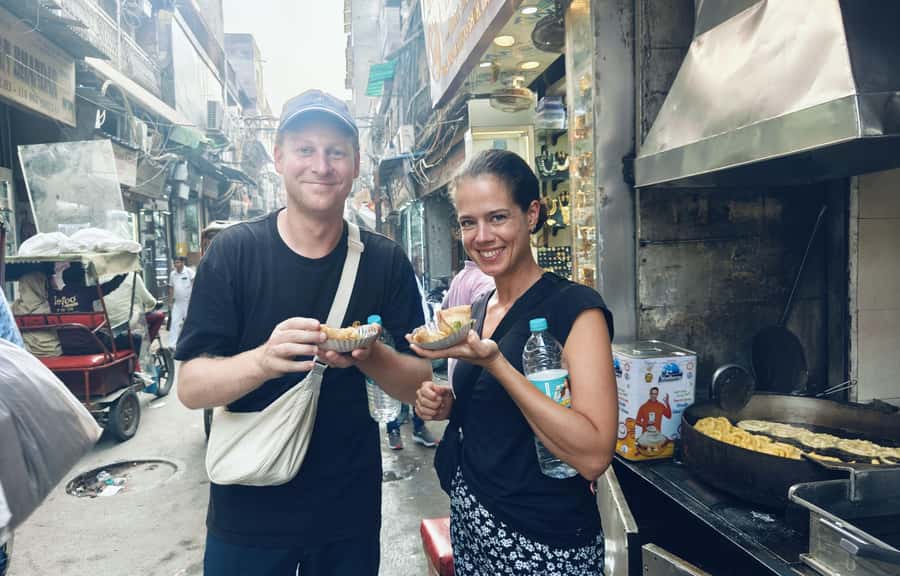
Your first major cultural stop is Gurudwara Sis Ganj, a Sikh gurudwara with an important historic reference. This is where the tour adds context beyond food. You’ll learn about the community kitchen service, which changes how you think about what you’re about to eat. In a place like Old Delhi, food isn’t just commerce. It’s part of how communities take care of people.
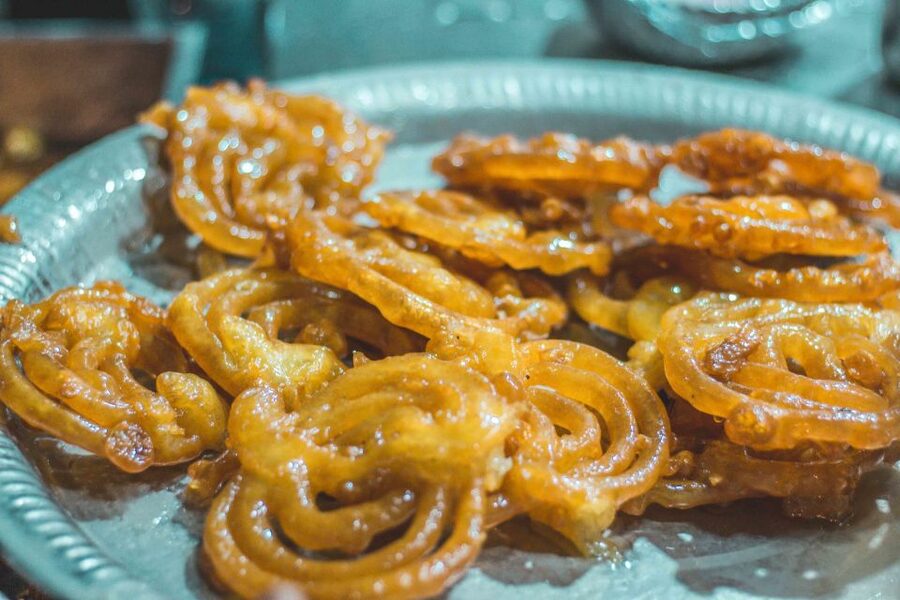
After that grounding stop, the food starts right away. You begin with jalebi and samosa from a shop that’s described as 100 years old. Jalebi here is deep-fried sweet made from corn flour with sugar syrup. Samosa is the classic triangular, fried bread stuffed with potatoes.
Practical tip: eat the first bites slowly. Jalebi and samosa can both be rich, and your next stops include more crisp, saucy items. If you start with a steady pace, the rest feels like a guided tasting instead of a sugar crash.
Jalebi, samosa, then Raj Kachori: the chat bowl that explains Old Delhi
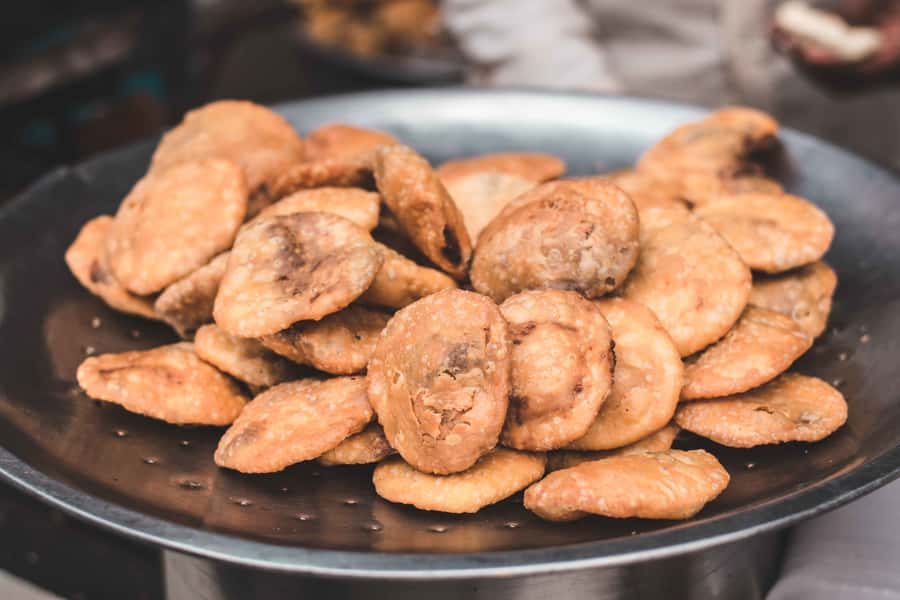
Next up is Raj Kachori, a kind of chat filled with fresh yogurt and sweet and sour sauces served in a crispy edible bowl. This is one of those foods that makes the phrase street food real, because the crunch and the sauce contrast happen right in your mouth.
What I like about this stop is that it shifts you from simple fried snacks into layered flavors. You’re tasting acidity, sweetness, and creaminess in quick succession. That matters because Old Delhi is full of sauces and toppings, and if you miss this early, later bites can feel repetitive instead of building.
Caution: it’s easy to get so focused on the next dish that you forget to taste properly. With Raj Kachori, take a few bites, let the sauces settle, then go again. It’s the difference between good and great.
Parathewali Galli and the 150-year-old paratha tradition
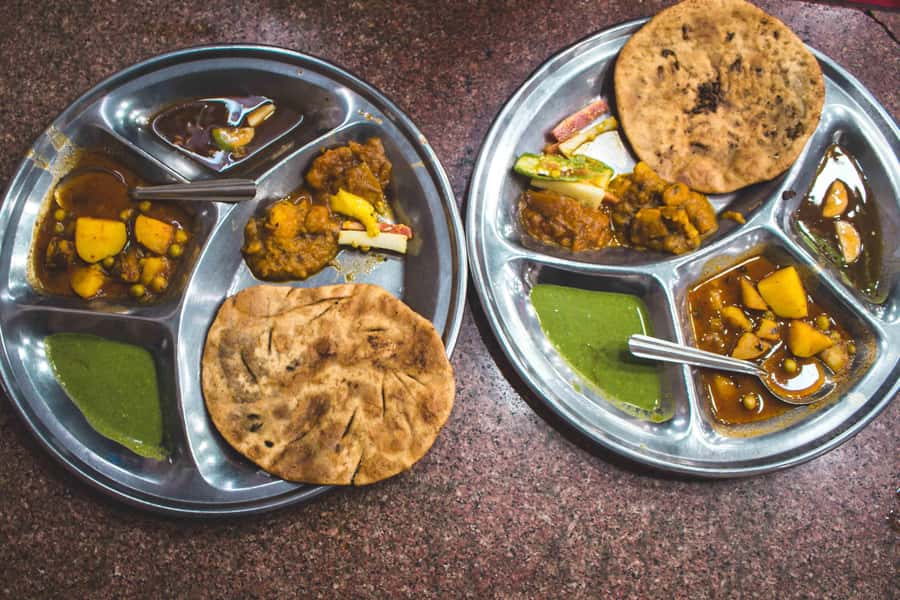
Then comes one of the tour standouts: Parathewali Galli, including an eatery that’s described as 150 years old. This is where you’ll stuff yourself with paranthas, Indian flatbreads filled with different options. The tour description lists fillings like cheese, cashews, chilli, and lemon.
Paranthas are a great match for Old Delhi because they’re portable, filling, and flexible. One bite can be savory, another can carry a mild tang from the lemon, and cashews can add a creamy richness. If you’ve never tried paratha with unusual fillings, this stop is where you’ll learn why people rave about this part of town.
I like that you’re not just eating one standard version. The variety of fillings means you get multiple flavor moods without leaving the neighborhood. Also, the old-school setting helps you understand why paratha stalls became institutions, not just snacks.
More New Delhi tours and experiences for the shortlist




Kulia ki chaat, fruit sandwich, and the reason you should not skip the weird one
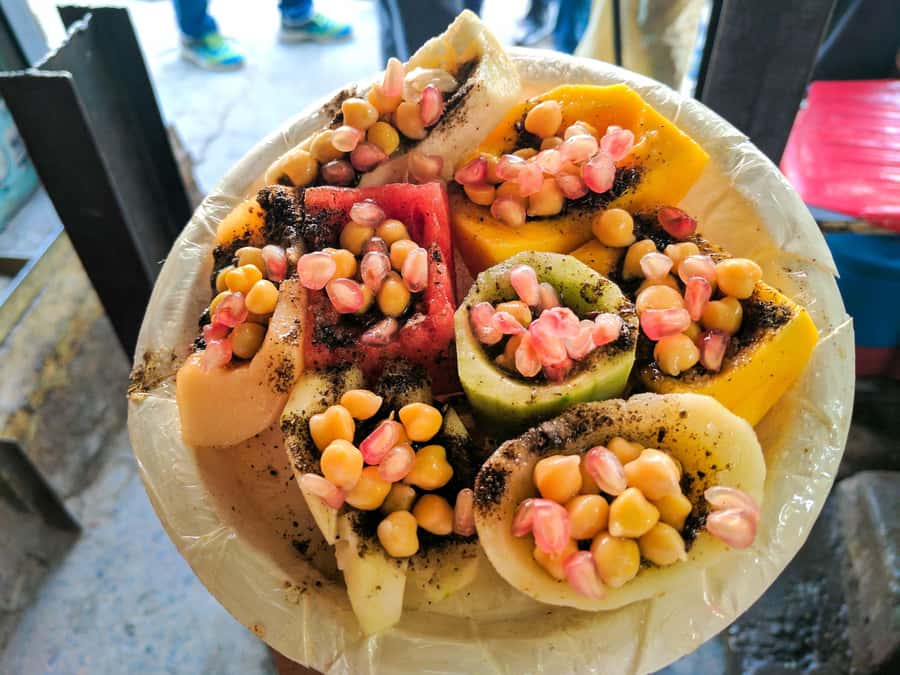
After parathas, the tour keeps it interesting with Kulia ki chaat. You’ll try fruit bowls filled with chickpeas and masala. It’s an unusual mix on paper, but that contrast is the whole point of chaat culture.
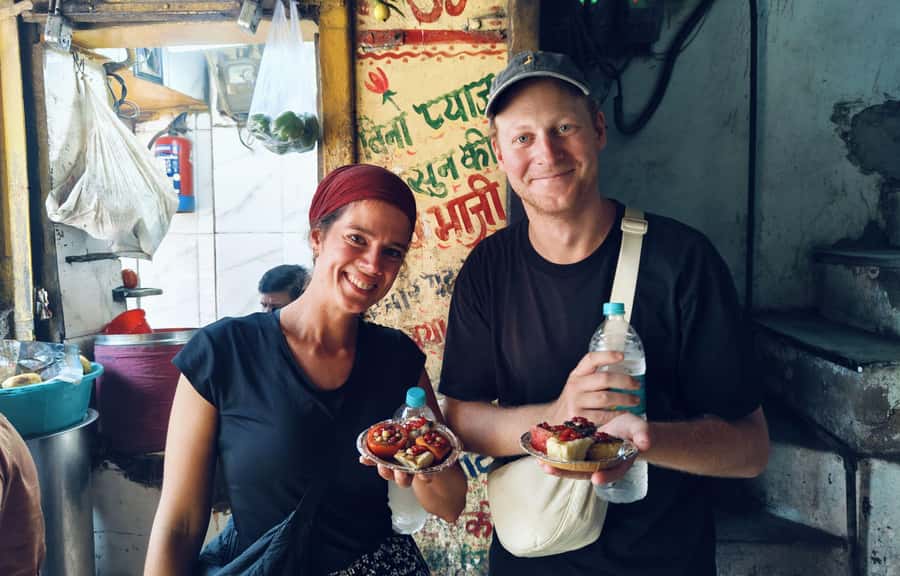
You’ll also try a unique fruit sandwich. The idea is simple, but the execution in Old Delhi often leans on crunch, spices, and sweet-sour balance. Even if you think you don’t like fruit in savory foods, this is one of those moments where you can learn something fast.
Then there’s another important reason to pay attention here: it breaks the cycle. After fried items and creamy yogurt chats, fruit-and-chickpea flavors give your palate a reset. That makes the spice market stop more exciting later, because you can actually smell and taste what’s happening.
The spice market stop: Asia’s wholesale spice scale in real life
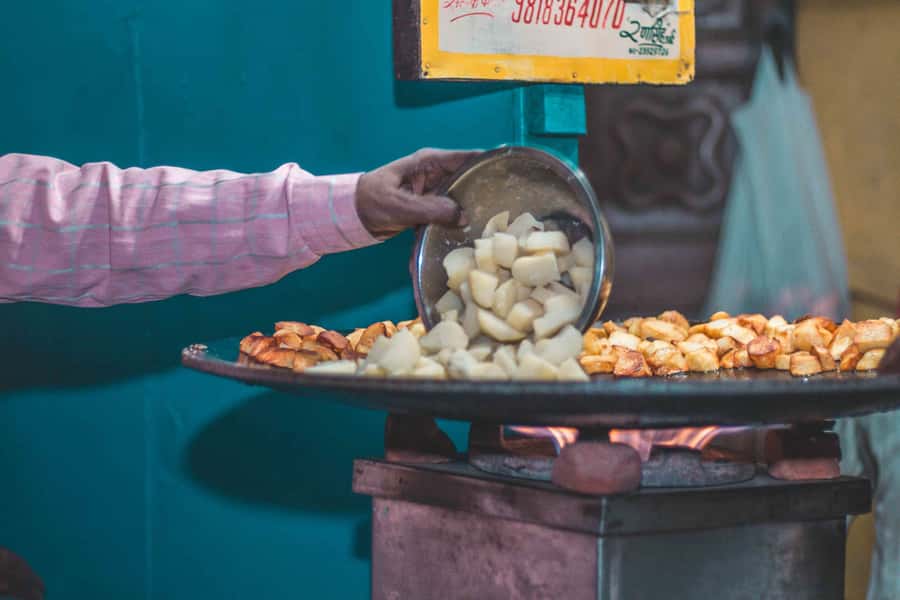
You’ll head toward the spice market, described as Asia’s largest wholesale spice market. This is not just a photo stop. It’s where you start connecting ingredients to finished flavors.
In practical terms, spices in wholesale markets are sold by the visual, the smell, and the way they hold together in your mind. When you later eat dishes like chole bhatura, lassi, and rabri-faluda, it’s easier to sense which spice profiles are doing the work.
One thing I love about adding the spice market before the final tastings is that it helps you eat with intention. Instead of asking, What is this?, you start asking, What does this taste like it came from? That shift makes the last half of the tour more memorable.
Rabri-faluda, chole bhatura, lassi, then kulfi: the sweet finish sequence
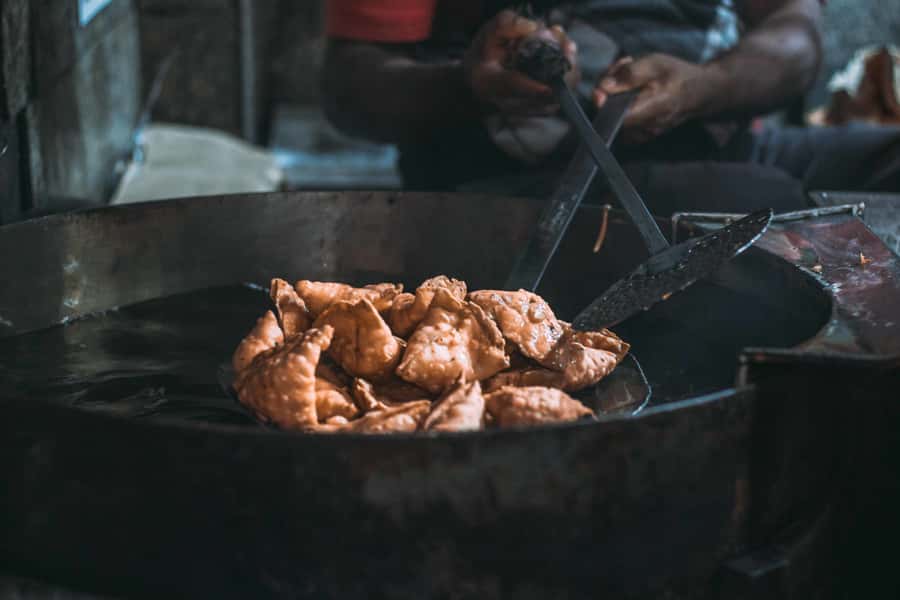
After the spice market, the tour turns into a full Old Delhi menu moment. You’ll try rabri-faluda, described as rice noodles. Then comes chole bhatura, with chickpeas curry and fried bread.
Chole bhatura is heavy in the best way, and it fits perfectly after the earlier crisp and tangy snacks. Chickpeas carry deep savory flavors, and the fried bread soaks up the curry. It’s not the lightest thing on earth, but it’s exactly the kind of dish that feels like a destination, not just a stop.
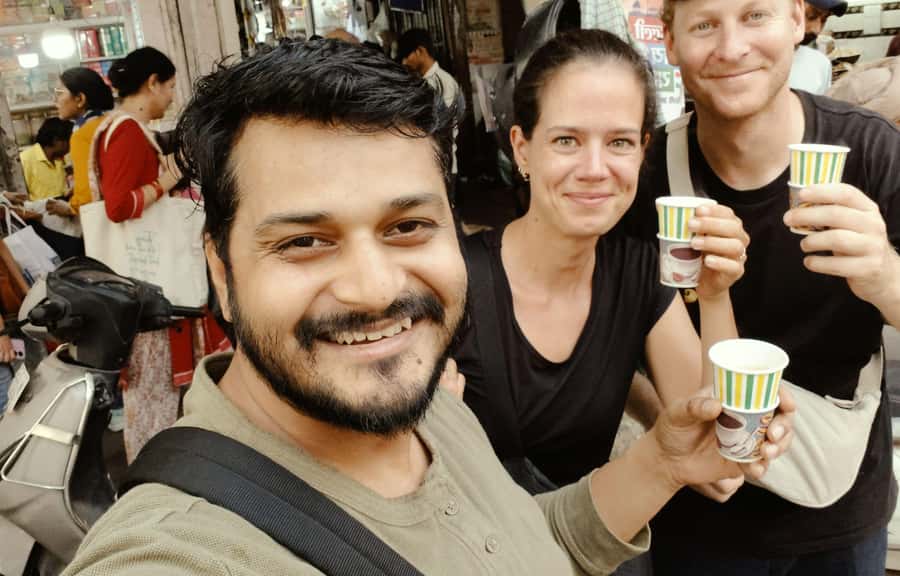
Next is lassi, a chilled glass of sweetened yogurt. It’s a smart pairing after spicy and fried foods because it cools the palate. If you’re watching sugar intake, you can still enjoy lassi, just take smaller sips and save your appetite for kulfi.
Finally, you end with kulfi, an Indian ice cream. The tour description highlights more than 50 flavours, and the finish is meant to be chilled and mouth-watering right when you’re ready to slow down. Kulfi is thicker and denser than many Western ice creams, so it sticks around longer on your tongue. It’s a good closing note, and it gives your stomach a chance to settle before you head back.
Crowd sense, pickpockets, and why your guide’s timing is part of the product
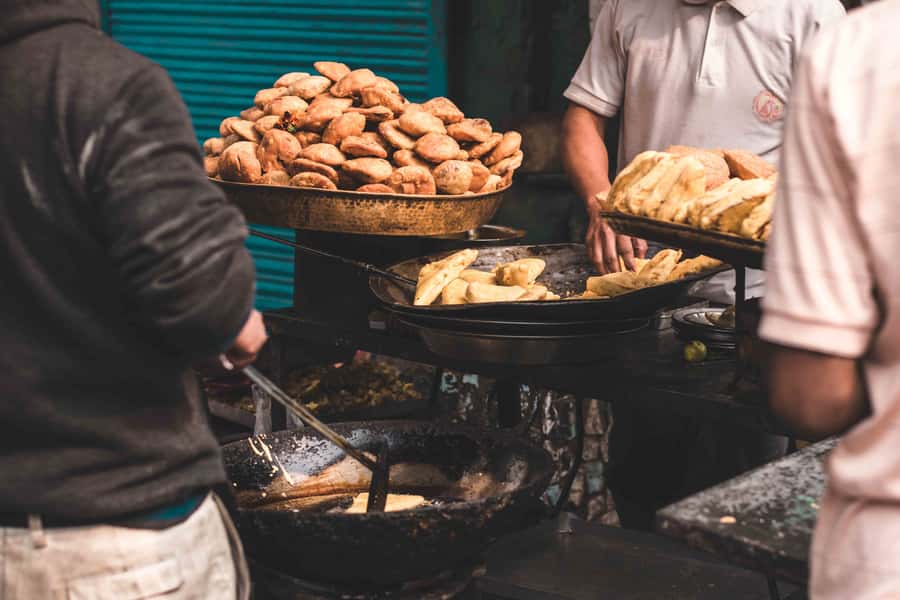
Old Delhi lanes are crowded, and that changes the whole experience. The tour keeps you moving at a pace that works for food stops, not random wandering. You’ll also get help dealing with the practical reality of markets, including hawkers and the crush of foot traffic.
From what I’ve seen in patterns around guides like Isha, Suraj, Kiran, Deepak, and Naha, the strongest common thread is control. Good pacing. Calm steering. Clear English. When your guide is good at handling traffic on narrow roads and deciding when to step aside, you feel safer without losing the fun.
Here’s my practical advice to make this smoother:
- Wear comfortable walking shoes, because you’re doing real walking on uneven city surfaces.
- Keep your phone and wallet secured in crowded areas.
- Take water when you can, but note that bottled water is not included, so plan accordingly.
Because the experience includes multiple snack stops, I also recommend not over-ordering anything outside the tour. If you want the classic Old Delhi lineup you came for, save your appetite for the included dishes.
Who this tour suits best, and who should rethink it
This is a strong match if you:
- want an Old Delhi introduction that mixes street food with cultural context
- like tasting lots of different items instead of picking one big meal
- enjoy walking tours and can handle a busy, high-traffic neighborhood
It may not be the best fit if you:
- are vegan (the tour is not suitable for vegans)
- have lactose intolerance, since some tastings include dairy
- prefer restaurant-style dining with long seated breaks, because this is a walking and sampling format
It’s also worth noting the group size limit: a maximum of 12 people per booking. That’s a sweet spot for staying coordinated in tight lanes.
For families, children must be accompanied by an adult, and unaccompanied minors are not allowed. If you’re bringing kids, this can work better when they can handle crowd noise and short walking segments between tastings.
Vegetarian-only food, dairy reality, and smart ways to manage dietary needs
You get only vegetarian food options. Some include dairy products, so lactose intolerance can be an issue. The tour is also not suitable for vegans, so you won’t find fully plant-based options here.
If you have allergies or dietary restrictions, the right move is to inform your guide in advance. Because this is a tasting tour across multiple stalls, small ingredients can matter. You’ll want guidance before you take the first bite, especially with sweets and creamy yogurt-based dishes.
Also, double-check what you can tolerate with dairy. Raj Kachori includes fresh yogurt, lassi is sweetened yogurt, and other items may contain milk-based ingredients. If dairy is a hard no for you, you may need to skip this and choose another tour type.
Price and value: what $51 buys you in Old Delhi
At $51 per person, the cost can feel a bit steep at first glance. But this tour bundles several things together that add up quickly in the real world: guidance, transport, and a full tasting lineup.
You’re paying for:
- metro and tuk-tuk rides to and from the meeting area
- an English-speaking local guide
- food and drink items that are part of the tour, including the key stops
- 1 free Polaroid picture per booking
Bottled water is not included, and you’ll likely be tempted to buy snacks on top of the included tastings. If you keep your extras minimal, the price starts to make sense because you’re not cobbling together multiple paid experiences yourself.
So I think it’s fair value if you want the whole package: direction through chaotic streets, a curated sequence of iconic foods, and cultural context at Gurudwara Sis Ganj. If you already know exactly what you want and you’re traveling with food confidence, you might compare it to a do-it-yourself plan. But for most first-timers, this is an efficient way to spend an afternoon.
Should you book this Old Delhi street food tour?
I’d book it if you want a first-time-friendly, food-first Old Delhi experience that still teaches you something along the way. The combination of Gurudwara Sis Ganj and the spice market makes the tastings feel connected, not random.
I’d hesitate if dairy is a problem, if you’re vegan, or if you hate the idea of eating lots of small dishes over a short time. Also, come prepared for crowds, because Old Delhi is a real sensory workout.
If you can eat vegetarian, handle some dairy, and you want a guided path through Chandni Chowk, Gurudwara Sis Ganj, Parathewali Galli, and the spice market, this is a strong use of your time.
FAQ
What time does the Old Delhi street food tour start?
The tour starts at 3:00 PM at the meeting point outside United Coffee House in Connaught Place.
Where exactly is the meeting point?
The meeting point is outside United Coffee House in Connaught Place. If you are arriving by metro, exit from Gate No. 4 of Rajiv Chowk Metro station.
How long is the tour?
This is a 3-hour street food tour.
What food options are included, and is it vegetarian?
The tour offers vegetarian food options. It is not suitable for vegans, and some dishes include dairy products.
Are dairy products included, and is it safe for lactose intolerance?
Some tastings contain dairy products. The tour is listed as not suitable for people with lactose intolerance.
What does the price include?
The price includes metro and tuk-tuk rides to and from the meeting point, an English-speaking local guide, 1 free Polaroid picture per booking, and the food and drink items that are part of the tour.
Are there any restrictions on who can join?
Unaccompanied minors are not allowed. Children must be accompanied by an adult. There is also a maximum of 12 people per booking, and a minimum of two participants is required for the meeting point option.
More Food & Drink Experiences in New Delhi
More Tours in New Delhi






More Tour Reviews in New Delhi

Not for you? Here's more nearby things to do in New Delhi we have reviewed










More Delhi City Tours to consider.
 ★ 5.0Old & New Delhi City Tour – Half or Full Day Options AvailableTickets from $384,811 traveller reviews
 ★ 5.0Same Day Taj Mahal, Agra Fort & Baby Taj Tour from Delhi by CarTickets from $624,304 traveller reviews
 ★ 5.0Taj Mahal Day Tour from Delhi by Superfast Train – TOP RATED TOURTickets from $1004,166 traveller reviews
 ★ 4.9Old and New Delhi Private Full or Half-Day TourTickets from $23,776 traveller reviews
 ★ 5.0Full Day Taj Mahal, Agra Fort & Baby Taj Tour from Delhi by CarTickets from $623,647 traveller reviews
 ★ 4.9From Delhi: Taj Mahal & Agra Private Day Trip with TransfersTickets from $43,181 traveller reviews
 ★ 5.0Taj Mahal Tour from Delhi by Express Train (Viator Award Winner)Tickets from $752,849 traveller reviews
 ★ 5.0All Inclusive Private Taj Mahal Luxury Tour from Delhi by CarTickets from $622,564 traveller reviews
More useful Delhi routes