
Review · DELHI CITY TOURS
Old Delhi: Spices, Heritage and Bazaars Walking Tour
Old Delhi has a smell test you can walk through. This 3-hour Old Delhi walk turns history into something you can feel in your nose, see in living streets, and understand with a guide like Jai Singh.
Two things I like a lot: you get a clear look at Jama Masjid and Old Delhi’s layout without forcing mosque entry, and the spice market stop is hands-on, with the scents and explanations that make the prices at home feel a little painful. One heads-up: it is a walking tour in tight lanes, and there is a strict no large luggage rule, plus the route is not suitable for mobility impairments or pregnancy.
Key things to notice before you go
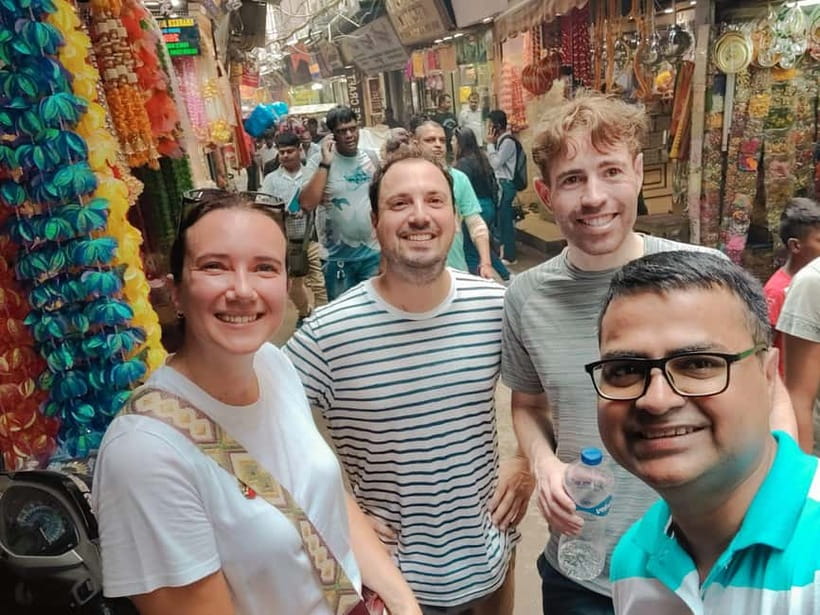
- Meet at Jama Masjid Metro, Exit Gate 1, so you do not spend your walk playing phone-tag.
- Jama Masjid entry is optional with an INR 450 per person entrance fee if you go in.
- Khari Baoli and the spice trail focus on wholesale warehouses and spice storehouses, not just souvenir displays.
- Meena Bazaar to Chandni Chowk lanes give you a real sense of Mughal-era market life and today’s everyday trade.
- Small group max 7 keeps the pace calm enough for questions and photo stops.
- No large bags allowed, so travel light.
Meeting at Jama Masjid Metro Exit Gate 1, and how to stay on track
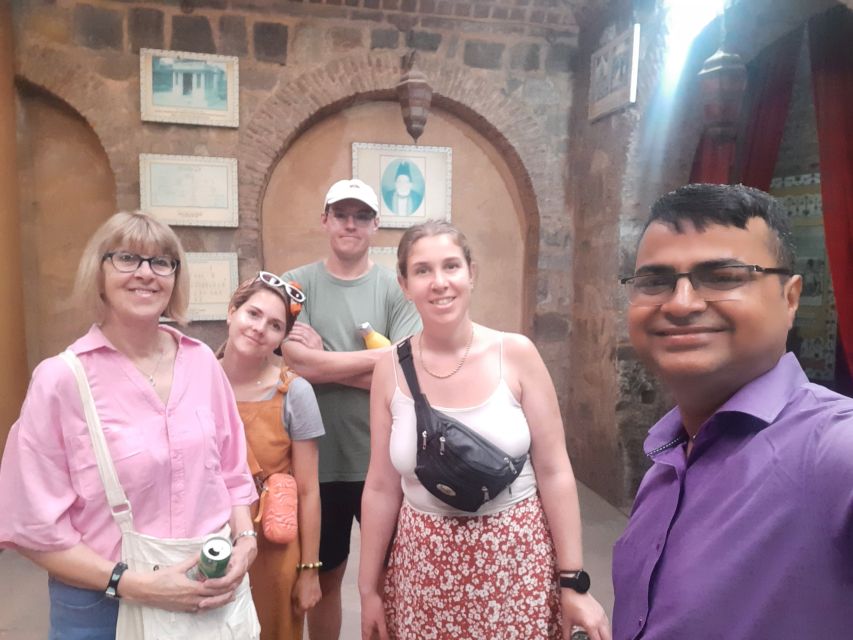
Your tour starts at a very specific spot: Jama Masjid Metro Station, Exit Gate 1. If you are coming by Uber, you are expected to use the provided Google pin, and the idea is to keep the meeting point easy.
This is the kind of tour where timing matters. Crowds, narrow lanes, and quick handoffs can turn a simple meet-up into stress, so send your WhatsApp/cell number at booking and keep it ready. In practice, the guide can coordinate with you if you end up a few meters away.
Also plan for walking shoes. The route moves through old neighborhoods where streets change character block by block, and you will want traction.
You can also read our reviews of more walking tours in New Delhi



Jama Masjid views, optional entrance, and why the outside photos still count
You begin with the first big landmark moment at Jama Masjid, a 400-year-old mosque built by Shah Jahan. Even if you skip the inside, you still get the main value: views over Old Delhi and a strong sense of how this city was built to flow around major religious sites.
Mosque entry is optional, not compulsory. If you do enter, plan for the INR 450 per person entrance fee. If you prefer to skip, you still get time for photos from outside, so you are not punished for choosing your comfort level.
One more practical note: when religious buildings are involved, do dress with respect. You might find that staff and locals are watching how visitors behave, and a calm, covered look keeps things smooth.
Meena Bazaar to Jama Mosque approach, the street-level lesson in Old Delhi
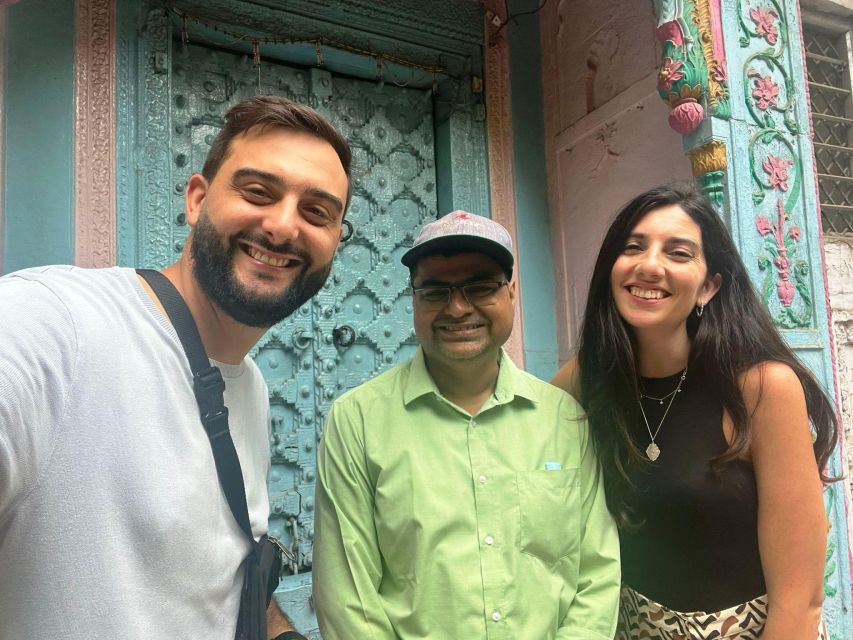
Before you reach the mosque, the walk begins through Meena Bazaar. Historically, this area was tied to precious-gem trade in the Mughal era. Today it is more humble and crowded, with vendors selling budget-friendly goods for everyday customers.
That contrast is the point. You are not only seeing old monuments, you are learning how trade adapts when empires end. As you move toward the mosque, you get stone steps, changing perspectives, and the feeling that Old Delhi is a living city, not a museum set.
Keep your eyes up too. Old Delhi rewards attention to details like balconies, doorways, and small storefront signs, even when you are walking fast.
Chandni Chowk lanes, havelis, and the Mughal-era market grid that still works
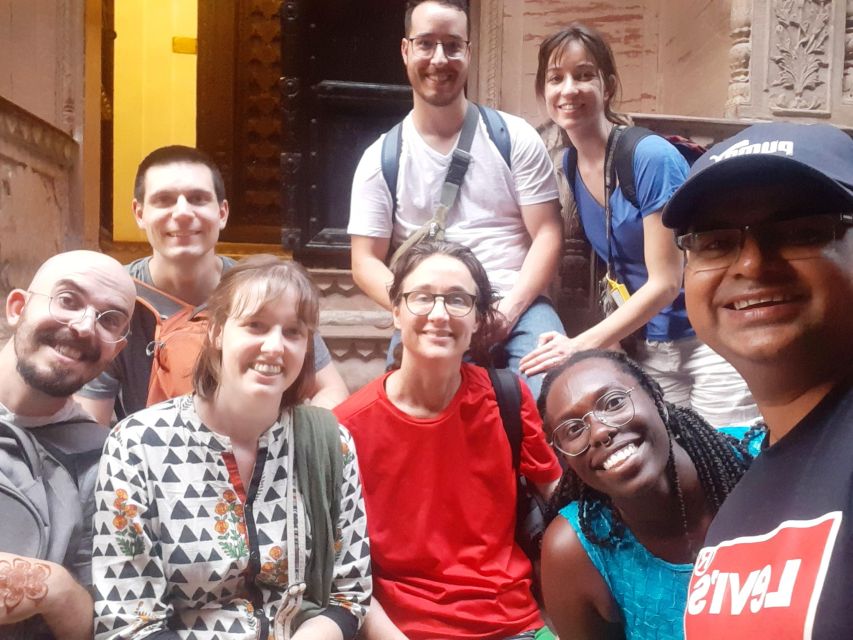
After Jama Masjid, you head into the maze toward Chandni Chowk. This is where the walk starts feeling like a puzzle with smells and sounds instead of clues.
You pass through tight lanes and heritage houses called havelis. These traditional buildings show you what “architecture for daily life” looks like, not just palace-style grandeur. It also helps you understand why Old Delhi can feel chaotic at first, but still has a pattern if you follow a guide’s route.
Chandni Chowk itself is famous, but the best part here is what you do next: you do not just stand at the main street for photos. You move into the side lanes where you can see how people actually shop, negotiate, and carry goods.
A word on shopping pressure: markets can be intense. If you want to browse, keep your body language neutral and your wallet protected. You can always step back and let your guide handle any tricky moments.
Khari Baoli, silver jewelry, fabric, and how textiles fit the spice story
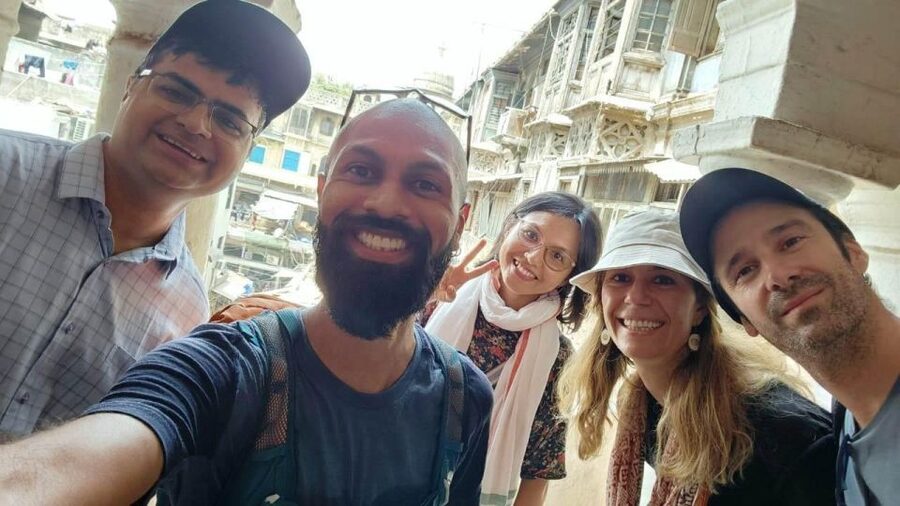
Next comes Khari Baoli, and this stop matters because it connects the “spice story” to the rest of Old Delhi commerce. Khari Baoli is a trading zone where spice wholesalers and spice storage play a major role in the local economy.
Along the way, you may also encounter other markets that tie into what people buy for home and celebration, including ethnic clothing and jewellery. One guide-led trick you can use: ask what items are commonly paired with specific spices, even informally. It turns shopping into context, not just purchasing.
You might notice that some streets feel almost designed for movement, with shops lining both sides and narrow passages that funnel foot traffic. That is how the market grid evolved, and why a local route feels so much easier than wandering alone.
You can also read our reviews of more historical tours in New Delhi




The spice trail at Asia’s biggest spice market, what the guide is really teaching

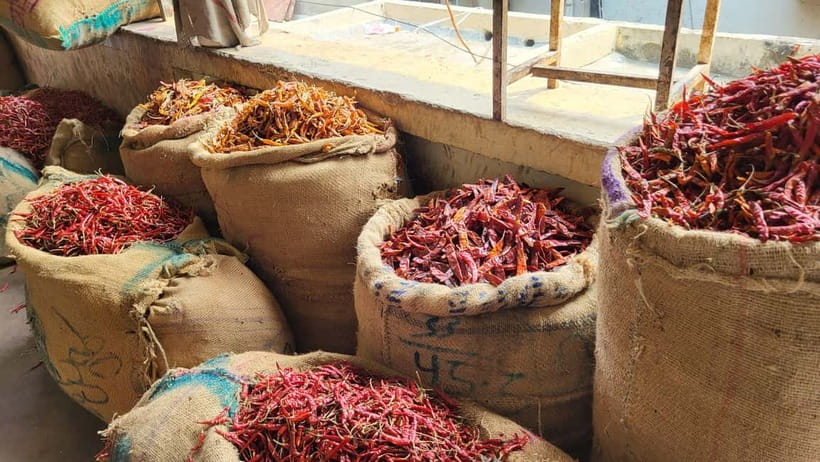
The centerpiece is the spice market stop, often described as Asia’s biggest. What makes it special is not only the number of stalls, it is the way the guide explains how spices function in everyday cooking.
You may see a massive warehouse-style area where large merchants gather and deals get made. Big bags with spices opened for display can fill the air fast. It is not just sensory. It is practical education: you start recognizing aromas and learning what spices do, not just what they look like.
You will also likely enter a famous older spice depot/storehouse for a briefing about specific Indian spices. This is where the price shock often hits. Many spices that feel affordable at home start looking expensive when you realize how they are sourced, processed, traded, and sold.
If you have any dietary questions, or if you are trying to understand spice blend labels, bring it up. A good guide can help you decode what a blend might include, and you will walk away with a smarter shopping list.
Chai breaks and small tastes you should plan for
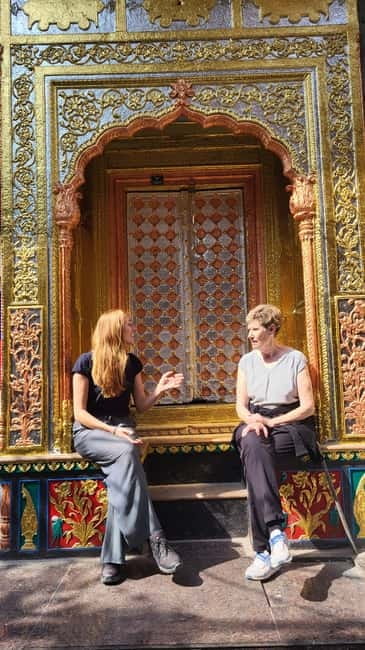
Even though food and drinks are not included, you should still expect tasting moments. Many people come away remembering chai as much as the spices.
On this route, you may be taken for masala chai and simple snacks such as street bites. If you want the best value, treat it like an optional budget line item: enjoy what is offered, but do not assume a meal is included in the price.
A small tip: if you are sensitive to strong flavors, tell your guide early. Old Delhi can be intense in both heat and spice scent, so a quick heads-up helps keep your pace comfortable.
Goldsmith artisans and continuity from Mughal-era craft to today
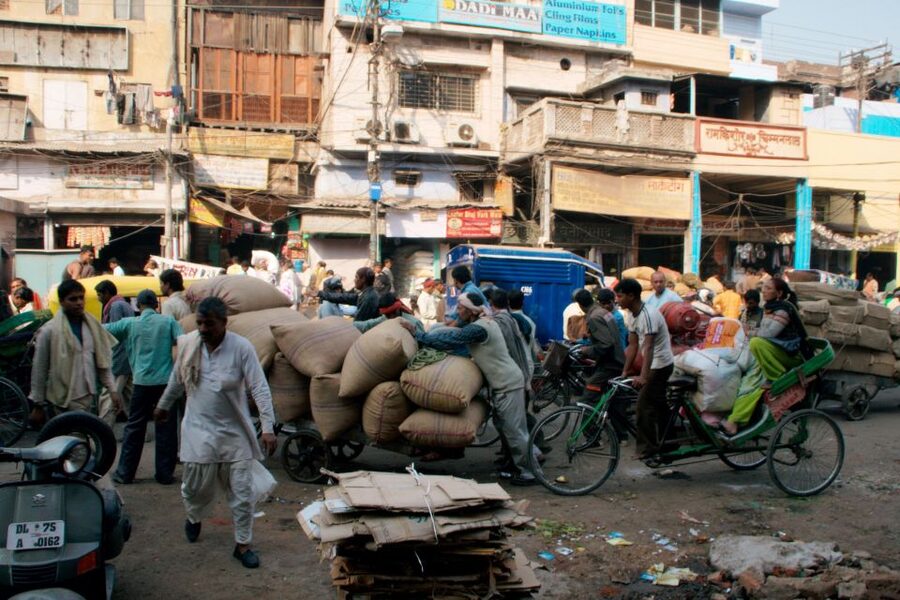
One of the most interesting stops is an ancient neighborhood of goldsmith artisans. These are craftspeople who have lived and worked in the area since the Mughal era, which gives this walk a slower, more human rhythm.
In markets, it is easy to think everything exists only for selling. The goldsmith area shifts your focus to skill. Watch for small tools, workshop layouts, and the way artisans interact with customers. You can often see the difference between mass-produced items and made-by-hand work.
This part also makes the day feel more balanced. The spices are about smell and flavor, while goldsmithing is about patience, precision, and time.
How long 3 hours feels in Old Delhi, and what you should watch for
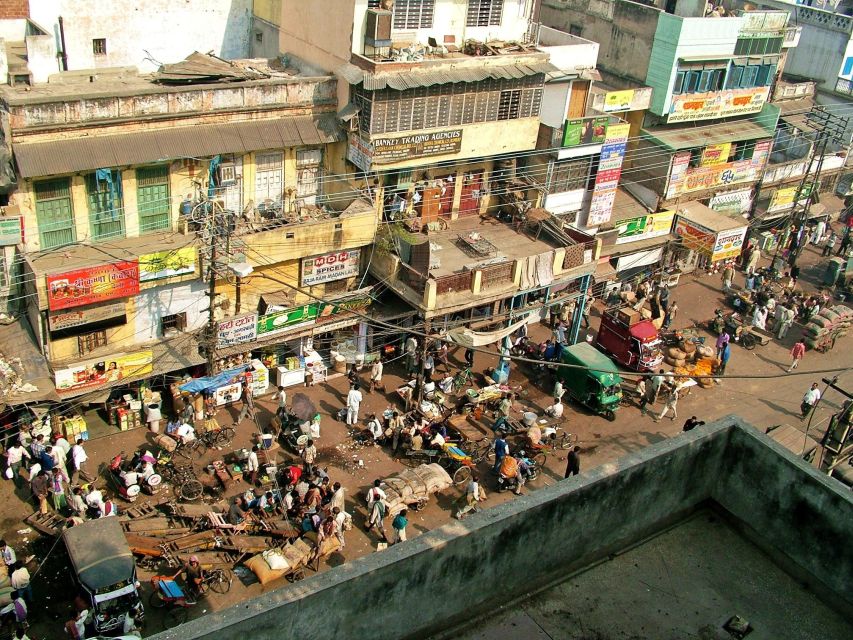
On paper, it is 3 hours. In Old Delhi, that can feel either tight or perfectly paced depending on heat, crowd flow, and whether you choose optional stops.
The good news: this is built for a small group of up to 7, so the guide can slow down for photo stops and questions. Multiple bookings mention the guide working at a pace that avoids rushing, which is exactly what you want in tight lanes.
The practical drawback: if you have low stamina, narrow streets and frequent stops can wear you out. If you are unsure, do the mosque outside photos and focus on spices and craft lanes, skipping any extra climbs if they arise.
Price and value for $13, and what you still need to pay
At $13 per person for a 3-hour small-group walk, this tour can be good value if you want structure in the chaos. You get a local guide and a mineral water bottle.
The main cost considerations are the parts that are not included. Food and drinks are not included, and Jama Masjid entry has a separate INR 450 per person fee if you go inside. If you want street snacks or extra tea, you should budget for that too.
What you are paying for, beyond sights, is guidance through the market maze plus the spice-market explanation. If you have ever tried to do Old Delhi alone, you know how quickly you end up lost, overpriced, or stuck in the wrong lane.
Also, the tour includes an express security check. In places like this, that can save time and reduce friction, especially during busy hours.
Who this tour fits best, and who should rethink it
This walking tour makes sense if you like hands-on cultural detail: market trade, spices, and how architecture connects with daily life.
It is a less-than-ideal choice if you have mobility challenges. The activity is listed as not suitable for people with mobility impairments and not suitable for pregnant women. It also has a clear no large luggage policy, so come with only what you can carry comfortably.
If you are traveling solo, it can be a comfort choice because the guide keeps you oriented in crowded lanes. If you are traveling with friends, the small group size still keeps it social, but not chaotic.
Should you book this Old Delhi spices and heritage walk?
Book it if you want a short, focused way to understand Old Delhi through Jama Masjid, Chandni Chowk, Khari Baoli, and the spice market trade. You also get strong value from the small group size and the guide’s ability to answer questions as you walk.
Skip it or choose carefully if you dislike walking in tight crowds, need wheelchair-friendly access, or you cannot handle the intensity of spice aroma in enclosed market areas. And if you do plan to enter Jama Masjid, budget the INR 450 fee so there are no surprises.
If this sounds like your kind of morning, go for it. You will come away with a clearer mental map of Old Delhi and a better sense of what those spices actually mean beyond the jar.
FAQ
Where do I meet the guide?
Meet at Jama Masjid Metro Station, Exit Gate 1. If you are arriving by Uber, use the provided Google pin so you are at the correct spot.
How long is the tour?
The tour duration is 3 hours.
Is the visit to Jama Masjid included?
Visiting Jama Masjid is optional. If you enter the mosque, the entrance fee is INR 450 per person. If you do not enter, you can still take photos from outside.
What is included in the price?
Included items are a knowledgeable local guide and 1 mineral water bottle per person.
Are food and drinks included?
No. Food and drinks are not included.
How big is the group?
The group is small, limited to 7 participants.
What language is the tour guide?
The tour is offered with a live English guide.
Is pickup available?
Pickup is optional. The tour may pick you up from centrally located hotels. If you are not using pickup, you will meet at the metro exit.
Is large luggage allowed?
No. Luggage or large bags are not allowed.
Is the tour refundable if my plans change?
Yes. There is free cancellation up to 24 hours in advance for a full refund.
More Walking Tours in New Delhi


More Tours in New Delhi






More Tour Reviews in New Delhi

Not for you? Here's more nearby things to do in New Delhi we have reviewed










More Delhi City Tours to consider.
 ★ 5.0Old & New Delhi City Tour – Half or Full Day Options AvailableTickets from $384,811 traveller reviews
 ★ 5.0Same Day Taj Mahal, Agra Fort & Baby Taj Tour from Delhi by CarTickets from $624,304 traveller reviews
 ★ 5.0Taj Mahal Day Tour from Delhi by Superfast Train – TOP RATED TOURTickets from $1004,166 traveller reviews
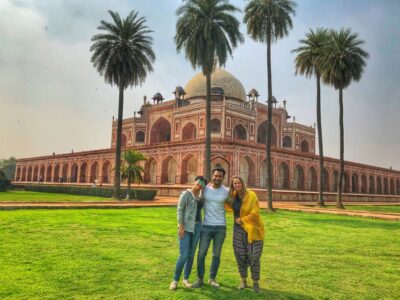 ★ 4.9Old and New Delhi Private Full or Half-Day TourTickets from $23,776 traveller reviews
 ★ 5.0Full Day Taj Mahal, Agra Fort & Baby Taj Tour from Delhi by CarTickets from $623,647 traveller reviews
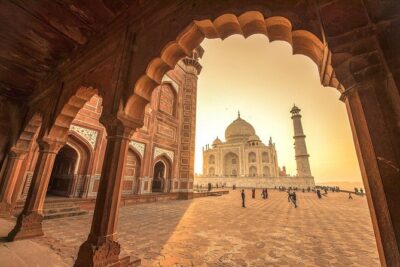 ★ 4.9From Delhi: Taj Mahal & Agra Private Day Trip with TransfersTickets from $43,181 traveller reviews
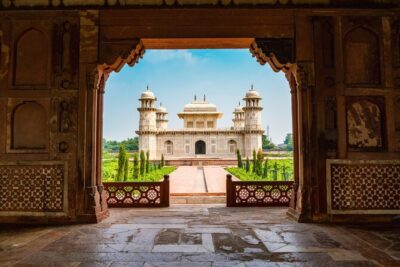 ★ 5.0Taj Mahal Tour from Delhi by Express Train (Viator Award Winner)Tickets from $752,849 traveller reviews
 ★ 5.0All Inclusive Private Taj Mahal Luxury Tour from Delhi by CarTickets from $622,564 traveller reviews
More useful Delhi routes