
Review · DELHI CITY TOURS
Authentic Indian Cooking Class with Jyoti in Delhi
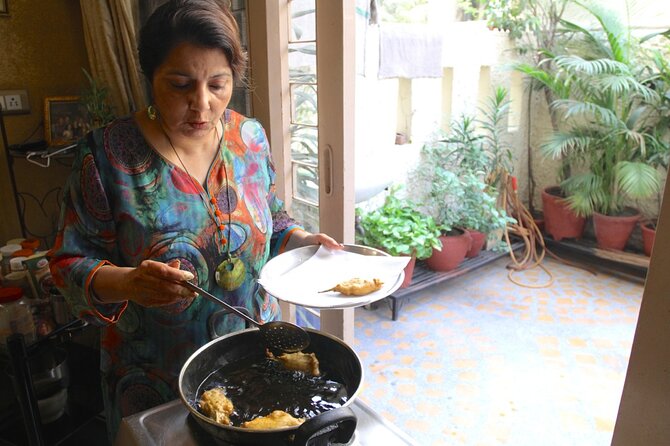
Cooking with Jyoti feels like visiting family. In a 4-hour class in New Delhi, you learn North Indian traditions and practical thali-style techniques you can repeat at home, not just watch. The one thing to plan for is that private transportation is not included, so you’ll rely on public transit to reach the start point.
I like that this experience stays small, max 10 people, so Jyoti can slow down when you have questions. I also like how the focus goes beyond flavor into food culture, including holistic healing ideas that show up in Indian cooking habits. A small drawback to consider is that the experience can be customized, but you should confirm your dietary needs early so the menu choices truly match what you want.
If you’re doing India in phases, this is a smart early booking. Once you learn the building blocks in Delhi, the rest of your trip makes more sense, from spices to street snacks to restaurant sauces.
Key Things That Make This Cooking Class Worth Your Time
- Small group size (up to 10) helps you get real attention while you cook
- Family-style North Indian dishes with techniques you can repeat at home
- Thali-style eating so you taste the meal as Indians do, not as separate plates
- Holistic healing themes such as homeopathy, woven into what goes in the food
- Dietary flexibility reported by past participants, including vegan options
North Indian Cooking With Culture, Not Just a Recipe List
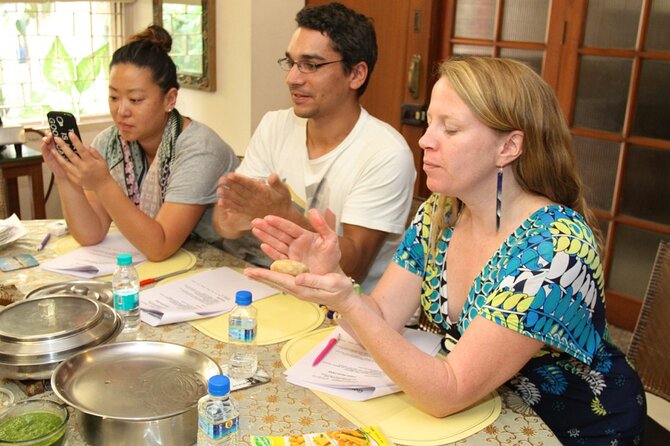
A good cooking class teaches you what to do. A great one teaches you why it works. This one does both. Jyoti’s approach is centered on traditional North Indian home cooking, meaning you learn the method behind the taste: spice layering, texture control, and how Indian meals are built as a balanced set rather than one dish that gets all the attention.
What makes it especially useful is the cultural framing. You’re not only cooking dinner. You’re also hearing how food habits connect to daily life and beliefs around wellness. The experience specifically highlights holistic healing as an important part of Indian cuisine, and one commonly mentioned theme is homeopathy. You may not end up using every tradition at home, but you’ll understand where these food ideas come from and why people treat certain ingredients differently.
The thali element matters too. A thali is how Indian meals often come together, with multiple components that hit different tastes and textures. You get the chance to cook and then eat in that style, so you taste the full logic of the meal rather than one standalone recipe.
One practical upside: this is ideal for the first half of your trip. When you later eat in Delhi and beyond, you’ll recognize spice combinations and techniques faster, which makes the whole country feel less random and more connected.
You can also read our reviews of more cooking classes in New Delhi
From Gourmet Desire to Jyoti’s Kitchen: What the 4 Hours Feels Like
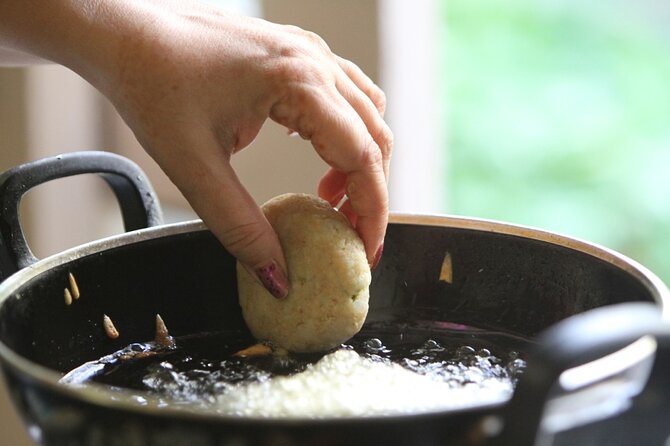
The experience runs about 4 hours and ends back at the meeting point, so you don’t have to plan extra time afterward. You start at Gourmet Desire Pocket C, Sheikh Sarai Phase 1, Sheikh Sarai, New Delhi, Delhi 110017, India. The listing notes that it’s near public transportation, which is important because private transportation isn’t included.
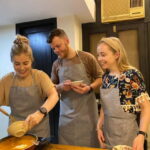
Once you link up with the group, the class rhythm usually goes like this: a warm greeting with tea (chai), a quick orientation to ingredients and what you’ll cook, then hands-on cooking at Jyoti’s home. There’s time for interaction and questions, and the small group size helps a lot if you’re a slower cook or you’re the type who wants to understand each step.
A key detail you should like, especially if you’re new to Indian cooking: you’re taught techniques meant to be replicable. That means you’re not just copying a single recipe. You’re learning how to handle common Indian kitchen steps such as grinding and preparing spice mixtures, building flavors with aromatics and spices, and balancing seasoning across the different parts of the thali.
If you’ve ever taken a cooking class where you felt rushed, this setup is designed to feel more like a guided evening. Snacks, bottled water, coffee and/or tea, plus soda/pop are included, so you’re not constantly hunting down drinks or paying extra for basic refreshment.
Choosing Dishes: Customization That Actually Changes What You Cook
The class is described as customizable, and that matters because Indian cooking is big. If you love vegetarian food, you should be able to build a menu around it. If you avoid certain ingredients due to health or personal reasons, you’ll want to ensure your class choices reflect that.
Past participants specifically praised Jyoti for accommodating sensitivities and for tailoring the class for vegan cooking. That tells you something important about the value: you’re not locked into a single fixed menu that might be perfect for someone else. You can end up cooking dishes that match your diet and your comfort level.
You’ll likely get guidance on how to adapt ingredients based on what’s available back home. In a country as spice-driven as India, that ability is huge. Many people struggle after cooking classes because they can’t find the exact spice blend or fresh ingredient they used during the lesson. Learning substitutions is the difference between a fun night and a skill you keep using.
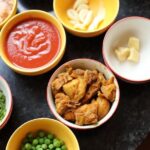
From the dishes that have been shared in past versions of the class, you might see options like cauliflower dishes, green chutney, chai tea as part of the experience, chana masala, and richer plates like butter chicken. Even if your exact set differs, the pattern is consistent: you cook multiple components that belong together, and you learn how each component changes the final meal.
Making a Thali-Style Meal You Can Recreate at Home
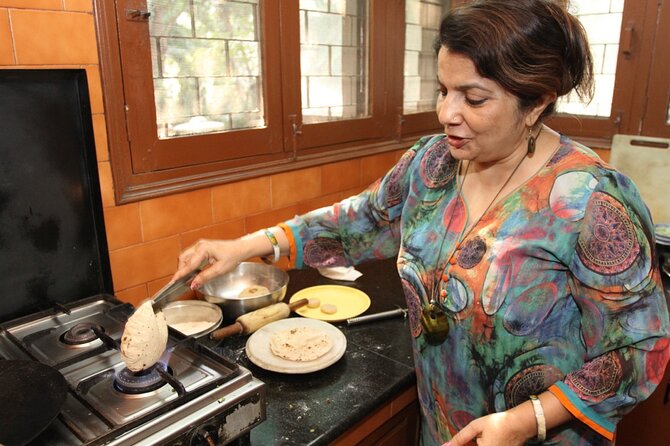
If there’s one reason to choose a thali-focused class, it’s that thalis train your taste judgment. You start thinking in terms of balance: spicy versus cooling, tangy versus creamy, and something crunchy or fresh alongside something warm and hearty.
In this experience, you cook then eat the meal in typical Indian thali style. Practically, that changes your results when you recreate it later. You’re not just memorizing one main dish. You’re learning how chutneys, sides, and sauces interact to create a complete plate.
The method teaching is also the part that helps you repeat the food. When a class focuses on steps and technique, you can keep the outcomes even if you tweak the ingredients. For example, if you learn how Jyoti builds flavor layers in a sauce base, you can adapt that base to new vegetables or a different protein later.
One more practical advantage: you get to observe how an Indian meal is served and eaten. That sounds small, but it affects how you portion, plate, and time your cooking. Many home cooks mess up Indian meals at home simply because they don’t coordinate components, then everything tastes separate. Here, you feel the meal as a system.
And yes, the food is the point. Past participants called it delicious and emphasized the quality of the chutneys and the overall meal. For me, that matters because a class is only as useful as the results you’re eating at the end.
Spices, Ingredients, and Wellness Ideas Like Homeopathy
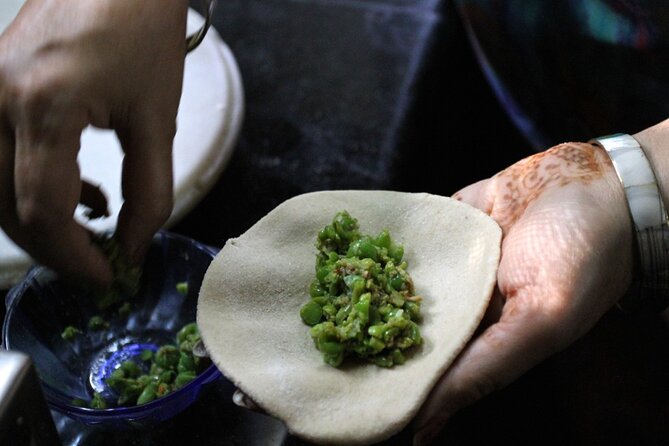
Indian cooking lives in ingredients. Not just the spices, but the logic behind why certain ingredients show up together. This class is built around that kind of ingredient thinking.
The experience description explicitly mentions holistic healing as part of Indian cuisine, and homeopathy is specifically brought up in at least one way the class has been structured. That doesn’t mean you need to be a homeopathy believer to appreciate the conversation. What you gain is context: why people might choose certain ingredients, how they interpret wellness, and how food becomes tied to routines.
Spices and grocery knowledge are also part of the learning. Some versions of the experience include time around food ingredients and spice shopping stops. Even when you do not do a market-style start, the class still focuses on explaining ingredients for the dishes you cook. That kind of ingredient breakdown makes it easier to buy the right items later instead of guessing.
If you’re the type who wants to understand what you’re tasting, this is a strong match. You’ll likely get explanations of what each spice contributes and how those contributions show up in finished flavor. Then you cook it, taste it, and see the effect immediately, which is how learning sticks.
More New Delhi tours and experiences for the shortlist




Price in Context: Is $62.25 Good Value for Delhi?
At $62.25 per person, this isn’t a budget meal. It is also not a luxury chef tasting experience. It’s a midrange price for a small-group, hands-on cooking class with included lunch, drinks, and snacks, plus recipe guidance.
To judge value, look at what’s included:
- Lunch (and you’ll be eating in thali style)
- Soda/pop, bottled water
- Coffee and/or tea
- Snacks
- A small-group setting (max 10)
That package matters because classes like this often force you to pay separately for transport, beverages, and food. Here, a lot of that is already covered. The big catch is the one thing you should not ignore: private transportation is not included. If you have to take multiple taxis to get there and back, your real cost goes up.
Still, the value improves if you plan transit well. The meeting point is near public transportation, and the experience ends back at the meeting point. If you’re already using Metro and local transit during your Delhi days, you can keep this within a reasonable overall budget.
Another value factor: the class is custom to requirements, including diet needs. That kind of flexibility is hard to find at fixed-menu cooking classes. If you can match your meal to your preferences, you get more enjoyment and better take-home learning.
Who This Cooking Class Suits Best (And Who Might Skip It)
This class is a good fit if you want more than entertainment. You should book it if you like:
- Learning practical cooking technique, not just watching someone else cook
- Eating what you make in a coherent Indian meal structure (thali style)
- Understanding Indian food culture through ingredients and wellness ideas
- Cooking with customization, especially for vegetarian or vegan preferences or food sensitivities
It can be a less ideal fit if you:
- Hate group settings and want a fully private class (the group can be up to 10)
- Have strict dietary needs and want a guaranteed fixed menu with zero discussion (the class is customizable, but you should plan ahead)
- Don’t want to handle transit to the meeting point, since private transportation isn’t included
If you’re traveling with a friend or small group, the small size is even better. If you’re solo, this kind of class can be a great social angle because you’ll cook at the same rhythm as everyone else and share the meal together.
Final Call: Should You Book With Jyoti and Gourmet Desire?
My take is simple. Book this if you want a Delhi experience that pays off later in your kitchen. The promise here is not just a nice dinner. It’s technique learning, thali-style meal structure, ingredient understanding, and cultural context tied to wellness ideas.
It’s also a smart choice early in your trip, when you most need help making sense of what you’re eating. Once you’ve handled spices and seen how the meal components work together, you’ll eat the rest of India with sharper instincts.
Book it with one caution in mind: plan your transit to the meeting point and confirm your dietary requirements early. If you do those two things, you’ll likely end up with recipes you can actually use, plus a memorable evening in a real home setting.
FAQ
How long is the Indian cooking class with Jyoti?
It runs for about 4 hours.
What is included in the price?
The experience includes lunch, soda/pop, bottled water, coffee and/or tea, and snacks.
Where does the experience start and end?
It starts at Gourmet Desire Pocket C, Sheikh Sarai Phase 1, Sheikh Sarai, New Delhi 110017, India, and ends back at the meeting point.
Is private transportation included?
No. Private transportation is not included, so you should plan on getting there using public transportation.
How big is the group?
The maximum group size is 10 travelers.
Can the class be customized for dietary needs?
Yes. The experience can be customized based on your requirements.
When will I get confirmation?
Confirmation is received at the time of booking.
What is the cancellation policy?
You can cancel for a full refund if you cancel up to 24 hours in advance. If you cancel less than 24 hours before the start time, the amount paid will not be refunded.
More Workshops & Classes in New Delhi
More Cooking Classes in New Delhi
More Tour Reviews in New Delhi






Not for you? Here's more nearby things to do in New Delhi we have reviewed











More Delhi City Tours to consider.
 ★ 5.0Old & New Delhi City Tour – Half or Full Day Options AvailableTickets from $384,811 traveller reviews
 ★ 5.0Same Day Taj Mahal, Agra Fort & Baby Taj Tour from Delhi by CarTickets from $624,304 traveller reviews
 ★ 5.0Taj Mahal Day Tour from Delhi by Superfast Train – TOP RATED TOURTickets from $1004,166 traveller reviews
 ★ 4.9Old and New Delhi Private Full or Half-Day TourTickets from $23,776 traveller reviews
 ★ 5.0Full Day Taj Mahal, Agra Fort & Baby Taj Tour from Delhi by CarTickets from $623,647 traveller reviews
 ★ 4.9From Delhi: Taj Mahal & Agra Private Day Trip with TransfersTickets from $43,181 traveller reviews
 ★ 5.0Taj Mahal Tour from Delhi by Express Train (Viator Award Winner)Tickets from $752,849 traveller reviews
 ★ 5.0All Inclusive Private Taj Mahal Luxury Tour from Delhi by CarTickets from $622,564 traveller reviews
More useful Delhi routes