
Review · DELHI CITY TOURS
Old Delhi through the Hidden Alleys Walking Tour
Old Delhi is a living maze. This Hidden Alleys Walking Tour helps you read Shahjahanabad like a map, connecting the Mughal-British power struggle to the streets you walk today, and you do it at a real human pace. I especially like the chance to try street food and the way the guide ties history to places, not just dates.
The only real catch I’d flag is that Jama Masjid entry has a separate fee, and the route includes narrow lanes where you feel the city’s heat and crowds more than you would on a wide boulevard.
You’ll start near Asaf Ali Road by Turkman Gate, and the walk runs about four hours in the morning, ending back at the meeting point.
Key Points You’ll Care About
- A clear Shahjahanabad storyline that explains how Old Delhi formed the way you see it now
- Jama Masjid, the second largest mosque in India and closely tied to imperial life
- Chandni Chowk bazaars to Khari Baoli spice market for hands-on shopping energy and strong smells
- Street food tasting plus bottled water included, so you’re not scrambling mid-walk
- Narrow lanes that hint at older home life and everyday routines, not just monuments
- Private group format (up to 6), so you’re not wedged with strangers shoulder-to-shoulder
From Turkman Gate Into Shahjahanabad’s Gali World
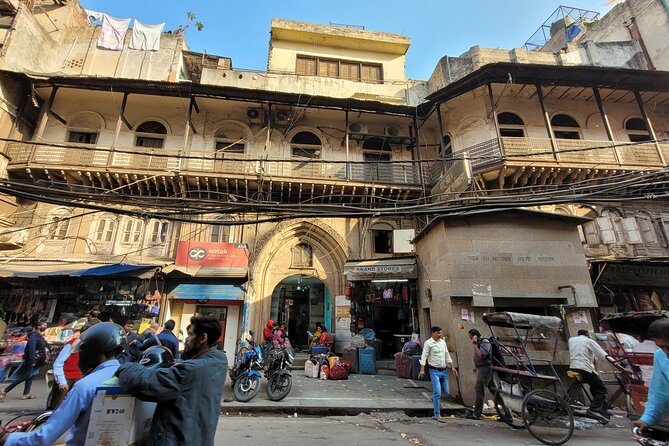
Old Delhi can feel like it’s speaking in a different language. The first thing this tour gives you is orientation, not just sights. You step into Shahjahanabad’s lane system, the gali maze where finding a landmark is less useful than following rhythm, sound, and crowds. It’s the kind of place where a good guide helps you keep your bearings fast.
I like that the walk isn’t built like a checklist. Instead, you’re gently coached to connect what you see with why it exists. The tour frames Old Delhi as the product of shifting power, including a dramatic Mughal to British era transition, and that theme keeps showing up as you move.
This is also where the private group format matters. With a maximum group size of 6, you get fewer bottlenecks and more time to ask questions without shouting over people traffic. It also helps on narrower sections, where you really do feel like you’re inside someone’s neighborhood, not inside a museum.
You can also read our reviews of more walking tours in New Delhi



Mughal to British Power, and Why It Still Shapes the Streets
The tour’s big theme is how Delhi changed when Mughal power gave way to British rule. You don’t need a lecture to understand the concept, because the guide’s job is to point out the city logic behind it. You’ll hear how Shahjahanabad, known today as Old Delhi, became a defining center of wealth and power in the 1600s, and how the later political shift left lasting marks on the way the city developed.
What you should take from this is practical. When you understand that Old Delhi grew under one power system and then got reshaped under another, it changes how you interpret street patterns and key landmarks. You stop thinking only in terms of famous buildings and start noticing how commerce, religion, and authority sit close together.
One word of caution: Old Delhi is emotionally intense. The atmosphere is the point, but it can be a lot if you want quiet sightseeing. If you’re the type who needs everything calm and spaced out, you might find the intensity harder than the itinerary itself. Still, if you come with flexibility, it’s an unforgettable way to understand the city as a living system.
Jama Masjid, Second Largest in India, and What to Look For
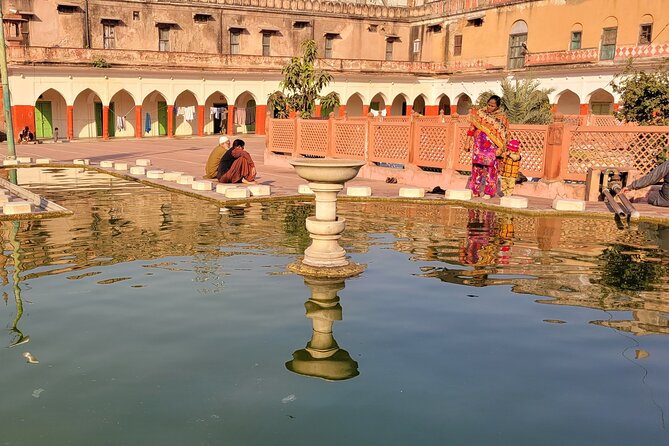
Jama Masjid is the centerpiece stop. This mosque is the second largest in India, and it also served as the mosque of the emperors. That detail matters, because it explains why this isn’t just a place for prayer, it’s also a statement of power and order.
When you arrive, the scale can be surprising. Even without standing still for long, you’ll notice how the space works. This is one of the reasons I think the guided approach helps here. If you arrive on your own, it’s easy to treat Jama Masjid as only a photo stop. With a guide, you’re more likely to notice the way the mosque anchors the surrounding area, including the flow toward the bazaars.
Practical note: the tour lists an entry fee to Jama Masjid as an extra cost. The tour includes the walking and guidance, plus bottled water and street-food tasting, but the mosque entry itself is separate. If you’re budgeting, plan on adding that per person.
Also, check your comfort level with crowds. Jama Masjid area energy can spike quickly, and you’ll still be walking through narrow surrounding streets afterward. Wear something you can move in, not your most delicate sightseeing outfit.
Chandni Chowk Bazaars and Khari Baoli Spice Market
After Jama Masjid, the tour shifts into the shopping spine of Old Delhi. You’ll pass through bazaars along Chandni Chowk and then head to Khari Baoli, famous for spices.
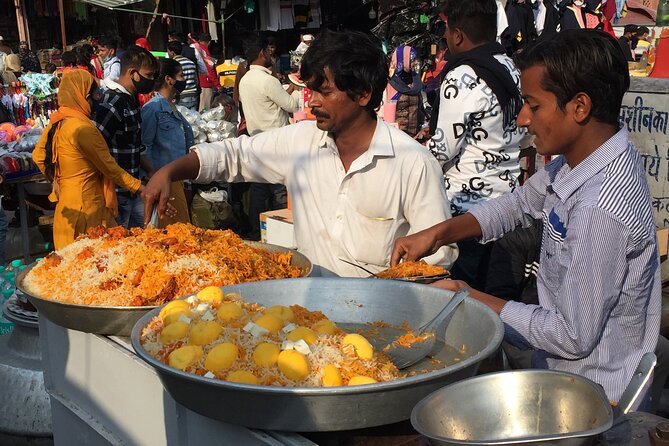
This is the section where the included tastings make the biggest difference. Street food in India is sometimes hard to judge from the outside, especially when you’re new to the flavors and the hygiene standards vary by stall. Having a guide who knows where to go reduces the guesswork. You get to sample, not just stare.
Khari Baoli is a sensory overload in the best way. Strong smells hit first, then the visual details take over, the mounds of spices, the ordering pace, the way people shop with purpose. Even if you don’t buy anything, it’s worth seeing how spices sit at the center of daily life.
One practical consideration: this is also where you’ll feel how hot Old Delhi can get in the morning, and where your plan for water matters. Since bottled water is included, it’s easier to keep going without stopping constantly.
If you’re a “buyers remorse” type, you can still enjoy this segment. Treat it as a learning stop. You’ll likely learn what spices are used for, how different markets specialize, and how everyday cooking ties back to these trading hubs.
Narrow Lanes That Show You Past Daily Life
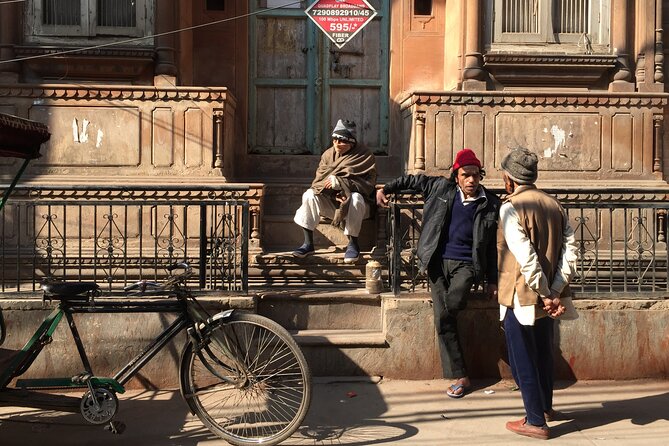
The final texture of the walk is the hidden alleys part. You’ll enter some narrow lanes that give you a sense of how older houses and neighborhood life were arranged. This isn’t about seeing a single historic building frozen in time. It’s about reading the layout: the closeness, the transitions between spaces, and how people live next to commerce and places of worship.
This is where I think the tour earns its name. Old Delhi’s famous sites can pull you into sightseeing mode. The alleys bring you back to neighborhood mode, where the city makes more sense as a daily experience rather than a postcard.
Based on what people say about the guide, you can expect stories that connect small details to the bigger history theme. Elena, the tour guide behind Elena and Delhi, is described as kind, professional, and especially good at explaining with precision. In plain terms, you’re less likely to wander past things thinking they’re random. Instead, you’ll get the “why” for what you’re seeing.
One drawback to keep in mind: narrow lanes can limit your options for pauses and rest. If you need frequent breaks or you’re sensitive to crowded spaces, go slower and ask for a moment when you need it. A private group setup makes those adjustments easier.






Street Food and Water, and How to Make It Comfortable
Street food is included, and bottled water is included. That combination sounds simple, but it affects your whole experience. It means you can sample without turning the walk into a constant hunt for snacks and hydration.
To make this work well, I’d suggest you arrive hungry but not starving. If you go in too empty, everything can feel overwhelming. If you arrive too full, you might not enjoy the tastings fully. A light breakfast is a good compromise.
Dress for moving in heat. Even if the walk is only about four hours, Old Delhi walking adds up. Stick to breathable clothing and comfortable shoes you trust on uneven ground. This is not a “casual stroll” style tour, it’s an active walk through a dense urban environment.
One more tip: bring a little cash or card buffer for the parts that aren’t included, especially Jama Masjid entry. You don’t want to slow down your group by scrambling at the gate.
Price, Group Size, and Whether It’s Good Value
The price listed is $121.35 per group, up to 6 people, for about four hours. That pricing model is often where the math gets interesting.
If you’re a solo traveler, you’re paying the group rate by yourself, so it can feel steeper than a per-person walking tour. But you get a private format, which can still be worth it if you want pace control and fewer crowd disruptions. Also, the guide is described as able to tailor the experience to what you care about, which tends to be more effective in a smaller group.
If you’re a couple or a small family, it can become a strong deal quickly. Split among friends or relatives, and suddenly you’re buying a guided route that includes street food tastings and bottled water, plus a focused narrative that ties together Old Delhi’s major landmarks: Jama Masjid, Chandni Chowk bazaars, and Khari Baoli.
One cost item to plan for: Jama Masjid entry is listed as ₹400 per person and is not included. Public transportation is listed separately as ₹200 per booking. So your real total depends on your group size and whether you need that transport add-on.
Still, even with extras, this kind of tour can feel efficient because it’s structured. You’re walking with context, not wandering without a framework in a place that can swallow time.
Who Should Book This Old Delhi Walk, and Who Might Not Love It
This tour is a great match if you want a guided way to experience Old Delhi’s most intense layers. It fits well for:
- First-time visitors who feel overwhelmed by the scale and chaos and want help getting oriented
- Couples or small families who want a private group pace
- People who care about how political change shows up in the city’s physical layout
It may be less ideal if you:
- Want a relaxed, low-traffic sightseeing day
- Get stressed by crowded areas and narrow lanes
- Don’t want any separate fees added for major sites like Jama Masjid
The good news is that the walk is only about four hours. You can experience a lot without committing to a full day of intense walking.
Booking Advice: How to Get the Most From This Tour
If you book, show up with two things in mind: your curiosity level and your comfort level.
Your curiosity level matters because Old Delhi rewards questions. Ask about the Mughal-British story in everyday terms. Ask what you should notice as you move from Jama Masjid toward the bazaars and spice market. The better your questions, the more your guide can connect the dots.
Your comfort level matters because narrow lanes and crowds are part of the deal. Wear comfortable shoes, plan for heat, and expect you’ll move more than you would on a drive-and-stop tour.
Language is another practical consideration. The guide Elena is repeatedly described as an Italian guide in the feedback you provided, so if Italian is your main language, that’s a real advantage. If you need another language, you’d want to confirm before booking.
Should You Book This Hidden Alleys Walking Tour?
Yes, if you want Old Delhi to make sense quickly. This is the kind of tour that helps you walk through Shahjahanabad with a narrative in your head: Mughal-era power, the later British reshaping, Jama Masjid as a central anchor, then Chandni Chowk bazaars and Khari Baoli spices as the pulse of daily life.
I’d book it if you like guided street-level history and practical sightseeing, especially with a private group of up to 6. I’d pause before booking if you need a calm route or you dislike extra site fees, since Jama Masjid entry is not included.
If you want Old Delhi as more than photos, this one is worth your morning.
FAQ
How long is the Old Delhi through the Hidden Alleys walking tour?
It runs for about 4 hours.
Where does the tour start and where does it end?
It starts near Asaf Ali Road, Turkman Gate, Chandni Chowk, Delhi, India, and ends back at the same meeting point.
What is included in the price?
The tour includes a taste of street food and bottled water.
What extra costs should I expect?
Public transportation is listed as ₹200 per booking, and entry fee to Jama Masjid is listed as ₹400 per person. These are not included.
What is the group size and tour format?
It is a private tour/activity, and the price is per group for up to 6 people.
When does it run, and what happens if the weather is bad?
The listed opening hours show Monday from 8:00 AM to 12:30 PM. The experience requires good weather, and if it is canceled due to poor weather, you are offered a different date or a full refund.
More Walking Tours in New Delhi



More Tours in New Delhi



More Tour Reviews in New Delhi
Not for you? Here's more nearby things to do in New Delhi we have reviewed










More Delhi City Tours to consider.
 ★ 5.0Old & New Delhi City Tour – Half or Full Day Options AvailableTickets from $384,811 traveller reviews
 ★ 5.0Same Day Taj Mahal, Agra Fort & Baby Taj Tour from Delhi by CarTickets from $624,304 traveller reviews
 ★ 5.0Taj Mahal Day Tour from Delhi by Superfast Train – TOP RATED TOURTickets from $1004,166 traveller reviews
 ★ 4.9Old and New Delhi Private Full or Half-Day TourTickets from $23,776 traveller reviews
 ★ 5.0Full Day Taj Mahal, Agra Fort & Baby Taj Tour from Delhi by CarTickets from $623,647 traveller reviews
 ★ 4.9From Delhi: Taj Mahal & Agra Private Day Trip with TransfersTickets from $43,181 traveller reviews
 ★ 5.0Taj Mahal Tour from Delhi by Express Train (Viator Award Winner)Tickets from $752,849 traveller reviews
 ★ 5.0All Inclusive Private Taj Mahal Luxury Tour from Delhi by CarTickets from $622,564 traveller reviews
More useful Delhi routes