
Review · FOOD & DRINK
Online: Indian Food Cooking Class
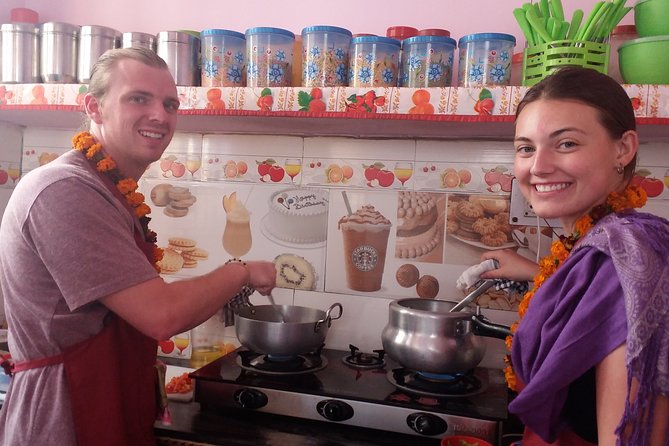
Spices, recipes, and a full meal online. This small-group Indian cooking class brings a personal touch from New Delhi, with an instructor guiding you through curry, rice, and bread right in your kitchen. You get focused help, plus the comfort of following along without leaving home, while the kitchen fills with the aroma of Indian spices.
I especially like that you receive recipes and an ingredients list as part of the class prep, so you can cook with less guessing. I also love the practical tips and techniques for core skills, like kneading dough and rolling chapattis, not just a list of dishes.
One thing to plan for is timing: the lesson runs on Indian Standard Time, so you’ll want to tally the schedule to your local clock before you book.
Key highlights at a glance
- Small group, up to 10 people: more direct guidance during the cooking steps
- Shared recipes and ingredient lists: set yourself up before you start cooking
- Hands-on bread skills: kneading dough and rolling chapattis in a short session
- Classic meal building blocks: curries plus rice and Indian bread
- Vegetarian or vegan customization: you can adjust the menu to match your needs
- Mobile ticket: simple, on-demand access for the experience
Why this class feels personal, even from your kitchen
This isn’t one of those “watch someone cook, good luck” setups. The class format is designed for personalized attention in a group of up to 10, which matters because Indian cooking is picky in small ways. Heat level, dough texture, and spice balance can swing a dish fast. When you can ask questions and get guidance during the process, the whole experience clicks.
Another reason I’d recommend it is the structure. You’re not just learning recipes, you’re learning how to think like a cook for Indian food at home. The instructor’s job is to help you go from ingredients to results with clear, usable steps. That is what turns a cooking class into something you can actually repeat.
You can also read our reviews of more food & drink experiences in New Delhi


The 2-hour flow: curries, rice, then chapatti you can roll
The class runs about 2 hours, so it has to be efficient. Expect it to move in a logical order that builds from savory foundations to bread skills, then finishes with a shared meal.
First, you’ll start with curries. You should come away knowing how to create a flavorful base and how to keep the curry moving toward the right taste and texture. Even if you already cook, curry technique is where many home cooks get stuck, because the timing and layering are different from most Western-style sauces.
Next comes rice. The focus is on making flavorful rice, with enough guidance that you can repeat it later. Rice is one of those areas where “a little off” can mean gummy or dry results. The lesson helps you connect what you do with what you get.
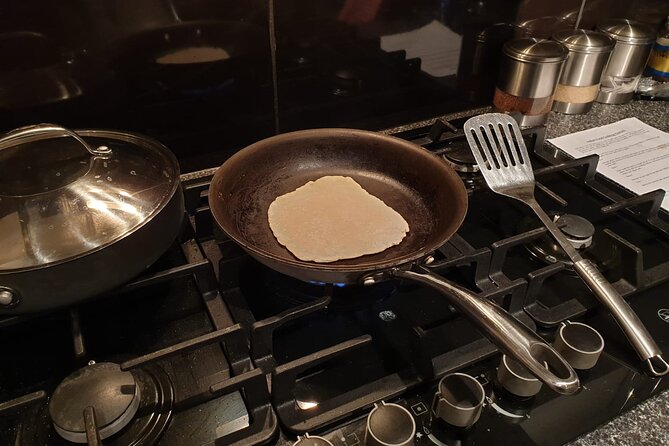
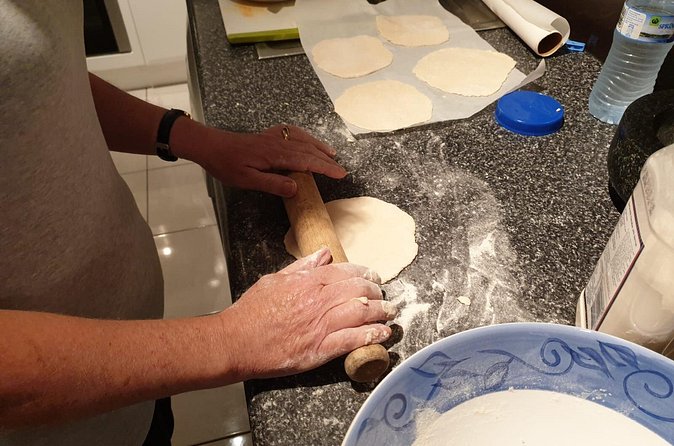
Then you’ll learn the bread portion. You’ll practice kneading dough and rolling chapattis, with the goal of making bread that works with your curries. This matters because chapatti is a skill, not just a recipe. The class is short, but the focus is on the steps that improve your results quickly.
Finally, you sit down for your handmade meal together. That part sounds simple, but it’s a big deal. Eating what you cooked is how you learn what “right” tastes like, so your next attempt gets easier.
What’s on the menu, and how veg or vegan changes the game
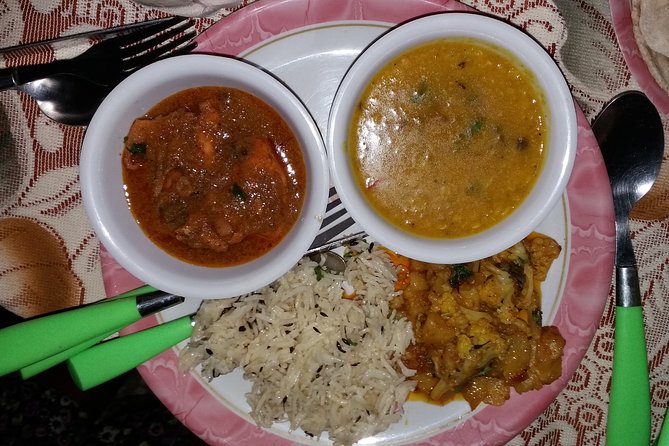
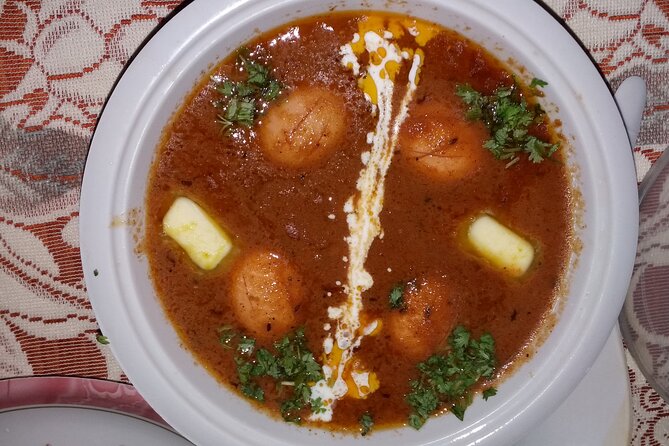
A typical menu includes chicken curry, plus Indian bread and rice. That’s a great anchor because chicken curry gives you a rich, classic benchmark for spice and cooking rhythm. If you prefer, you can also arrange vegetarian or vegan options, and the menu can be customized.
Here’s the practical value: switching to veg or vegan doesn’t have to mean losing flavor. In Indian home cooking, substitutions can still keep the spice profile and comfort factor. When the class lets you tailor the menu, you’re more likely to make something you genuinely want to cook again at home.
One more smart point: the class includes an easy-to-follow recipe you can take home. So even if you swap the main dish, you’ll still leave with a method you can run again.
Learn spices the usable way, not as a mystery
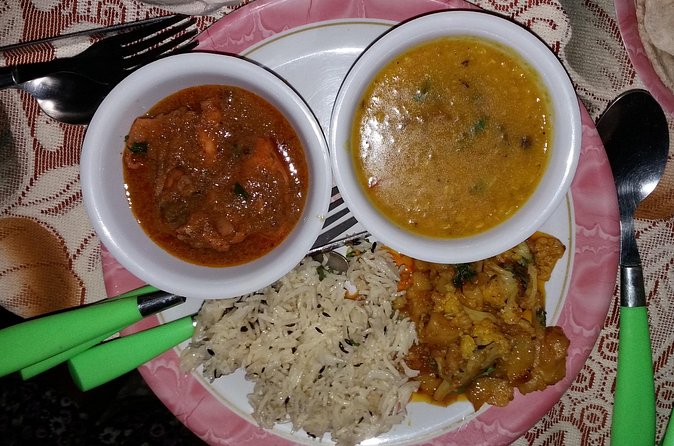
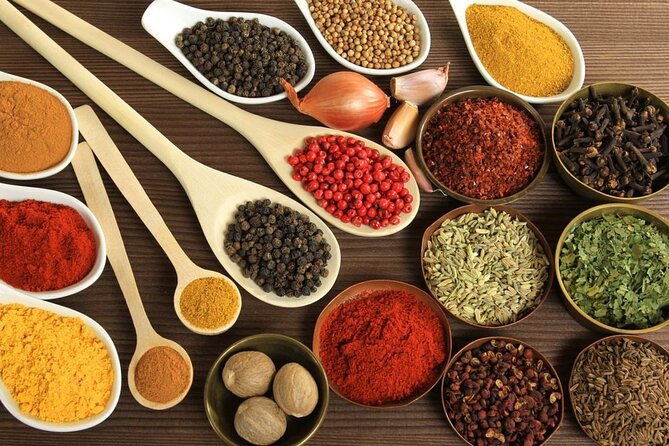
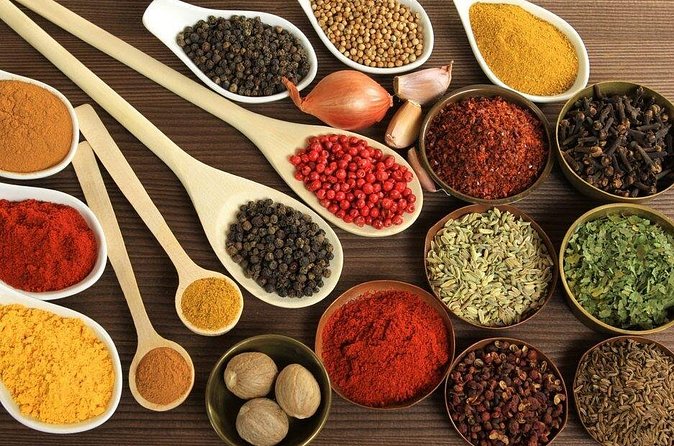
The biggest “aha” in this kind of class is understanding spices as tools, not just jar labels. The instructor approach is built around simple directions and repeatable techniques. And the reviews you can count on here consistently highlight learning a lot about Indian spices and getting delicious outcomes.
What that translates to for you is confidence. If you know what a spice is doing, you stop treating curry like a guessing game. You can adjust based on your pantry, your heat tolerance, and the texture you want.
Also, the class is designed to share guidance for shopping ahead of time. Since you’ll be given an ingredients list, you can plan your cooking with fewer last-minute scrambles. That alone makes the session feel more relaxed.
Timing is part of the recipe: Indian Standard Time matters
This is an online class, but time still matters. The schedule is based on Indian Standard Time, and you’re specifically asked to tally to your local country’s time before booking.
Do not treat that as a small detail. Indian cooking is hands-on, and the steps move along. If you show up thinking it starts later (or earlier) in your time zone, you’ll miss parts of the timing that help curry and dough turn out well.
If you’re unsure, the experience notes that you can contact them via message to confirm. I recommend you do that if you’re traveling or you have a complicated schedule that day.
More New Delhi tours and experiences for the shortlist





You’ll get take-home recipes and ingredient lists, and that’s the real payoff
A lot of classes end when the session ends. This one gives you more. You receive recipes and an ingredients list shared with you, plus an easy-to-follow recipe you can take home at the end.
For me, that is the difference between a fun night and a skill you keep. A good recipe is not just a list of steps, it’s a roadmap you can reference when you’re tired and cooking from memory. With take-home instructions, you can make the dishes again without needing to remember every small action.
Here’s how to use the materials well. Read the recipe before class so you know what you’ll be aiming for. Then during class, treat your notes as checkpoints, not as distractions. After class, cook again soon while the flavors and motions are still fresh.
Group size, attention, and what you should prepare
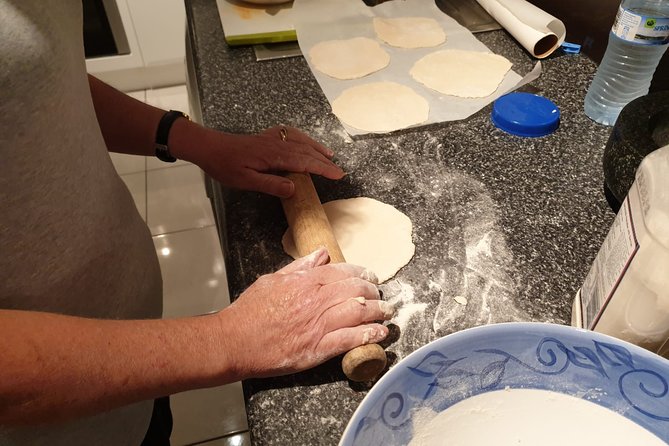
Because the class is capped at 10 travelers, you should expect a more guided pace than a larger format. Personalized attention is explicitly part of the experience, and it matters most when you’re learning kneading dough and rolling chapatti. Small changes in technique can make a big difference, and it’s easier to correct when you’re not lost in a crowd.
As for what to have ready, the course relies on the ingredients and recipes they share with you. So your best move is to prep your kitchen before class starts. Have your listed ingredients ready, set up your cooking space, and clear enough counter room to roll dough comfortably.
Also, make sure you know your connection and device setup before the lesson begins. The experience uses a mobile ticket, and you’ll want everything accessible when the class starts.
Price and value: $30.53 per group for up to 10
Let’s talk value honestly. The price is listed as $30.53 per group (up to 10), which means the cost scales with how many people join you. If you’re booking solo, the per-person value is less dramatic. But if you’re joining with family or friends, it can become a bargain for a real cooking session with tailored guidance.
It’s also booked about 56 days in advance on average, which suggests people like to plan this as a specific activity, not a last-minute whim. That’s a good sign, because cooking classes tend to be better when you can shop ahead and practice scheduling.
For what you get, I think it’s a fair trade: a structured 2-hour lesson, shared recipes and ingredients lists, recipe take-home material, and the chance to learn key techniques like chapatti dough handling. If you want Indian cooking skills you can repeat, this pricing makes sense.
Who this is best for, and who might want to skip
This is a great fit if you:
- Want to learn chapatti skills you can do at home, not just eat out
- Appreciate clear instructions and prep support through recipes and ingredient lists
- Prefer a class with personalized attention and a small group size
- Need vegetarian or vegan options that can be arranged
- Want a cooking activity that works even if you cannot travel in person
You might think twice if:
- You cannot reliably adjust to Indian Standard Time
- You are not able to do hands-on cooking during a short, structured 2-hour session
- You want a deep tasting tour experience rather than a step-based cooking lesson (this is focused on cooking techniques and meal-making)
Should you book this Indian cooking class?
If you want a practical, repeatable way to cook Indian food from home, I’d say yes. The strong points are the small-group attention, the shared ingredients and recipes, and the focus on techniques like kneading dough and rolling chapattis. Add in the ability to customize for vegetarian or vegan, and you get a class that can match your real life and preferences.
Book it if you’re willing to plan around Indian Standard Time and shop using the ingredient list. Skip it only if time-zone timing will likely be a problem or you don’t want an interactive, hands-on session.
FAQ
Where does the experience take place?
The experience starts in New Delhi, Delhi, India and ends back at the meeting point. The class itself is an online experience.
How long is the online Indian food cooking class?
It lasts about 2 hours (approx.).
How much does it cost?
The price is $30.53 per group, for up to 10 people.
How big is the group?
The activity has a maximum of 10 travelers.
Do I get a mobile ticket?
Yes. The experience includes a mobile ticket.
Can the menu be vegetarian or vegan?
Yes. The menu can be customized for vegetarian or vegan options.
What time zone is the class scheduled in?
The time and date are according to Indian Standard Time. You should tally to your local time before booking.
Is confirmation provided after booking?
Yes. Confirmation is received at time of booking.
Can I cancel for a full refund?
Yes, you can cancel for a full refund if you cancel at least 24 hours in advance of the experience start time. Within 24 hours, the amount paid is not refunded.
More Food Experiences in New Delhi
More Food & Drink Experiences in New Delhi
More Tour Reviews in New Delhi






Not for you? Here's more nearby things to do in New Delhi we have reviewed










More Food & Drink to consider.
 ★ 5.0The Great Indian Food Tour: Old Delhi Food and Heritage WalkTickets from $431,698 traveller reviews
 ★ 5.0Old Delhi Food, Heritage&Cultural Walk with Rickshaw ride to Masterji Kee HaveliTickets from $52742 traveller reviews
 ★ 5.0Old Delhi Street Food TourTickets from $40497 traveller reviews
 ★ 4.9Old Delhi Street Food Tour with Rickshaw RideTickets from $43403 traveller reviews
 ★ 5.0Delhi Food Walk: Rickshaw Ride, Street Eats & Market TourTickets from $40401 traveller reviews
 ★ 4.9Old Delhi: Private Tour of Chandni Chowk, Tuk Tuk & FoodTickets from $70345 traveller reviews
 ★ 5.0Old Delhi Street Food Tour – Explore Spices in Chandni ChowkTickets from $34334 traveller reviews
 ★ 5.0Old Delhi Food Tour: A Night Time FeastTickets from $38326 traveller reviews
More useful Delhi routes