
Review · DELHI CITY TOURS
Small- Group Delhi Slum Walking Tour
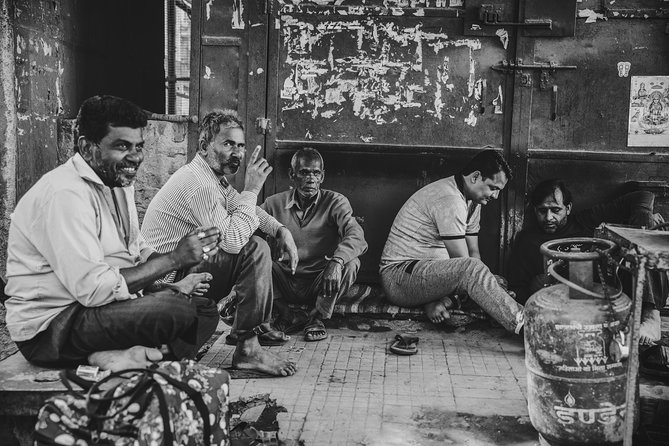
One of Delhi’s hardest streets teaches the most. This small-group walk through Sangam Colony pairs hands-on community time with a visit to Pandav Nagar’s education and training spaces, all guided by locals. I love that you get a local guide who can explain daily life in context, not as a script.
I also like the tour’s focus on practical people-to-people contact, including a tea or cold drink stop that lets you sit and talk with a local family. A second plus is that it connects what you see on the walk with real ongoing work in the neighborhood.
The only real drawback to plan for is timing, since one experience noted a late start and some early confusion around the guide. If you’re the type who hates waiting, give yourself a little buffer and keep expectations flexible at the beginning.
Key points to know before you go

- Max 9 people means you can actually ask questions and keep things human-sized.
- Sangam Colony sits along railway tracks, so you may get brief views of Indian Railways passing by during the walk.
- Pandav Nagar includes an educational and vocational training center, tying the neighborhood context to work in progress.
- Tea or cold drink with a local family is part of the experience, and it sets the tone for respectful conversation.
- Most of the money supports local efforts, with 80% of proceeds benefiting a local non-profit organization, plus chances to support community businesses like a fruit market.
Why this Sangam Colony walk feels different from a quick sightseeing stop

Delhi has a way of pulling you toward monuments, big roads, and picture-perfect facades. This tour nudges you off that track, into the everyday world of Sangam Colony and Pandav Nagar. You’re walking through an informal settlement, with residents and community spaces you can see up close.
What makes it feel different is the structure. You are not just passing by homes. You’re getting a guided explanation of the socioeconomic context behind what you’re seeing, plus a visit to an educational and vocational training center that shows where support is going. That combination matters, because it turns a walk into a fuller understanding of how people are coping, learning, and working.
You can also read our reviews of more walking tours in New Delhi



Price and group size: what you get for about $23
At $23.47 per person for a 2 to 3 hour experience, you’re paying for more than movement and a guide. You’re paying for access to private conversations and community spaces that would be hard to arrange on your own, plus the chance to contribute directly to local projects.
The group size is part of the value equation. With a maximum of 9 travelers, the guide can slow down and answer questions instead of herding the group forward. In a setting like this, small-group pacing helps you stay respectful and present, instead of feeling like you’re watching from behind a crowd.
And there’s a clear “where the money goes” piece: 80% of proceeds benefit a local non-profit organization. That doesn’t erase the fact that you’re seeing difficult realities, but it does mean your ticket supports ongoing local work rather than disappearing into generic tourism overhead.
Where the tour starts near Shadipur, and how the route flows

The meeting point is Main Patel Rd, Block B, Baljit Nagar, Shadipur, New Delhi, Delhi 110008, India. The tour ends back at the same meeting point, so you’re not left guessing about your return.
Plan for roughly 2 to 3 hours. The pacing is split across three main moments: first a guided look around Pandav Nagar, then time walking through Sangam Colony along both sides of the railway track, then a visit to the educational and vocational training center back in Pandav Nagar. It’s long enough to feel like you actually stepped into the neighborhood, but short enough that you can still do other Delhi sights the same day.
Because there’s no hotel pick-up, you’ll want to arrive with enough time to locate the group at the meeting point. The good news is that the start location is near public transportation, which makes it easier to build into your day without turning it into a logistics headache.
Stop 1 in Pandav Nagar: rail-track views, local industries, temples, and fruit markets
Stop 1 is your introduction to Pandav Nagar, a small slum area in West Delhi that includes sections on both sides of the railway track. This matters because the physical layout shapes everyday life. You’ll get a sense of how people organize around limited space, proximity to transit noise, and nearby work opportunities.
You can expect the guide to point out the neighborhood’s different industries and local spaces, including temples and fruit markets. These aren’t side details. They explain how people build routine and community even when resources are constrained.
One of the most practical parts here is that you may get quick moments to watch Indian railways passing by. That’s not just a visual bonus. It helps you understand the rhythm of the area. Trains are part of the background, part of the daily environment, and it gives you a real-time feel for the setting.
The potential drawback at this stop is also practical: this is still a walking experience in real local terrain. You’ll want to keep your phone away when people are actively talking, and watch your footing. If you’re expecting a paved, smooth stroll like a city center mall route, you may feel the difference.
Stop 2 in Sangam Colony: seeing an informal settlement on foot
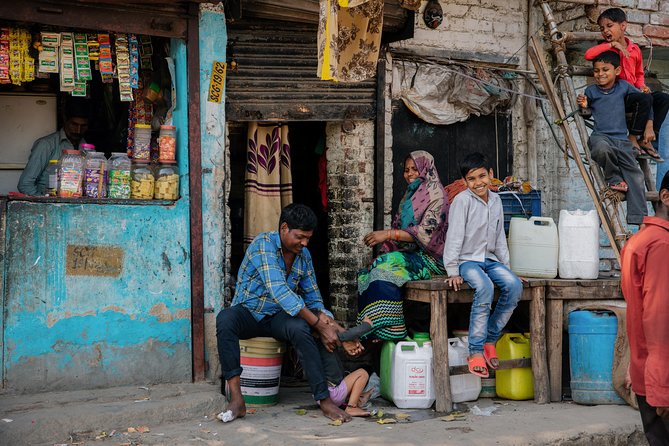
Stop 2 is Sangam Colony, described as a small slum built on both sides of the railway track. This is the portion that often makes people pause, because you’re not looking at a distant view from a viewpoint. You’re walking alongside homes and everyday activity.
The time here is about 30 minutes, which is brief enough to keep the experience manageable, but long enough for real conversation. The guide’s role becomes more important at this stage. A good local guide helps you avoid turning your questions into stereotypes. They steer you toward learning, not gawking.
If you want this to be a positive experience, focus on listening. Ask questions that start with context, like what the neighborhood is like day to day, and what community changes people are hoping for. The point is to understand how life works here, not to collect shock value.
A note to consider: because Sangam Colony is an informal settlement, comfort levels can vary. Even if the tour is organized and designed to be safe, you should expect conditions that feel more everyday than touristy. That is part of the authenticity, but it means you should pack with practicality in mind.






Stop 3 in Pandav Nagar: the educational and vocational training center
Stop 3 takes you to the educational and vocational training center run in Pandav Nagar. This is the part that changes the story from only survival to learning and opportunity.
The tour includes a visit to this center for about 25 minutes. That time gives you a chance to see how the community is supporting education and skills development, not just responding to emergencies. It’s also where you can ask more focused questions about what programs exist and how support helps.
This stop is especially valuable if you’re the kind of visitor who hates vague “feel-good” charity tours. Instead of only showing you hardship, this adds an outcomes angle. You’re seeing local projects tied to education and vocational training, which is where long-term change often starts.
The tea or cold drink break with a local family, and how to make it respectful
The tour includes cold drinks and options like black tea or milk tea. There’s also an optional tea break with a local family, which is where the experience shifts from walking and looking to sitting and talking.
What I like about this part is the chance to slow down. You’re not just passing through; you’re sharing a small moment. A guide from the same area helps you navigate conversation with warmth and boundaries, which matters a lot in places where privacy and dignity are not theoretical concepts.
When you sit for tea, keep it simple. Ask about daily life, what people enjoy, and what they hope for the future. If someone shares something personal, treat it as a gift, not as content for your social feed. A good rule is to listen with your whole attention, then respond with gratitude.
One small caution from the overall experience design: this tea stop is part of what builds trust, so it’s best not to treat it like an optional snack stop. Show up ready to engage, even if you feel awkward at first. Most of the magic here is plain human connection.
Guides from the area, including Sunny and Abhishek
This experience is led by a local guide from the same area. That is not just a credential. In a community-based setting, a local guide is what turns a walk into an explanation you can trust.
The names Sunny and Abhishek come up in guide-led experiences, and both are described as strong ambassadors for the community. One guide was noted for stepping in effectively when admin confusion happened, and keeping the group feeling safe and welcome. That kind of competence matters, because the first minutes set the emotional tone for the whole tour.
If you end up with a guide who asks you to move slowly, pause, or follow community cues, listen. Those instructions are usually about respect and safety, not about control. A good guide will help you avoid the classic mistake: treating people’s homes like a museum exhibit.
Safety, comfort, and what to wear for a 2 to 3 hour walk
The tour is designed so that most people can participate, and the experience is described as completely safe in provided feedback. That said, it’s still a neighborhood walk, and the terrain may not match what you’re used to in central Delhi.
Wear comfortable shoes with grip. Choose breathable clothing since you can spend time outside. Bring a light layer if you’re visiting during cooler parts of the day.
Also, be ready for weather to matter. The experience requires good weather, and if it’s canceled due to poor weather, you’ll be offered a different date or a full refund. That means you should plan the day with flexibility, or at least have a backup activity in your pocket.
How to get the value: what to ask and how to act
If you want this tour to be meaningful, go in with curiosity and basic humility. You are not there to judge. You are there to understand how people build life under pressure, and how community projects help.
I’d ask questions like:
- How does daily work fit into neighborhood life?
- What kinds of changes are people hoping for in the area?
- What does the educational and vocational training center do for local kids and adults?
And I’d avoid turning it into a sad-story competition. Let the guide set the tone. If you see someone doing something important, give them space. If a child is curious, a smile can help, but don’t crowd or reach out unless invited.
One more practical tip: since you’ll likely pass through busy areas and near markets and temples, keep your belongings secure. You don’t need paranoia, just normal common sense.
Who should book this tour, and who might not love it
This tour is a great match if you:
- want a more human, grounded side of Delhi
- care about community projects and education, not only photos
- prefer small-group conversations over big-group checklists
- feel motivated by learning and respectful engagement
It may be less ideal if you:
- get uncomfortable with seeing real poverty up close
- hate any chance of delays at the start
- want a purely sightseeing-style outing with minimal interaction
The key point is attitude. This isn’t about turning hardship into entertainment. The tour works best when you show respect, listen more than you talk, and let the guide guide.
Should you book this Delhi slum walking tour?
I think it’s a smart book for the right traveler. The small-group size, the local-guide approach, and the added visit to an educational and vocational training center create more depth than many “slum tours” that stop at viewing.
Also, the value is real. You’re paying a reasonable price for a focused 2 to 3 hour experience, with drinks included, and with a meaningful share of proceeds going to a local non-profit organization. Add in the chance to share tea with a local family, and you’ve got an experience that can leave you with more than surface memories.
Just go in prepared emotionally and practically. Comfortable shoes help. A flexible start time helps. Most of all, keep your goal simple: understand the community, support the work happening there, and leave with your questions answered by real people, not by assumptions.
If that sounds like your kind of travel, book it and plan the rest of your day calmly around it.
FAQ
How long is the Small-Group Delhi Slum Walking Tour?
It runs about 2 to 3 hours total, with time split across Pandav Nagar, Sangam Colony, and a visit to the educational and vocational training center.
What group size is this tour?
The maximum group size is 9 travelers.
Where do I meet for the tour?
You meet at Main Patel Rd, Block B, Baljit Nagar, Shadipur, New Delhi, Delhi 110008, India. The tour ends back at the meeting point.
Is hotel pick-up or drop-off included?
No, hotel pick-up and drop-off are not included.
What is included in the tour?
The tour includes visits to the center, slum areas, fruit market, temple, and local homes, plus a local guide and cold drinks or tea options.
What drinks are provided?
You can expect cold drinks as well as black tea or milk tea.
Do I need a printed ticket?
The tour uses a mobile ticket.
What is the cancellation and weather policy?
You can cancel for a full refund up to 24 hours in advance. The experience requires good weather, and if it’s canceled due to poor weather, you’ll be offered another date or a full refund.
Is the tour near public transportation?
Yes, the meeting point is near public transportation.
More Walking Tours in New Delhi



More Tours in New Delhi



More Tour Reviews in New Delhi
Not for you? Here's more nearby things to do in New Delhi we have reviewed











More Delhi City Tours to consider.
 ★ 5.0Old & New Delhi City Tour – Half or Full Day Options AvailableTickets from $384,811 traveller reviews
 ★ 5.0Same Day Taj Mahal, Agra Fort & Baby Taj Tour from Delhi by CarTickets from $624,304 traveller reviews
 ★ 5.0Taj Mahal Day Tour from Delhi by Superfast Train – TOP RATED TOURTickets from $1004,166 traveller reviews
 ★ 4.9Old and New Delhi Private Full or Half-Day TourTickets from $23,776 traveller reviews
 ★ 5.0Full Day Taj Mahal, Agra Fort & Baby Taj Tour from Delhi by CarTickets from $623,647 traveller reviews
 ★ 4.9From Delhi: Taj Mahal & Agra Private Day Trip with TransfersTickets from $43,181 traveller reviews
 ★ 5.0Taj Mahal Tour from Delhi by Express Train (Viator Award Winner)Tickets from $752,849 traveller reviews
 ★ 5.0All Inclusive Private Taj Mahal Luxury Tour from Delhi by CarTickets from $622,564 traveller reviews
More useful Delhi routes