
Review · GOLDEN TRIANGLE TOURS
Private Golden Triangle Tour 3 Night/4 Days
Golden Triangle moves fast, in a good way. This private 3-night, 4-day loop links Delhi, Agra, and Jaipur with door-to-airport pickup support and local guides, so you spend more time seeing and less time figuring out transport. It also traces the shift from British-era planning to Mughal grandeur to Rajputana style, all in one efficient circuit.
Two things I really like: first, the local guide in each city approach, because you get context that makes big monuments easier to read. In the feedback I reviewed, guides were singled out for being helpful, honest, and very punctual, including one guide named Vicki who handled Old Delhi well, plus a driver described as great.
One possible drawback to plan for: monument entrance fees are not included (listed as ₹2,000 per person), and the meal details are inconsistent in the provided package info, so you will want to confirm what your day-by-day schedule actually includes before you pay for add-ons.
Key highlights before you commit
- Private car with air-conditioning and bottled water, which matters on long road days
- Local guide in each city, with strong praise for honesty and punctuality
- Big-ticket sights in tight time windows, like Taj Mahal (about 2 hours) and Amer Fort (about 2 hours)
- Fewer logistics headaches, since pickup is offered and the route stays tight: Delhi, Agra, Jaipur, back to Delhi
- Cultural mix across eras, British, Mughal, and Rajputana, stitched together through landmarks
Private Golden Triangle value: comfort, routing, and why it works
For the price, this tour is built for people who want the Golden Triangle without the constant “where do we go next” problem. A private car with air-conditioning and bottled water helps a lot when your days include multiple stop-and-walk sections and longer drives between cities. You also avoid the stress of matching timetables across buses and separate tickets.
The other value piece is the local guide per city. Even with famous sights, what you learn from a good guide is what turns a photo stop into an understanding stop. In the feedback, the guides were repeatedly described as helpful and honest, and one guide named Vicki was specifically called out for showing Old Delhi effectively.
One more practical win: the tour is structured as a simple loop, Delhi to Agra to Jaipur, then back to Delhi for your airport drop. That matters because the Golden Triangle can feel overwhelming if you plan it yourself and try to cram too much without local help.
You can also read our reviews of more private tours in New Delhi


Day 1 in Delhi: India Gate, Qutub Minar, and the Lotus Temple
Delhi can be intense, so I like how this first day balances emotion and scale.
India Gate, a calmer start in the middle of it all
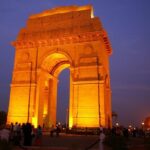
You begin with India Gate, a 42-meter-high war memorial in central New Delhi. It sits in a park-like setting with lawns, and it is especially popular at night because of how beautifully it is illuminated. With about 50 minutes here, you get enough time to orient yourself, take in the setting, and still keep energy for the next stops.
What to watch for: the area is central, so expect crowds and lots of movement around you. If you prefer slower pacing, plan to focus on the memorial itself and step away from the busiest viewing angles for a few quiet minutes.
Qutub Minar, architecture you can actually read
Next comes Qutub Minar, a UNESCO site and a 73-meter minaret built with red sandstone and marble. You will get around an hour, which is a good fit because you can look closely at carvings and then shift to the surrounding historic structures without feeling rushed. Admission is listed as included, which saves you from last-minute ticket juggling.
This is the kind of stop where a guide helps most. The monument’s details can be hard to interpret if you are only looking from a distance, and an on-site explanation makes the shapes and materials click faster.
Lotus Temple, a reset before the big names
You close Day 1 at the Lotus Temple, designed in the shape of a blooming lotus. It is open to people of all faiths and offers a serene space for meditation and quiet reflection, with about 50 minutes allotted. Admission is listed as included.
I like this placement because it gives you a mental breather after the denser monuments. If you are traveling across time zones or just coming off a flight, the Lotus Temple can feel like a soft landing. Keep your expectations realistic: it is not a fast sightseeing sprint. Give it a little attention, even if you only spend a few minutes truly slowing down inside.
You can also read our reviews of more evening experiences in New Delhi




Day 2 to Agra: Taj Mahal, Agra Fort, and Fatehpur Sikri
Day 2 is your heavy hitter day, but it is also well-paced because it mixes a world-famous icon with two history-heavy sites.
Taj Mahal, the headline that deserves more than a glance
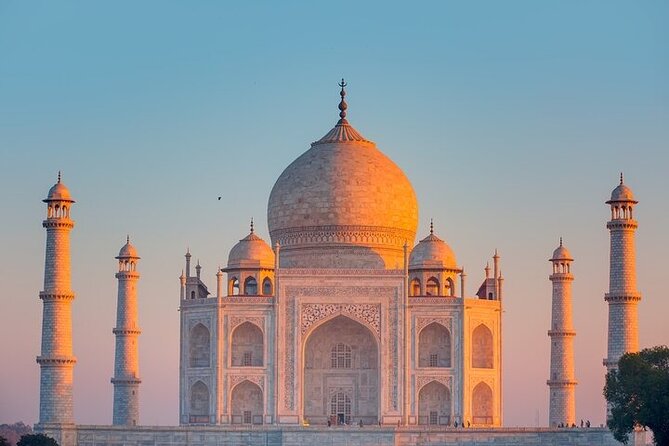
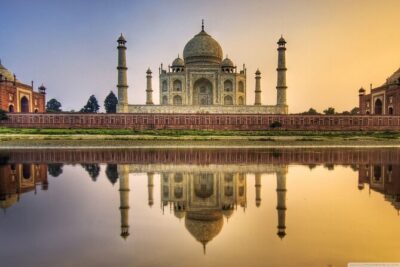
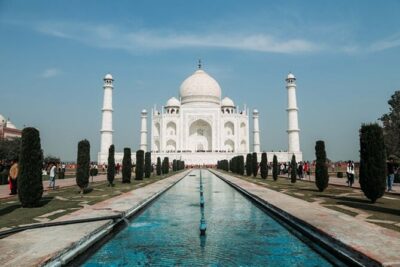
You start at the Taj Mahal, with about two hours on-site. It is UNESCO-listed and described as the jewel of Muslim art in India, one of the universally admired masterpieces of world heritage. Admission is listed as included, which is a big deal for budgeting and convenience.
Two hours can feel like a lot, but with crowds, photo stops, and the chance to appreciate details, it goes faster than you think. I recommend using that time in layers: first get your bearings and take your key views, then come back for a slower look at proportions and surface details.
Agra Fort, imperial power in red sandstone
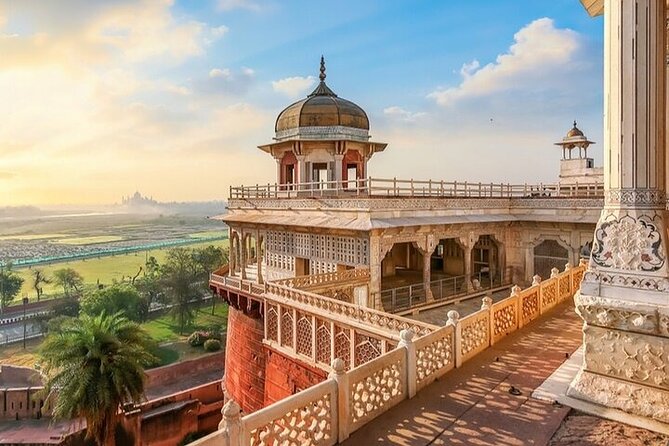
After Taj Mahal, you head to Agra Fort, a mighty red sandstone fortress with enclosure walls stretching about 2.5 km. The visit is about 40 minutes, and admission is included. Here, you can see how the Mughal rulers organized a whole imperial city inside the fort complex, including palaces like Jahangir Palace and the Khas Mahal.
This is a great contrast to the Taj Mahal. The Taj is designed for awe, while Agra Fort reads more like governance, defense, and court life. If you only visited one, you would miss the full picture of Mughal presence in Agra.
A practical note: the fort complex can involve walking across uneven or historic surfaces. Wear comfortable shoes and keep an eye on where you step.
Fatehpur Sikri, the planned city that tells a bigger story
You finish the day at Fatehpur Sikri, with about one hour allocated. Admission is listed as free. This site is described as the first planned city of the Mughals, with magnificent administrative, residential, and religious buildings, including mosques and living areas.
What I like about Fatehpur Sikri is that it feels different from the “one monument at a time” approach. It gives you a sense of a system, a city design, not just a single building. You do not have a full day here, so go in with a flexible mindset: you will be skimming highlights, not exhausting every corner.
Day 3 in Jaipur: Amer Fort, Jal Mahal, City Palace, Jantar Mantar, Hawa Mahal
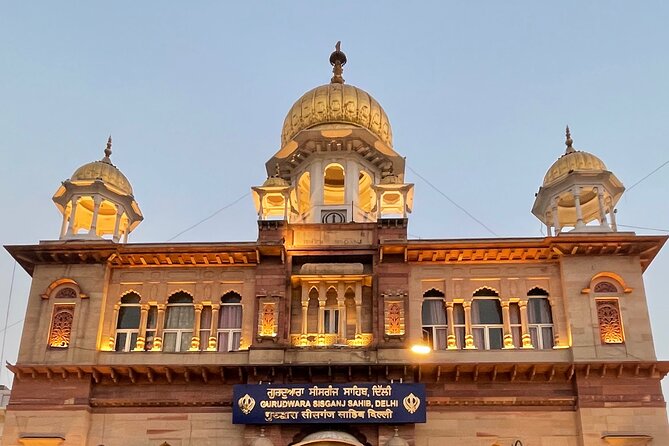
Jaipur is where the Golden Triangle starts to feel like a craft fair of culture, with forts, observatories, and palace façades all in one day. Day 3 is packed, but the stop lengths keep things manageable.
Amer Fort (Amber Fort), art, gates, and lake views
You begin with Amer Fort, also known as Amer/Amber Fort, with about two hours allocated and admission listed as included. It is known for artistic elements, big walls, a series of gates, and cobbled walkways. The fort overlooks Lake Maota, which is described as the main source of water for Amer Palace.
This is one of those places where you can appreciate the “design” even if you are not an architecture nerd. The layout makes you move through different perspectives, and the long views over Lake Maota add a natural backdrop to the built environment.
Jal Mahal, the quick look that still feels special
Next comes Jal Mahal, with about 15 minutes listed and admission included. Up close, it can be easy to assume it has only one level, but the description explains that there are four submerged levels and a design using lime mortar to retain millions of liters of water.
Fifteen minutes is short, so treat it as a visual stop. Look at how the structure sits relative to the water and focus on the idea that it is an engineered palace, not just a pretty postcard.
City Palace, courtyards and palace complexity
You then visit the City Palace complex, with about one hour and admission included. It is described as a unique set of courtyards, buildings, pavilions, gardens, and temples. The most prominent structures mentioned include Chandra Mahal and Mubarak Mahal, along with Shri Govin Dev Ji Temple.
City Palace is a good breather from the fort energy. It feels more lived-in and layered, and the courtyards can help you slow down for a moment and take in how palace life was organized.
Jantar Mantar, Jaipur’s geometry and instruments
After City Palace, you go to Jantar Mantar – Jaipur, with about one hour and admission included. This is the observatory stop, where you can marvel at the size and precision of instruments like Samrat Yantra, Jai Prakash, and Ram Yantra. The site is also described as offering educational tours or guide-based explanations.
This is a standout category of stop because it changes how you look at “things you see.” If you have ever wondered why old cities could feel so scientific, this gives you a physical answer. An on-site explanation helps a lot since the instruments can seem abstract at first glance.
Hawa Mahal, the Palace of Breeze, plus a quick museum moment
You close with Hawa Mahal, with about 15 minutes and admission listed as free. Each floor has a temple, and the complex includes a small museum where you can learn about the history of Hawa Mahal.
Even with a short stop, you can still get value by focusing on the façade and then stepping into the museum for a short context boost. This is one of those sights where you get the best effect if you look up and appreciate the pattern of the building.
Price and logistics: what to budget beyond the tour fee

The headline price is $192.50 per person for the 3-night, 4-day private experience. For many people, the value is in having a private car, city guides, and a structured route that connects the major sights without extra trip planning.
That said, you should budget for additional costs, because monument entry fees are listed as not included. The data specifies monument entrance fees of ₹2,000 per person. Camera or video charges are also listed as ₹200 per person, and tips and personal expenses are listed at ₹500 per person.
Hotel accommodation is listed as an additional cost too, at ₹12,000 per person. Your tour is described as 3 nights, so you should assume you will be paying for lodging during those nights unless your booking package states otherwise.
Meals are where the package details feel inconsistent: the inclusions section mentions lunch and dinner totals, but the exclusions section also says meals are not included. I would treat that as a “confirm before you arrive” situation, so you are not surprised mid-trip.
How to get the most out of each stop without feeling rushed
Because this tour hits a lot of famous sights, your best strategy is mental, not physical. Go in ready to split your attention into two modes: quick orientation for iconic views, and guided detail for anything you want to understand.
Here is what tends to make the difference:
- Ask your guide to explain what you are looking at before you start taking photos.
- Keep your “must-see” list to about 2 per day, so you do not feel pressured to see everything equally.
- Use the shorter stops, like Jal Mahal or Hawa Mahal, for specific viewing goals, not open-ended wandering.
Also, based on the feedback you provided, punctuality and respectfulness from the driver and guides are part of the tour’s positive reputation. That matters in practice because it helps you keep the day on track and reduces the chance of you feeling stranded at a site.
One balanced consideration: one note in the feedback points to shopping detours feeling overpriced, like tea and spices in Neu Delhi. That is not described as a fixed sightseeing stop here, but it is a good reminder to set boundaries early. If shopping is not your priority, you can tell your guide upfront and stick to it.
Finally, be prepared for the reality check of big cities. One piece of feedback mentioned being surprised by poverty in a place that also has major wealth and monuments. It is not something a tour company can remove, but it can help to go with open eyes rather than expecting the whole experience to feel polished and uniform.
Who this Golden Triangle private tour is best for
This is a strong match if you:
- Want a private car and prefer a set route instead of DIY planning
- Like having a local guide in each city to connect the dots between monuments
- Are short on time but still want Delhi, Agra, and Jaipur in one continuous trip
It may be less ideal if you:
- Prefer a slower pace with fewer stops, because several sites are designed as highlight visits rather than long stays
- Want every ticket and meal included, since entrance fees and possibly meals are additional and the meal info needs confirmation
- Dislike any shopping pressure, since at least one guide interaction in feedback included pricey shopping expectations
Should you book this private Golden Triangle tour?
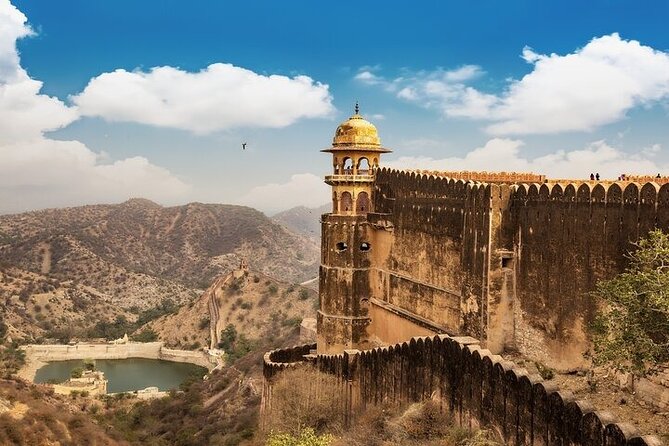
If your goal is to see the Golden Triangle efficiently with solid guide support, this tour format makes sense. You get a tight route, city guides, air-conditioned transport, and a mix of landmark styles, from India Gate to Qutub Minar to the Taj Mahal to Amer Fort to Jaipur’s observatory sites.
I would book if you are comfortable budgeting for entrance fees and if you confirm the meal details with your provider before departure. I would think twice if you hate short stop times or if you know you will be frustrated by shopping detours or extra add-ons.
If you do book, do one simple thing: ask your guide on the first day how they handle timing and any optional stops. A clear plan early usually makes the whole circuit feel smoother.
FAQ
Is pickup offered on this tour?
Yes. Pickup is offered as part of the experience.
How long is the Golden Triangle tour?
It runs for approximately 4 days (3 nights and 4 days).
Which cities does the tour cover?
The route covers Delhi, Agra, Jaipur, and returns to Delhi for the airport drop.
Are entrance fees included for the monuments?
No. Monument entrance fees are listed as not included, at ₹2,000 per person.
Are meals included?
The provided details include meal listings in the included section, but the exclusions section also says meals (lunch and dinner) are not included. You should confirm what is actually included in your specific booking.
Is this a private tour?
Yes. It is a private tour, and only your group participates.
Can I cancel for a full refund?
Yes. You can cancel up to 24 hours in advance for a full refund.
More Private Tours in New Delhi



More Tours in New Delhi





More Tour Reviews in New Delhi
Not for you? Here's more nearby things to do in New Delhi we have reviewed








More Golden Triangle Tours to consider.
 ★ 5.03-Days Private Golden Triangle Tour: Delhi, Agra & Jaipur by CarTickets from $1271,107 traveller reviews
★ 5.03-Days Private Golden Triangle Tour: Delhi, Agra & Jaipur by CarTickets from $1271,098 traveller reviews
★ 5.03-Days Private Golden Triangle Tour: Delhi, Agra & Jaipur by CarTickets from $1271,107 traveller reviews
★ 5.03-Days Private Golden Triangle Tour: Delhi, Agra & Jaipur by CarTickets from $1271,098 traveller reviews
 ★ 5.03-Day Delhi, Agra and Jaipur Private Tour – India Golden TriangleTickets from $110812 traveller reviews
 ★ 5.0Four-Day Private Luxury Golden Triangle Tour to Agra and Jaipur From New DelhiTickets from $160807 traveller reviews
 ★ 5.05 Nights 6 Days Private Golden Triangle Tour – Delhi Agra JaipurTickets from $240574 traveller reviews
 ★ 5.04 Days Golden Triangle TourTickets from $146499 traveller reviews
 ★ 5.0Private Car and Drive for Golden Triangle (4N/5D)Tickets from $167451 traveller reviews
 ★ 5.0Private Golden Triangle Tour Delhi Agra Jaipur ( Top Rated )Tickets from $148436 traveller reviews
More useful Delhi routes