
Review · GOLDEN TRIANGLE TOURS
Golden Triangle Tour with a Private Driver
Taj Mahal is easier with a driver. This private Golden Triangle setup is interesting because you ride in your own vehicle with a driver/guide who keeps the day moving. I also like that hotel pickup and drop-off help you dodge the usual first-day chaos in Delhi. The one real consideration: monument entrance fees and meals are not included, so budget a bit extra.
This is a classic north India circuit, but the value here is the pacing. You can keep the sightseeing tight and efficient, then adjust details to match your interests without worrying about public transport or fixed group schedules.
The tour is for your group only, and you’ll get a mobile ticket. It is booked on average about 87 days ahead, which is a hint to plan early if you care about timing.
Key things that make this tour work
- Private car, private time: You avoid shared buses and can adjust plans as you go.
- Driver/guide stays with you: You get help moving between major stops, not just transportation.
- Delhi, Jaipur, Agra in one smooth loop: A sensible order that keeps travel days from eating your sightseeing.
- Big name sights, realistic timing: Stops are set for practical durations, like 2 hours at City Palace and 1 hour at the Taj Mahal.
- Not included costs to plan for: Entrance tickets and food are extra.
- Planning support shows up in the details: The coordinator role (Tarun) and drivers like Deep, Bhupendra, Rattan, Bhuppi, and Sanjay are repeatedly praised in feedback for safe, caring service.
The real win: private transport that protects your time
The Golden Triangle is popular for a reason. But doing it by yourself can turn into a juggling act: navigating traffic, guessing routes, lining up at each ticket window, and trying to coordinate timing across three busy cities.
With this tour, your biggest advantage is control. You are in a private vehicle with a driver/guide, so the day stays organized. That matters most in Delhi, where traffic and distances can feel unfair if you are on a tight schedule.
Another hidden benefit: when you have a driver/guide who stays with you, you can shift priorities. Maybe you want a slower pace around a fort, more time for photos, or a quick detour if the main entrance is chaotic. That flexibility is the difference between a sightseeing checklist and a trip that feels like it flows.
The drawback is also straightforward. The trip includes vehicle and driver time, but entrance tickets and food are not included. If you want a smooth day with fewer stops for payments, you should plan for those add-ons.
You can also read our reviews of more private tours in New Delhi
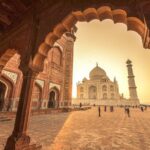
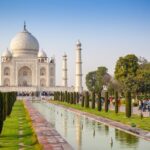
Six days that move from Delhi to Jaipur to Agra
This circuit is built around three cities: Delhi, Jaipur, and Agra, commonly called the Golden Triangle. The day order is part of the logic. You start in Delhi, shift to Jaipur for the forts and palaces, then end in Agra for the Taj Mahal.
Think of each city as a different flavor:
- Delhi gives you modern landmarks plus Mughal-era monuments.
- Jaipur focuses on palaces, forts, and the look of royalty.
- Agra is the finale with India’s most famous mausoleum.
Durations are intentionally tight. Some stops are listed for about an hour, others around two hours. If you like to linger, that may mean you manage your expectations. On the other hand, if you prefer efficient sightseeing with time saved for resting in the car, the schedule matches that style well.
You’ll also have pickup and drop-off, so you are not thinking about where to meet or how to get back at the end of the day. That sounds basic, but it is a big deal after long travel days.
Day 1 in Delhi: Connaught Place for orientation and breathing room
Your first stop is Connaught Place, the central area of Delhi. It is a sensible way to begin because it is easy to orient yourself in the city. After that initial arrival energy, it gives you a low-stress starting point.
I like this kind of day one setup because it helps you get bearings fast. If you are arriving with jet lag, it is also a practical place to shake off the travel day and start moving like a pro.
One thing to watch: the plan for day one is short on detail, so treat it as an orientation stop. If you want more structure on day one, you should plan your entrance tickets and ask the driver/guide for a quick idea of how the day’s timing usually feels.
Day 2 Delhi highlights: Humayun’s Tomb, Lotus Temple, India Gate, and more
Delhi day is about mixing famous names with landmarks that help you understand the city’s layers.
You start with Humayun’s Tomb, a major Mughal-era monument that sets the tone for the rest of the Delhi leg. Humayun’s Tomb is the kind of site where you notice design details once you slow down a little: the symmetry, the courtyard feel, and the overall structure that looks built for both grandeur and contemplation.
After that, the plan includes several other well-known stops, including:
- Lotus Temple
- India Gate
- President house
- and more sites around the city
This is a full day of visuals, but the listed time for the main stop is about 1 hour. That usually works best if you use the time intentionally: quick exterior photos, then a focused look inside where permitted, and a short moment to take in the surroundings before moving on.
If you care about photos, save your best camera time for the places with open sight lines like India Gate, and be ready for changing light as you move across different neighborhoods.
Day 3 Jaipur City Palace and the observatory next to it
Jaipur day starts with City Palace, and it is a strong choice because City Palace is not just one building. It is an area where you can get a sense of how the royal world functioned, with architecture and courtyards that feel lived-in rather than staged.
You also get a chance to visit the observatory next to the palace. That’s a detail worth paying attention to because it adds a different angle on Jaipur. Instead of only thinking of palaces and decoration, you start seeing the city as a place where science, astronomy, and design were part of the royal toolkit.
The allotted time here is around 2 hours, which is about right for a thorough walk without turning the day into a marathon. If you want more time for photos, do the palace courtyard first, then linger at the observatory area if it grabs you.
Entrance tickets are not included, so plan for that cost ahead. The best way to keep the day calm is to treat entrances as part of your daily budget from the start.
More New Delhi tours and experiences for the shortlist
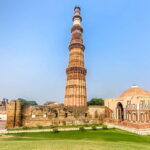





Day 4 Amber Palace area: fort views and a practical 2-hour window
On day four you visit Amber Palace. This is one of those places where the setting does half the work. Once you are at the site, the fort-like feel and the elevated views start making sense, even if you only spend a couple hours.
You’ll also see other beautiful places around Jaipur City during the day, but Amber Palace is the centerpiece. The time listed for the stop is about 2 hours, which is practical for walking, looking, and taking photos without exhausting your legs.
The only drawback to know up front: forts can mean stairs and uneven ground. If you have mobility issues, you’ll want to ask the driver/guide about the easiest route through the site so you can enjoy the views without losing the day to fatigue.
Again, entrance tickets are extra. If you want fewer time gaps, you can plan your priorities before you arrive, then focus your time where you’ll enjoy it most.
Day 5 Jaipur again, focused on Hawa Mahal and other icons
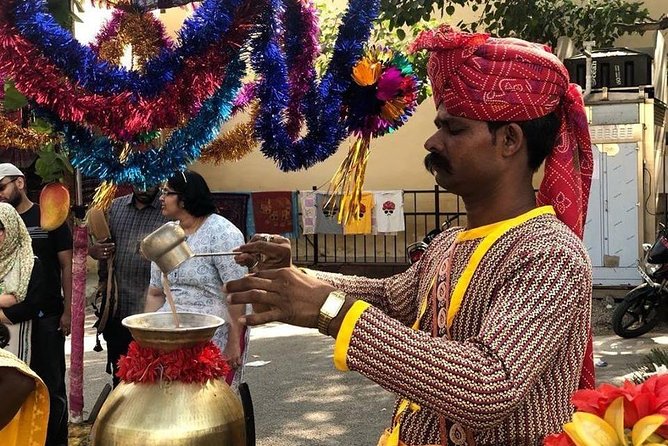
Day five is built around Hawa Mahal, also called the Palace of Wind. This is one of those stops that feels instantly memorable because of its unique facade. Even if you do not spend ages inside, it is the kind of landmark you want to see with your own eyes at least once.
The day also includes stops such as:
- City Palace
- Albert Hall
- Lakshmi Narayan Temple
- and more sights
The time for the main Hawa Mahal stop is listed at about 1 hour. That means you should be intentional. If you are short on time, prioritize getting the exterior shots you want first, then see what you can inside if that is part of your plan.
Albert Hall and the temple stop are a good pairing because they offer different vibes: one feels more like a landmark building experience, and the temple stop shifts the mood to spiritual, local rhythm.
If you like pacing that stays upbeat, day five tends to deliver it. If you prefer slow sightseeing, you may want to ask for a slightly calmer order within the day.
Day 6 Agra finale: Taj Mahal with a focused 1-hour visit
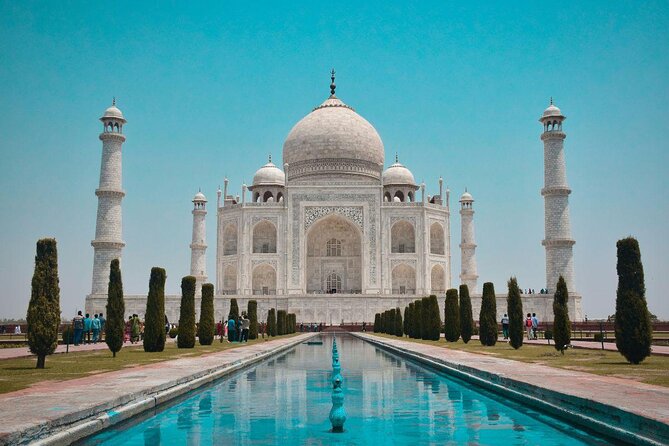
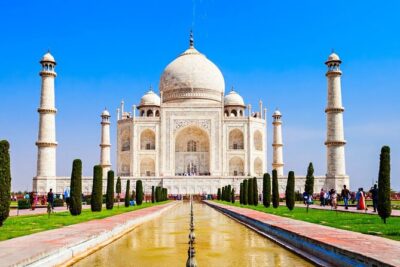
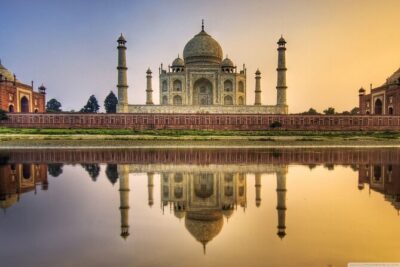
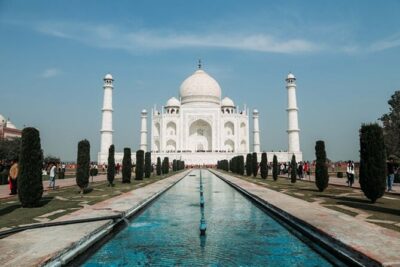
Your last day is the highlight for most people: the Taj Mahal. The tour lists it as about 1 hour for the stop.
That time window can be great if you structure it well. You can do a slow first look from the main viewing areas, focus on a few details (arches, symmetry, and the way light hits the white marble), then take your time moving through the areas you want most.
The practical truth: Taj Mahal visits can get crowded. Even with a driver/guide, entrance lines and security checks can affect your experience. With only about an hour planned, your best bet is to go in with a simple game plan: where you want your best photos, and what you want to notice beyond the main view.
Entrance tickets are not included, so budget for that too. If you are chasing sunrise or special timing, you should set expectations with your coordinator early, because the tour schedule is built around a standard flow.
Price and value: what $450 per group really buys
The price is $450 per group, up to 4 people, with a total duration of about 6 days. That means this is not priced like a per-person ticket where solo travelers pay the full rate.
For families or small groups, private car days are often the main cost driver in India. Here, you are paying for a private vehicle plus driver/guide time, plus hotel pickup and drop-off. You also get transport by private vehicle and taxes and handling included.
What you should not assume is that the $450 covers every single on-site payment. Monument entrances are not included. Food and drinks are not included unless specified, and hotels are not included.
So here’s how I’d think about value:
- If you are traveling as 2 to 4 people, splitting the private transportation cost makes a lot of sense.
- If you are traveling solo or as a couple, the value depends on how much you personally benefit from having a driver/guide and pickup included, instead of DIY travel.
The fact that confirmation is received at booking, and that the tour is private for your group, also adds value. There is less uncertainty than the kind of setup where you might wait for a large group to gather.
How the driver/guide experience can make or break the trip
In this style of tour, your driver/guide is not just a chauffeur. This is the person handling the day’s rhythm: arrival timing, route choices, and how you transition between sites.
Feedback includes examples of that impact. The planning side is often coordinated through Tarun, who helped choose best dates for a Diwali experience. On the driving side, people have named drivers like Deep, Bhupendra, Rattan, Bhuppi, and Sanjay.
Across that feedback, the common threads are practical:
- safe driving
- being available during the trip
- helping with comfort and small touches like water and chocolates in the morning
- describing attractions so you can choose what to spend time on
I’d use this as advice for you: during the trip, treat the driver/guide as a real part of your plan. Ask what order makes the most sense based on the crowd level that day, and ask for short context before you enter a monument. Even a few minutes of explanation can make a place feel more meaningful instead of just scenic.
Also, a private setup gives you space. If you want quiet time in the car, you usually can have it. If you want conversation, the driver can often read that and match the vibe.
Smart planning tips for entrances, meals, and timing
Since entrances and food are not included, you can keep the trip smooth by doing a little pre-thinking.
Here’s what I recommend, based on the tour design:
- Treat entrance tickets as part of your daily budget. You will likely pay separately at major stops like tombs, palaces, and the Taj Mahal.
- Plan simple meal breaks. With sightseeing running city to city, you do not want to hunt for food at the worst possible time. Decide what kind of meal style you prefer and keep it consistent.
- Use your 1-hour slots wisely. For stops timed around an hour, pick three goals: one photo, one thing to read or look at closely, one quick walk-around.
- Bring essentials for long car days. Water, sun protection, and comfortable shoes help because the schedule is tight enough that you will not want to lose time to comfort issues.
- If festivals matter, plan early. There is at least one example of planning around Diwali, and since the tour is often booked about 87 days in advance, early planning gives you better control.
Who should book this Golden Triangle private car tour
This fits best if you want:
- major sights without the stress of DIY navigation in three busy cities
- a flexible plan within a realistic 6-day framework
- pickup and drop-off included, so you are not piecing together transport every morning
It is also a good choice for people who like a consistent guide presence. If you are the type who likes to ask questions and get quick context before entering a monument, the driver/guide format helps.
On the other hand, if you love totally independent travel, you might prefer renting your own transport or going fully DIY. This tour shines when you want simplicity and time protection more than maximum control.
Should you book it?
I’d book it if you want an efficient Golden Triangle in a private vehicle and you care more about comfort and timing than squeezing in extra hours at each site. The price makes sense especially when you split it among up to four people, and the driver/guide model is repeatedly praised for safe, caring service.
I would hesitate if you hate paying separate entrance fees and you want meals fully included in the package. In that case, you’ll spend mental energy tracking extras instead of enjoying the sites.
If you match the style, this tour is a solid way to see the big names of north India without turning your trip into logistics work.
FAQ
How long is the Golden Triangle tour?
It runs for about 6 days.
What cities are included?
It covers Delhi, Jaipur, and Agra.
How many people are in a group?
It is a private tour/activity, and the price is for a group of up to 4 people.
Is hotel pickup and drop-off included?
Yes, hotel pickup and drop-off are included.
Do I get a mobile ticket?
Yes, the tour includes a mobile ticket.
Are entrance tickets to monuments included?
No, entrance tickets to monuments are not included.
Are food and drinks included?
Food and drinks are not included unless specified.
Is transport private?
Yes, you get transport by a private vehicle.
Can I cancel for a full refund?
Yes. You can cancel up to 24 hours in advance for a full refund. If you cancel less than 24 hours before the experience starts, the amount paid will not be refunded.
More Private Tours in New Delhi


More Tours in New Delhi



More Tour Reviews in New Delhi
Not for you? Here's more nearby things to do in New Delhi we have reviewed








More Golden Triangle Tours to consider.
 ★ 5.03-Days Private Golden Triangle Tour: Delhi, Agra & Jaipur by CarTickets from $1271,107 traveller reviews
★ 5.03-Days Private Golden Triangle Tour: Delhi, Agra & Jaipur by CarTickets from $1271,098 traveller reviews
★ 5.03-Days Private Golden Triangle Tour: Delhi, Agra & Jaipur by CarTickets from $1271,107 traveller reviews
★ 5.03-Days Private Golden Triangle Tour: Delhi, Agra & Jaipur by CarTickets from $1271,098 traveller reviews
 ★ 5.03-Day Delhi, Agra and Jaipur Private Tour – India Golden TriangleTickets from $110812 traveller reviews
 ★ 5.0Four-Day Private Luxury Golden Triangle Tour to Agra and Jaipur From New DelhiTickets from $160807 traveller reviews
 ★ 5.05 Nights 6 Days Private Golden Triangle Tour – Delhi Agra JaipurTickets from $240574 traveller reviews
 ★ 5.04 Days Golden Triangle TourTickets from $146499 traveller reviews
 ★ 5.0Private Car and Drive for Golden Triangle (4N/5D)Tickets from $167451 traveller reviews
 ★ 5.0Private Golden Triangle Tour Delhi Agra Jaipur ( Top Rated )Tickets from $148436 traveller reviews
More useful Delhi routes