
Review · GOLDEN TRIANGLE TOURS
7-Day Golden Triangle Tour with Ranthambore Tiger Safari
Tigers and royal cities in one week. I like the smooth air-conditioned vehicle days moving between Delhi, Agra, and Jaipur, and I also like that the Ranthambore portion includes a guided wildlife safari on a sharing jeep/canter basis with bottled water. The one possible drawback is that hotel quality can feel a bit uneven, especially for the Delhi night.
This is a popular Golden Triangle style package, with lots of people booking far ahead. At about $20.88 per person, you are paying mostly for the structure, the guide, and the big-ticket logistics, not for slow, luxury pacing. You’ll get hotel pickup and drop-off, and the tour is described as private in the sense that only your group participates.
One thing to keep in mind: the drives are real. You’ll cover roughly 200 km from Delhi to Agra and about 290 km toward Ranthambore, so you’ll want to travel with a good attitude about time on the road, plus a willingness to move at a planned schedule.
Key points worth clocking before you go
- Hotel pickup and drop-off means less hassle on arrival and departure days
- AC vehicle helps a lot when travel days stretch to several hours
- Sharing jeep/canter safari in Ranthambore is included, with bottled water
- Fatehpur Sikri and Abhaneri Stepwell add variety beyond the main forts
- Lunch, dinner, and monument entrance fees are not included, so budget entries into your plan
Route at a Glance: Delhi to Agra to Ranthambore to Jaipur
This route is built around India’s three classic headline cities, then adds one of the country’s best places to look for wild tigers. In practice, that means you will spend your days bouncing between major monuments and a forest wildlife setting, with guided context at each stop.
The drive times matter because they shape your day. Delhi to Agra is roughly 200 km, about 3 to 4 hours after breakfast. Agra to Ranthambore is about 290 km, usually around 8 hours when you factor in enroute stops like Fatehpur Sikri. Then you swing over to Jaipur at about 190 km.
The value side is clear in the inclusions list: 6 nights accommodation, guided services, hotel pickup and drop-off, bottled water, and an AC vehicle are all part of the deal. The main missing pieces are meal costs and monument entrance fees, plus tips. So if you like knowing exactly what you’re buying up front, this style works well.
More New Delhi tours and experiences for the shortlist

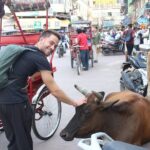
Day 1 in Delhi: arrival support and an easy start
Your first day is about getting your bearings and getting moving. You’ll be met by a representative at your chosen start point, which could be your hotel, the airport, or the railway station. Then you meet your guide and begin the Delhi portion with a planned introduction.
Because the itinerary day is listed as around 8 hours, this usually works best if you arrive in Delhi at a sensible time, not late at night when you’d rather be sleeping. The listing also indicates admission ticket free for this day, but the overall package notes that monument entrance fees are not included. Translation for your planning: some parts may not cost extra, but you should still carry money for entries or extras that come up during sightseeing.
Delhi’s best trick is how quickly it can turn from chaos to routine once you have a guide and a route. You’ll spend less time figuring things out and more time seeing the contrast between old and new India that makes the Golden Triangle tick.
Day 2 Agra: the Fort stop plus a long but straightforward transfer
The Agra day starts with a scenic highway drive, about 200 km and roughly 3 to 4 hours. This is the kind of transfer that’s comfortable enough if you settle in, pack snacks, and keep your expectations realistic about time.
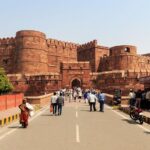
Once you arrive and check in, you head to Agra Fort. Even if you’ve seen photos, the scale lands differently in person. This fort area is a good way to understand how power worked in the Mughal era, and it’s also a clean anchor point for your trip because Agra is basically built around these imperial sites.
A practical note: this package lists admission ticket free for the day, yet monument entrance fees are listed as not included overall. I would plan on paying some entry costs yourself, just to avoid surprises at the gate.
Even with a full day, the bigger Agra lesson is pacing. You might feel like you are doing a lot, but because the itinerary is structured, you avoid the most time-wasting part of independent travel, which is figuring out what to see next.
Day 3 Ranthambore via Fatehpur Sikri: from Mughal ruins to tiger country
This is the transition day, and it’s the most interesting one on paper because it combines two very different worlds. You leave Agra after breakfast and head toward Ranthambore, about 290 km. Enroute you stop at Fatehpur Sikri, the abandoned Mughal city.
Fatehpur Sikri is a strong choice for a transfer day because it gives you something to walk through while you are already traveling. You get a break from sitting in a car, and it also adds historical contrast to the wildlife day ahead.
Then you continue to Ranthambore and reach the national park region. This is the part you came for, the reason many people choose this trip.
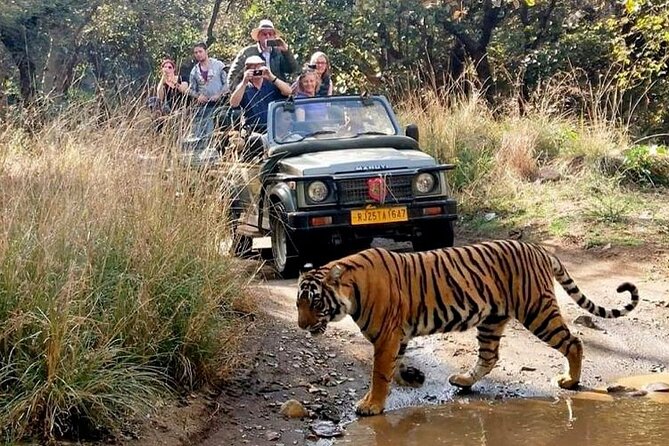
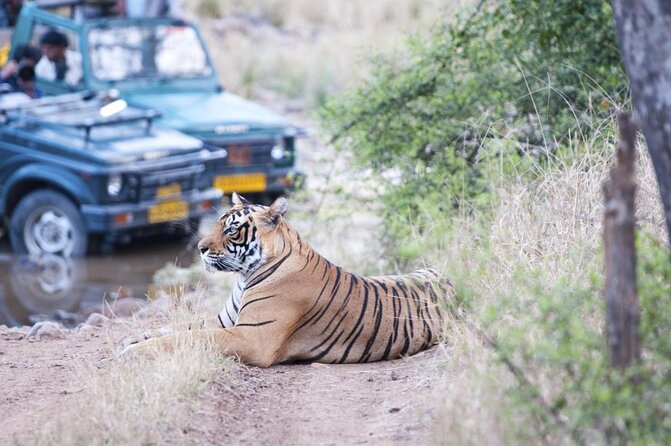
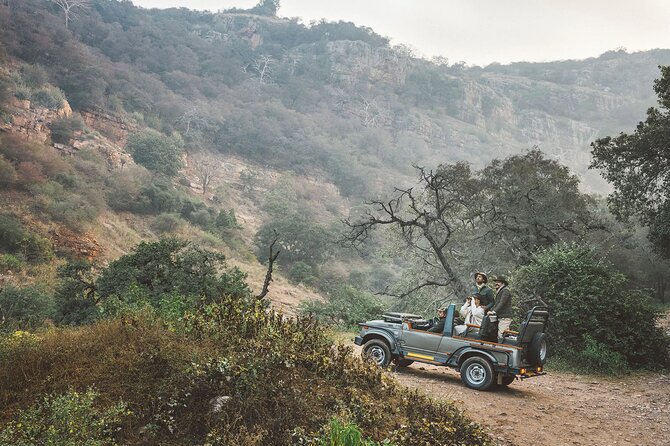
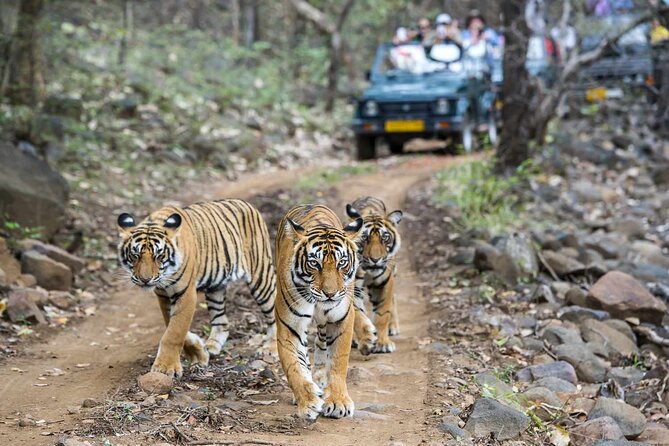
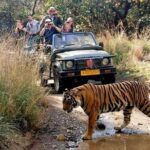
The safari is included as a jeep/canter wildlife safari on a sharing basis. That matters for expectations: you won’t have your own vehicle and you might not always sit in the exact best viewing spot, but the shared format keeps the experience cost-effective. Also, bottled water is included, which helps on a long, sun-heavy outing.
One key reality check: tiger sightings are never guaranteed. You are booking access and guided positioning, not a guaranteed tiger photo. Still, Ranthambore is famous for a reason, and the park setup is built around regular sightings when animals decide to show.
Your tiger safari day: how to make the most of a sharing jeep
The itinerary points you to Ranthambore and includes the wildlife safari. Even with limited specifics in the outline, you can prepare smartly so you do not waste your best daylight.
Plan for the basics: comfortable footwear, sun protection, and a small kit you can manage quickly. Since you’re on a sharing jeep/canter, space can be tight, and you’ll want to avoid anything bulky. The safari is paired with guidance and bottled water, so you can focus on spotting rather than juggling logistics.
I also like this setup because a guided safari tends to help you scan more effectively. Tigers are not just about luck, they are also about reading the landscape, noticing movement, and understanding where animals might be using cover. A good guide can help you avoid the common mistake of staring at one spot too long.
If you are the type who wants maximum wildlife time, you should also consider that this tour’s format is built as part of a broader Golden Triangle loop. You are doing major city sights plus tiger country in one week. That’s great for variety, but it’s not a pure wildlife marathon.
More New Delhi tours and experiences for the shortlist

Jaipur arrival via Abhaneri Stepwell: a slower pause before the forts
After Ranthambore, you travel to Jaipur, about 190 km. Enroute, you pause at Abhaneri Stepwell. This stop is a nice change of pace because it gives you a glimpse of Rajasthan village life and a different style of landmark than the famous forts.
Stepwells are also one of those things that look good in photos, but feel even better when you see how they worked. They are built for water management, and that practical purpose makes the architecture more meaningful.
Then you check in to your Jaipur hotel and spend the night. This is where the trip balances out. After long travel days and safari time, you get a proper landing spot, including accommodation for the next two nights.
If you want the best comfort, pack lightly for the transfer day, because Jaipur arrival is typically a check-in and rest moment, not a full late-night sightseeing push.
Jaipur city tour day: Amer Fort, City Palace, and Jantar Mantar
Your main Jaipur sightseeing day includes three headline stops.
First is Amer Fort. This is the fort experience most first-time visitors remember because of its dramatic setting and the way it conveys power and artistry. Even if you do not do every hall inside, the outer areas and viewpoints help you understand why this place became a royal center.
Next is City Palace, which mixes Mughal and Rajput influences. This is one of those stops where you get to see the story of rule as a visual idea, not just as a date in a book.
Then you head to Jantar Mantar, the astronomical observatory. It’s a smart addition because it rounds out the fort and palace focus. You also end up appreciating the engineering behind the designs, which makes it more than just another tourist stop.
A planning tip: monument entrance fees are not included. Some items might be low-cost compared to the overall budget, but make sure you carry cash or a card and confirm what you need to pay on site.
Also, this day is a full one, around 8 hours listed. If you want good photos, aim for early momentum and take breaks when you can. Jaipur can feel hot and crowded in the wrong moments, and a steady pace beats sprinting for every viewpoint.
Hotel, transport, and timing reality (the stuff you feel every day)
This tour includes air-conditioned vehicle transport and hotel pickup and drop-off. That reduces the stress that usually eats half a day when you travel independently. You do not need to negotiate cars, find meeting points, or manage multiple ticket vendors in between cities.
Accommodation is listed as 6 nights in good hotels. In a balanced view, you should expect consistent comfort, but not necessarily identical quality at every stop. One of the review snippets you shared suggests the Delhi hotel may not feel like a true 5-star experience even if it’s described that way. That doesn’t mean the hotel is bad, it just means you should not expect a perfectly uniform luxury standard across all nights.
Meals are your responsibility, since lunch and dinner are not included. If you are the kind of traveler who wants to eat quickly and keep moving, you’ll be fine. If you prefer guided meals or specific restaurants, you may want to research where you want to eat before each city day.
The safari itself is included as a sharing jeep/canter session. That usually feels like a good trade-off: you get the access you want while keeping costs down. The trade-off is you must accept group logistics and shared space.
Price and value check: why $20.88 per person can work
At $20.88 per person, this is one of those offers that looks almost too good until you break it down. The reason it can be priced low is that it is structured tightly: guided services, an AC vehicle for intercity transfers, and accommodation for 6 nights. Those are the main costs.
What you do pay extra for are the parts that can change based on personal preferences: meals, monument entrance fees, and tips. And because safari and sightseeing costs can vary, your total trip cost will depend on what you choose to buy on top.
So here is how you should judge the value: if you want a well-planned route through Delhi, Agra, and Jaipur with the tiger safari included, this package can be a strong deal. If you want maximum flexibility, extra hotel upgrades, and meals handled for you, you may feel constrained and spend more separately.
Also, the tour is booked far in advance on average. That signals demand and likely reliable operations when planned out. For you, it means booking early is wise, especially for the Ranthambore portion since safari access depends on the schedule.
Should you book this 7-day Golden Triangle with Ranthambore?
I think you should book if you want a full first-time Golden Triangle hit, plus a tiger safari, without spending days mapping transport and trying to assemble guides yourself. The best fit is a traveler who likes guided context, can handle long drive days, and is comfortable paying separately for meals and monument entries.
Skip this style if you want a slower, more relaxed trip with meals fully handled and zero entry fee surprises. Also, if you are very sensitive to hotel standards from city to city, I’d look for clearer hotel category details for Delhi specifically, since one of the review notes you shared hinted at a mismatch between label and feel.
If you do book, pack smart for safari day, bring sun protection, and carry money for entries. That one move will keep the trip smooth and protect your budget.
FAQ
How long is the Golden Triangle tour with Ranthambore tiger safari?
The tour runs for 7 days, approximately, covering Delhi, Agra, Ranthambore, and Jaipur.
Is pickup and drop-off included?
Yes. The package includes hotel pickup and drop-off with personal guided services.
What’s included in the price?
Included items are personal guided services, bottled water, an air-conditioned vehicle, hotel pickup and drop-off, 6 nights accommodation in good hotels, and a sharing jeep/canter wildlife safari on a sharing basis in Ranthambore.
Are monument entrance fees included?
Lunch, dinner, and monument entrance fees are not included. Some days show admission ticket free in the schedule, but you should still budget for monument entries.
Is this tour private or group-based?
It’s described as private in the sense that only your group will participate, but the Ranthambore safari itself is on a sharing basis.
What should I know about cancellation and weather?
The tour offers free cancellation if you cancel up to 24 hours in advance for a full refund. It also requires good weather, and if it’s canceled due to poor weather, you are offered a different date or a full refund.
More Safari Adventures in New Delhi



More Tours in New Delhi




More Tour Reviews in New Delhi
Not for you? Here's more nearby things to do in New Delhi we have reviewed








More Golden Triangle Tours to consider.
 ★ 5.03-Days Private Golden Triangle Tour: Delhi, Agra & Jaipur by CarTickets from $1271,107 traveller reviews
★ 5.03-Days Private Golden Triangle Tour: Delhi, Agra & Jaipur by CarTickets from $1271,098 traveller reviews
★ 5.03-Days Private Golden Triangle Tour: Delhi, Agra & Jaipur by CarTickets from $1271,107 traveller reviews
★ 5.03-Days Private Golden Triangle Tour: Delhi, Agra & Jaipur by CarTickets from $1271,098 traveller reviews
 ★ 5.03-Day Delhi, Agra and Jaipur Private Tour – India Golden TriangleTickets from $110812 traveller reviews
 ★ 5.0Four-Day Private Luxury Golden Triangle Tour to Agra and Jaipur From New DelhiTickets from $160807 traveller reviews
 ★ 5.05 Nights 6 Days Private Golden Triangle Tour – Delhi Agra JaipurTickets from $240574 traveller reviews
 ★ 5.04 Days Golden Triangle TourTickets from $146499 traveller reviews
 ★ 5.0Private Car and Drive for Golden Triangle (4N/5D)Tickets from $167451 traveller reviews
 ★ 5.0Private Golden Triangle Tour Delhi Agra Jaipur ( Top Rated )Tickets from $148436 traveller reviews
More useful Delhi routes