
Review · DELHI CITY TOURS
3 Days Private Luxury Golden Triangle Tour in Delhi, Agra, Jaipur
A good Golden Triangle should feel fast and still feel personal, and this one does. You get private transfers so you skip the drag of public transit, plus Taj Mahal at sunrise with a dedicated guide and tickets included. I also love how the day-by-day plan mixes big-ticket sights with calmer stops, but be aware it is a packed schedule, so you need the right mindset.
This is the kind of tour where the details matter. The Delhi leg pairs Old Delhi sights like Chandni Chowk with major landmarks such as Qutub Minar, then you move to Agra for the classic trio, and finish in Jaipur with Hawa Mahal’s 953 windows and City Palace. One practical drawback: lunch is not included, so you’ll want cash or a plan for it each day.
Key things to know before you go
- Private A/C car plus driver all day, which keeps the trip smooth between cities and monuments
- Live guide at the monuments, so you are not just looking, you are understanding
- Taj Mahal sunrise timing, which makes the experience feel special instead of rushed
- Old Delhi by tuk-tuk near Chandni Chowk, a fun contrast to the big marble sites
- Hotel choice between 3-star and 5-star, with breakfast and dinner included based on your pick
How a 3-Day Golden Triangle Feels When It’s Done Right
The Golden Triangle is famous for a reason, but doing Delhi, Agra, and Jaipur in only three days can turn into a blur if you do it on your own. What I like about this format is that it protects your time. You spend more energy on the sights and less on navigating buses, trains, and transfers.
The trip also works because it’s not only about the headline monuments. You get a structured mix: Delhi’s layered Mughal-era and imperial-era landmarks, Agra’s Mughal highlights along with a stop at Itmad-ud-Daula, and Jaipur’s royal architecture and viewpoints. If you like history, culture, and the arts, this kind of “high density, guided” schedule fits nicely.
The catch is obvious but worth saying out loud. You’ll have short guided stops throughout, so if you want slow wandering and lots of downtime, this may feel tight.
You can also read our reviews of more private tours in New Delhi



Day 1 in Delhi: Chandni Chowk, Mosques, Akshardham, and Qutub Minar
Your day starts with pickup in the Delhi area. You can be collected from New Delhi, Noida, Gurugram, Ghaziabad, or Faridabad, and you can choose a start time between 9 AM and 11 AM. That flexibility is more useful than it sounds, because it helps you sync the tour with your flight or your first hotel check-in.
From there, Old Delhi is where the atmosphere hits first. The tour brings you to Chandni Chowk and meets your guide at Sunheri Masjid, then you ride in a tuk-tuk past the busy bazaars while your guide explains how these markets matter for locals. It’s an efficient way to experience the area without spending half the day stuck at every crosswalk.
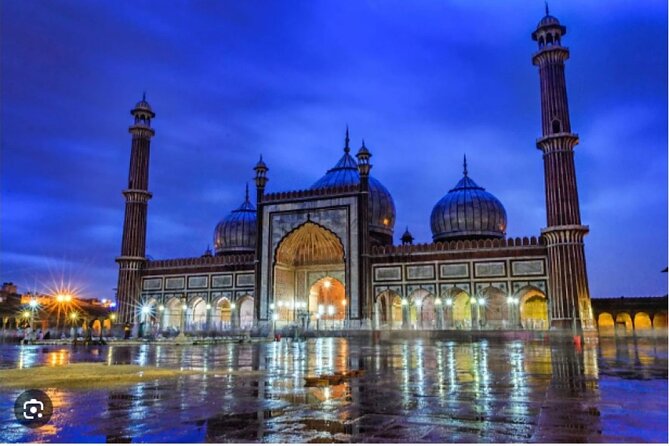
Next is Jama Masjid, India’s largest mosque. You get time in the red sandstone courtyard and a guided walk through the key parts of the site. The setting is dramatic, and the fact that it’s a major working religious place gives your photos and your mental picture extra weight.
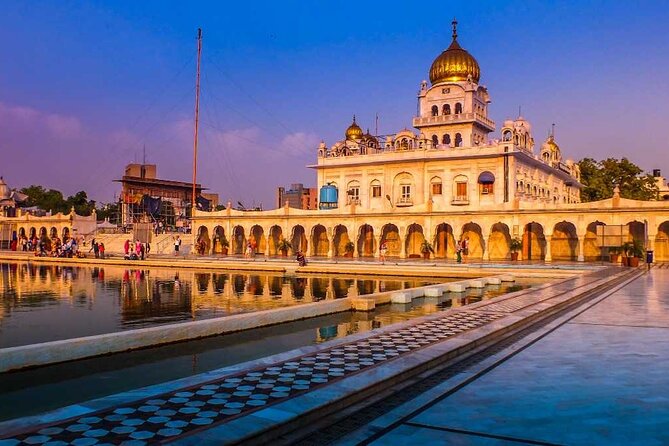
Then the itinerary shifts tone, which I like. Gurudwara Bangla Sahib is a Sikh temple complex, and the tour includes a short visit to the tank area that the site is famous for. Even with limited time, it gives you a meaningful cultural contrast to the earlier mosque stop.
After that, the day includes two classic New Delhi landmark moments. One is the 1921 Tomb of the Unknown Soldier with names of 13,300 Indian army servicemen carved on the wall who died during the First World War. The other is the large planned architecture area created by Sir Edwin Lutyens and Herbert Baker, known for shaping much of the capital’s layout.
Late in the day, you have a choice between two major religious landmarks. You can visit Swaminarayan Akshardham or Humayun’s Tomb, with the tour time listed as about 30 minutes for each option. I like having the choice because energy levels vary, and it prevents you from forcing yourself through two big stops back-to-back.
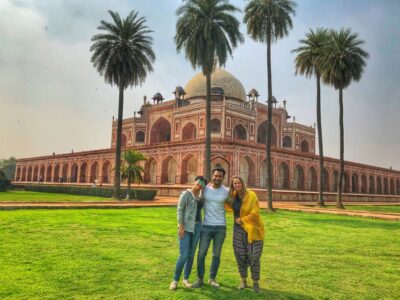
Akshardham is the big one here. It is described as one of the largest Hindu temples, constructed in 2005 but designed in a way that feels much older when you look at its architecture. Humayun’s Tomb, on the other hand, is a UNESCO site and is considered the first garden tomb of India, built after the death of Humayun by his wife. If you are more into Mughal-era funerary architecture and formal gardens, Humayun’s Tomb may feel like the stronger pick.
The day finishes with Qutub Minar. You get time at the UNESCO World Heritage Qutub complex, including the tallest minaret built up in 1192, made with bricks. If your legs are tired by then, this is still a worthwhile stop because the scale is hard to beat.
By the end of Day 1, you travel onward to Agra. The plan is to drive from Delhi after sightseeing and drop you at your hotel in Agra.
Day 2 in Agra: Sunrise Taj Mahal, Agra Fort, Itmad-ud-Daula, and a Fatehpur Sikri detour
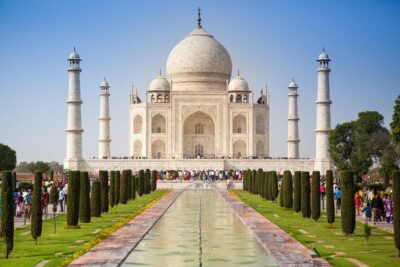
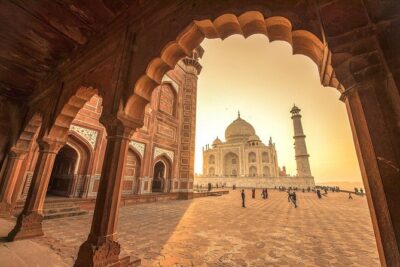
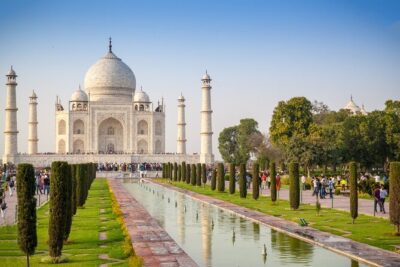
Agra’s Day 2 is built around the right idea: start early. The Taj Mahal visit is scheduled for sunrise, so you can see the marble mausoleum in softer light rather than the harsh midday glare. You also get the story tied to Emperor Shah Jahan and the Taj’s purpose for his wife, with the construction noted as starting around 1630.
The Taj Mahal is the obvious must-see. What makes this tour version feel better is that you are not just walking through crowds, you have a guide and a plan that keeps your attention on the design and the meaning. It also helps that the time allocation is about 2 hours, which gives you a chance to view from different angles instead of rushing.
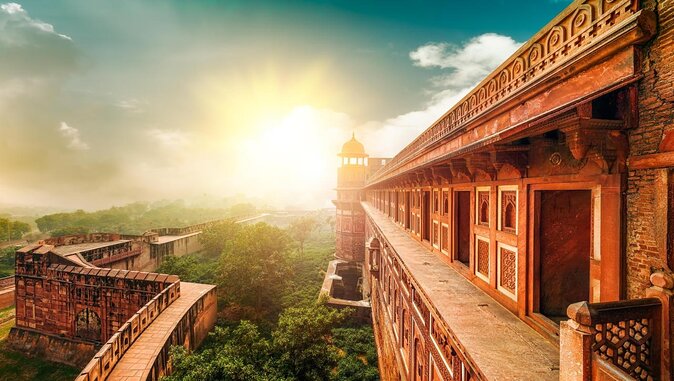
After the Taj, you shift to Agra Fort, another UNESCO World Heritage Site. The fort is described as a 17th-century structure, and the guided focus is on the blend of Indian and Islamic art and architecture. Forts are one of those places where a good guide changes everything, because walls and gates make much more sense when someone explains the logic behind the layout.
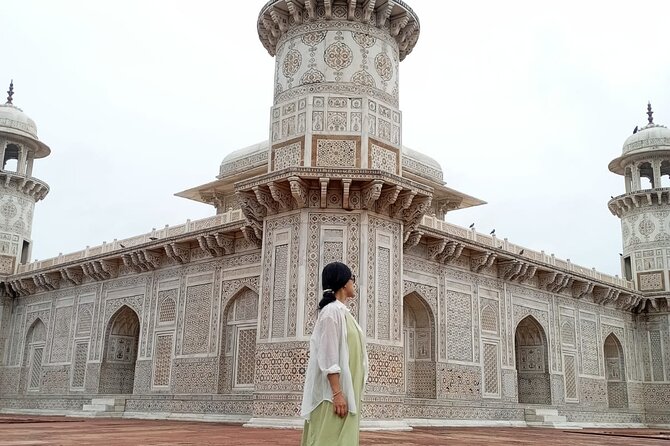
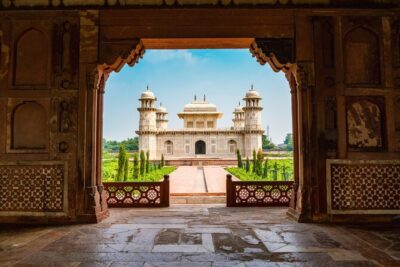
Next comes Itmad-ud-Daula. The tour highlights it as the first Mughal structure built completely from marble, notable for its extensive use of pietra dura. It’s also framed as an important early tomb built on the banks of the Yamuna, which helps you understand why it looks the way it does in its setting.
The schedule then includes a stop that many people skip on faster tours: Fatehpur Sikri. It is about 40 km west of Agra and is described as a fortified ancient city that served as a short-lived Mughal capital between 1572 and the later years of that era. Even with about an hour of time, this stop can be a real palate cleanser because it feels like stepping into a whole city plan rather than a single monument.
Finally, you head toward Jaipur and are dropped at your Jaipur hotel. The plan includes driving from Fatehpur Sikri to Jaipur, then checking you into your accommodation.
Day 3 in Jaipur: Hawa Mahal, City Palace, Jal Mahal, and the ride back to Delhi
Jaipur is where the tour leans into symbolism and style. The first stop is Hawa Mahal, the Palace of Wind. The itinerary notes it as decorated with 953 windows and built in 1799, designed specifically for royal ladies, which is a helpful lens when you are looking at the facade.
This is a quick stop by design, about 1 hour, so your guide matters even more. You’ll want to focus on the window design and the sense of light and ventilation the building represents. It’s also one of those monuments where you can take photos from multiple angles without feeling you have “wasted” time.
Next is City Palace of Jaipur, with about 2 hours on site. You get time for the patterned gardens and the architecture of the complex located at the center of Jaipur. The tour notes that the Maharaja of Jaipur’s seat is now partly reserved for a museum, which adds a practical reason to slow down: you are not only looking at buildings, you are seeing curated context.
Then you get a calmer change of pace with Jal Mahal. It sits in the middle of the Man Sagar Lake and is described as a 17th-century architectural beauty in Rajput style. The schedule lists it as about 30 minutes, which is long enough for a quiet break, but short enough that you do not lose the whole afternoon.
By the end of Day 3, the itinerary gives you options for the return. You can drop back to your hotel in Jaipur, then continue on to Delhi, or you can choose a drop-off at Jaipur airport. The listed travel time back to Delhi is about 4 hours.
Private A/C Car, Guides, and Tickets: What You’re Paying For
This tour is priced at $120.00 per person for the 3-day experience. The real value is not the price alone, it is what you get folded into it: private A/C car and driver for transfers and sightseeing, monument tickets, and private live guides at each monument. In other words, you’re buying fewer logistical headaches and more guided time at the places that matter.
The inclusion of meals helps too, especially in India where budgeting time for lunch can eat into your schedule. If you choose the 3-star or 5-star option, you get two nights’ stay with breakfast and dinner, with breakfast listed as 2 and dinner listed as 3. Lunch is not included, so you’ll want to plan that daily gap.
One detail I found especially useful from the guide feedback is the attention to language and communication. In past experiences tied to this company, guides named Zaidy and Amir khan were praised for English that works well for asking questions and for being happy to help with photos. There was also a case where a Japanese guide was arranged when the group was Japanese, which signals they try to match language needs rather than forcing one-size-fits-all.
Comfort is another part of value. The driver feedback includes notes like Sonu driving on time, driving safely, and making the daily travel feel easy. When you are moving between Delhi, Agra, and Jaipur, this matters as much as the sights do.
Potential drawback: because the schedule is efficient, the stops are timed. You will likely spend less time wandering independently than you would on a slower trip, and you may need to accept that some parts feel like a guided highlight reel rather than a deep, slow study.
More New Delhi tours and experiences for the shortlist






Hotel Choice in 3-Star vs 5-Star and How Meals Change Your Day
A lot of tours say luxury, but your actual comfort comes down to the hotel tier and meals. Here, you can choose between 3-star and 5-star accommodation. Either way, the itinerary includes two nights, with breakfast and dinner included based on your choice.
That matters because dinner and breakfast are often the easiest things to manage on a busy schedule. When those are handled for you, you can spend your attention on sightseeing instead of searching for food between monuments. Still, you should expect that lunch will be your responsibility, so budget time and money for it each day.
If you hate decision fatigue, this setup is nice. You are not deciding where to eat after a long morning at a palace or fortress. You just plan lunch, and you’re good.
A Few Things That Will Make This Tour Feel Better
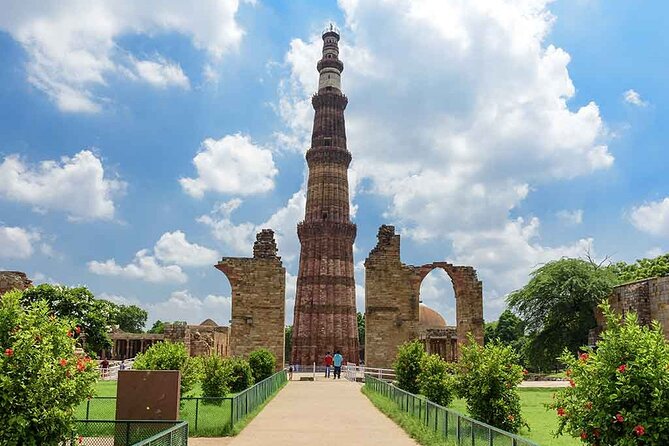
Because the itinerary is packed, your small habits will make a big difference. Wear comfortable shoes, since you’ll be walking through courtyards and along complex layouts at sites like Jama Masjid and the Qutub complex. Bring a light layer for air-conditioned car time, especially if your weather swings between cool mornings and warmer afternoons.
Also, plan for photography. The guide feedback I saw includes comments about guides being willing to take good-quality photos, so it helps to be ready with a clear idea of what you want your shots to look like. You do not need fancy gear, just angle awareness and patience around the busiest spots.
Most days will feel like a sequence of short bursts. If you can handle that rhythm, you’ll likely love this tour. If you need lots of idle time, you might feel rushed.
Who This Tour Fits Best, and Who Might Want Something Different
I’d point this tour at people who want a classic Golden Triangle in a private format without the stress of planning between cities. The mix of history, culture, and arts suits anyone who likes to connect the visual experience to the story behind it, especially at the Taj Mahal, Agra Fort, and City Palace.
It also suits couples and small groups who value guide attention and a comfortable car. A private vehicle cuts down fatigue, and the plan to avoid public transport is built into the experience.
Who might not love it? If you want a slow pace, long museum time, and plenty of downtime, you might feel like you are always moving. The schedule includes multiple major monuments in a single day, and even with guides, it’s still a lot.
Should You Book This 3-Day Private Golden Triangle Tour?
Book it if you want private, guided highlights across Delhi, Agra, and Jaipur in a tight three days. The value is strong because monument tickets, private guides, and A/C transfers are included, and the sunrise Taj Mahal timing is usually the difference between a quick photo stop and a memorable experience.
Skip it or consider a slower alternative if you dislike packed days and prefer to explore without time limits. Also, remember lunch is not included, so build that into your budget and your expectations.
If your priority is efficiency with expert help, and you’re excited by the Taj Mahal, Qutub Minar, Hawa Mahal, and City Palace, this itinerary is a smart way to see North India fast without feeling stranded.
FAQ
What cities does the tour cover?
The tour covers Delhi, Agra, and Jaipur, with sightseeing spread across all three over three days.
Where can pickup happen, and what time window is offered in Delhi?
Pickup is available from anywhere in Delhi, Noida, Gurugram, Ghaziabad, and Faridabad, with a selectable pickup time between 9 AM and 11 AM.
Is this tour private or shared?
This is a private tour, meaning only your group participates.
Does the tour include monument tickets and a guide?
Yes. You get a private live tour guide in all the monuments, and all monument tickets are included.
Are meals included?
Breakfast is included (2 breakfasts) and dinner is included (3 dinners), but this depends on the hotel option you choose (3-star or 5-star). Lunch is not included.
Do I need to use public transport?
No. The tour includes all transfers and sightseeing by private A/C car and driver, designed to avoid the discomfort of public transport.
Is there an early morning component?
Yes. Day 2 includes an early morning visit for sunrise at the Taj Mahal, with an included ticket.
What is the cancellation policy?
There is free cancellation. You can cancel up to 24 hours in advance of the experience start time for a full refund.
Can I request a drop-off in Jaipur instead of returning to Delhi immediately?
Yes. After Day 3 sightseeing, you can return to Delhi, or if you prefer, you can choose a drop-off at Jaipur airport.
More Private Tours in New Delhi



More Tours in New Delhi





More Tour Reviews in New Delhi
Not for you? Here's more nearby things to do in New Delhi we have reviewed








More Delhi City Tours to consider.
 ★ 5.0Old & New Delhi City Tour – Half or Full Day Options AvailableTickets from $384,811 traveller reviews
 ★ 5.0Same Day Taj Mahal, Agra Fort & Baby Taj Tour from Delhi by CarTickets from $624,304 traveller reviews
 ★ 5.0Taj Mahal Day Tour from Delhi by Superfast Train – TOP RATED TOURTickets from $1004,166 traveller reviews
 ★ 4.9Old and New Delhi Private Full or Half-Day TourTickets from $23,776 traveller reviews
 ★ 5.0Full Day Taj Mahal, Agra Fort & Baby Taj Tour from Delhi by CarTickets from $623,647 traveller reviews
 ★ 4.9From Delhi: Taj Mahal & Agra Private Day Trip with TransfersTickets from $43,181 traveller reviews
 ★ 5.0Taj Mahal Tour from Delhi by Express Train (Viator Award Winner)Tickets from $752,849 traveller reviews
 ★ 5.0All Inclusive Private Taj Mahal Luxury Tour from Delhi by CarTickets from $622,564 traveller reviews
More useful Delhi routes