
Review · GOLDEN TRIANGLE TOURS
9 – Days Private Golden Triangle Tour with Khajuraho & Varanasi
A fast hit of India’s biggest icons, then you slow down for the river. This 9-day private route strings together Delhi, Agra, Jaipur, Khajuraho, and Varanasi in a way that feels classic, but not repetitive. You get markets, Mughal architecture, royal forts, temple carvings, and a dawn visit to the Ganges.
What I like most is the pacing across different regions, using a mix of private car and air-conditioned train legs to keep long drives from taking over your whole trip. I also like the hands-on extras built into the days, like a rickshaw ride in Old Delhi, a battery van at the Taj Mahal area, and craft visits in Agra and Jaipur.
One thing to consider before you book: the price excludes monument entrance fees, and the Taj Mahal is closed on Fridays. If your dates land on a Friday, you may need to plan around that and budget extra for tickets.
Key things that make this tour worth your time
- Private car with professional English-speaking guides in Delhi, Jaipur, Agra, Khajuraho, and Varanasi, plus an English-speaking driver throughout
- Old Delhi by rickshaw, so you actually get into the Chandni Chowk market flow
- Taj Mahal access help, including a battery van ride, plus a clear note about Friday closure
- Train travel with an overnight rail night, which helps you cover distance without burning daylight
- Both Western and Eastern Khajuraho temple groups, so you see more than just a quick highlight loop
- Varanasi at two speeds, with Sarnath’s calm earlier and the Ganges area later, including a boat ride on the river
Private Golden Triangle plus Khajuraho and Varanasi: what you are really buying
This is not a loose “see the big stuff” itinerary. It’s a tight, guided route built for first-timers who want the real highlights of North India without spending your days figuring out transport, ticket timing, and meeting points.
Your core backbone is the Golden Triangle, but it’s expanded in a very smart way. Khajuraho gives you World Heritage temple sculpture, and Varanasi gives you the religious heart of the Ganges river world. The tour also includes a train between regions, which is a big deal in India. Otherwise, your trip would be swallowed by road time.
You’re paying for convenience plus interpretation. With private, chauffeur-driven days and English-speaking guides, you get context for what you are seeing, not just photos. And the included craft stops and shopping time are designed to help you understand what you are buying, even if you decide not to purchase anything.
You can also read our reviews of more private tours in New Delhi
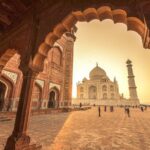
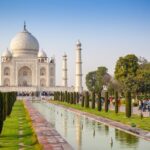
Day 1 in Delhi: airport welcome and an easy start in the capital
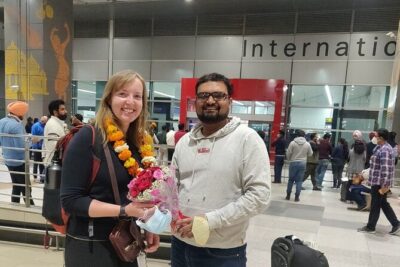
Day 1 is set up to take stress off you. You land at New Delhi International Airport, meet your representative, and get transferred to your hotel in an air-conditioned vehicle. That’s a good start if you are arriving with jet lag.
After check-in, your day is free for leisure. This matters more than it sounds. Delhi can be intense, and having breathing room on day one helps you handle the traffic and crowds later.
Tip for day one: keep your evening light. You’ll be up early for market and monument days, and Delhi’s pace punishes anyone who tries to cram too much on arrival night.
Day 2 in Delhi: Old Delhi markets, Humayun’s Tomb, Rashtrapati Bhavan, and Qutub Minar
This day mixes Old Delhi energy with New Delhi landmark power. It’s a smart contrast because Delhi is not one city. It’s several different worlds in one place.
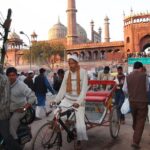
You begin with Chandni Chowk area time by rickshaw, a great way to understand the street rhythm. Chandni Chowk, one of Old Delhi’s oldest and busiest markets, is exactly the kind of place where walking is slow and confusing unless you go with local guidance. The rickshaw ride also keeps you from spending your first Delhi day standing in traffic or backtracking.
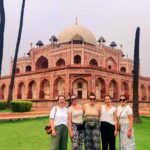
Then you shift to Mughal-era monument highlights. Humayun’s Tomb is a garden tomb and one of the earliest major examples of Mughal architecture that you can tour comfortably. Next come New Delhi classics: Rashtrapati Bhavan and the view toward India Gate. You end with Qutub Minar, the tall victory tower built after a major defeat of Delhi’s last Hindu kingdom, with multiple storeys and projecting balconies.
Why this combination works:
- Markets teach you the living side of the city.
- Tombs and towers give you the architectural story.
- New Delhi landmarks help you place modern India next to older layers.
Small reality check: entrance tickets are not included for these monuments, so you will budget for them. (More on that later.)
Day 3 to Jaipur: leaving Delhi with energy for Amer and the Pink City
Day 3 is a straightforward transfer day. After breakfast you check out and drive to Jaipur, then check into a pre-booked hotel.
This day is useful because it sets you up for a full Jaipur itinerary the next day. Jaipur is visual and busy. You want a clean start and a good night of sleep so you can handle early fort time and later sight stops.
If you are sensitive to road time, this is the day to take it easy. The tour does include a private driver, but India road travel is still road travel. Drink water, wear something light, and give yourself time to adjust.
Jaipur day: Amer Palace by Jeep, Jal Mahal photos, Hawa Mahal, City Palace, and Jantar Mantar
Jaipur day is all about royal spaces and big visual moments, with a nice flow that prevents you from bouncing randomly across town.
You start at Amber Palace, built with a blend of Hindu and Muslim architectural styles, created on a hill setting in the 16th century. To reach Amer Fort, you do a jeep safari, which is included. That’s a practical choice. It also cuts down on time and helps you avoid the most exhausting parts of getting up and down the hill.
Next you have a quick stop at Jal Mahal, the Water Palace that appears to float on the water. It’s not a long visit, but it’s worth it as a contrast to the fort’s heavy stone.
Then you pop by Hawa Mahal, the Palace of Wind. It’s a landmark you can’t miss once you see the facade. The tour schedules time so you can take it in without turning the day into a walking marathon.
After that you go into City Palace of Jaipur, a complex of courtyards, gardens, and buildings that once served as the seat of the kings. This is where the royal story becomes more than just a view from the road.
You finish with Jantar Mantar, the astronomical instruments complex built by Sawai Jai Singh II and completed in 1734. It includes a huge stone sundial. It’s one of those places where the idea matters as much as the objects, because you realize these are tools for observing the sky, not just decoration.
Factory and shopping note for Jaipur:
- The tour includes a handmade jewels and stone cutting factory visit.
- It also includes exclusive shopping tours in local markets.
That can be excellent for context, but keep an eye on your wallet. If you hate sales pressure, set a rule for yourself, like only browsing for 30 minutes or only buying if you love it enough to wear it at home.
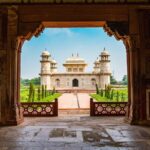
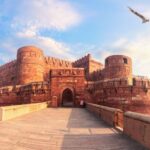
Agra day: Taj Mahal, Agra Fort, and a battery van detail that saves time
In Agra, you start with check-in and then move into sightseeing. This is the day most people come for, the Taj Mahal.
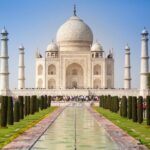
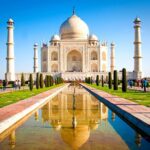
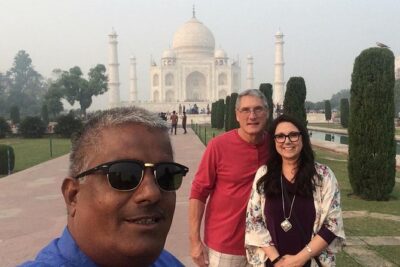
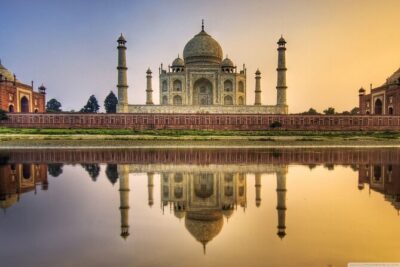
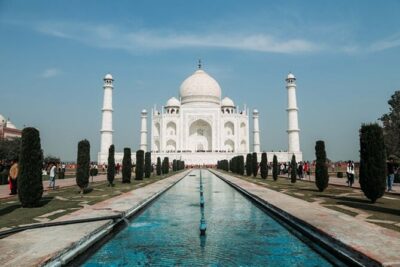
The Taj Mahal visit is scheduled with time to enjoy the setting. It’s described as the Mughal memorial built by Shah Jahan for Mumtaz Mahal. That emotional backstory matters because the monument is not just a pretty building. It’s a carefully designed structure where geometry and symmetry are the main show.
The tour includes a battery van ride at the Taj Mahal in Agra. That’s a small line item, but it helps a lot in practice. It can reduce walking time around the monument area so you can spend energy on the views instead of shuffling in heat.
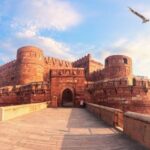
Next you visit Agra Fort, built by Emperor Akbar on the west bank of the Yamuna River. The fort dominates the city, and the crescent-shaped outer wall with its maze-like interior gets you the fortress side of Mughal power.
Included add-on in Agra:
- A marble factory visit.
Marble is a huge part of how Agra’s monuments and crafts are made. If you are curious, it’s a useful stop. If you’re not, plan to skim, because factory visits can be more about sales than scholarship depending on the shop.
Also, remember the key calendar point: the Taj Mahal is closed every Friday.
Train day to Khajuraho via Orchha: why rail travel fits this route
Day 6 uses trains to connect regions efficiently. You head to Agra railway station in the morning, board an AC train toward Jhansi, and meet your representative at Jhansi railway station. Then you continue toward Khajuraho.
En-route, you visit Orchha Fort. That’s a smart buffer stop. Instead of passing through smaller places without noticing them, you get a historic detour that breaks up the day.
The tour also includes 1 night’s accommodation in an overnight train, which is exactly what makes this itinerary realistic. If you are traveling across India, overnight rail can be the difference between a trip that feels planned and one that feels like you are just getting from one bed to the next.
Practical advice:
- Carry water and snacks if you tend to get hungry.
- Keep a light layer ready. Trains can be cool in some compartments.
Khajuraho day: Western and Eastern temple groups in plain, workable visits
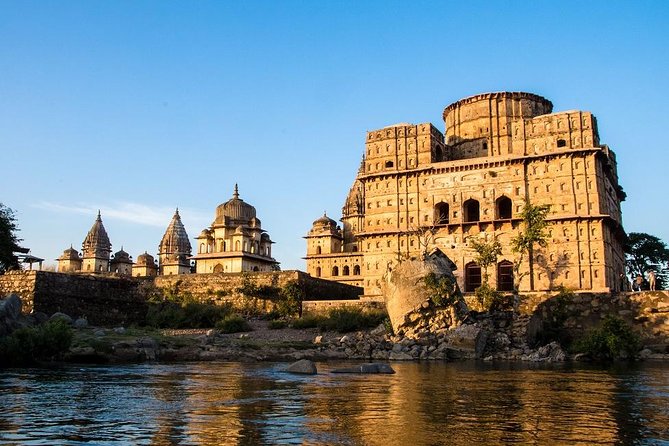
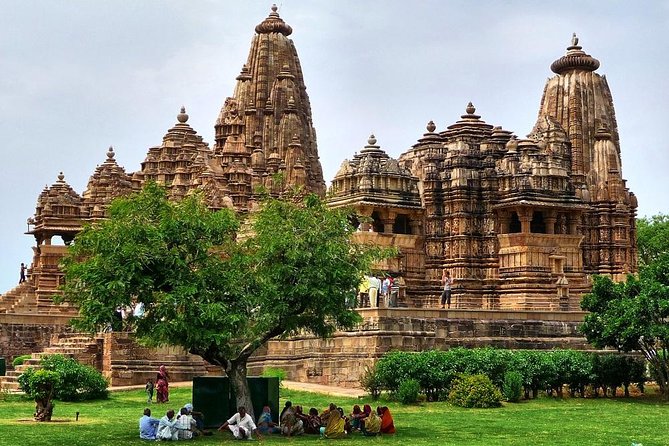
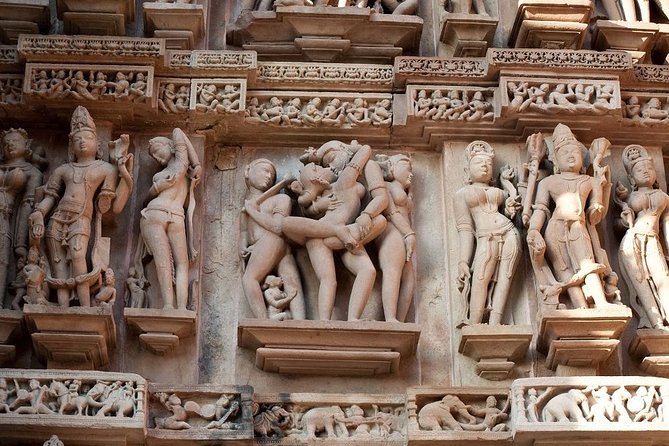
Khajuraho is where your trip turns from palace and empire to sculpture and sacred art. These temples are famous for their detailed carvings, and the tour is structured to show you more than one cluster.
You start with the Western Group of Temples. This group includes 14 temples, with notable examples named in the itinerary such as Matangesvara, Chaunsath Yogini, Kandariya Mahadeo, and Varaha. The descriptions focus on temple-by-temple viewing, which helps you keep track of what you are looking at.
Then you move to the Eastern Group of Temples, which has seven temples. The itinerary notes that three are Hindu temples and four are Jain temples. It also lists examples like Vamana and Javari.
Why the split matters:
- Western temples are often the first stop people want because they are highly photographed.
- Eastern temples broaden the story, especially for Jain presence.
If you only ever saw one Khajuraho temple group, you might miss how the complex works as a whole sacred landscape. This tour makes sure you see both groupings with guided interpretation.
Varanasi days: Sarnath’s calm, Kashi Vishwanath, ghats, Bharat Mata, and Alamgir Mosque
Varanasi is where you trade palace walls for river life. The itinerary gives you a full day of religious and cultural stops, plus a side trip to Sarnath.
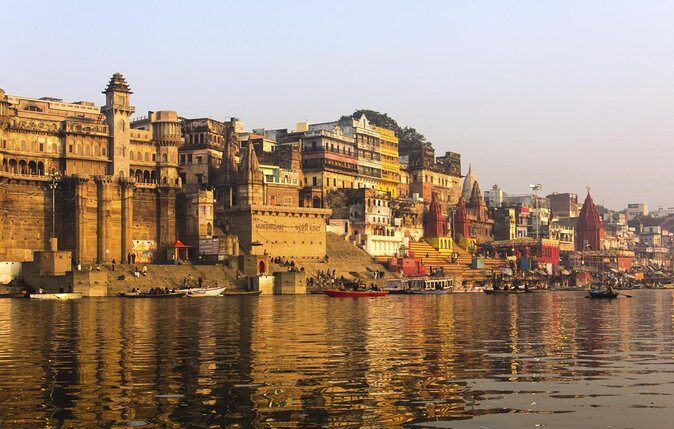
You meet your representative at Varanasi railway station and transfer to your hotel. After breakfast, you head to Sarnath, described as one of the four holiest places to Buddhists. Sarnath is set in a quieter space than central Varanasi and includes historical sites like Buddhist stupas.
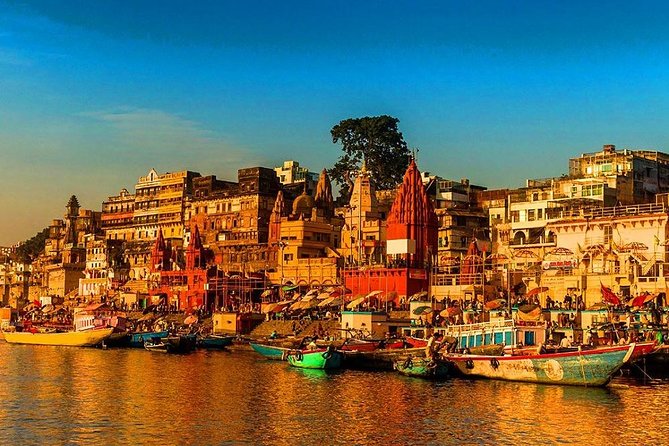
From there, you visit Kashi Vishwanath Temple, dedicated to Lord Shiva and located on the western bank of the Ganga. Then you head to the Banaras Ghats, a chain of ghats where pilgrims bathe for spiritual purification, with many ghats marked across the city.
The itinerary also includes two stops that add variety:
- Bharat Mata Mandir, a shrine dedicated to Mother India, with a marble relief map carved into the interior (no deity in the usual sense).
- Alamgir Mosque, a 17th century Mughal structure built by Aurangzeb on land where a Shiva temple had been demolished.
This combo is not random. It gives you religious diversity and shows how the city layers different traditions in nearby spaces.
One practical consideration: temple and ghat areas can mean crowds, lots of steps, and intense sensory input. Wear shoes you can stand in for a while. Plan your photos in bursts, not continuous long staring.
Ganges sunrise boat ride and the river prayer moment
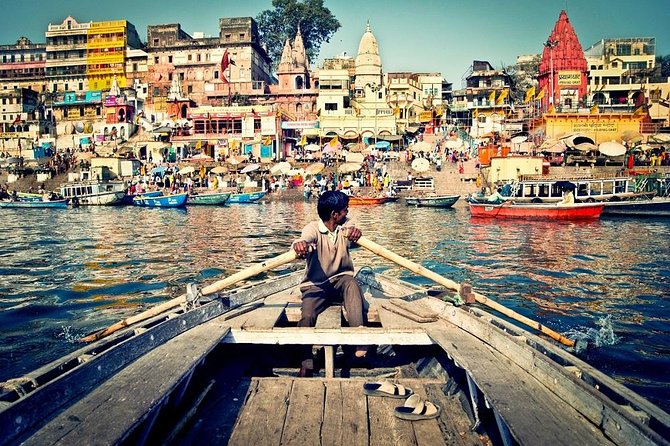
Day 9 begins with the highlight most people remember: a boat ride on the Ganges at sunrise. The schedule calls for rising before dawn and stepping into the boat as the boatman rows.
This is not a sleepy cruise. It’s a daily ritual scene, with the sun appearing as morning starts to take over the river. If you can handle early mornings, this is the payoff for your Varanasi days.
The tour also lists an evening prayer ceremony on the River Ganges as one of its program highlights. Even without an exact time slot in your day breakdown, it’s part of the overall experience plan.
Then you return to the hotel for breakfast, and you get transferred to Varanasi airport for your onward flight.
Tip: sunrise on the river is worth packing for. Bring a light layer. Mornings near the water can feel cooler than you expect.
Price and value: what $683 covers, and what to budget for
The listed price is $683 per person for about 9 days. The tour includes:
- 7 nights accommodation in hotels
- 1 night on an overnight train
- Train tickets in air-conditioned coach (Agra to Jhansi, and Khajuraho to Varanasi)
- Professional English-speaking guides in Delhi, Jaipur, Agra, Khajuraho, and Varanasi
- Private chauffeur-driven car throughout the road portion
- Jeep safari to Amer Fort, rickshaw ride in Chandni Chowk, battery van at Taj Mahal
- Boat ride on the Ganges
- Packaged drinking water
- Marble factory visit in Agra and handmade jewels or stone cutting factory visit in Jaipur
- Exclusive shopping tours
- Breakfast included 8 times
- Tolls, parking, fuel, and government taxes
What’s not included is a big line item to plan for: entrance fees to monuments estimated at $100 per person, plus camera fees where charged, and tips for drivers and guides.
So is it good value? For this route, yes, if you want an organized, guided experience across multiple cities with minimal hassle. You are paying for logistics and trained interpretation. If you already know you want to self-drive or hire guides city-by-city, you could potentially do it cheaper. But for a first multi-region trip, the included private transport and guide coverage are what keep the experience smooth.
Who should book, and who should adjust expectations
This tour fits best if you:
- Want the Golden Triangle plus Khajuraho and Varanasi without building your own route
- Like structured days with an English-speaking guide explaining what you see
- Prefer private transport and hate spending time coordinating rides across busy neighborhoods
- Are comfortable with long days and occasional early mornings
It may not fit you as well if you:
- Want lots of free time to wander alone without a schedule
- Really dislike factory and shopping stops, even if they are optional in practice
- Are traveling on a Friday, because Taj Mahal is closed and your monument plan may need adjustments
This is a private tour, so your pace is set by the itinerary. That can feel great, or it can feel too structured, depending on your style.
Should you book this private tour or choose something else?
Book this tour if you want a guided, cross-region India highlight circuit with practical help at the key moments: rickshaws in Old Delhi, car plus train routing, Jeep up to Amer, and a dawn Ganges boat ride.
Consider a different option if your main goal is one city at a slower pace, or if you already plan to guide yourself for monuments. Also check your dates for Friday, so the Taj Mahal closure does not mess with your priorities.
If you do book, go in with the right mindset: your days are packed, but that’s the trade for seeing Delhi, Agra, Jaipur, Khajuraho, and Varanasi in one trip. Bring good walking shoes, keep your budget flexible for entrance fees, and you’ll get a very complete snapshot of India’s spiritual and imperial sides.
FAQ
What is included in the tour price?
The tour price includes 7 nights of hotel accommodation, 1 night on an overnight train, air-conditioned coach train tickets (Agra to Jhansi and Khajuraho to Varanasi), English-speaking guides in Delhi, Jaipur, Agra, Khajuraho, and Varanasi, and a private English-speaking chauffeur-driven car. It also includes a jeep safari in Jaipur to climb Amer Fort, a rickshaw ride in Chandni Chowk, a battery van ride at the Taj Mahal, a boat ride on the Ganges, packaged drinking water, factory visits, exclusive shopping tours, and breakfast 8 times.
Are monument entrance fees included?
No. Entrance fees to monuments and sightseeing places are not included, with an estimate listed as $100 per person. Camera fees at monuments are also not included.
Does the itinerary include trains, or is it all driving?
It uses both. You travel by private car for the main road portions, plus air-conditioned train tickets for the route between Agra and Jhansi and between Khajuraho and Varanasi. The package also includes 1 night’s accommodation in an overnight train.
Is the Taj Mahal visit affected by any dates?
Yes. The Taj Mahal is closed every Friday, so your schedule should account for that.
Is this a private tour?
Yes. It is described as a private tour/activity, and only your group participates.
Is pickup included?
Pickup is offered. The itinerary also includes transfers on the described arrival and departure days, including airport and station transfers with a company representative.
More Private Tours in New Delhi


More Tours in New Delhi



More Tour Reviews in New Delhi
Not for you? Here's more nearby things to do in New Delhi we have reviewed






More Golden Triangle Tours to consider.
 ★ 5.03-Days Private Golden Triangle Tour: Delhi, Agra & Jaipur by CarTickets from $1271,107 traveller reviews
★ 5.03-Days Private Golden Triangle Tour: Delhi, Agra & Jaipur by CarTickets from $1271,098 traveller reviews
★ 5.03-Days Private Golden Triangle Tour: Delhi, Agra & Jaipur by CarTickets from $1271,107 traveller reviews
★ 5.03-Days Private Golden Triangle Tour: Delhi, Agra & Jaipur by CarTickets from $1271,098 traveller reviews
 ★ 5.03-Day Delhi, Agra and Jaipur Private Tour – India Golden TriangleTickets from $110812 traveller reviews
 ★ 5.0Four-Day Private Luxury Golden Triangle Tour to Agra and Jaipur From New DelhiTickets from $160807 traveller reviews
 ★ 5.05 Nights 6 Days Private Golden Triangle Tour – Delhi Agra JaipurTickets from $240574 traveller reviews
 ★ 5.04 Days Golden Triangle TourTickets from $146499 traveller reviews
 ★ 5.0Private Car and Drive for Golden Triangle (4N/5D)Tickets from $167451 traveller reviews
 ★ 5.0Private Golden Triangle Tour Delhi Agra Jaipur ( Top Rated )Tickets from $148436 traveller reviews
More useful Delhi routes