
Review · DELHI CITY TOURS
3 Days Golden Triangle Tour Delhi Agra Jaipur by Private AC Car
Three days, three big icons, little planning. That is the appeal of this Golden Triangle run, built for first-timers who want classic stops in a tight time window, plus real-life streets in Delhi.
I like that the logistics are handled for you. You get hotel/airport pickup and drop-off across Delhi, Noida, Gurugram, Ghaziabad, and Faridabad, with a pickup choice between 7 a.m. and 11 a.m., so you can match your arrival day.
Two things I truly like: the private AC car means you are not bouncing between groups, and the local guiding has a human touch. In Agra, I saw repeated praise for Mr. Vicky for clear, engaging explanations of the Taj Mahal and Agra Fort, and for driver Manoj for staying on time and helping with basics like water. One drawback to plan for: monument entrance fees are not included, and that extra cost can add up.
Key highlights worth your attention
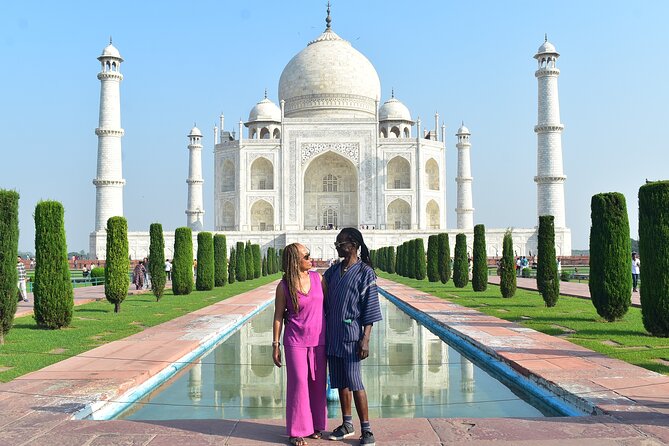
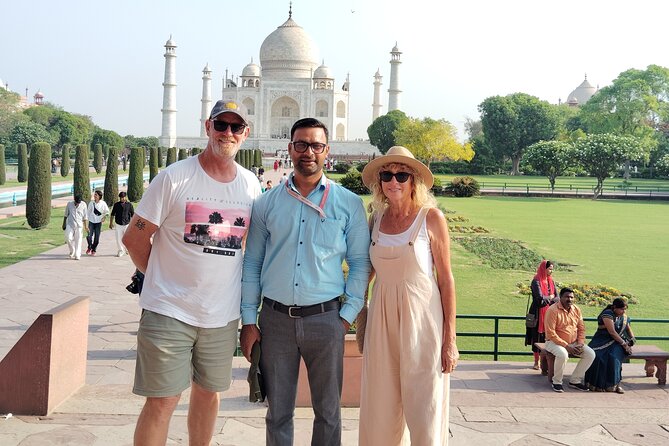
- Dawn timing for the Taj Mahal (best chance for soft light and fewer crowds)
- Door-to-door pickup across NCR with a pickup window from 7 a.m. to 11 a.m.
- Old Delhi street time including Chandni Chowk, Jama Masjid area, and Khari Baoli spice market
- Agra Fort plus Itmad-ud-Daulah to understand more than just the Taj
- Jaipur in a tight loop with Hawa Mahal, City Palace, Jal Mahal views, and Jantar Mantar
- Private group setup so your pace can fit your crew, including families
Why this Delhi, Agra, Jaipur route works in limited time
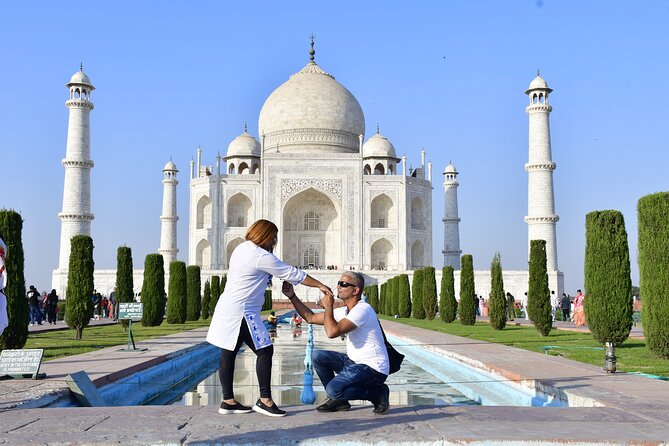
The Golden Triangle is famous for a reason. Delhi gives you imperial power and everyday markets, Agra brings Mughal architecture at full volume, and Jaipur adds Rajput-style grandeur and careful city planning. What makes this tour practical is the pace: three days, in three cities, with guided stops so you do not waste your limited hours figuring out what goes where.
You are also getting a realistic mix of sights. Some are major monuments, but you also spend time where people actually live and shop, like Chandni Chowk and the spice lanes of Khari Baoli. That matters because India’s big monuments hit harder when you also see the street life around them.
If you want “see a lot” without doing “plan a lot,” this setup fits. You choose your pickup time in the morning, ride between cities in a private AC car, and follow a route that targets the most famous highlights plus a few smart extras.
You can also read our reviews of more private tours in New Delhi



Price and what you are really paying for at about $250
At $250 per person, this is less about luxury and more about buying convenience. You are paying for a private air-conditioned car with a professional driver, timed pickups and drop-offs, and guided sightseeing. You also pay for the hidden costs that tourists often forget, like tolls, fuel, taxes, parking, and service charges.
Entrance fees are the big catch. Monument entrances are listed as not included, at $70 per person. In other words, you should budget extra for places like Qutub Minar, Humayun’s Tomb, the Taj Mahal, Agra Fort, and Itmad-ud-Daula, along with Jaipur’s ticketed sights such as Jaigarh Fort and Jantar Mantar.
If you book the hotel option, you get two nights of accommodation. That is another big value lever, because the Golden Triangle is not a “commute daily” situation. Driving between Delhi and Agra, then on to Jaipur, eats time and energy, and the tour’s structure handles that with an overnight plan instead of squeezing everything into a long day.
Day 1 in Delhi: Qutub Minar, Lotus Temple, Old Delhi lanes, and Humayun’s Tomb
Delhi Day 1 is set up like a sampler platter, but it is not random. You start with major monuments, then you shift gears toward the Old Delhi grid where markets and mosques shape the street scene.
First stop is Qutub Minar, a UNESCO site built in the late 1100s by Qutub-ud-din Aibak, with soaring height and carved detail. This one is worth your energy even if you are tired from travel, because the scale is hard to fake in photos. It can also be a good “morning anchor” before the day gets chaotic.
Next comes the Lotus Temple, the flower-like Bahá’í House of Worship completed in 1986. I like it because it changes the mood from stone power to calm symmetry. It is marked as admission-free on the schedule, and it is a nice reset before you head into Old Delhi.
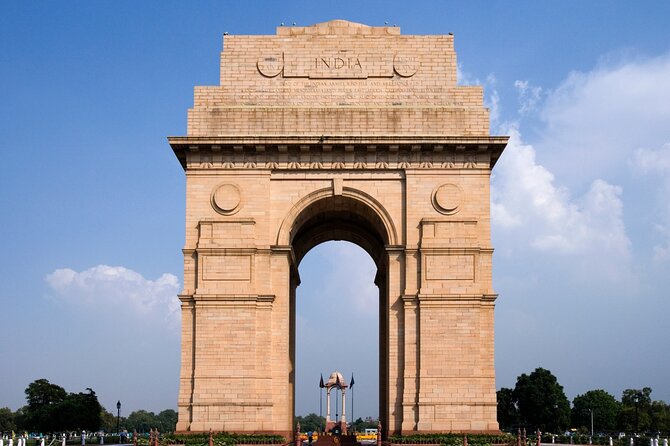
After that, you pass key landmarks around central New Delhi, including the Red Fort area from Shah Jahan’s 1600s era and the Tomb of the Unknown Soldier with the names of 13,300 Indian soldiers from World War I. You also glimpse the planning behind New Delhi’s 330-acre layout shaped in 1929 by Sir Edwin Lutyens and Herbert Baker, plus Parliament House with the Lok Sabha and Rajya Sabha. Even as quick passing views, these stopovers help you understand why Delhi feels layered, not one-dimensional.
Then you get a mix of atmosphere stops. Agrasen ki Baoli, an old stepwell, has that dramatic underground-to-stone architecture, plus a reputation for eerie urban legends and paranormal talk. Even if you do not buy the stories, the place has a cool, shadowy feel that makes you slow down.
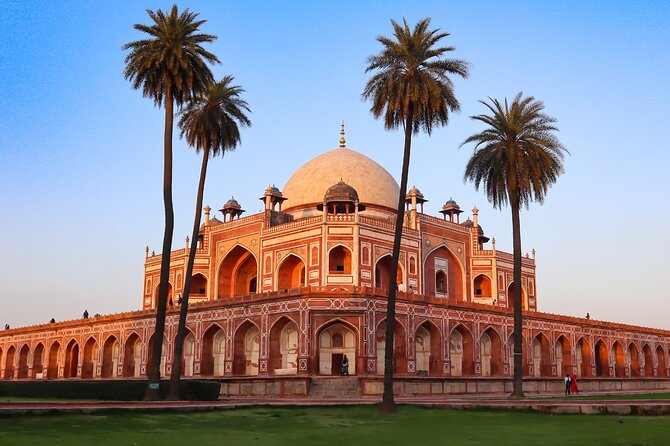
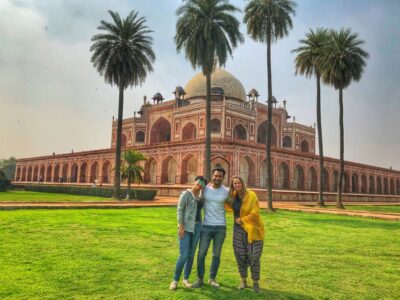
Humayun’s Tomb follows, another UNESCO site and often described as India’s first garden mausoleum. It is the kind of monument where the garden plan matters as much as the building, so plan to look beyond the main dome.
Old Delhi is where the senses turn up. You spend time around Chandni Chowk, the Old Delhi market lanes known for spices, dried fruits, silver jewelry, and colorful saris. The route also includes Jama Masjid, India’s largest mosque built in 1656 with the help of 5,000 people, placed opposite the Red Fort area. After that, you can step into Khari Baoli, a major wholesale spice market and one of Asia’s biggest spice bazaars.
Night one ends with a drive to Agra and drop-off at your hotel so you can reset for an early start.
My practical note for Day 1: you will cover a lot of walking and switching neighborhoods. Wear comfortable shoes, and keep water handy. The tour can guide you well, but Delhi streets still take a toll if you dress for sightseeing instead of walking.
Day 2 in Agra: Taj Mahal at first light, Agra Fort, and the Baby Taj
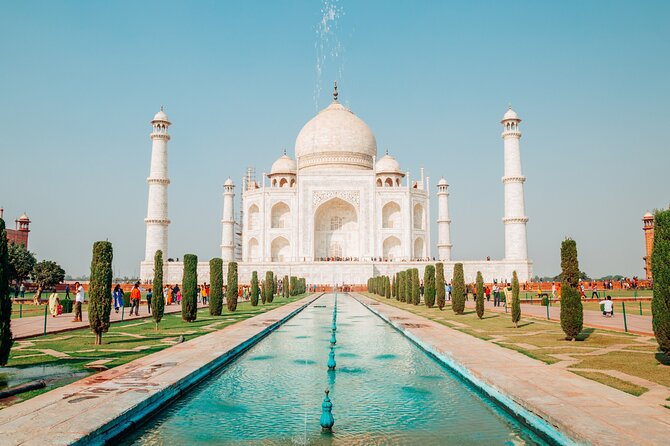
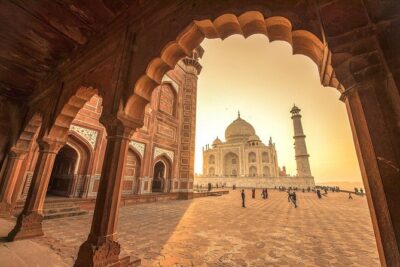
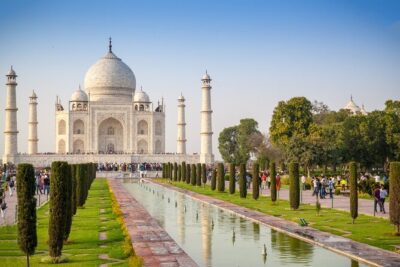
Agra Day 2 is centered on the Taj Mahal, and the timing is the real value. You visit early in the morning for a dawn-style view, which usually means softer light on the white marble and a calmer experience than later hours.
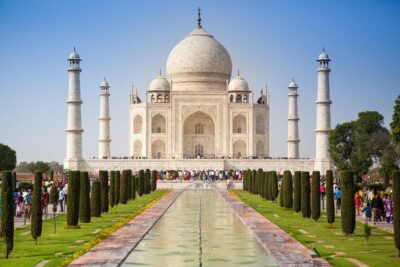
The Taj Mahal is Shah Jahan’s marble mausoleum, built in 1630 for Mumtaz Mahal. It is also one of those sights where you can feel the intention in the symmetry. The schedule gives you around three hours, which is about right if you want to see key perspectives without treating it like a checklist.
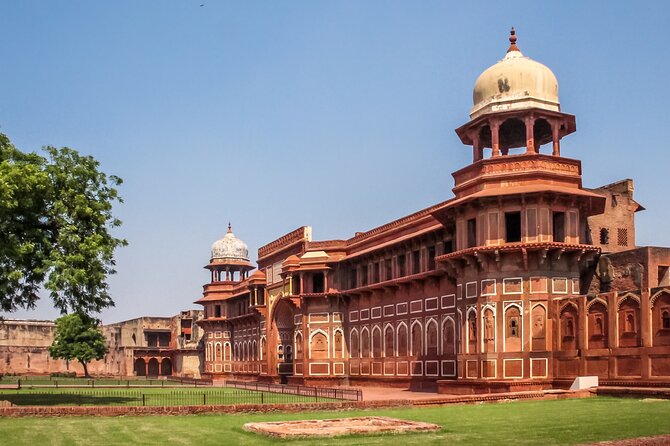
Next up is Agra Fort, a UNESCO World Heritage Site from the 17th century. This is where the Mughal story gets more political and military. The fort’s pavilions, palaces, and courtyards show how rulers lived and controlled the city, and it is a strong contrast to the Taj’s romantic framing.
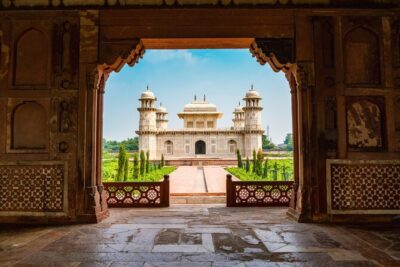
You then visit Itmad-ud-Daulah, often called the Baby Taj. This one is smaller, but it rewards close attention. It is an early Mughal monument known for elaborate pietra dura inlay work and for being built completely of white marble. For me, it adds depth because it shows how the style developed, not just the final masterpiece.
The day also includes a guide-led break for Agra food, with your guide suggesting local dining options. The schedule marks that stop without included admission fees, which is helpful because it keeps your day flexible around what you want to eat.
What makes this day feel worth the travel time
Agra can be a one-day squeeze if you do it on your own, but this format gives you breathing room. Taj Mahal first light, Agra Fort right after, then Itmad-ud-Daula helps you build a mental map of Mughal design choices.
It also reduces decision fatigue. You do not have to guess where to go next, or how long you should spend at each place. That is valuable when your day is built around road travel plus monument tickets.
The caution for Day 2: entrance fees are not included, and the tour is structured with ticketed monuments on the calendar. If you arrive already budget-stressed, this is the day you will feel it. Plan to carry cash or have a payment plan ready for those site fees.
More New Delhi tours and experiences for the shortlist




Day 3 in Jaipur: Jaigarh Fort, Hawa Mahal windows, City Palace, and Jantar Mantar
Jaipur Day 3 starts with Jaigarh Fort, built in 1726 by Maharaja Sawai Jai Singh II and located on the Aravalli hills. Even though the fort is ticketed on the schedule, it is the kind of place that helps you understand Jaipur’s defensive thinking and strategic geography.
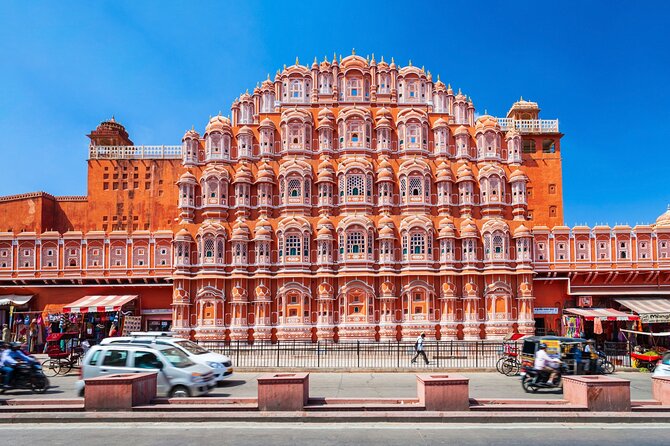
Then you hit Hawa Mahal, the famous Palace of Winds. This five-story pink and red sandstone building, constructed in 1799, is designed with 953 tiny windows called jharokhas. The idea was that royal women could observe daily life below while staying unseen, so the architecture is not just pretty, it has a social purpose.
After that, City Palace is your main central stop. It sits in Jaipur’s core and is a complex of palaces, gardens, and courtyards. Even if you only scratch the surface, it gives you a stronger sense that Jaipur’s story is not just one landmark, it is a whole living center of power and design.
Next comes Jal Mahal, the 17th-century palace in the middle of Man Sagar Lake. The schedule gives you about 30 minutes, so do not expect long indoor exploration. Think of it as the scenic pause on a day that is otherwise very architecture-heavy.
Then there is time for Jaipur food, with your guide recommending Rajasthani options.
The day wraps at Jantar Mantar, a UNESCO World Heritage Site and one of India’s best-preserved historic observatories. It was constructed by Maharaja Sawai Jai Singh II, and the whole place feels like a physics lesson told through stone. The schedule lists it as ticketed, so again, keep entrance fees in mind.
Finally, you ride back to New Delhi, with an option for drop-off at Jaipur Airport if your schedule fits better.
The private car makes Jaipur day feel easier than self-planning
Jaipur is the kind of city where spacing between sights can add up fast. With the private AC car, you avoid the stress of figuring out transport between forts, palaces, and observation sites.
Also, the private setup can help families. One of the strongest pieces of feedback I saw was about guides tailoring the pace for young kids, which is exactly what you want on a fast-moving third day when everyone is still trying to stay patient.
My practical tip: after a dawn Taj morning, Day 3 can feel like a second wave of early energy. Build in small breaks, use shade when it is available, and keep your phone charged for the long scenic rides.
Comfort, timing, and how to avoid the most common Golden Triangle mistakes
This tour is structured around short blocks at each stop, plus driving time between cities. That is why the private car matters. When your transport is not something you have to negotiate, you can stay focused on the sights.
Still, you should plan for real-world travel rhythm:
- Start early when you can, especially on the day with the Taj Mahal dawn-style visit.
- Expect that some monuments will require extra payment on arrival, since entrance fees are not included.
- Keep your belongings simple, because you will move hotels and neighborhoods during the trip.
Food breaks are part of the design. You get time around Connaught Place in Delhi, and later in Agra and Jaipur. Your guide picks places for you, which helps if you do not want to search while you are tired. It also means you can take a proper sit-down break instead of grazing in transit.
Also pay attention to how much is “pass by” versus “stop and look.” Some Delhi highlights are shown from the road, like Red Fort and Parliament House. That is still useful for orientation, but it is not the same as time inside the monument. If you want deeper museum-style exploration, you may need a separate extra day.
What to pack and how to budget for tickets and tips
Because monument entrances are not included, your budget should assume additional site fees around the listed estimate. You also should plan for gratuities/tips since they are not included in the package.
For packing, think about comfort more than style:
- Lightweight layers, since you can feel weather shifts between mornings and afternoons.
- Comfortable shoes for walking around Old Delhi lanes and big courtyards.
- A small bottle of water for market areas where you will want to pause frequently.
One more detail: the tour includes a mobile ticket, which is helpful. It can reduce stress at check-in points and give you a clear reference on your phone.
Who this tour is best for
This works best if you:
- Want Delhi, Agra, and Jaipur in about three days without building an itinerary yourself.
- Prefer a private setup, not a group bus shuffle.
- Like guided context at major monuments, plus real city streets in Delhi.
- Have children or mixed ages and want a guide who can adjust the pace. The feedback about tailoring for young kids is a strong signal here.
It might not be the best choice if you:
- Want slow, museum-deep days with lots of free time to wander without structure.
- Are allergic to paying entrance fees on top of the tour price.
- Want lots of off-script neighborhoods, since this route is built around specific landmark priorities.
Should you book this 3-day Golden Triangle by private AC car?
I would book it if you want efficiency with human guidance. The combination of a private AC car, planned pickup and drop-off, and local guides is exactly what you need when time is short and your list is long.
Just go in with eyes open on costs. Budget the monument entrance fees, and treat the first morning Taj Mahal visit as the moment to be most prepared. If you do that, this tour gives you a strong “greatest hits” experience across Delhi, Agra, and Jaipur, with enough street time to feel like more than just famous buildings.
FAQ
FAQ
How long is the Golden Triangle tour?
The tour duration is approximately 3 days.
What is included in the price?
The package includes a private air-conditioned car with a professional driver, hotel/airport pickup and drop-off in Delhi, Agra, and Jaipur, sightseeing with government-approved local guides, and all parking fees, tolls, fuel, taxes, and service charges. Two nights of accommodation are included only if you book with the hotel option.
Are monument entrance fees included?
No. Entrance fees to monuments are not included and are listed as $70.00 per person.
What areas are covered for pickup in the morning?
Pickup is offered from anyplace in Delhi, Noida, Gurugram, Ghaziabad, or Faridabad.
Can I choose my pickup time?
Yes. You can choose any pickup time between 7 a.m. and 11 a.m.
Is this tour private or shared?
It is private. Only your group will participate.
Where do you drop me off at the end?
You will be dropped off back to Delhi after the tour. If it fits your schedule better, you may also choose a convenient drop-off at Jaipur Airport.
What is the cancellation policy?
This experience is non-refundable and cannot be changed for any reason. If you cancel or ask for an amendment, the amount you paid will not be refunded.
More Private Tours in New Delhi



More Tours in New Delhi





More Tour Reviews in New Delhi
Not for you? Here's more nearby things to do in New Delhi we have reviewed








More Delhi City Tours to consider.
 ★ 5.0Old & New Delhi City Tour – Half or Full Day Options AvailableTickets from $384,811 traveller reviews
 ★ 5.0Same Day Taj Mahal, Agra Fort & Baby Taj Tour from Delhi by CarTickets from $624,304 traveller reviews
 ★ 5.0Taj Mahal Day Tour from Delhi by Superfast Train – TOP RATED TOURTickets from $1004,166 traveller reviews
 ★ 4.9Old and New Delhi Private Full or Half-Day TourTickets from $23,776 traveller reviews
 ★ 5.0Full Day Taj Mahal, Agra Fort & Baby Taj Tour from Delhi by CarTickets from $623,647 traveller reviews
 ★ 4.9From Delhi: Taj Mahal & Agra Private Day Trip with TransfersTickets from $43,181 traveller reviews
 ★ 5.0Taj Mahal Tour from Delhi by Express Train (Viator Award Winner)Tickets from $752,849 traveller reviews
 ★ 5.0All Inclusive Private Taj Mahal Luxury Tour from Delhi by CarTickets from $622,564 traveller reviews
More useful Delhi routes