
Review · GOLDEN TRIANGLE TOURS
Golden Triangle India
Six days, three legendary cities, zero guesswork. I like how this private route folds entrance fees into the plan, so you spend time looking at sights, not queuing paperwork for tickets. You also hit several major UNESCO World Heritage locations with a guide who keeps the flow clear.
I also like the comfort level. Expect an air-conditioned vehicle, 5 nights in well-known hotels (Delhi: Suryaa, Jaipur: Four Points by Sheraton, Agra: Grand Mercure), and in the feedback I saw special praise for a smooth driver, Mr. Vipin, with daily refreshments during the drive.
One thing to consider: the schedule is very packed, with shorter stop windows and some drive-bys, so if you want slow travel, you may wish for more free time.
Key Points You’ll Care About
- Private tour for your group with an English-speaking guide and a tour manager in contact
- Monument entrance fees included for the listed stops
- 5 nights hotel accommodation across Delhi, Jaipur, and Agra
- Iconic lineup: Gandhi site in Delhi, Taj Mahal and Agra Fort in Agra, royal Jaipur sights
- Road comfort gets attention, including daily refreshments noted in service feedback
- Short, scheduled visit windows, ideal for first-timers, less ideal for lingering
Golden Triangle in 6 Days: What This Route Feels Like
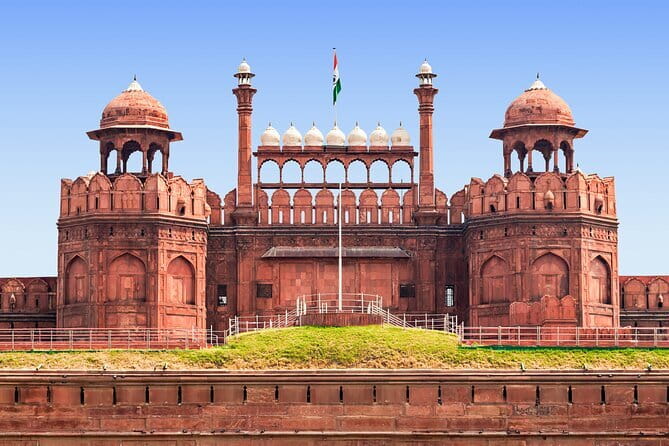
The Golden Triangle is a simple idea: three cities, one classic loop, and a fast crash course in India’s most famous architecture and historical layers. In 6 days, you’ll go from Delhi’s imperial and memorial landmarks to Jaipur’s royal-era planning, then into Agra for the big one, the Taj Mahal, plus a second power stop at Agra Fort.
The value of this tour is not just that it hits the headline sites. It’s that the itinerary is structured so you are never trying to solve logistics between stops. You get an English-speaking guide, an air-conditioned vehicle, and entrance fees handled for what’s on the plan. For first-timers, that makes the trip feel manageable even when the cities themselves are busy and sensory overload hits.
You should still go in with realistic expectations. Visit times are set, so you will see a lot, but you won’t have hours of wandering at every stop. If that sounds like your style, you’re in the right place.
You can also read our reviews of more tours and experiences in New Delhi.



Hotel Nights and Transport Comfort: Suryaa, Four Points, Grand Mercure
Where you sleep affects everything in India. After hot walks and camera-ready queues, you want a room that feels like a reset button, and this tour chooses three major, recognizable properties: The Suryaa in Delhi, Four Points by Sheraton in Jaipur, and Grand Mercure in Agra.
You also get an air-conditioned vehicle for the driving days. That matters in practice. Even if you love sightseeing, you need that predictable comfort to recover, especially on the longer day when you travel from Delhi to Jaipur early in the morning and again on the final day when you transfer back to Delhi for your flight.
One detail that stood out in service feedback: the driver experience. Mr. Vipin was specifically praised for being an educated guide while also being a great driver, and the car came with daily refreshments. That kind of small care makes a big difference on an itinerary with early starts and frequent movement.
Expect breakfast included for 4 mornings. Since you have 5 nights, that usually means you get breakfast most, but not necessarily every, morning on the exact schedule. Plan your caffeine and breakfast habits accordingly.
Delhi Day 1 and Day 2: Meeting, Then Mughal and Colonial Icons
Your tour starts at Indira Gandhi Intl Airport in New Delhi, with a 9:00 am meeting time. Pickup is offered, and you’re met by a representative and transferred to your hotel for check-in on arrival day. Day 1 is essentially getting settled in Delhi, with the tour focusing on being ready for the full sightseeing day next.
Then Day 2 is a guided sweep through major Delhi landmarks, with entrance tickets included at each scheduled stop.
Raj Ghat and India’s Modern Symbol Sites
You start at Raj Ghat, the memorial where Mahatma Gandhi was cremated. The stop is short, about 30 minutes, but it’s emotionally weighted. If you want one place on this tour that connects the country’s modern identity with the past, this is it.
A practical tip: keep your expectations for how solemn spaces work. Move quietly, follow guide instructions, and treat it like a memorial, not a photo set.
Chandni Chowk Pass: Old Delhi Market Energy
Next, you pass through Chandni Chowk, described as an extremely famous and busy market area. You’ll see daily life and street trade close up, even if you’re not doing a deep dive into shopping.
If you want to grab snacks or small gifts, this is the moment to remember it. The tour includes monument entry fees, but it does not necessarily include extras like market purchases.





Jama Masjid: A Major Mosque Built by Shah Jahan
Jama Masjid is next, with about 45 minutes. This is one of India’s iconic, historic large mosques, built by Shah Jahan. The architecture and scale can feel huge in person, especially if you have a good view of the courtyards from where your guide positions the group.
Wear comfortable shoes. You’re in a religious space, and you’ll likely do standing and walking. Also, dress modestly and follow any local guidance from staff.
Qutub Minar: UNESCO Monument With Real History Weight
Qutub Minar is a UNESCO World Heritage Site, built in 1192 by Turk ruler Qutb-Ud-Din Aibak, and the visit is about 1 hour. This stop is worth your attention because it’s not just a landmark, it’s part of a larger archaeological feel in the area.
This is also a great place to slow slightly within the allotted time. Look at the tower details and the surrounding grounds rather than rushing toward the same angle everyone takes.
Humayun’s Tomb: UNESCO Beauty With a Live Feeling
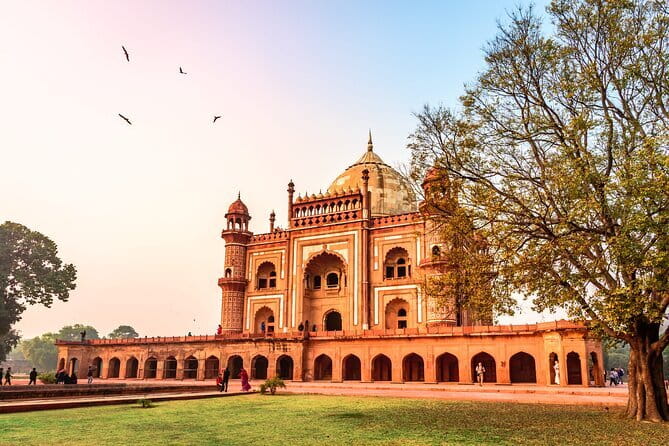
Humayun’s Tomb is another UNESCO stop, with about 1 hour 30 minutes. The listed note calls it historically touching and very beautiful, and that’s exactly what you tend to notice here, a balance of calm design and the sense that people are still experiencing it now, not just viewing it.
If you’re someone who enjoys gardens and symmetry, you’ll probably like this stop more than you expect. But if you’re only chasing the biggest photo moments, give yourself a real 10-minute pause to look around.
India Gate and Government Buildings Drive-by
After the UNESCO sites, the tour hits India Gate for about 30 minutes. It’s a war memorial and a national pride symbol, and it works as a “breather” after heavy architectural stops.
You then pass by Parliament House, President’s House, and government secretarial buildings. This is not long walk time. It’s a drive-by, so treat it as context for how modern Delhi sits alongside the older heritage landmarks you just saw.
Lakshmi Narayan Temple: A Different Religious Tone
The final Delhi stop is Laxmi Narayan Temple, about 30 minutes. It’s dedicated to Goddess Lakshmi and Lord Narayan. This is a nice change of pace from the Mughal-heavy sights earlier in the day because it shifts you into a different style of devotional space.
If your goal is to understand India through multiple lenses, this ending stop helps. If you’d rather have more time at one of the big UNESCO sites, this is the stop most likely to feel short.
Jaipur Transfer Morning: Why Starting Early Matters
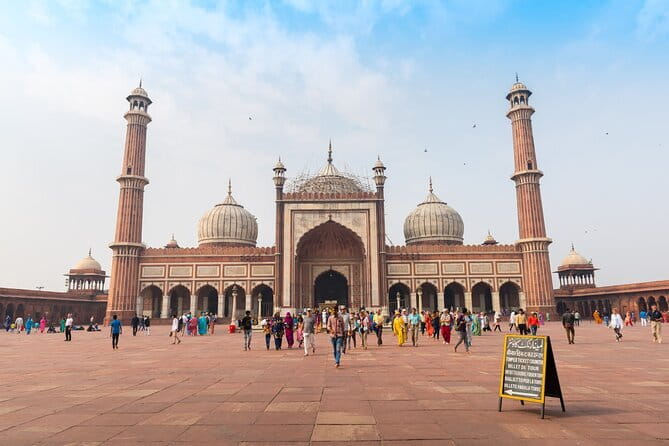
On Day 3, you drive from Delhi to Jaipur early in the morning. The plan notes Jaipur’s origin about 260 years back, built by Maharaja Jai Singh, and that the city got its name from this king.
You won’t have time to do a slow roadside sightseeing day here, and you don’t need to. The value is that you arrive with daylight and energy for the next structured stops on Day 4. In an itinerary like this, the schedule is the point.
If you easily feel travel fatigue, you’ll be grateful for two things: the air-conditioned car and the fact that this is a private tour, meaning your group pace is typically easier to manage than a big bus full of strangers.
Jaipur Day 4: City Palace, Jantar Mantar, and Fort Time
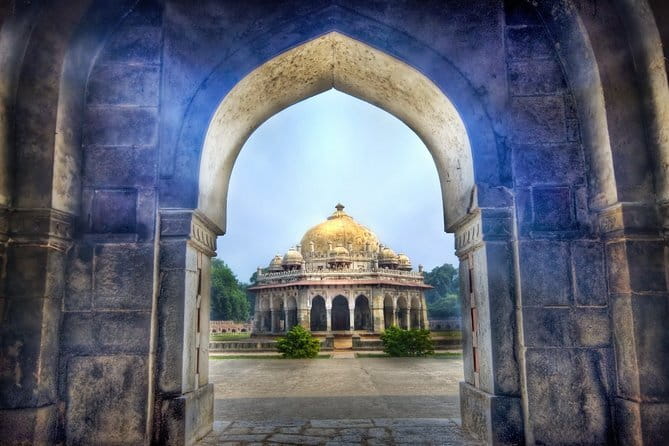
Jaipur is the “royal India” chapter, with a mix of palace grandeur and planning genius. Day 4 is built around three major sights, plus a drive past one of the most recognizable facades.
City Palace: A Stack of Styles in One Place
City Palace gets about 45 minutes, and it’s described as a royal palace with seven stories and a blend of Mughal, Rajput, and European styles. That mix is the key to making this stop more than just a pretty building.
For you, the main question is what style you’ll notice first. If you like architectural variety, you’ll enjoy the way these influences show up in sections of the palace complex. If you like photographing symmetry, you’ll likely focus on angles and courtyards.
Jantar Mantar: The Observatory Stop That Feels Different
Next is Jantar Mantar, the observatory, with about 45 minutes. The itinerary notes it attracts mathematicians and astronomers from around the world.
This is a fun counterpoint to palaces. You shift from “power and wealth” to “science and measurement,” and it gives the day balance. Even if you don’t know the technical details, you’ll probably enjoy looking at how the site is built to work like an instrument.
Hawa Mahal: A Famous Facade, Seen From the Road
You drive past Hawa Mahal, known for its extraordinary structure. Since it’s a drive-by, you won’t get the same hands-on time here as at the major stops. Still, it’s one of those Jaipur icons that helps your brain lock onto the city’s identity fast.
If you want more time for Hawa Mahal itself, you could plan extra time in Jaipur separately. This tour keeps it efficient.
Fort Visit: The Ending Note in Jaipur
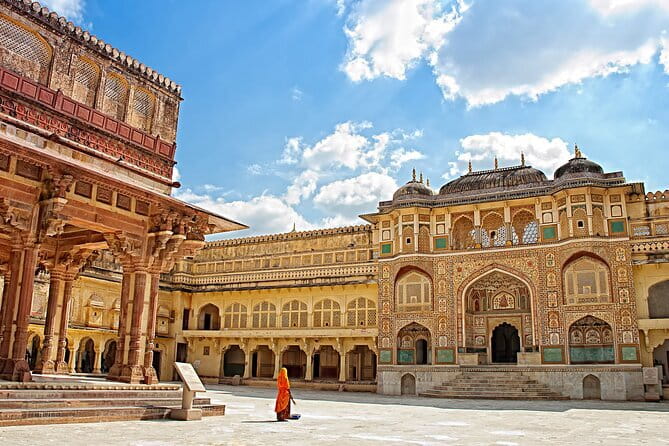
The day ends with a visit to a fort, described generally as later visit Fort. Because the fort name is not specified in your tour details, I recommend keeping your expectations flexible and focus on what forts tend to deliver: views, defensive design, and a strong sense of scale.
At this point, by the way, you’ll be glad you wore layers earlier in the day. Jaipur can shift through the day, and forts usually involve walking and sun exposure.
Agra Day 5: Taj Mahal Time Plus Agra Fort
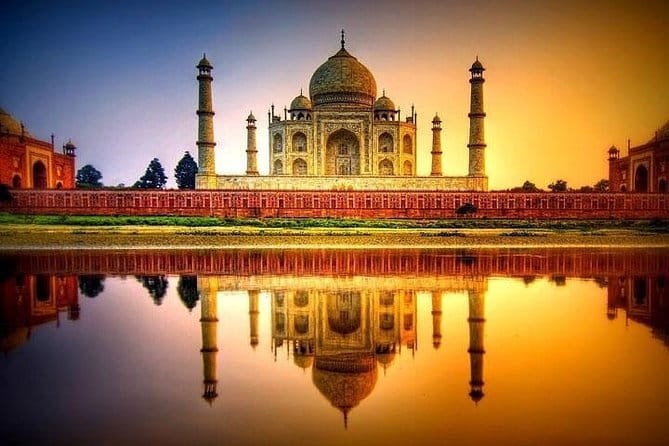
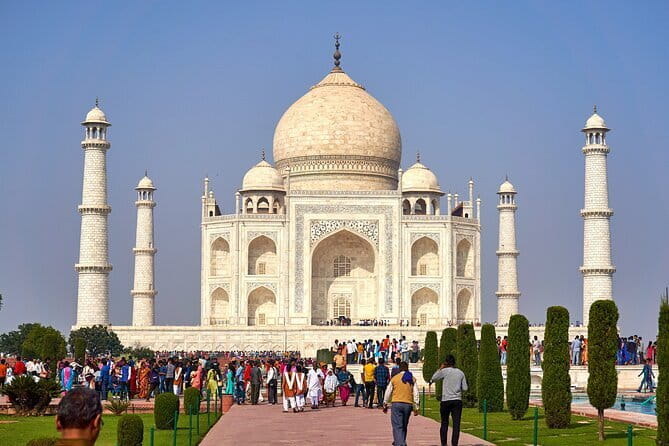
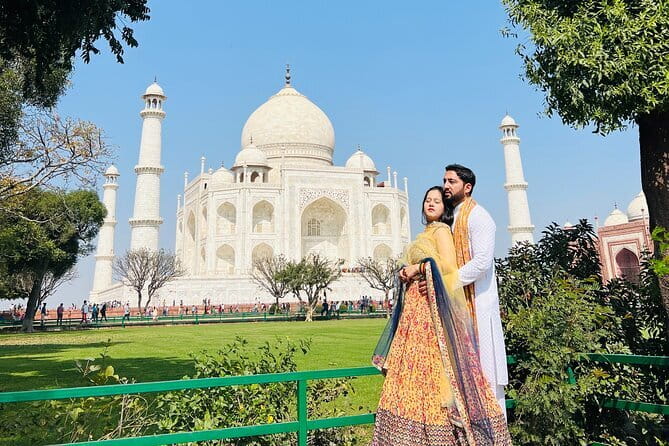
Day 5 is your big Agra day, and the plan gives Taj Mahal about 2 hours. That’s enough time to see the main marble structure in good light, read the site atmosphere with your guide, and still get a few angles without panic.
Taj Mahal: The White Marble, the River Setting, the Big Meaning
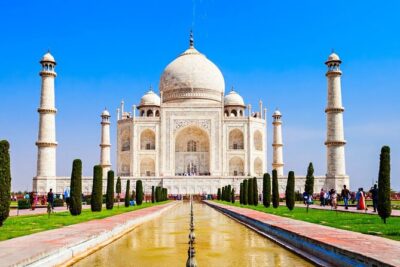
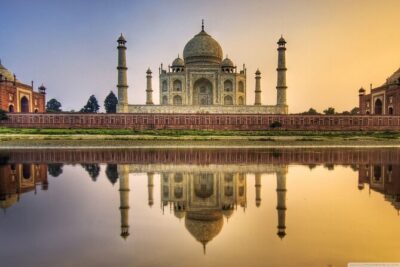
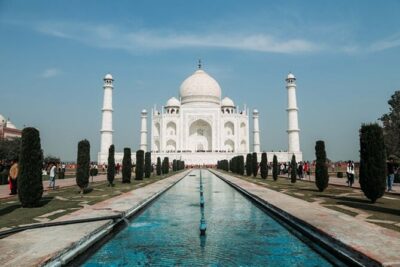
The tour description highlights Taj Mahal’s white marble construction by Mughal Emperor Shah Jahan, and its majestic setting on the banks of the Yamuna River.
What this tour setup does for you is simple: it prioritizes time. Many quick options rush Taj Mahal in a way that feels stressful. Here, 2 hours gives you room to focus on what matters to your senses, texture, symmetry, and that slow-moving crowd energy around the monument.
Practical note: treat it like a main event. You’ll likely be standing in lines at entry and adjusting your plans for crowds. Keep your camera strap secure and carry water.
Agra Fort: A Second UNESCO Power Stop
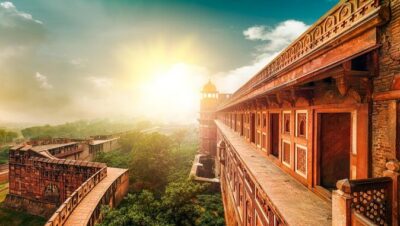
After Taj Mahal, you visit Agra Fort for about 1 hour. It’s described as a UNESCO World Heritage Site built in the sixteenth century by Shah Jehan, admired for its architectural shape and known for fitting fairy-tale style palaces such as Khas Mahal.
This stop is where the day’s meaning deepens. Taj Mahal gives you the romance and the iconic image. Agra Fort gives you the power and the defensive context, plus the sense that this city was built to function as an empire center.
If Taj Mahal is the emotional magnet for you, Agra Fort is the brain anchor.
Day 6 Transfer Back to Delhi: Plan Around Flight Timing
Day 6 is transfer from Agra to Delhi airport in time for your return flight. The tour notes that many flights leave after midnight, so lodging isn’t included in Delhi.
This is worth planning for. If your flight timing is late, you may want to arrange your own post-tour comfort, like booking an airport hotel day-of or making sure your own schedule covers the wait. The tour itself ends with the transfer, so you won’t have a built-in comfort buffer.
Guides, Group Size, and How the Experience Runs Day-to-Day
This is a private tour, meaning only your group participates. The price is listed at about $1,542 per group for up to 2 people, and your group gets its own pace within the schedule.
You’re also not traveling completely solo in the planning sense. The designated tour manager stays in touch throughout the tour, and the guide is English-speaking. In the feedback I saw, there were strong guide mentions. A French-speaking guide named Mr. Arun was praised for guiding a group of six across Delhi, Jaipur, and Agra, and tour planning support from Siddant Maheshwari was specifically called out for going above and beyond.
That combination matters because Golden Triangle travel can get tiring if you are constantly asking where to go next. Here, you get a consistent handoff from one major stop to the next.
One more practical note: the tour lists a moderate physical fitness level. That’s code for you being okay with walking through historic sites, standing for views, and moving at a steady tourist pace. If you have mobility challenges, you’ll want to ask what the walking looks like for each monument.
Price and Value for a Private Golden Triangle
At about $1,542 per group (up to 2), this tour sits in the mid-to-premium range largely because it’s private, includes entrance fees, and includes 5 nights of hotel accommodation.
Here’s how I judge the value for you:
- Entrance fees are included at the scheduled monuments, which removes one of the annoying cost surprises in India.
- You get private transport with air-conditioning, which is a real quality factor, not a luxury extra.
- You’re getting hotel nights in three named properties across the loop cities.
- You’re not handling the time-consuming planning between stops, which can be worth serious money if you want the trip to feel smooth.
If you’re comparing with cheaper options, the trade is usually less coordination, fewer included entries, or longer waits. If your priority is comfort and clarity, the price makes sense.
If your priority is maximum flexibility and you like designing your own days, a do-it-yourself route might be cheaper. But then you need to be comfortable with tickets, timing, and navigation.
Who This Tour Suits Best
This Golden Triangle tour fits you best if:
- You want the classic Delhi, Jaipur, Agra hits without friction
- You appreciate guided context at major monuments like Raj Ghat, Jama Masjid, Qutub Minar, Humayun’s Tomb, Taj Mahal, and Agra Fort
- You prefer a private group setup with an English-speaking guide
- You’d rather pay for coordination than manage logistics yourself
It may feel less ideal if:
- You want lots of free time in each city
- You’re sensitive to a tight itinerary and shorter visit windows
- You’re traveling with specific mobility needs and might struggle with standing and walking
Should You Book This Golden Triangle India Tour?
I’d book it if you want a clean, guided first-timer Golden Triangle experience where key costs are handled and your days run on schedule. The combination of private transport, entrance fees included, and solid hotel stops makes it a smart value for couples and small groups.
I’d think twice if you hate fast pacing or if your travel style needs long, slow museum hours and unplanned stops. Also, plan ahead for Day 6, because lodging in Delhi isn’t included while the tour handles your airport transfer timing.
If you like structure and want the famous sights handled well, this tour is a strong bet.
FAQ
What cities are included in the Golden Triangle tour?
The tour covers New Delhi, Jaipur, and Agra.
How long is the tour and how many hotel nights are included?
The duration is about 6 days, with 5 nights of hotel accommodation.
Are monument entrance fees included?
Yes. Entrance fees at monuments are included as per the itinerary, and the tour includes all fees and taxes.
Is this a private tour?
Yes. It is private, so only your group participates.
Where does the tour start and what time?
It starts at Indira Gandhi Intl Airport in New Delhi, with a 9:00 am start time.
What happens on the last day if my flight is late?
On Day 6, you are transferred from Agra to Delhi airport in time for your return flight, and lodging is not included in Delhi if flights leave after midnight.
What is the cancellation refund window?
You can cancel up to 6 days in advance for a full refund. A 50% refund applies if you cancel 2 to 6 full days before the experience’s start time. If you cancel less than 2 days before, the amount paid is not refunded.
More Tour Reviews in New Delhi
Not for you? Here's more nearby things to do in New Delhi we have reviewed








More Golden Triangle Tours to consider.
 ★ 5.03-Days Private Golden Triangle Tour: Delhi, Agra & Jaipur by CarTickets from $1271,107 traveller reviews
★ 5.03-Days Private Golden Triangle Tour: Delhi, Agra & Jaipur by CarTickets from $1271,098 traveller reviews
★ 5.03-Days Private Golden Triangle Tour: Delhi, Agra & Jaipur by CarTickets from $1271,107 traveller reviews
★ 5.03-Days Private Golden Triangle Tour: Delhi, Agra & Jaipur by CarTickets from $1271,098 traveller reviews
 ★ 5.03-Day Delhi, Agra and Jaipur Private Tour – India Golden TriangleTickets from $110812 traveller reviews
 ★ 5.0Four-Day Private Luxury Golden Triangle Tour to Agra and Jaipur From New DelhiTickets from $160807 traveller reviews
 ★ 5.05 Nights 6 Days Private Golden Triangle Tour – Delhi Agra JaipurTickets from $240574 traveller reviews
 ★ 5.04 Days Golden Triangle TourTickets from $146499 traveller reviews
 ★ 5.0Private Car and Drive for Golden Triangle (4N/5D)Tickets from $167451 traveller reviews
 ★ 5.0Private Golden Triangle Tour Delhi Agra Jaipur ( Top Rated )Tickets from $148436 traveller reviews
More useful Delhi routes