
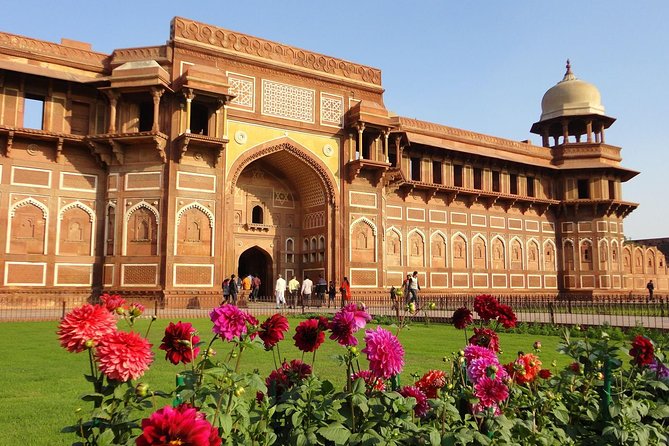
Review · GOLDEN TRIANGLE TOURS
India Golden Triangle Tour 03 Nights 04 Days with Accommodation
Golden Triangle in 4 days sounds intense. It is, but the structure is smart, and you get private attention with skip-the-line access to keep things moving. I especially like how the plan clusters the big landmarks in Delhi, Agra, and Jaipur without making you guess your next move. One thing to watch: the driving day-to-day can feel packed, and vehicle comfort may depend on your group size.
On the sightseeing side, I like the mix of iconic sights plus very “real India” stops like Jama Masjid and the Baháʼí Lotus Temple. You’ll also see a classic arc: Mughal power in Agra, Rajput grandeur in Jaipur, and Delhi’s layered story everywhere you look. If you are the type who likes long, slow museum time, you may want to pace yourself during the busiest windows.
Key Highlights You Actually Get
- Private tour flow: you follow your own group pace with an English-speaking guide
- Skip-the-line access to popular attractions (entry fees are separate)
- 3 nights of accommodation plus breakfasts so mornings start without extra hunting
- A tight Golden Triangle route that hits Delhi, Agra, and Jaipur in 4 days
- Pickup from Delhi airport or your location to reduce the first-day stress
- Hands-on photo opportunities at Taj Mahal when timing is handled well
The Golden Triangle, Compressed But Not Chaos
The Golden Triangle route, Delhi to Agra to Jaipur, is popular for a reason. It’s the easiest way to see India’s “headline” culture in a short window. This tour leans into that goal. You are not doing a loose, wander-everywhere trip. You are doing a planned sprint with enough guide support to keep it from turning into a logistics headache.
The upside is simple: you can check off major sights without spending half your trip figuring out entrances, tickets, and meeting points. You also get the classic arc of Northern India. Day 1 sets the stage in Delhi with monuments that explain the city’s layers. Day 2 flips to Mughal prestige in Agra. Day 3 goes full Rajput in Jaipur. If you have only a few days, the order makes sense.
The trade-off is pace. Even with a private car and an English-speaking guide, you will be on the move. Expect long days, especially around transfers. If you hate crowds, bring a calm mindset. If you plan your timing well (more on that later), you can still have enjoyable moments.
You can also read our reviews of more tours and experiences in New Delhi.



Price and Value: What $460 Covers, and What You Should Budget For
At $460 per person for about 4 days, this is priced for people who want a lot of “guided itinerary time.” The key included items are the things that usually cost you energy and money while traveling:
- Private tour with an English-speaking guide
- Guaranteed skip-the-line
- Pickup from Delhi airport or any location
- 3 nights accommodation and 3 breakfasts
- 2 bottles of mineral water per day
- Mobile ticket
What is not included is important. The tour says monument fees are not included. In other words, you may still pay entry tickets for many sites. The itinerary even flags which stops are not included.
So is it good value? For the right traveler, yes. This price helps you buy three things:
1) less time wasted between sights
2) less mental load finding what to do next
3) a smoother experience thanks to skip-the-line access and guide direction
If you are the kind of traveler who enjoys independent planning and already knows which tickets you want, a self-guided option could be cheaper. But if you want a guided plan that compresses the Golden Triangle into 4 days, this is a reasonable package.
Day 1 in New Delhi: India Gate to Qutub Minar to Jama Masjid
Your first day is basically Delhi’s “greatest hits,” with a few stops that add texture beyond the postcard icons. You start with pickup from Delhi airport and any location, then you go into sightseeing before driving to Agra.
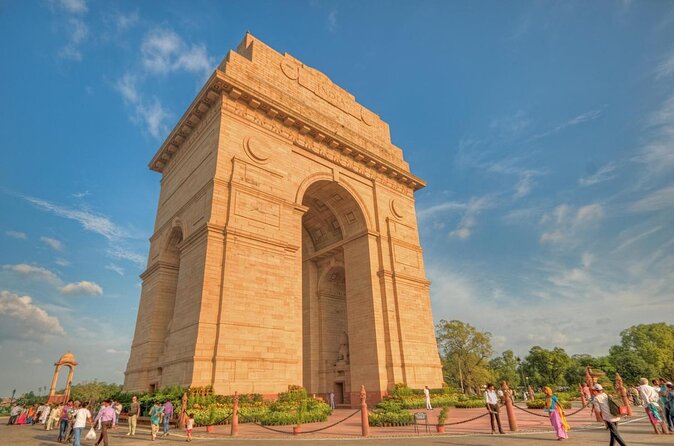
India Gate, the Ceremonial Axis Moment
India Gate sits on Rajpath, part of the ceremonial axis in New Delhi. It is a war memorial, so it reads differently than a typical monument. You’ll likely have a short window here, enough to get oriented and take photos without turning it into a long detour.
This stop is useful even if you don’t spend long. It gives you a reference point for how Delhi was planned, and it sets the “big government city” mood for the day.
Parliament House: Quick Look, Real Context
Parliament House is not included for admission, but you’ll stop for a brief visit window. Even a short stop helps you understand how New Delhi’s identity blends modern governance with older cultural gravity.




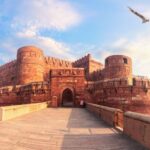
Qutub Minar: UNESCO Energy
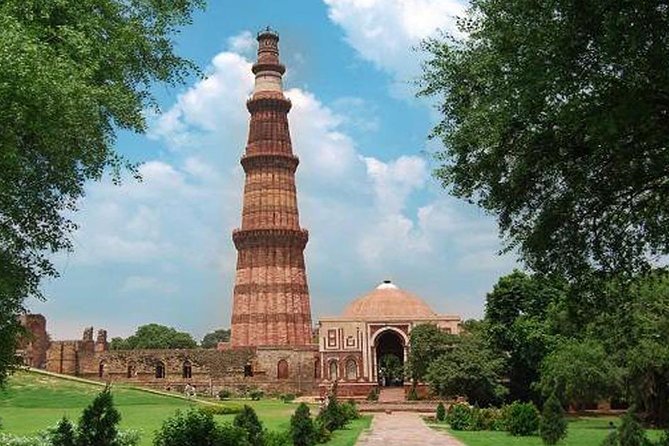
Qutub Minar is part of the Qutub complex, a UNESCO World Heritage Site. Your visit window is about an hour. This is one of those places where timing matters. If you go in with patience, you can appreciate the minaret’s role in the story of Delhi’s Sultanate-era architecture.
Because admission is not included, you should expect to pay the site entry ticket yourself.
Jama Masjid: Scale You Feel in Your Body
Jama Masjid is a major Mughal-era mosque, built by Shah Jahan between 1650 and 1656. You get about an hour. This is one of the strongest “feel it” stops in the itinerary. The scale is obvious the moment you arrive, and the atmosphere shifts from street-level traffic to a more structured, reverent space.
Admission is not included, so budget for entry fees.
Lotus Temple: Calm Contrast
The Lotus Temple is a Baháʼí House of Worship with a distinctive flower-like design. It is open to all, regardless of religion, which makes it a good option when you want a breather without paying extra for a special experience.
Your visit time is about 30 minutes. That’s enough to enjoy the architecture and take photos, without rushing.
Evening Drive to Agra: Expect Travel Time
After Delhi sightseeing, you drive to Agra and sleep there for the night. The itinerary puts the transfer at around 3 hours. In real life, traffic and road conditions can stretch that, so keep water handy and stay flexible.
Taj Mahal in the Morning: How to Make This Stop Count
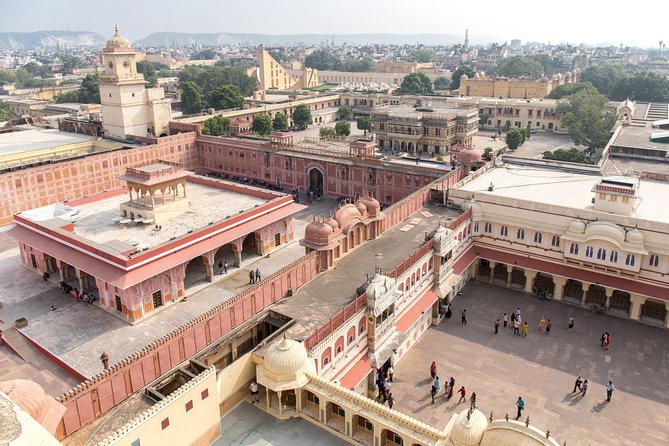
Day 2 is the main event. After breakfast and check-out, you head to Agra for the Taj Mahal. The time window is about 3 hours for the Taj and the rest of the Agra highlights, with the fort later in the day.
Taj Mahal: Why Morning Helps
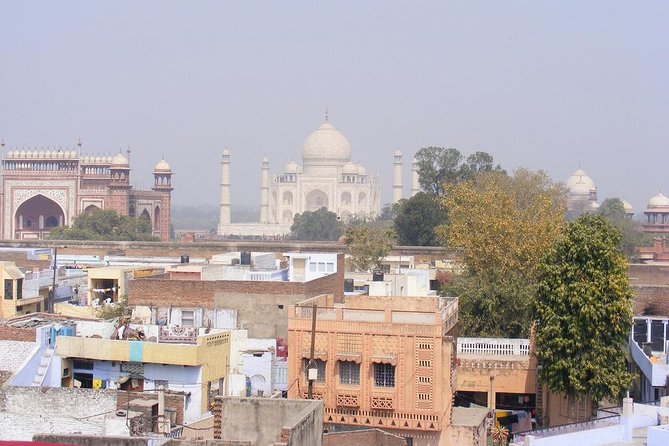
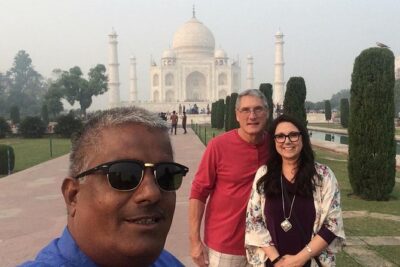
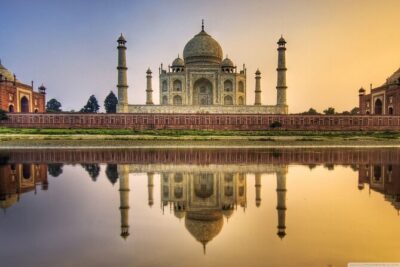
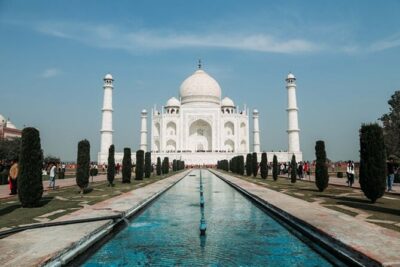
The Taj Mahal is a monumental Mughal masterpiece built by Shah Jahan for Mumtaz Mahal. You visit in the morning, which is usually the best move for softer light and fewer headaches than a midday rush.
The main value of having a guide on this stop is not just history. It is flow. You want to spend your limited hours seeing, not waiting.
In past experiences tied to this route, drivers like Dinesh have been praised for handling the day well and helping guests capture great photos. That kind of practical care matters more than people expect on Taj days.
Agra Fort: Power, Not Just Beauty
After the Taj, you visit Agra Fort, including places like the Pearl Mosque and halls for public and private audience. This stop is about an hour.
If Taj Mahal feels like poetry, Agra Fort feels like the court behind the poem. You get a clearer sense of how power worked in Mughal times.
Admission is not included, so add monument fees to your budget.
Drive to Jaipur and Check-In
After Agra, you drive to Jaipur and check into your hotel. Your day ends with relaxation time and an overnight stay.
This structure works for two reasons. First, it prevents you from spending your best daylight hours on another late-night transfer. Second, it gives you time to reset before Jaipur sightseeing starts.
Jaipur Day 3: Amer, Hawa Mahal, City Palace, Jantar Mantar, Jal Mahal
Day 3 is packed in a good way. It is classic Jaipur: forts, palaces, and the city’s mathematical streak.
You start with Amber Palace (Amer Fort), then you move through Jaipur’s main highlights.
Amber Palace: The Hilltop Fort Experience
Amer Fort is located about 11 kilometers from Jaipur on a hill. It is a principal tourist attraction and the visit window is about 2 hours.
This is the stop where you get the “Rajput spectacle” feeling. The fort setting helps. You are not just walking halls, you are moving through a defensible, elevated stronghold that was built to impress.
Admission is not included, so plan for that.
Hawa Mahal: Quick, Iconic, and Photo-Friendly
Hawa Mahal, the Palace of Wind, is red and pink sandstone and sits along the City Palace edge, extending to women’s chambers. You get about 30 minutes.
It is short, but it is memorable, especially for photos. If you want a quick win, this is one.
City Palace: Where Jaipur’s Royal Seat Still Shows
City Palace includes palaces like Chandra Mahal and Mubarak Mahal, plus other buildings. You get about an hour.
This stop tends to reward people who like details. Even if you are not a “museum person,” you will likely appreciate seeing how royal authority was expressed in architecture and space.
Jantar Mantar: Jaipur’s Astronomical Side
Jantar Mantar is a UNESCO World Heritage site with 19 architectural astronomical instruments built by Sawai Jai Singh II, completed in 1734. You get about an hour.
This is one of the most interesting contrasts in the day. Jaipur is not just forts and pretty facades. It also shows serious scientific curiosity, expressed in stone.
Jal Mahal: The Lake-Side Pause
Jal Mahal is a palace in the middle of Man Sagar Lake. You get about 30 minutes.
It is easy to treat this like a quick viewpoint stop, but it actually gives you a mental break. The lake setting helps you slow down just enough before the rest of the day finishes.
Return to Your Hotel
You end with an overnight stay in Jaipur. Since the itinerary doesn’t schedule anything late-night, it is a good day to plan your evening like a local. If your hotel is comfortable, this is when you benefit from that extra rest.
Day 4: Drop-Off in Delhi or Jaipur, No Last-Minute Panic
After breakfast, you are dropped at your location in Delhi or Jaipur. The itinerary doesn’t specify a fixed final sightseeing plan on day 4, which is a smart choice if you want your trip to end cleanly.
This makes the biggest difference for real life. Flights and trains do not care about your “one last stop” wish list. A proper drop-off plan reduces the risk of scrambling.
Skip-the-Line Access: What It Means for Your Time
The tour includes guaranteed skip-the-long-lines. That is a big deal on the Golden Triangle, especially around Taj Mahal and major Delhi and Jaipur sites where waiting can eat hours.
But there is a nuance. The tour also states monument fees are not included. So skip-the-line likely helps with entry processing and time loss, not with covering the ticket itself.
What I recommend: treat skip-the-line as “time protection.” You still need to be ready to pay entry where required. Bring cash or card if your operator recommends it, and listen to your guide about where you need to go within the complex.
Also, plan for the emotional rhythm of a packed day. When lines are shorter, your brain thinks you can see everything. That is not always true. Use your guide’s pacing and keep your priorities straight. You’ll enjoy the experience more that way.
Guide and Driver: The Human Part of the Itinerary
This tour is private, so your guide and driver do a lot more than you might think. They manage timing. They manage transitions between sites. They explain what to notice so you do not have to guess.
English-speaking guidance matters in Delhi and Agra because the streets are active and instructions can be confusing without support. A good guide also helps you make choices. For example, you have limited time at places like Hawa Mahal and Jal Mahal. A guide can steer you to the best viewing angles and help you avoid wasted minutes.
The strongest praise linked to this route in the information you provided includes drivers such as Dinesh and Shaymo Singh for navigating the busy streets and keeping things safe and smooth. Names show up because good navigation and calm communication feel personal on tours like this.
Where This Itinerary Feels Tight, and Where It Feels Right
Let’s talk honestly about how this tour will feel.
You’ll likely love it if:
- you want a high-volume Golden Triangle itinerary without planning stress
- you value private attention and an English-speaking guide
- you care about time savings from skip-the-line access
- you like having mornings set up with breakfast already handled
You should consider carefully if:
- you dislike packed schedules and long days
- you are picky about vehicle space or comfort
- you prefer fully independent travel where you control every timing decision
One concern that came up in the experience data is comfort. There is mention of a smaller car feeling cramped for some guests. The operator’s clarification is that for 1 to 3 guests, they provide a sedan that seats 4 plus a driver. That means your exact comfort will depend on your group size.
If you are booking and you are sensitive to space, ask what vehicle type you will get for your specific party size before you commit.
Should You Book This Golden Triangle Tour?
If you want a focused Delhi, Agra, Jaipur overview in 4 days, this tour makes a lot of sense. It is structured, guided, and built to reduce time loss. The included breakfasts, 3 nights of accommodation, and skip-the-line promise mean you are buying convenience, not just sightseeing.
I’d say book it if your travel style is: you want to see a lot, you like guidance, and you can handle a busy pace. It is especially good for first-timers who want to hit the headline landmarks without turning the trip into a map exercise.
I’d hesitate if your style is slow travel, deep museum time, or you are very sensitive to vehicle comfort. In that case, ask questions early about car size and how the schedule will feel for your group.
If you do book, keep one strategy in mind: choose what you care about most, then let the guide handle the rest. That is how this itinerary stays fun instead of frantic.
FAQ
What is included in the tour price?
The tour includes a private tour with an English-speaking guide, guaranteed skip-the-line access, 3 nights accommodation, breakfast (3), pickup from Delhi airport or any location, 2 bottles of mineral water per day, and a mobile ticket.
Are monument fees included?
No. Monument fees are not included.
What stops are included in Delhi on Day 1?
Day 1 includes New Delhi sightseeing such as India Gate, Parliament Building, Qutub Minar, Jama Masjid, and Lotus Temple, followed by a drive to Agra.
What are the main attractions in Agra and Jaipur?
In Agra, the highlights are the Taj Mahal and Agra Fort. In Jaipur, the highlights are Amber Palace, Hawa Mahal, City Palace, Jantar Mantar, and Jal Mahal.
Is this tour private?
Yes. It is a private tour/activity, and only your group participates.
Where will you be dropped off at the end of the tour?
After breakfast on Day 4, you are dropped at your location in Delhi or Jaipur.
Can I cancel for a full refund?
Yes. You can cancel up to 24 hours in advance for a full refund. If you cancel less than 24 hours before the experience start time, the amount paid is not refunded.
More Tours in New Delhi
More Tour Reviews in New Delhi
Not for you? Here's more nearby things to do in New Delhi we have reviewed








More Golden Triangle Tours to consider.
 ★ 5.03-Days Private Golden Triangle Tour: Delhi, Agra & Jaipur by CarTickets from $1271,107 traveller reviews
★ 5.03-Days Private Golden Triangle Tour: Delhi, Agra & Jaipur by CarTickets from $1271,098 traveller reviews
★ 5.03-Days Private Golden Triangle Tour: Delhi, Agra & Jaipur by CarTickets from $1271,107 traveller reviews
★ 5.03-Days Private Golden Triangle Tour: Delhi, Agra & Jaipur by CarTickets from $1271,098 traveller reviews
 ★ 5.03-Day Delhi, Agra and Jaipur Private Tour – India Golden TriangleTickets from $110812 traveller reviews
 ★ 5.0Four-Day Private Luxury Golden Triangle Tour to Agra and Jaipur From New DelhiTickets from $160807 traveller reviews
 ★ 5.05 Nights 6 Days Private Golden Triangle Tour – Delhi Agra JaipurTickets from $240574 traveller reviews
 ★ 5.04 Days Golden Triangle TourTickets from $146499 traveller reviews
 ★ 5.0Private Car and Drive for Golden Triangle (4N/5D)Tickets from $167451 traveller reviews
 ★ 5.0Private Golden Triangle Tour Delhi Agra Jaipur ( Top Rated )Tickets from $148436 traveller reviews
More useful Delhi routes