

Review · DELHI CITY TOURS
New Delhi- Authentic Hands on Indian cooking class & meal
Hands-on Indian cooking in a Delhi studio is a smart way to learn what actually makes a meal taste Indian. I like that you get spice lessons tied directly to technique, not just a quick demo, and you finish by eating the thali-style meal you made. One thing to consider, this is an active 3 hours, so if you want a sit-and-watch experience, this won’t feel like the right match.
You’ll start with a warm welcome and a refreshing drink, then work with a local English and Hindi instructor in a home-style kitchen setting. I also appreciate that you can pick your menu, and you leave with recipes you can use again, not just memories.
Key Things to Know
- Tastesutra Studio location: Plan to reach it via Delhi Metro, get off at Lajpat Nagar
- A full meal from scratch: Chicken curry, paneer dish, dal, seasonal veg, roti, paratha, rice, and dessert
- Spices with purpose: You learn how spices are used, not just their names
- Hands-on, step-by-step cooking: The class is organized in a course-style flow, with plenty of guidance
- Diet requests are welcome: Tell the host about allergies or preferences for possible menu customization
- No hotel pickup: You’ll handle your own way there and back
A Delhi kitchen lesson with real food, not performance
This cooking class is built around a simple idea: you learn best when your hands are doing the work. You meet at Tastesutra Studio, settle into a warm, homestyle setting, and get the feeling you’re preparing lunch with a local host rather than attending a staged show.
The pace works for first-timers. You’re not expected to know Indian cooking terms in advance. Instead, the instructor guides you through the flow of a typical Indian meal, from spice prep to sauces to bread-making, then you sit down together to eat what you made.
I especially like the way the class treats spices as tools with jobs. You’re not just tasting a few pinches here and there. You learn what different spices do and where they fit in the cooking process. That turns into practical confidence you can reuse later when you cook at home.
You can also read our reviews of more cooking classes in New Delhi
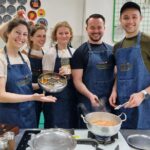
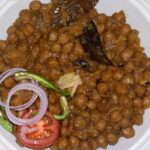
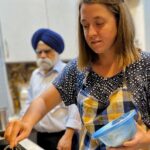
What you’ll cook: the full thali-style lineup
You’re planning for a 3-hour session, and the menu includes a complete Indian meal. Here’s what you can expect you’ll prepare, plus how it helps you learn.
Welcome drink to start you off
Your session begins with a warm welcome and a refreshing Indian drink, commonly masala chai or lassi. It’s a small thing, but it sets the mood. You’re settling in with a local touch before you start chopping, grinding, and cooking.
Chicken curry, built from technique
The chicken curry is your anchor dish. Curry in India is not one single flavor. It’s a method, built from layering spices, building the base, and simmering until the sauce and chicken work together. In a class like this, the value isn’t only tasting the final plate. It’s learning how the curry comes together step by step so you can repeat the method later.
Paneer dish, the learnable comfort food
You’ll also make a paneer (cottage cheese) dish. Paneer is ideal for a cooking class because it’s approachable, and you can really see how timing and handling affect texture. If you’ve had paneer before and wondered why some versions taste smooth while others feel heavy, this is exactly the kind of class where you pick up those details without any intimidation.
More New Delhi tours and experiences for the shortlist


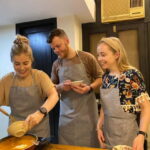

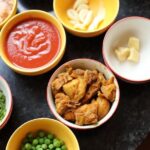

Dal (lentils) for the everyday backbone
A lentil (dal) preparation rounds out the “main meal” feeling. Dal matters because it teaches you how to balance thickness, seasoning, and taste as the lentils cook. It’s also the dish that most often makes home cooks feel, I can do this. Even when you’re not confident with spices, dal teaches you control.
Seasonal vegetable, so the meal feels complete
You’ll prepare a seasonal vegetable. This is useful if you want more than a plate of rich curries. Seasonal veg keeps the meal grounded and teaches you how to treat vegetables in Indian cooking, whether that means sautéing first, then simmering, or finishing with the right seasonings.
Roti and paratha, the hands-on bread section
You’ll make two types of Indian bread, typically roti and paratha, plus rice (served). Bread is where many cooking classes either rush you or skip the real work. In this one, the focus is on helping you understand the process, not just watching dough get rolled. If you’ve ever tried roti at home and ended up with thick, tough rounds, learning the method in person makes a difference.
Dessert served, so you can balance the meal
Traditional Indian dessert is served at the end. Even if you don’t plan to cook dessert again right away, it completes the meal. More importantly, it gives you a chance to compare sweet flavors to the spices you were using earlier, and notice how Indian meals often balance tastes across the course.
The course-style experience and why it matters
You might find the class feels organized like a 5-course flow, with each component taught as part of the bigger thali picture. That matters because your brain learns better when each dish builds on the previous skills, spice handling, and cooking rhythms.
Spices: more than labels, actual cooking jobs
This is where the class earns its top scores. The best part is not only that spices are used throughout the meal, it’s that you understand why they’re used.
You’ll learn about different spices and their uses, which helps you stop thinking in single-ingredient guesses. Instead, you start cooking with intent. For example, if a spice is meant for aroma early, you’ll see why it belongs at the start of a base. If another works better after a sauce has started simmering, you learn that timing affects flavor.
One real takeaway style you should expect is the ability to reproduce dishes at home. People leave with the feeling that the recipes are not mysteries. You’ve been shown what to do and how the dish changes as it cooks.
A practical tip for your own learning: taste as you go. The class structure encourages you to notice when a sauce needs a final adjustment. That habit is what turns a class meal into home success.
Bread and curry skills you can repeat at home
This class is hands-on, so you’ll do the cooking, not only hear explanations. That means you’ll likely cover skills in three buckets:
- Flavor building: Spice basics and how they combine to form a base.
- Texture and timing: How sauces thicken, how paneer behaves, and what happens when lentils cook too long or too short.
- Bread handling: Rolling and cooking roti and paratha without turning it into a frustrated dough experiment.
The biggest value for me is that these are exactly the skills that help you cook Indian food beyond one dish. Curry plus dal plus bread is a complete system. Once you understand the system, you can adapt it.
And if you’re the type who likes recipes you can actually follow, the fact that you take back many recipes is a major win. You don’t just leave with a vague memory of what tasted good. You leave with a path to repeat it.
The meal: a real thali moment at your own table
After cooking, you sit down as a group and eat your meal together. That simple part is surprisingly important. Cooking classes can turn into chaos, then you eat something separate that has nothing to do with your work. Here, the meal connects to your labor, so you can taste with a clearer understanding.
The thali style matters because you’ll experience the balance of dishes together:
- Curry and dal together show how sauce richness and lentil depth play off each other.
- Paneer and vegetables add different textures and tastes, so the meal doesn’t become monotonous.
- Bread and rice help you understand how Indian meals are often built around scooping, mixing, and finding your own bite balance.
If you’re traveling solo or as a couple, the shared table can also feel like a break from restaurant routines. You get conversation time with people in your class while still being focused on food.
Price and value: is $64 fair for 3 hours?
At $64 per person for a 3-hour experience, the key question is what you’re actually getting for your time.
You’re not paying just for ingredients. You get:
- Equipment, cutlery, and ingredients
- Lunch (the meal you cook)
- A welcome drink and/or water
- An English and Hindi instructor guiding you throughout
You also don’t get hotel pickup and drop off. That’s not a deal breaker, but it does mean your real cost includes your own transport to the meeting point.
Here’s my value take: $64 feels reasonable if you want hands-on instruction and a full meal outcome. If you only wanted to try one curry in a restaurant, you could spend less. But if your goal is to learn techniques you can repeat at home, you’re paying for time, coaching, and the complete meal you produce.
Getting there easily: Tastesutra Studio and the Lajpat Nagar metro stop
You meet at Tastesutra Studio. The most practical advice is to use Delhi Metro. Get off at Lajpat Nagar and make your way to the studio from there.
Plan for a short buffer. Delhi can move fast, but you’ll want a little time so you arrive calm and ready to cook, not rushing with wet hands and a rolling pin.
If you hate the idea of figuring out last-mile directions in a new city, this is your only real logistical caution. Hotel pickup is not included, so you’ll want to map the final walk or transport option before you go.
Who this class is best for
This experience fits best if you want more than a foodie souvenir.
It’s great for:
- First-time cooks who want step-by-step guidance and confidence, not intimidation
- Food lovers who want the “why” behind spices and flavor building
- Solo travelers and friend groups who like cooking together and then eating as a team
- People who enjoy Indian meals and want to recreate them at home with better technique
You should also book it if you’re the kind of traveler who likes practical skills. Cooking is one of the few travel activities that gives you a repeatable result, recipes you can actually use later.
A couple of considerations before you book
This class is designed for active participation, so it helps to go in ready to chop, stir, roll, and taste. If you want a quieter, observation-first activity, you might feel busier than expected.
Also, while a customized menu is possible, you need to communicate allergies or dietary preferences at booking so the host can try to accommodate you. If you don’t share details early, you may not get the adjustment you want.
And one hard rule: pets are not allowed.
Should you book this cooking class in New Delhi?
Book it if you want a hands-on way to learn Indian cooking techniques, spices with purpose, and a full meal that you can reproduce. The value sits in the combination: you cook, you understand what you’re doing, and you leave with recipes.
Skip or reconsider if:
- You want hotel pickup or an easy, passive experience
- You have strong mobility limitations that would make hands-on cooking uncomfortable
- You’re not interested in bread and curry techniques and only want tasting
If your goal is to come home able to cook an actual Indian meal, not just order one, this class is one of the better ways to spend a half-day in Delhi.
FAQ
How long is the cooking class?
The experience runs for 3 hours.
What dishes do you cook during the class?
You’ll cook a welcome beverage (such as masala chai or lassi), one chicken curry, one paneer dish, one lentil (dal) preparation, a seasonal vegetable, two Indian breads (roti and paratha), rice (served), and a traditional Indian dessert (served).
Is lunch included, and what about drinks?
Yes. Lunch is included, and you’ll also get a welcome drink and/or water.
Do they offer hotel pickup and drop off?
No. Hotel pickup and drop off are not included.
Where is the meeting point, and how do I get there by metro?
The meeting point is Tastesutra Studio. The Delhi Metro is recommended, and you should get off at the Lajpat Nagar metro station.
Can I request dietary preferences or let them know about allergies?
Yes. Let the host know at the time of booking if you have allergies or dietary preferences. Requests for specific dishes may be accommodated with a customized menu.
More Workshops & Classes in New Delhi
More Cooking Classes in New Delhi
More Tour Reviews in New Delhi






Not for you? Here's more nearby things to do in New Delhi we have reviewed









More Delhi City Tours to consider.
 ★ 5.0Old & New Delhi City Tour – Half or Full Day Options AvailableTickets from $384,811 traveller reviews
 ★ 5.0Same Day Taj Mahal, Agra Fort & Baby Taj Tour from Delhi by CarTickets from $624,304 traveller reviews
 ★ 5.0Taj Mahal Day Tour from Delhi by Superfast Train – TOP RATED TOURTickets from $1004,166 traveller reviews
 ★ 4.9Old and New Delhi Private Full or Half-Day TourTickets from $23,776 traveller reviews
 ★ 5.0Full Day Taj Mahal, Agra Fort & Baby Taj Tour from Delhi by CarTickets from $623,647 traveller reviews
 ★ 4.9From Delhi: Taj Mahal & Agra Private Day Trip with TransfersTickets from $43,181 traveller reviews
 ★ 5.0Taj Mahal Tour from Delhi by Express Train (Viator Award Winner)Tickets from $752,849 traveller reviews
 ★ 5.0All Inclusive Private Taj Mahal Luxury Tour from Delhi by CarTickets from $622,564 traveller reviews
More useful Delhi routes