
Review · GOLDEN TRIANGLE TOURS
7 Days Private Luxury Golden Triangle Tour With Ranthambore
Seven days, three cities, one wild heartbeat.
This private luxury Golden Triangle trip links Delhi, Agra, and Jaipur with real wildlife time at Ranthambore. You get private air-conditioned transfers, a live guide at the sights, and a hotel plan that’s meant to feel comfortable after long drives.
I love two things most: the monument days feel organized, not chaotic, and you are guided through the details instead of just taking photos and moving on. In Agra, the guide Ali and driver Anil come up for a reason, both for friendly help and for keeping the whole schedule running smoothly.
One consideration before you book: entrance fees are extra (about $68 per person), and a few big sights have fixed closures, like the Taj Mahal on Fridays and the Lotus Temple on Mondays. Also, the Ranthambore tiger safari zone is assigned after booking based on availability.
Key highlights worth your attention

- Private tour just for your group, with pickup and drop-off in Delhi and transfers between cities
- Morning and evening Ranthambore safari drives in a canter, giving you more chances in the park
- Guides on monument days so you get context at Jama Masjid, Humayun’s Tomb, Qutub Minar, Taj Mahal, and beyond
- Agra pacing built around Taj Mahal time, plus Agra Fort after, so you are not stuck in a rush
- Jaipur’s variety in a single stretch, from Galta Ji and Hawa Mahal to City Palace and Jal Mahal
- Season and closure dates matter, including Ranthambore closure from July 1 to September 30
Private Golden Triangle With Ranthambore, what you are actually buying
This tour is sold as a Golden Triangle circuit, but the real value is how it’s structured. You are not driving yourself between cities, you are not trying to coordinate tickets on the fly, and you get a guide for the big monument stops. That matters because these places move at their own pace, with lines, security checks, and specific visiting hours.
At $242.50 per person, the biggest “hidden” value is what’s included. You get private air-conditioned transportation, lunch and dinner, and breakfast daily for six mornings, plus accommodation for six nights if you pick the 4-star or 5-star option. You also get the safari set up through the park reserve with scheduled drives, not a vague promise.
The “private luxury” part is also practical. You are traveling across long distances, and fatigue turns mistakes into headaches. Having a driver and planning built around sight hours usually means fewer missed entrances and less time standing around with nothing to do.
You can also read our reviews of more private tours in New Delhi

Delhi highlights: Old Delhi views and Mughal-era monuments
Delhi day is designed to show you two sides of the capital: the older streets and the grand Mughal-era landmarks. You start with a pickup from your hotel and meet your guide, then the day flows in a logical sequence so you are not backtracking.
Jama Masjid, your first big scale moment
Jama Masjid, built by Emperor Shah Jahan in 1656, is one of Delhi’s largest mosques. Even if you have seen famous mosques elsewhere, the scale here is the point. Dress modestly and keep your shoulders covered since you will likely spend time near areas where visitors are expected to follow local rules.
Chandni Chowk, where the city feels real
Then you head into Chandni Chowk, a classic Old Delhi market area with narrow lanes and lots to see. This stop is short, but it’s a smart pairing after a big monument. You get a feel for everyday street life and the geography of the old city, not just stone buildings.
Practical tip: wear shoes you can walk in comfortably. The streets are not designed for slow strolling, and you will likely want both hands free for photos.
Humayun’s Tomb and the Mughal garden concept
Humayun’s Tomb is a UNESCO site and often described as India’s first garden tomb. That garden plan is more than pretty symmetry. It shapes the way you move through the space and how you view the monument from different angles.
More New Delhi tours and experiences for the shortlist






Qutub Minar, 73 meters of brick precision
Qutub Minar is a UNESCO site and rises about 73 meters. What I like is that you are not just seeing a tall tower. The guide helps you read the Indo-Islamic design and the carved brickwork that makes it feel detailed even from far away.
Lotus Temple, calm and modern, with one strict rule
Lotus Temple is a Bahá’í House of Worship, open to all faiths, known for its peaceful design. You get about 30 minutes, which is enough for a slow look at the architecture and a quick sit-down to reset your day.
But note the closure: it’s closed every Monday. If your trip lands on a Monday, you may need an alternate plan. That is not the end of the world, but it’s the kind of detail that can change your schedule.
India Gate and Rashtrapati Bhavan as your wrap-up
India Gate is a war memorial with lawns and an eternal flame. It’s a simple stop that helps you transition from the intensity of monuments and crowds into a calmer “pause.” After that you see Rashtrapati Bhavan, the President of India’s official residence, built during British rule as the Viceroy’s House. Even from outside, it gives you a sense of scale and power.
Agra day: Taj Mahal plus Agra Fort, timed for a good visit
Agra is where this trip delivers its strongest “wow” moment. You start with a transfer from your hotel and meet your guide, then the schedule centers on the Taj Mahal. The Taj is a monument you can read in many ways, so a guide is useful because you get the story behind the marble and symmetry instead of just the photo spots.
Taj Mahal: plan for light, time, and respectful pace
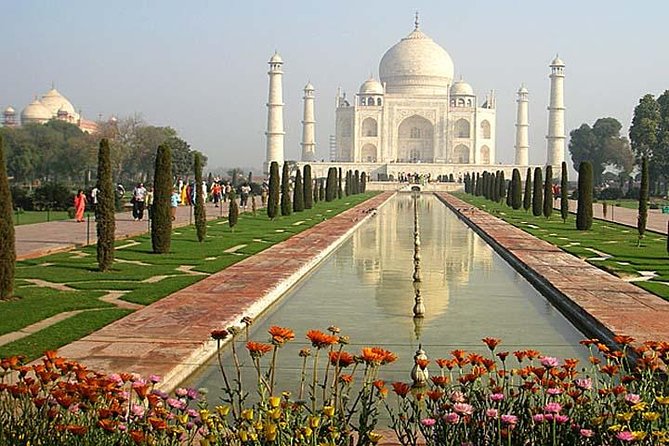
The Taj Mahal is a white marble masterpiece built by Shah Jahan in memory of his wife. You get about two hours there. That’s enough to walk the main areas, take your photos, and understand what you are looking at.
If timing gives you early light, you will likely enjoy the softer glow. One of the standout memories tied to this experience is a sunrise-style Taj visit, and even if your exact timing varies, you can usually expect the day to be arranged so the Taj experience is at its best rather than in the harshest part of the day.
Important closure note: Taj Mahal is closed every Friday. That means your travel dates matter a lot here.
Agra Fort: red sandstone and the Mughal command center
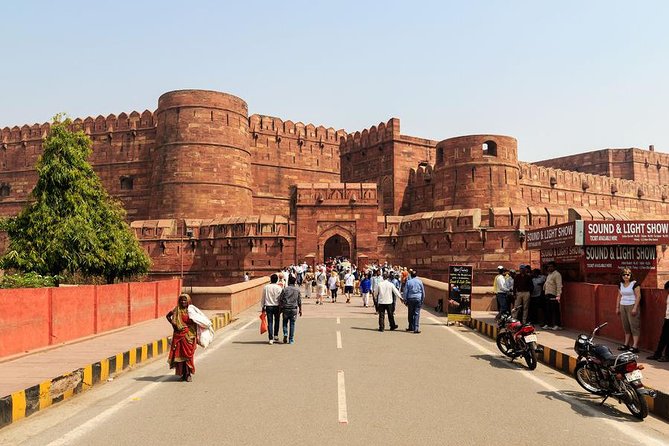
After Taj, you visit Agra Fort, a UNESCO World Heritage Site. It’s a red sandstone fortress that once housed Mughal emperors. This stop is about 1.5 hours, long enough to get the “fortress as power” feeling.
Agra Fort can feel like a contrast to the Taj. One is pure memorial beauty, the other is military and administrative. Together they tell a fuller story of the same era.
Fatehpur Sikri on the road to Jaipur
On the way to Jaipur, you stop at Fatehpur Sikri, a UNESCO World Heritage Site built by Emperor Akbar in the 16th century. It was once the Mughal capital, and the preserved red sandstone city gives you a real sense of what a capital complex looked like.
You only have about an hour, so this is not the stop for people who want to wander for half a day. But it is a smart add-on. It breaks up the long travel day and adds another major UNESCO site without turning the schedule into chaos.
Ranthambore tiger safari: two chances in the reserve
This is the day that changes the tone of the trip. Golden Triangle is cultural and architectural. Ranthambore is about patience, silence, and the thrill of waiting for movement.
Morning and evening in canters
The safari plan is set for both morning and evening drives, using a canter. A canter is a shared open-vehicle setup, not a private guided jeep. The benefit is that it is more structured and typically easier to schedule through the reserve.
What I like about doing two drives is simple: wildlife viewing is unpredictable. One drive might feel slow, and the second one can flip your day.
Your safari zone is assigned after booking
The tiger safari zone is assigned after booking depending on availability. That means you cannot pick the exact area in advance from the outside, but you are not going in blind either. Your safari is arranged through the park reserve process.
Closures and season you must respect
Ranthambore Tiger Safari may be closed from July 1 to September 30. This is non-negotiable. If your travel window falls inside that range, you should contact the operator before booking, because the safari part is the main reason this tour exists.
If you want a private jeep
If you prefer a private jeep, you can request it after booking. The operator says there is an additional charge. That can be worth it for comfort and flexibility, but do the math against your budget since the base safari is already included.
Jaipur: temples, forts, and royal city vibes in one tight loop
Jaipur is where the tour turns from monument tour to “see the city through royal architecture.” You travel from Ranthambore to Jaipur, then get a mix of hilltop temples, famous facades, and views.
Monkey Temple (Galta Ji): hilltop spirits and temple steps
Monkey Temple, also known as Galta Ji, is about 10 km from the city. It has sacred springs, a Hanuman temple, and plenty of monkeys, plus hilltop views. It’s a very visual stop, but it is also practical to prepare for stairs and close encounters.
Bring patience and keep your belongings secure. If you are uncomfortable around animals, this might not be your favorite stop, but it is exactly the kind of Jaipur oddball experience that makes the city memorable.
Patrika Gate: modern color with a photo payoff
Patrika Gate is a modern archway at Jawahar Circle Garden. It’s built in 2016 and is a colorful art-and-culture photo spot. This is not a UNESCO relic. It’s a quick, satisfying visual break that fits the schedule.
Birla Mandir: white marble calm at Moti Dungri
Birla Mandir, the Lakshmi Narayan Mandir, is a white marble temple built in 1988 at the base of Moti Dungri. You get about 30 minutes, which works well for looking at carvings and soaking in the peaceful atmosphere.
Hawa Mahal: 953 windows and the street-facing idea
Hawa Mahal, the Palace of Breeze, is a pink sandstone structure built in 1799. It has 953 windows and was designed so royal women could observe street life while staying private.
Even in short time, it helps to look for the pattern and imagine the viewpoint. It’s one of those landmarks where the function is as interesting as the shape.
City Palace: a blend of styles and real palace rooms
City Palace combines Rajasthani and Mughal architecture. You get time to walk through courtyards, gardens, and key rooms like Mubarak Mahal and Chandra Mahal. This stop is often less about one single photo and more about how the space works.
Jal Mahal: the Water Palace photo break
Jal Mahal, the Water Palace, appears to float on Man Sagar Lake. It is surrounded by hills and gives a scenic break, with about 15 minutes on the schedule.
This is a short stop on purpose. You need a “soft landing” before the fort-and-palace energy ramps again.
Jaigarh Fort and the cannon wonder
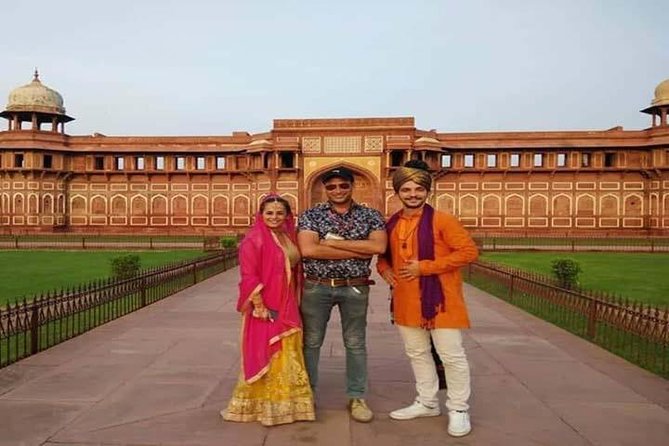
Jaigarh Fort, built in the 18th century, adds a different flavor to Jaipur. The views are a big part of it, and the fort also houses the world’s largest cannon, called Jaivana.
You get about 1.5 hours here. It’s a good match for people who like fortifications and who want to feel the scale of old defense systems. Even if you are not a military-history person, the cannon detail turns the visit into more than a scenic stop.
Comfort details that make the schedule work
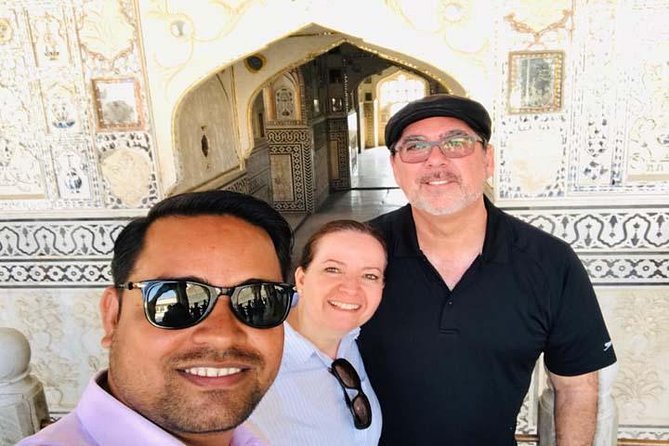
A tour like this can either feel smooth or feel like you are stuck in a moving waiting room. In this case, the included structure helps.
You get:
- Private air-conditioned transportation between Delhi, Agra, Ranthambore, and Jaipur
- Lunch and dinner included, plus breakfast for six mornings
- A live guide at the monuments, so you spend more time seeing and less time figuring out
- A private tour setup where it’s just your group
Also, hotels are arranged based on your selected category, either 4-star or 5-star. Hotel names can vary by availability, and early check-in before 14:00 is not always guaranteed. If you land in Delhi at midnight, the operator recommends adding an extra accommodation night.
These are the kinds of “real-life” constraints that can make or break your trip comfort. If you plan with them, the whole week feels easier.
Price and value: what $242.50 adds up to
Let’s look at the math like a travel shopper.
At $242.50 per person, you are paying for:
- Private car with air-conditioning for multiple long transfers
- Live guides through many monument stops
- Six nights of accommodation if you choose the 4-star or 5-star option
- Two included safari drives through Ranthambore in a canter setup
- Meals: lunch and dinner, plus breakfast for six mornings
What’s not included is entrance fees, estimated at around $68 per person, plus tips and any mandatory Christmas/New Year Eve supplements paid directly at the hotel.
So the real question is: does it feel worth it compared with booking everything separately? In my view, yes if you value time and stress reduction. Entrance fees and tips are easy to add up, but guides, safaris, and private drivers across four separate regions are the harder pieces to coordinate alone. This package tries to remove that coordination burden.
You also benefit from group discounts, and it’s booked in advance fairly often (about 68 days on average). That usually means the operator can plan better around your dates and the safari availability process.
Timing and closure notes you should check before you lock in dates
These closures are specific, so you should check your calendar now rather than later.
- The Taj Mahal is closed every Friday. If you land in Agra on a Friday, expect adjustments.
- The Lotus Temple is closed every Monday. If your Delhi day hits Monday, you may see a replacement stop or a modified sequence.
- Ranthambore safari can be closed from July 1 to September 30. If you travel in those months, contact the operator before booking so you know what happens to the main wildlife component.
One more practical detail: Ranthambore tiger safari zones are assigned after booking depending on availability. That means your expectations should be flexible about the exact area, and you should focus on the fact that you are getting morning and evening drives rather than one shot.
Who should book this tour, and who might want a different fit
I think this fits best if you want:
- A private, guided experience across Delhi, Agra, and Jaipur without logistics headaches
- Two Ranthambore safari drives in one week rather than a single day trip
- Comfort-first travel, since meals and transfers are planned around you
- Monument-heavy sightseeing, including UNESCO sites like Humayun’s Tomb, Qutub Minar, Agra Fort, and Fatehpur Sikri
It might be less ideal if:
- You hate crowds and want long unstructured free time at each site
- You strongly prefer private jeep safaris and do not want to pay extra for that upgrade
- You are traveling during Ranthambore’s listed closure window and the safari dates are the main priority
Should you book this Golden Triangle with Ranthambore?
Yes, if you want a guided, comfortable week that connects big-name sights with a legitimate wildlife agenda. The value comes from how much is handled for you: private transfers, live guides, scheduled safari drives, and meals.
I would book especially if you can travel on dates that keep the Taj Mahal and the Lotus Temple open, and if your schedule works with Ranthambore’s seasonal rules. If those constraints line up, this tour has a strong balance: architecture in the first half of the week, then nature and waiting in Ranthambore, then royal Jaipur highlights at the end.
If you want, tell me your travel month and your ideal room category (4-star or 5-star). I can help you sanity-check the closure dates and the safari timing so you can decide with confidence.
FAQ
What is the duration of the 7 Days Private Luxury Golden Triangle Tour With Ranthambore?
It runs for about 7 days, with transportation between Delhi, Agra, Ranthambore, and Jaipur.
What does the tour price include?
The package includes lunch and dinner, private air-conditioned transportation, accommodation for six nights if you select 4-star or 5-star, a private live tour guide at the monuments, morning and evening Ranthambore tiger safari drives in a canter, and breakfast for six days.
Are entrance fees included?
No. Entrance fees are not included and are listed as approximately $68 per person.
Does the safari include both morning and evening drives?
The tour includes morning and evening jungle safari drives at Ranthambore in a canter.
Are there any fixed closure days for major sites?
Yes. The Lotus Temple is closed every Monday, and the Taj Mahal is closed every Friday.
Can I get a private jeep for the Ranthambore safari?
Yes, you can request a private jeep after booking, and there is an additional charge to pay.
When is Ranthambore Tiger Safari closed?
Ranthambore Tiger Safari may be closed from July 1 to September 30.
Is this a private tour for only my group?
Yes. It is a private tour or activity, and only your group participates.
More Private Tours in New Delhi


More Tours in New Delhi




More Tour Reviews in New Delhi
Not for you? Here's more nearby things to do in New Delhi we have reviewed








More Golden Triangle Tours to consider.
 ★ 5.03-Days Private Golden Triangle Tour: Delhi, Agra & Jaipur by CarTickets from $1271,107 traveller reviews
★ 5.03-Days Private Golden Triangle Tour: Delhi, Agra & Jaipur by CarTickets from $1271,098 traveller reviews
★ 5.03-Days Private Golden Triangle Tour: Delhi, Agra & Jaipur by CarTickets from $1271,107 traveller reviews
★ 5.03-Days Private Golden Triangle Tour: Delhi, Agra & Jaipur by CarTickets from $1271,098 traveller reviews
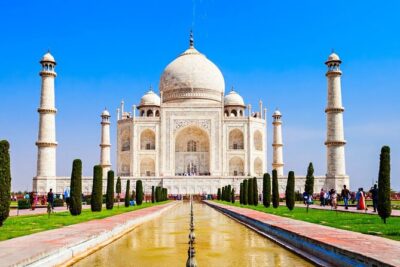 ★ 5.03-Day Delhi, Agra and Jaipur Private Tour – India Golden TriangleTickets from $110812 traveller reviews
 ★ 5.0Four-Day Private Luxury Golden Triangle Tour to Agra and Jaipur From New DelhiTickets from $160807 traveller reviews
 ★ 5.05 Nights 6 Days Private Golden Triangle Tour – Delhi Agra JaipurTickets from $240574 traveller reviews
 ★ 5.04 Days Golden Triangle TourTickets from $146499 traveller reviews
 ★ 5.0Private Car and Drive for Golden Triangle (4N/5D)Tickets from $167451 traveller reviews
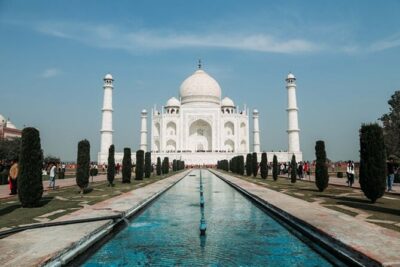 ★ 5.0Private Golden Triangle Tour Delhi Agra Jaipur ( Top Rated )Tickets from $148436 traveller reviews
More useful Delhi routes